
Animal Genomics Extension
The latest discoveries in genomics that benefit animals and humans.
Upcoming extension events and programming across the state.
Contact information for the Animal Genomics Extension team.
Resource Quick Links
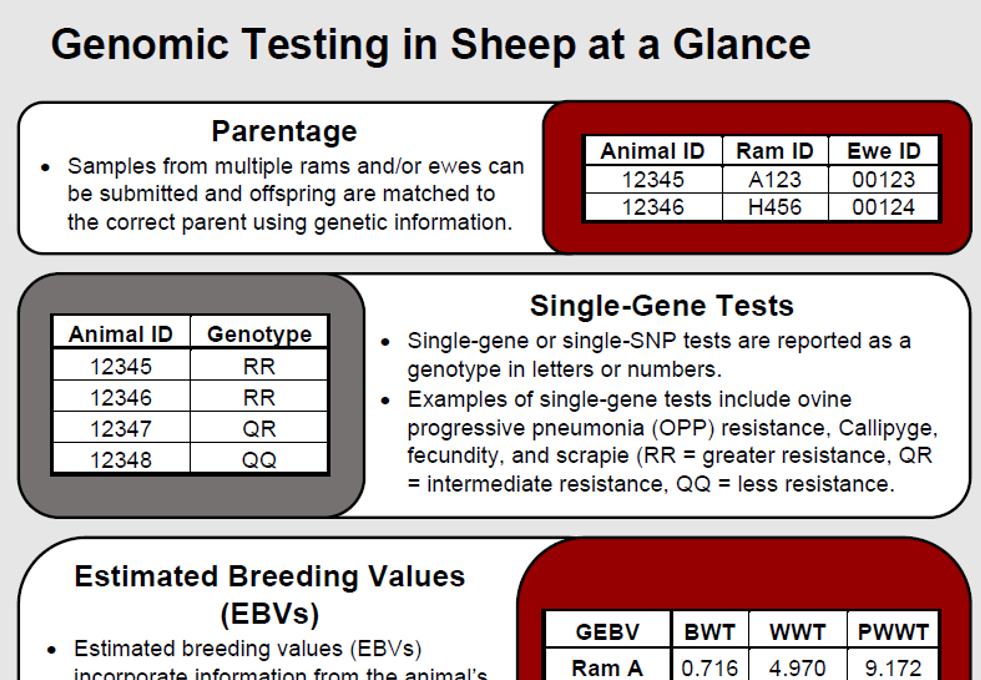
Fact Sheets

Videos
Podcast
Resources by Species

Video Series & Podcast
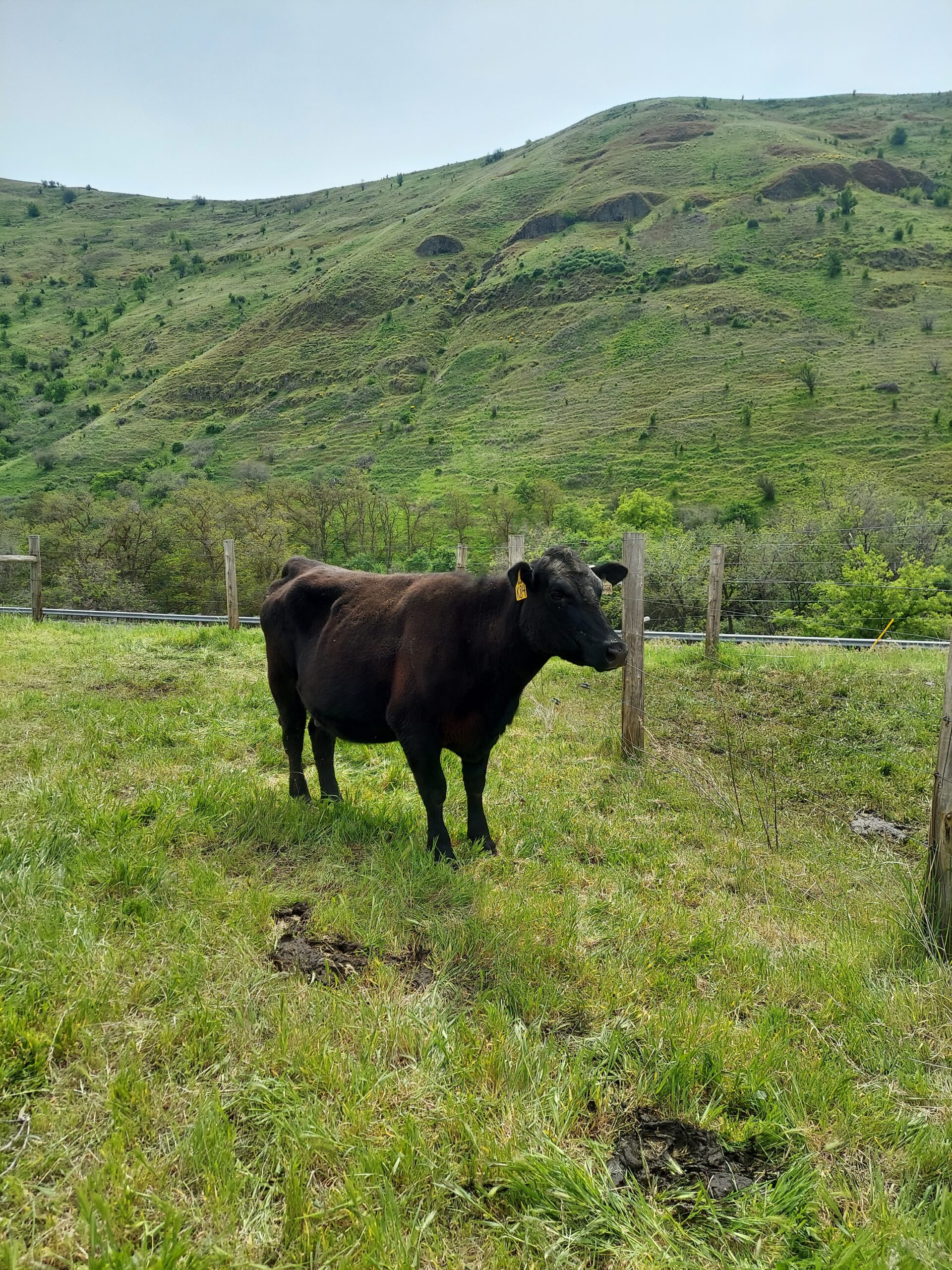
DNA Unraveling the Code Part 1: Tissue Sampling
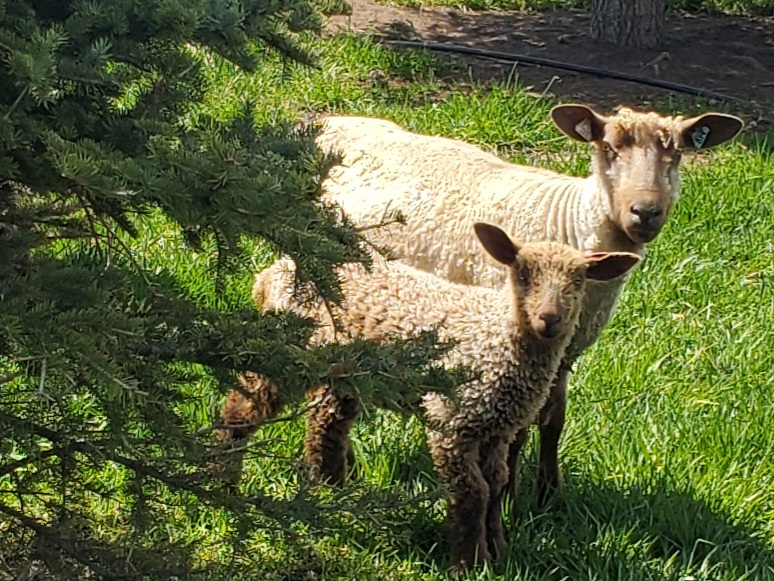
In the first installment of DNA Unraveling the Code, our video series on livestock genetics, we explore the foundational step in genomic analysis: tissue sampling.
Although this example uses beef cattle, the same methodology can be applied to dairy cattle, sheep, goats, and swine.
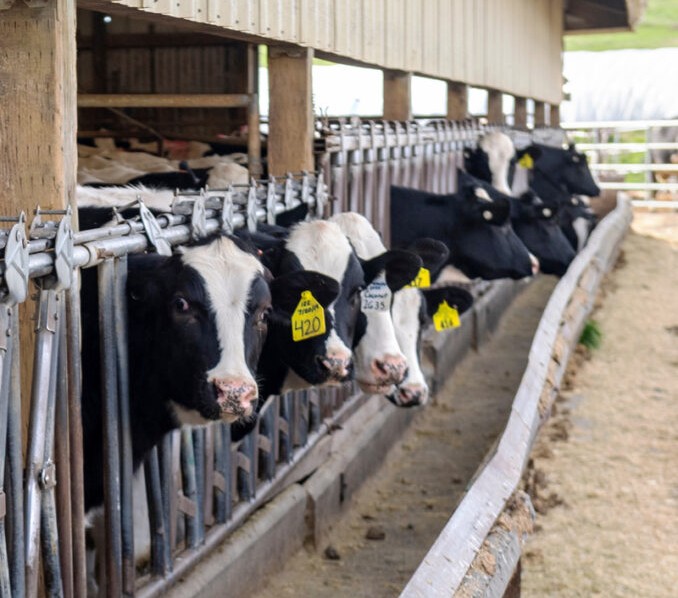
Livestock by Design Podcast
Stream the introduction on SoundCloud or Spotify.
Episode 1 Coming Soon!
Upcoming Events
2025 Washington State Sheep Producers Convention
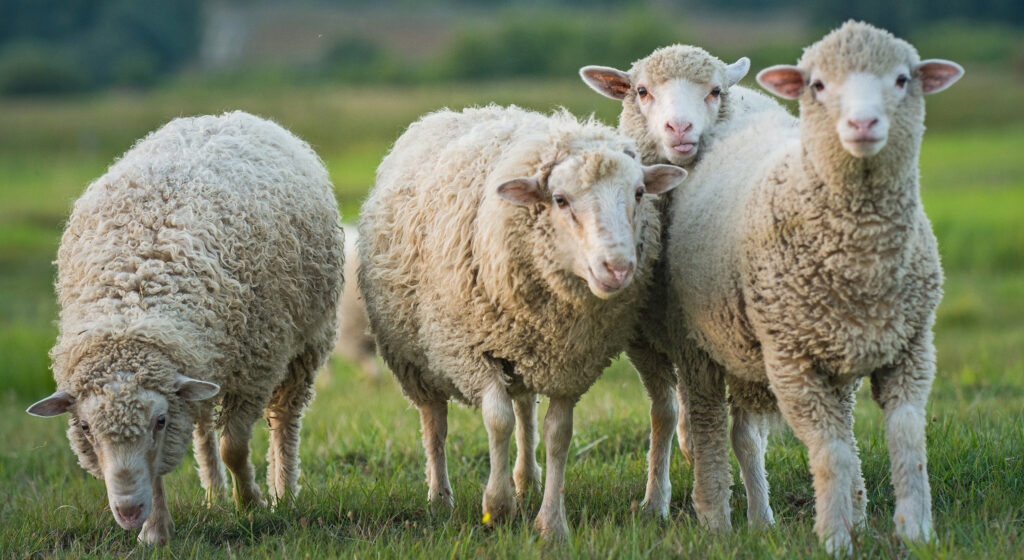
Join us for an exciting convention with the theme “tools and strategies to enhance profitability.” Workshops will feature fleece skirting, carcass fabrication, genetic testing, reproduction, fall lambing practices, and more! Registration and final schedule to come.
Date: October 30 – November 1, 2025
Location: WSU Campus in Pullman, WA
Contact: Dr. Kim Davenport, kimberly.davenport@wsu.edu or (509) 335-4124 for details.
From the Cutting Edge
Personalized CRISPR Gene Therapy
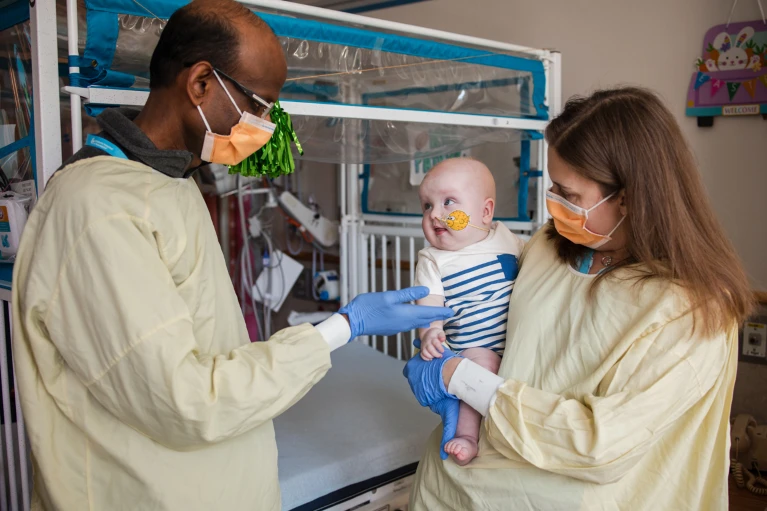
The world’s first CRISPR directed personalized gene therapy was given to ten month old KJ Muldoon to potentially counteract a genetic mutation that impairs his body’s ability to process protein. Scientists used the child’s own genetic sequence to identify the mutation and design the customized therapy, and are hopeful that this is the first step in helping others with rare genetic disorders.
Click on the image to learn more.
FDA Approves Gene Edited Pig
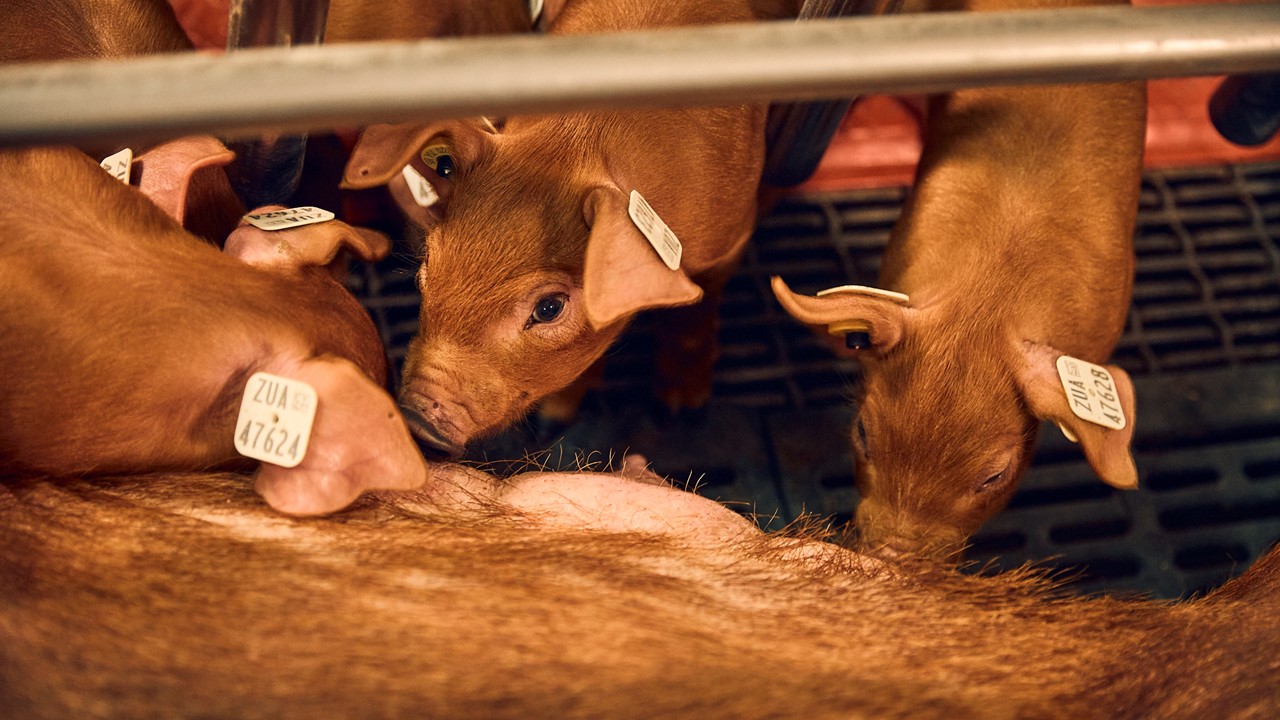
The U.S. Food and Drug Administration (FDA) has approved a breakthrough gene-editing method that makes pigs resistant to porcine reproductive and respiratory syndrome (PRRS), a disease that has plagued hog farms for decades and leads to significant financial losses.
Click on the image to learn more.
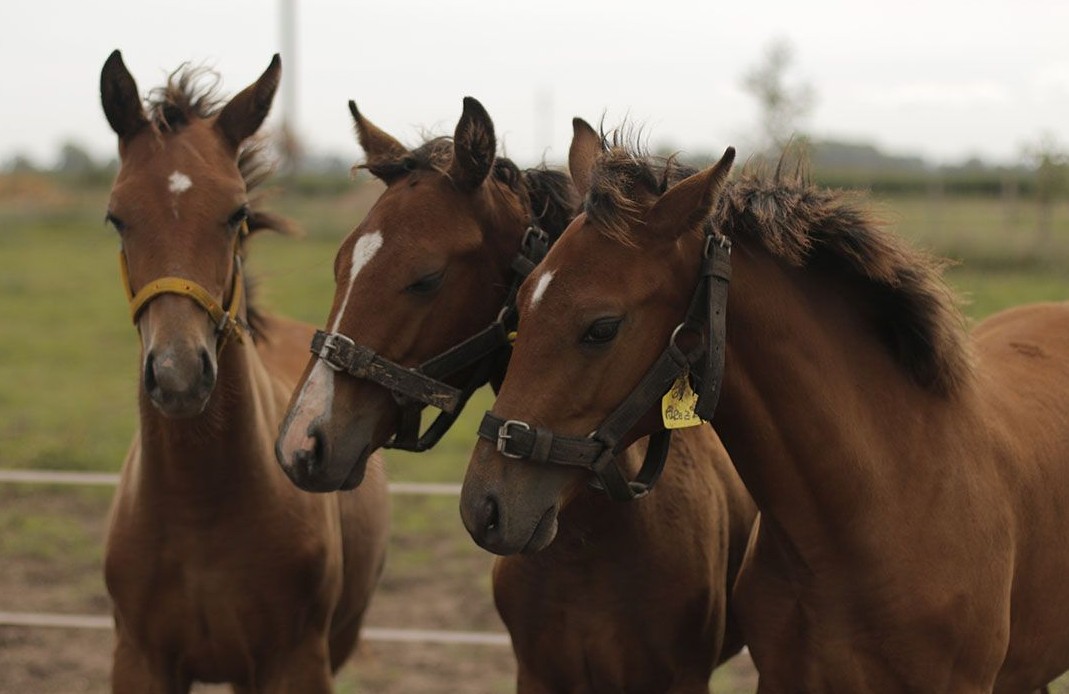
Gene Edited Polo Horses in Argentina
Five gene-edited polo horses are introduced in Argentina. These horses have edits to the myostatin gene, which regulates muscle growth. Variation in myostatin can lead to increased muscling which is observed as an extreme in Belgian Blue cattle and Whippet dogs. Scientists are studying these horses’ growth and development, and have not yet observed any adverse effects of the edit.
Click on the image to learn more.
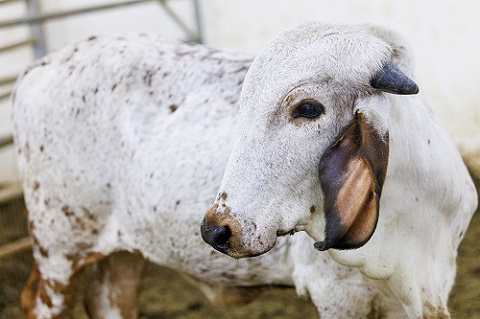
First Calf Resistant to Bovine Viral Diarrhea Virus Produced by Gene Editing
Using cutting-edge CRISPR technology, scientists have produced the first calf resistant to bovine viral diarrhea virus (BVDV), named Ginger. Although directly exposed to the BVDV virus, Ginger never showed symptoms. This breakthrough is game-changing, as it could greatly reduce animal losses due to BVDV and reduce antibiotic use. Now, scientists are continuing to observe Ginger and her ability to live a healthy, productive life, while creating more gene edited animals to continue the study across different breeds.
Click on the image to learn more.
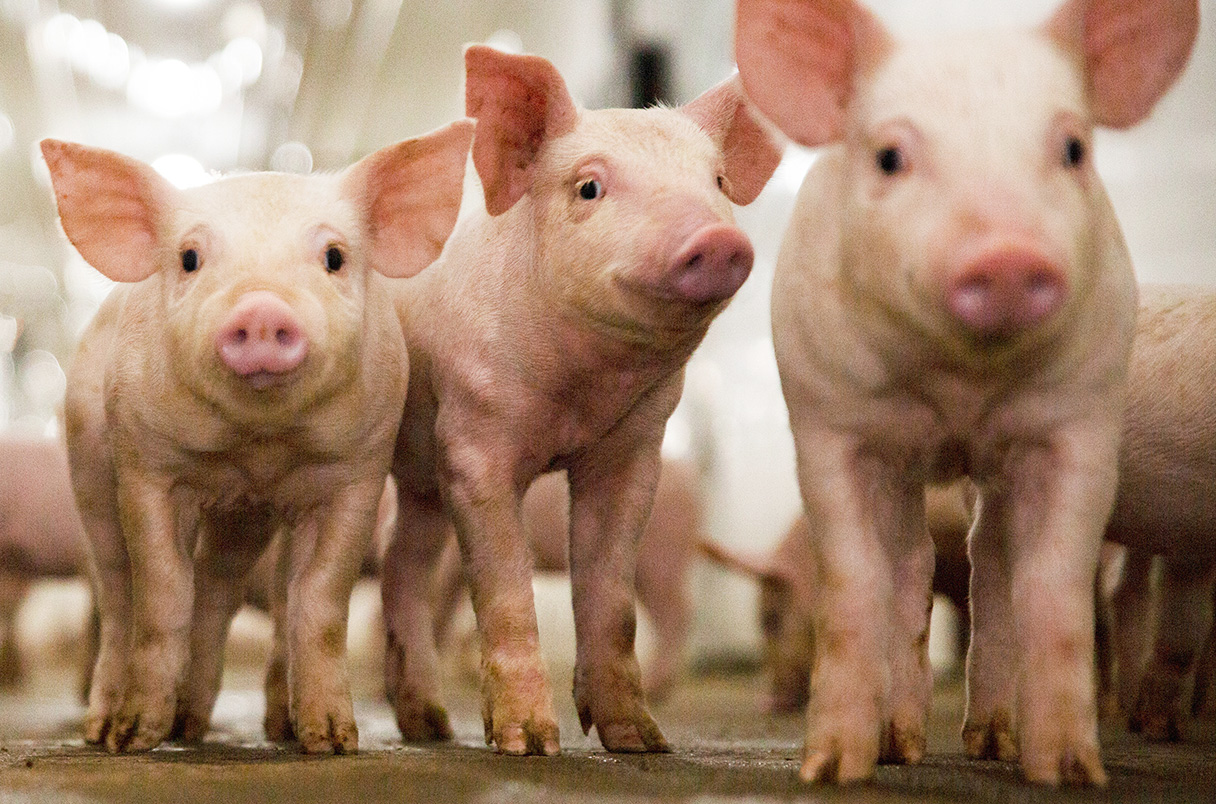
Gene Edited PRRS Resistant Pigs Close to FDA Approval
Very soon, we could see gene-edited pigs with resistance to porcine reproductive and respiratory syndrome (PRRS) available on the market. Genus, plc, is currently seeking FDA approval for pigs edited with CRISPR-Cas9 to disable the CD163 receptor, preventing infection from the PRRS virus.
The bottom line? These pigs could save the US pork industry $2.7 billion each year while increasing animal welfare.
Click on the image to learn more.

First FDA Approved Gene Therapy using CRISPR-Cas9 Treats Sickle Cell Disease
The FDA has officially approved two gene therapy treatments for Sickle Cell Disease. These treatments use groundbreaking CRISPR-Cas9 and stem cell transplant technologies to prevent production of sickle red blood cells.
This paves the way for future approvals of life saving gene therapy treatments, and brings the application of gene editing into a favorable light.
Click on the image to learn more.

WSU Achieves First FDA Approval for Consumption of Gene Edited Animals
Researchers at Washington State University led by Dr. Jon Oatley received FDA approval for gene edited pigs to enter the food chain for human consumption. These pigs were the result of CRISPR-Cas9 knockout of the NANOS2 gene and subsequent germ cell transplant from another sire, resulting in what are called “surrogate sires.”
Click on the image to learn more.
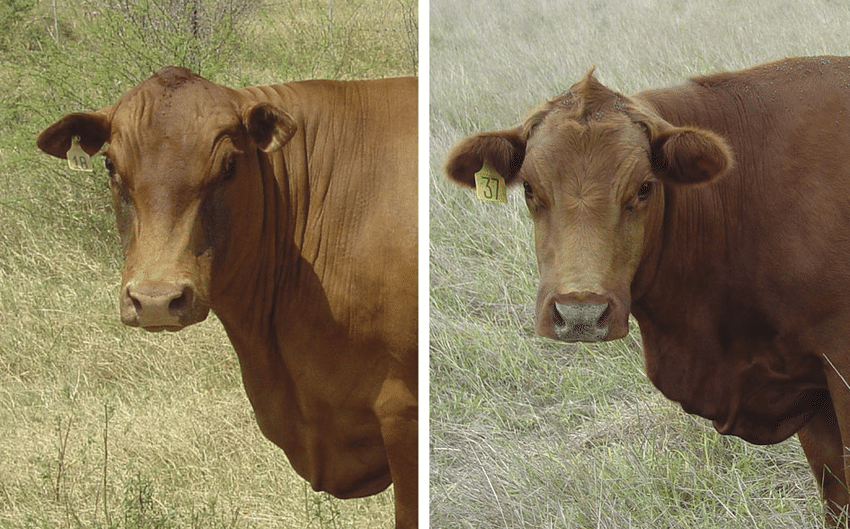
CRISPR Cattle Receive Low Risk Designation from FDA
The FDA declared that products from CRISPR-edited PRLR-SLICK cattle pose no risk “to people, animals, the food supply, and the environment.” This designation is groundbreaking, and likely paves the way for other gene edited animals to receive a similar designation. Essentially, gene editing greatly expedites what we could accomplish in these cattle using natural breeding practices.
Click on the image to learn more.