
Genomic Testing & Selection Resources for Sheep
Fact Sheets
Brief guides for collecting tissue, hair, and blood samples for genetic testing, and a brief guide for interpreting genomic tests in sheep.
Sample Collection Guide
Methods for Sample Collection
Note: collection methods may differ based on which genomic test is used. Always check with the company to determine which sample type is best for submission.
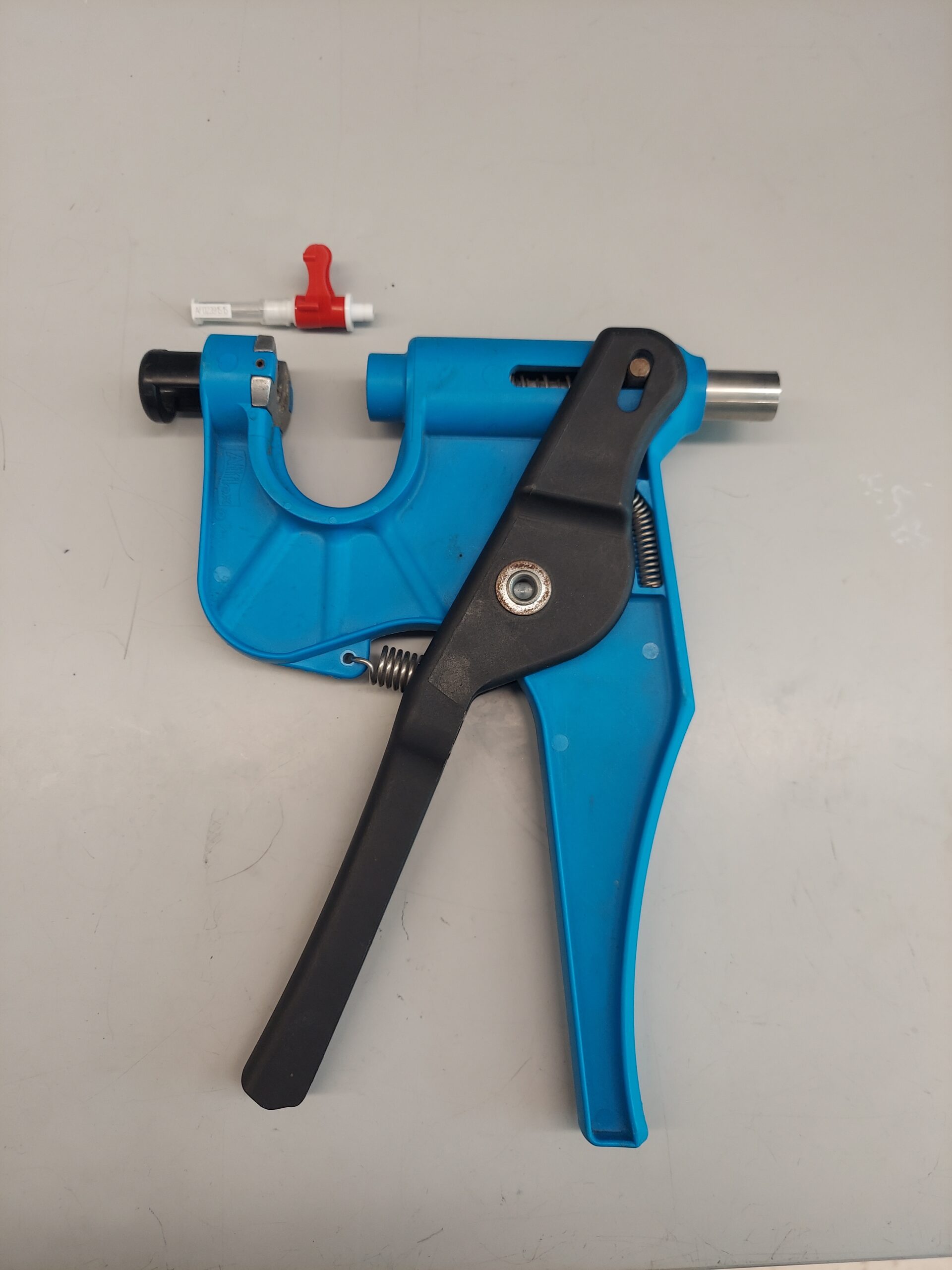
Tissue Sampling Units (TSUs), Ear Notches, & Tails
Ear notches and tails can also be taken when tagging and/or docking, and placed into a container such as a plastic bag or tube before storing in the freezer until shipping. Notches and tails should be frozen and shipped on ice packs or dry ice to preserve DNA.
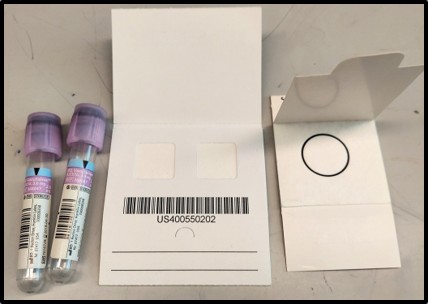
Whole Blood and Blood Cards
Blood can also be spotted onto a FTA blood card covering the entire circle or square on the card, and be sure to let the card dry before storing in a cool, dry place.
Blood cards can be shipped at room temperature.
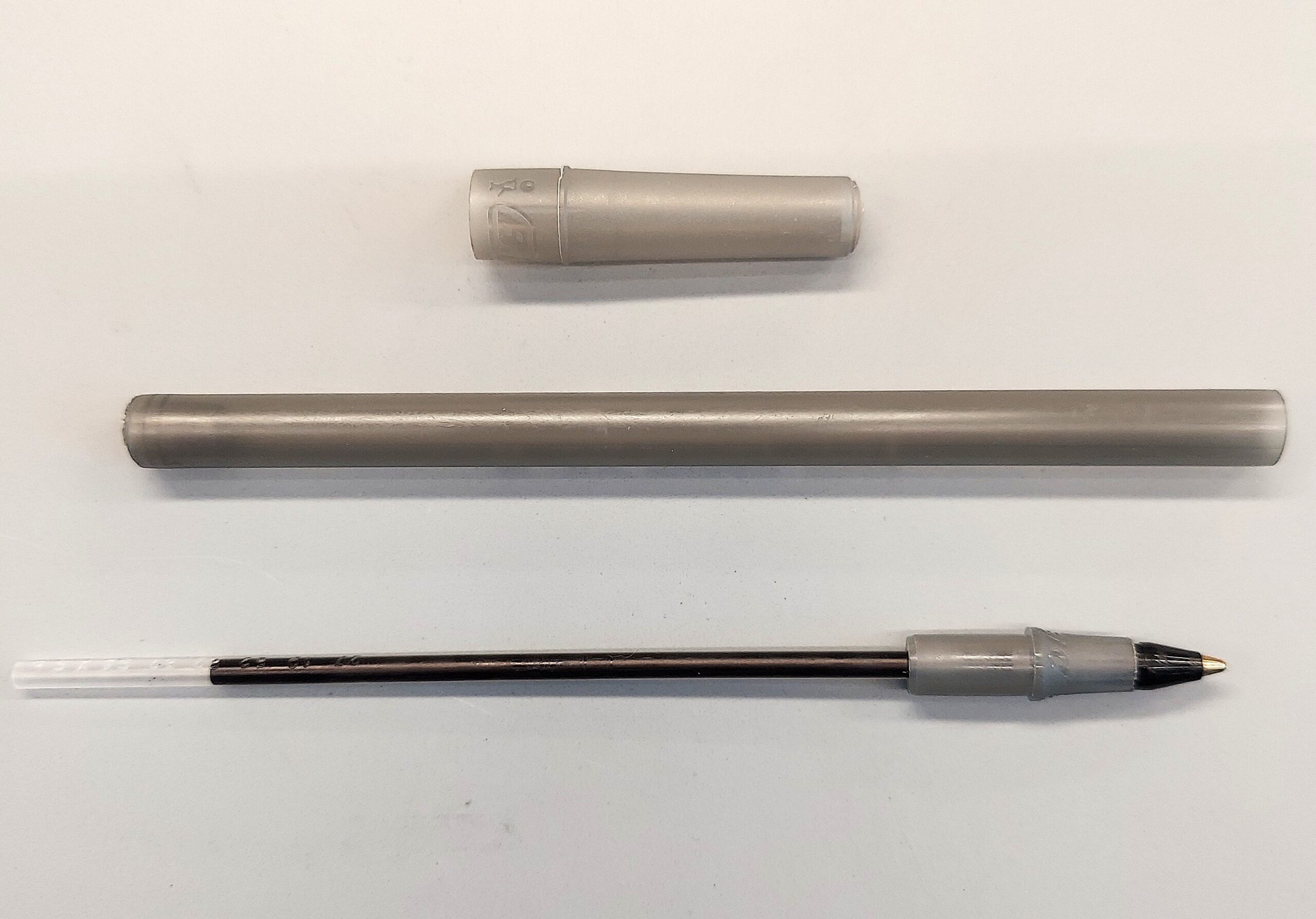
Semen
Semen samples should be shipped on ice packs or dry nice to preserve DNA.
Sampling Tips
Keep detailed and clear records during sampling to prevent duplicated or skipped animals.
Make sure samples are not contaminated with manure, dirt, and debris.
Clean sampling tools between animals to prevent cross-contamination of DNA.
Store samples out of sunlight and heat, and ship accordingly to prevent DNA degradation.
Genomic Testing in Sheep
Parentage
Samples from multiple rams and/or ewes can be submitted and offspring are matched to the correct parent using genetic information. An output example is given in the table below:
| Animal ID | Ram ID | Ewe ID |
| 12345 | A123 | 00123 |
| 12346 | H456 | 00124 |
Single-Gene Tests
Single-gene or single-SNP tests are reported as a genotype in letters or numbers, or affected/carrier/clear depending on the test.
Examples of single-gene tests include ovine progressive pneumonia (OPP) resistance, Callipyge, fecundity, and scrapie (RR = greater resistance, QR = intermediate resistance, QQ = less resistance), as shown below:
| Animal ID | Genotype |
| 12345 | RR |
| 12346 | RR |
| 12347 | QR |
| 12348 |
Estimated Breeding Values (EBVs)
Estimated breeding values (EBVs) incorporate information from the animal’s performance, pedigree, and progeny. Genomic EBVs (GEBVs) include genetics which increases accuracy. Values are often reported as an animal’s deviation (+/-) from the breed mean, which is not always 0. EBVs are calculated through the National Sheep Improvement Program (NSIP), and an example output is given below:
| GEBV | BWT | WWT | PWWT |
| Ram A | 0.716 | 4.970 | 9.172 |
| Ram B | 0.379 | 5.900 | 10.928 |
| GEBV | MWWT | NLB | NLW |
| Ram A | 0.109 | 0.102 | 0.072 |
| Ram B | 0.182 | 0.136 | 0.082 |
Selection Indices
Selection indices incorporate several traits at specific statistical weights into a single value for selection. Selection indices are generally reported often as a dollar ($) value compared to breed average. An example is given below:
| Index | Carcass Plus | SRC$ |
| Ram A | 186.52 | 127.04 |
| Ram B | 175.56 | 126.71 |
| Ram C | 179.02 | 126.11 |
EBV and GEBV Terminology Key
A large collection (may not be entirely complete) of EBVs/GEBVs are defined in the tables below:
| Production EBVs / GEBVs | |
| Acronym | Trait |
| BWT | Birth weight |
| WWT | Weaning weight |
| PWWT | Post weaning weight |
| YEMD | Yearling eye muscle depth |
| YFAT | Yearling fat |
| YGFW | Yearling greasy fleece weight |
| YFD | Yearling fiber diameter |
| YSL | Yearling staple length |
| WFEC | Weaning fecal egg count |
| PFEC | Post weaning fecal egg count |
| PEMD | Post weaning eye muscle depth |
| PFAT | Post weaning fat |
| Maternal EBVs / GEBVs | |
| Acronym | Trait |
| MWWT | Maternal weaning weight |
| NLB | Number of lambs born |
| NLW | Number of lambs weaned |
| Index $Values | |
| Acronym | Trait |
| US Range Index | Index developed for selection on range performance |
| US Maternal Index | Index developed for selection on maternal traits and fleece |
| US Hair Index | Index developed for selection of hair breed performance |
| Carcass Plus Index | Index developed for selection on carcass traits |
| SRC$ Index | Self-replacing carcass index for selection on growth and carcass traits |