Conservation Grazing Toolkit
Conservation grazing is not a recipe or a grazing plan. It is an approach that aims to use grazing for conservation outcomes. It has been variously defined as “livestock grazing that delivers multiple benefits for wildlife and people now and into the future,” and ‘the use of livestock where an important objective is to manage the site for wildlife, whether it be grassland, woodland, wetland or scrub, in addition to people’, among other descriptions (Tallowin 2021, Payne 2020).
Guide Components
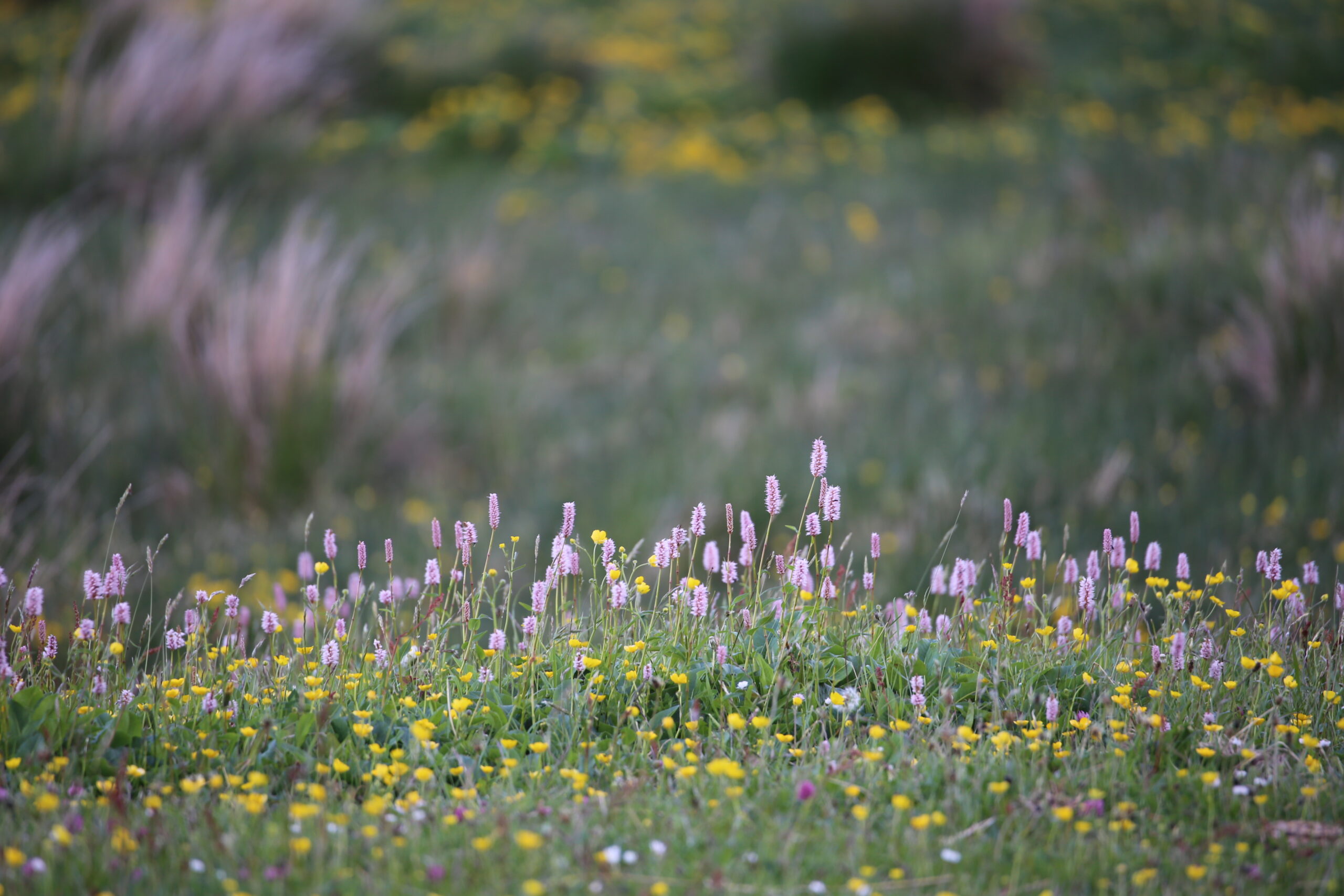
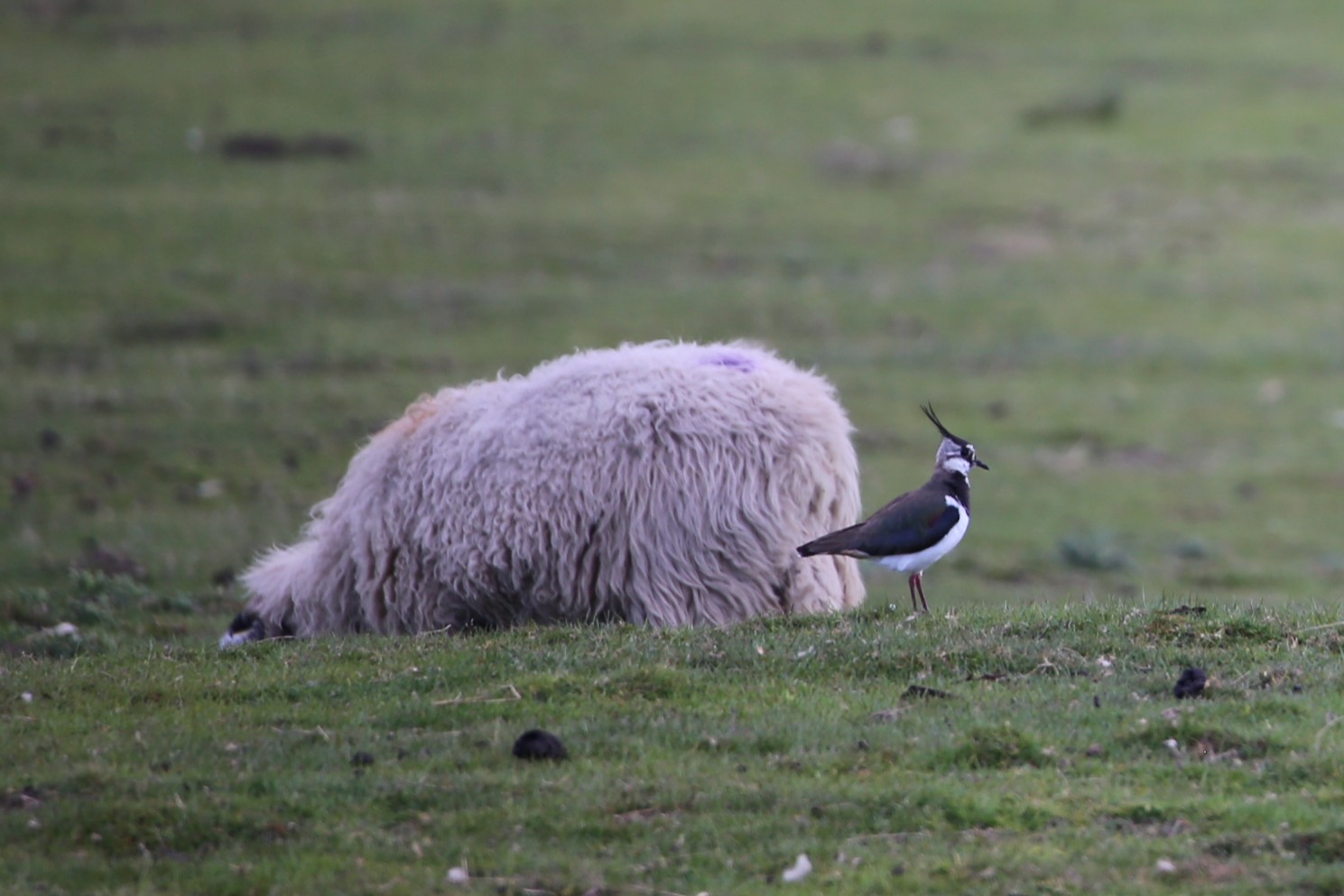
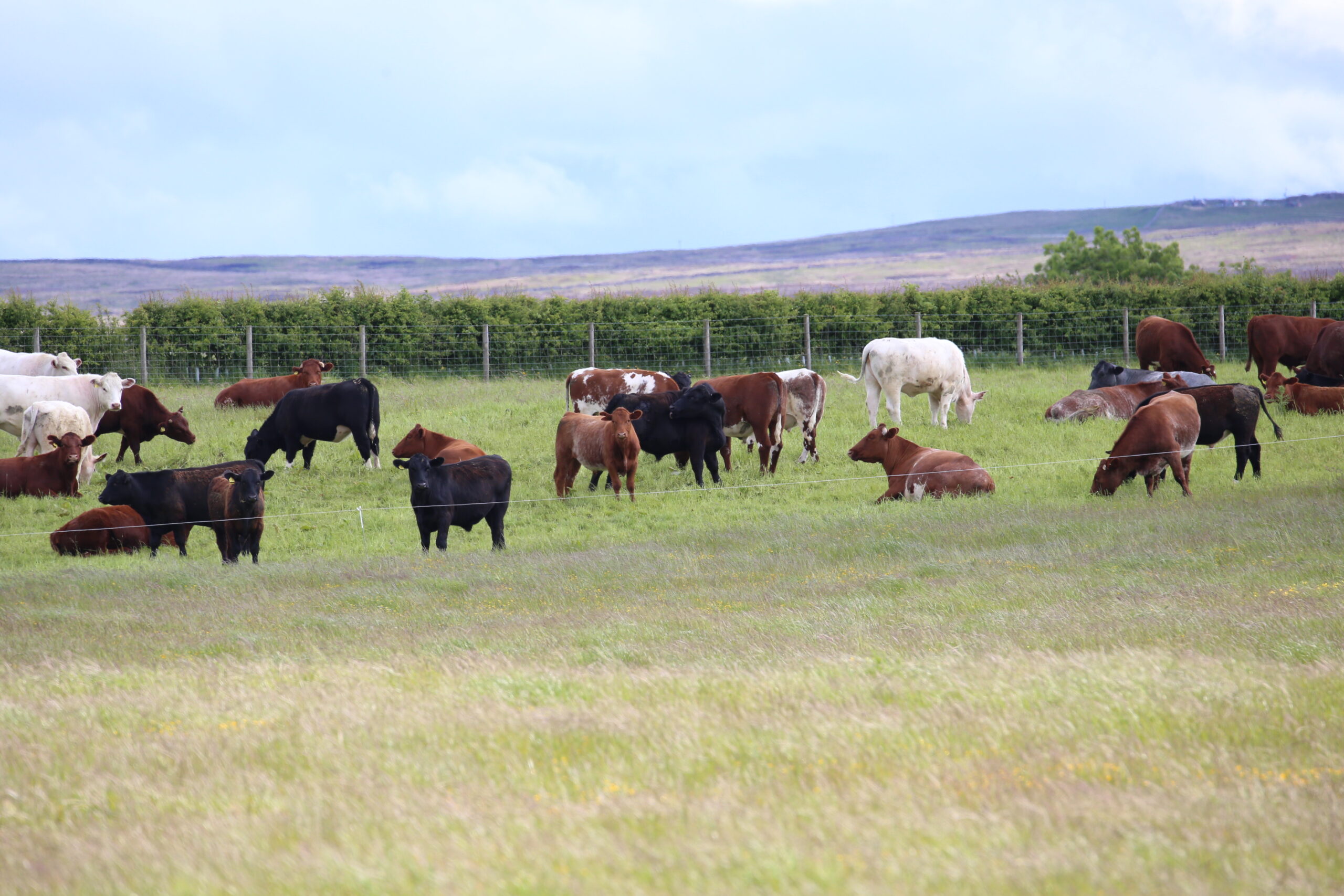
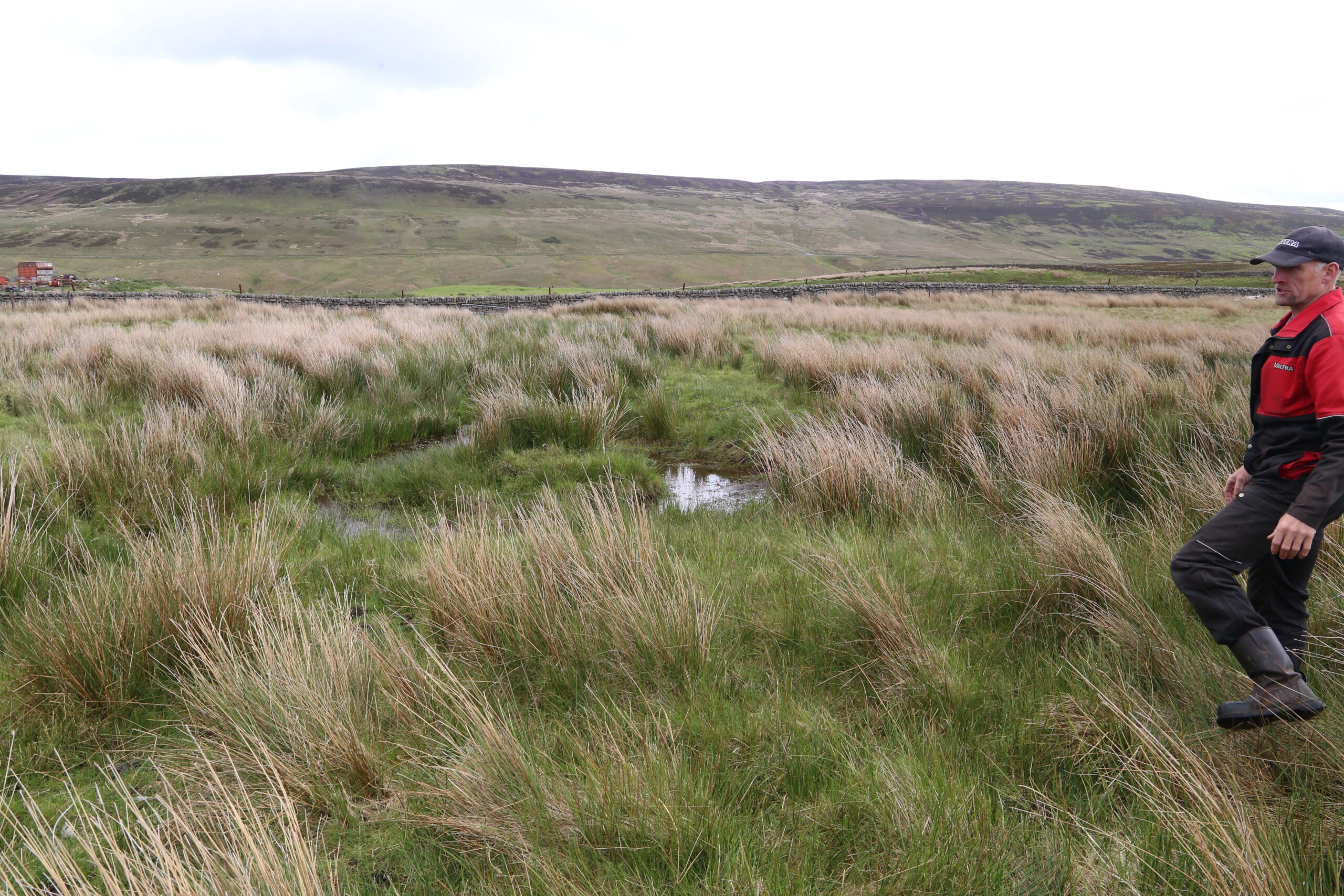
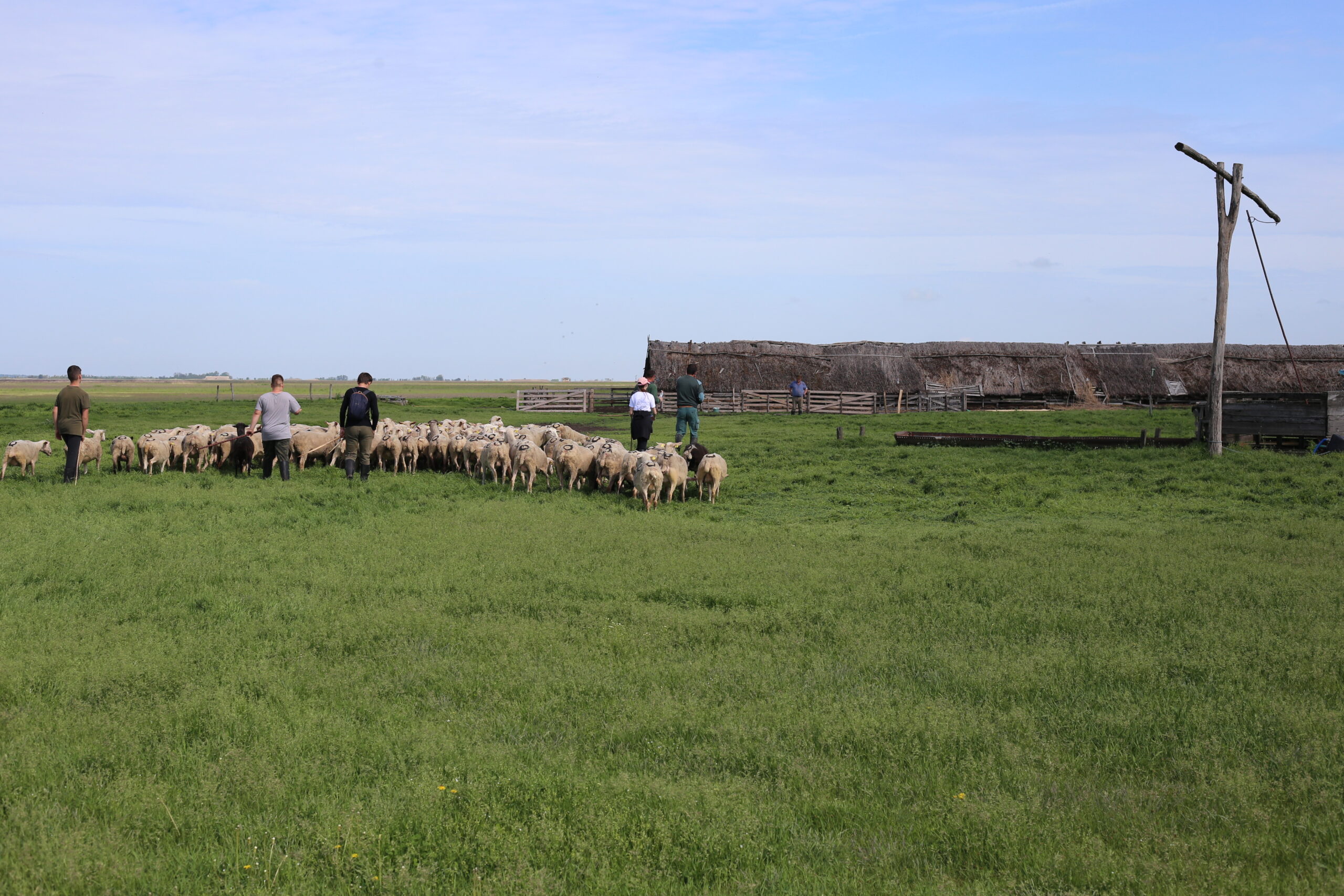
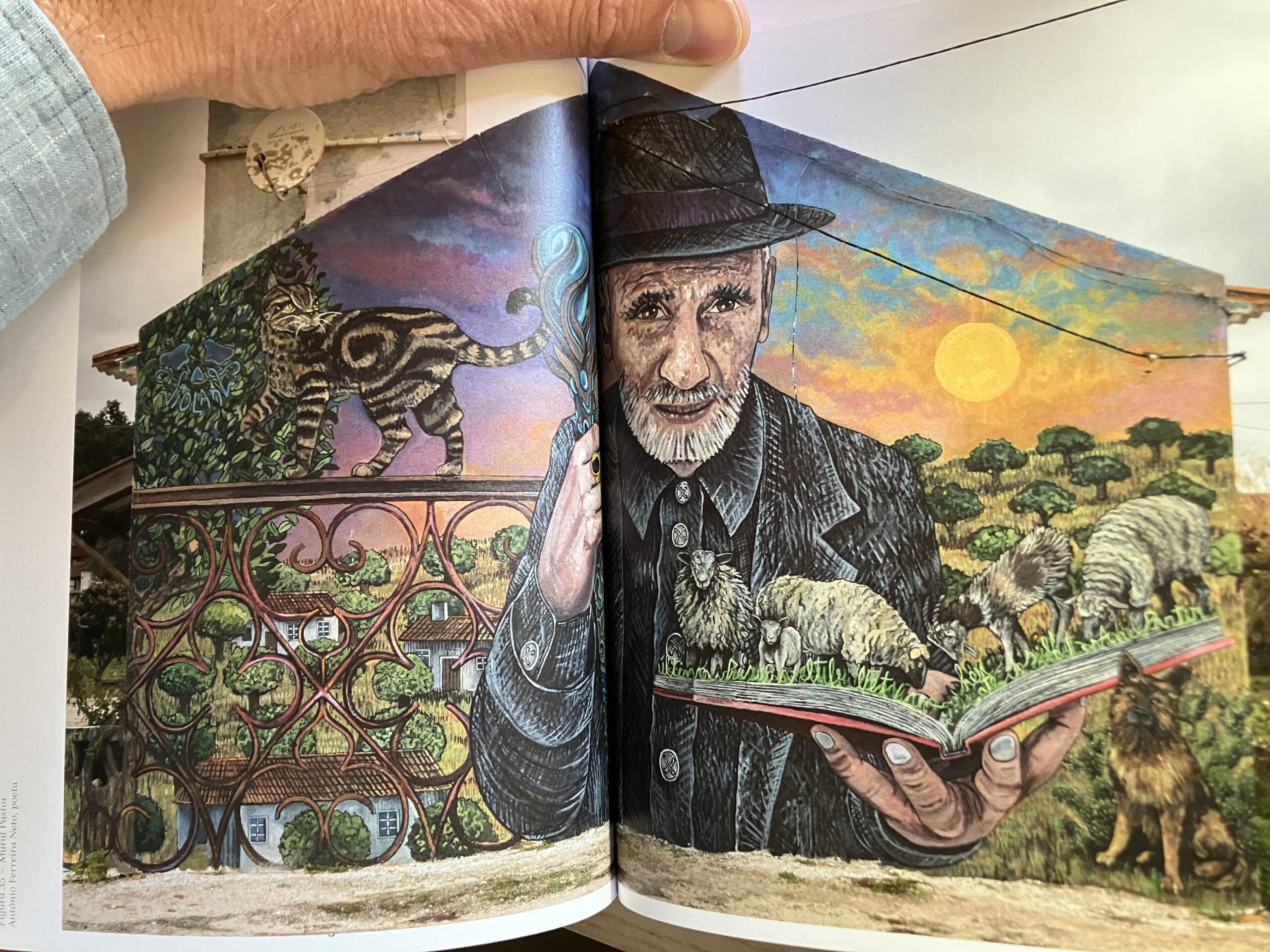
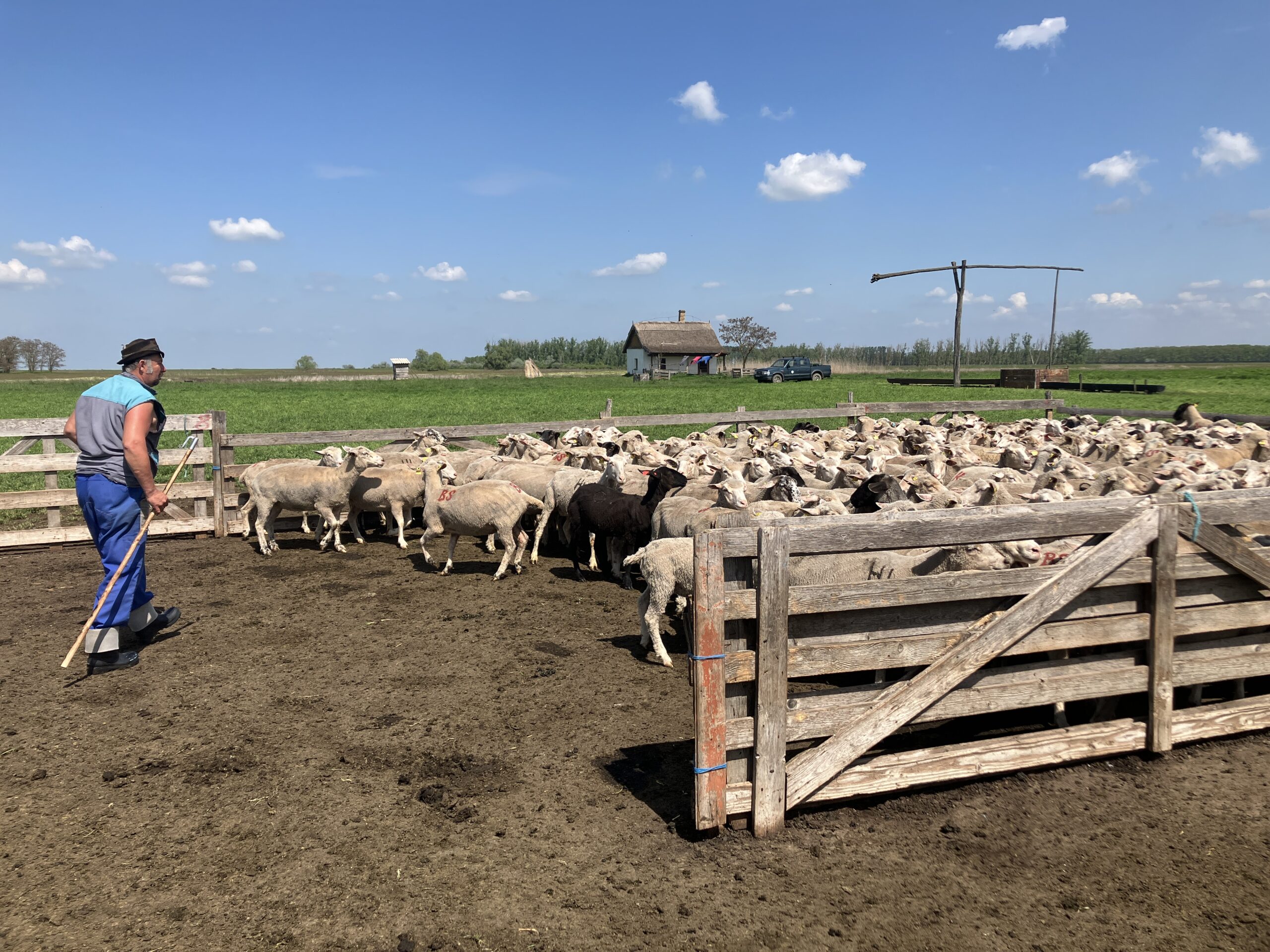
The top row of linked photos below (intro, concepts, and practices) gives an overview of conservation grazing, principles that guide integration of grazing and wildlife, and practices to implement this approach. Below those are resources that illustrate and document conservation grazing, including case studies, videos, resources for writing grazing plans, and a some “snapshots” of important issues in conservation grazing, herding, and shepherding.
- The intro (top left) goes over grassland habitat, habitat loss, conservation grazing “what is”, and how to a start.
- Concepts (top middle) describes ecological principles you should be familiar with to integrate grazing and conservation, including heterogeneity and niche diversification, vegetation structure, plant responses to grazing, community change dynamics, and fire and grazing as a single linked ecological process.
- Practices (top right) describes primary management decision areas that any livestock producer or manager takes into account when development a grazing regime. Decisions in these same areas will influence the impacts of grazing on habitat and wildlife species, and include grazing system, stocking rate, grazing distribution, soil management, livestock type and breed, and animal behavior.