
Join us!
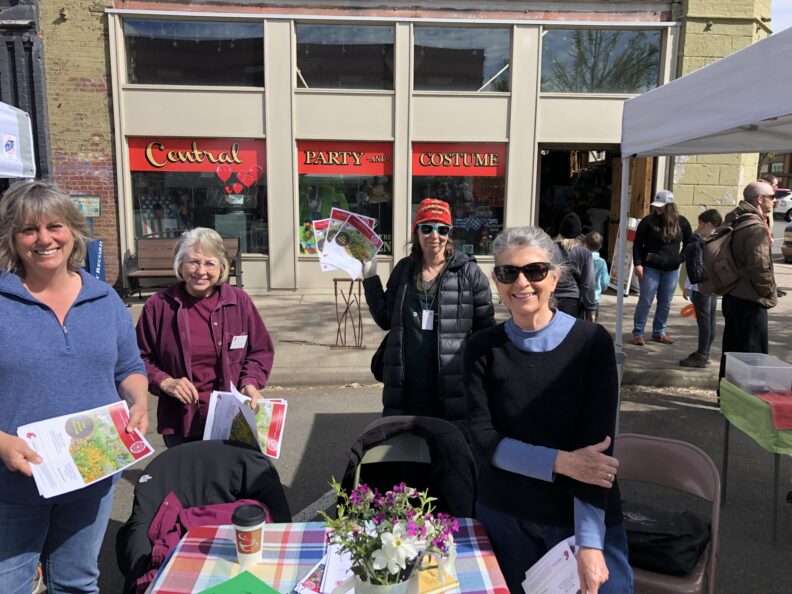
Do you want to learn more about gardening, meet new people and make a difference in the community? The WSU Extension Master Gardener Program may be just right for you. You will learn science-based knowledge to tackle the yard and garden problems that matter to you and to, your friends, neighbors and community.
More Information
Kittitas County Master Gardener Volunteer Training
The WSU Extension Master Gardener Program is a volunteer program for people with a passion for plants, a drive to learn, and a commitment to serve. Candidates for the program may have a range in experience or knowledge about horticulture, but all have a desire to learn. By joining the program, you are committing to serving the community as a volunteer gardening/horticulture educator. Interested in joining the WSU Extension Kittitas County Master Gardener Program? Complete the application during the application window July 1-September 1 and agree to the WSU Master Gardener Program expectations.
Application Process
All WSU Extension Master Gardeners (EMG’s) receive in-depth horticulture training provided by university faculty, staff, and specialists. Training is critical to ensure that all volunteers have access to the information necessary to support our mission. Training to become an Extension Master Gardener (EMG) volunteer include 3 main components:
- Green School online course. The online course will take place over a 20-week period between October 5, 2025, and February 21, 2026. Green School offers flexible, remote and hybrid training options. This includes self-paced online classes and online review sessions with subject matter experts from WSU. Courses are specific to the PNW’s climate, soil, environment, insects, wildlife, and plants. Training is a big commitment and includes reading (online, no text required), homework, quizzes, in-class activities, lectures, and a final exam.
- In-person labs/field trips. Trainees attend in-person local learning experiences (or labs) including field trips field trips. Details about labs/field trips coming soon.
- Internship/volunteer service. Upon completing their training, trainees transition into their internship. As interns, they volunteer alongside certified WSU Extension Master Gardeners, enhancing their knowledge and skills while gaining comfort in community education and program participation. Interns are expected to complete 40 hours of volunteer service their first year. Volunteer service include answering garden questions at our answer clinic, helping to maintain one of our demonstration gardens, giving presentations, or helping with our children’s education team – to name just a few of the many opportunities.
The next application in Kittitas County will be for the training that begins in October 2025. The application process will include the following steps:
- Interested applicants can apply between July 1st – September 1st, 2025.
- Accepted applicants will be notified by on a rolling basis during that time.
- After applying for and being accepted into the Master Gardener volunteer program, you will be asked to complete a background screening.
Ongoing Commitment
After completion of Green School and your internship commitment, you will become certified. To maintain certification, volunteers must give at least 25 hours of service and earn at least 10 hours of continuing education each year. Volunteers who have met the minimum requirements to remain certified will be offered the opportunity to request continuing certification for the following year through our easy online reapplication each November.
There is no fee associated with annual certification.
WSU Extension Master Gardeners are active across the state and their impacts are impressive. We have a user-friendly reporting system so that logging hours, reporting outreach, and signing up for projects is simple. We’re required to report our efforts locally and to the state annually – we want to show off the good work our volunteers are doing! Check out our Annual Reports to read more. 2023 WSU Extension Master Gardener Program Annual Report (PDF).
WSU Extension Washington Green School
Join a community of gardeners dedicated to protecting Washington’s environment. WSU Extension Green School (Green School) provides the knowledge and skills to garden responsibly in our changing climate. Learn practical techniques, connect with experts, and discover how your actions contribute to a healthier future for all.
Green School offers two distinct tracks:
- One track for individuals looking to enhance their gardening skills through research-based horticultural and environmental stewardship, the Washington Gardener course.
- Another track for those who wish to take it further by becoming a WSU Extension Master Gardener Program volunteer (read below).

Additional Details
Frequently asked questions:
A:
- $275 total.
- Accepted forms of payment: Check (preferred) or cash. Make checks payable to Washington State University. MG program in description line.
- The Pacific Northwest Gardener’s Handbook: Growing for the Future can be downloaded upon receipt of payment.
- No one will be turned away due to lack of funds. Partial scholarships are available. Inquire with the Program Coordinator at patty.ratzlaff@wsu.edu.
A: Application window from July 1 – September 1. Applications will become available on July 1 on this website.
August 12, 12:00-1:30 p.m. Meet & Greet with small group interviews
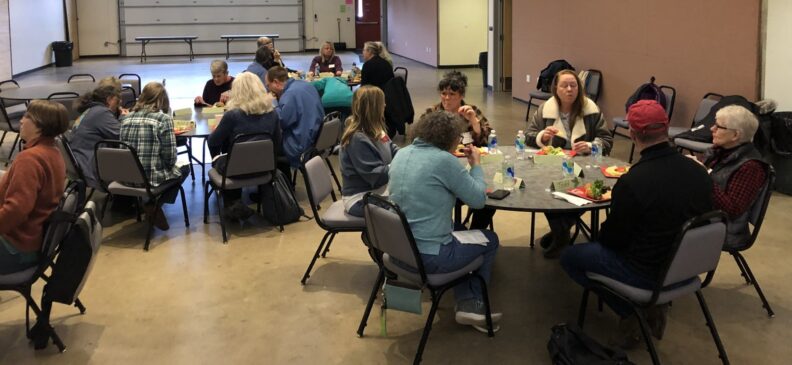
September 16, 12:00-2:00 p.m. Orientation Luncheon
October 1-March 17 Online Classes
A: The integration of various topics offers a comprehensive education, encompassing both the science and art of gardening. Additionally, it equips participants with the necessary skills to effectively disseminate this knowledge within the community. This approach underscores the program’s dedication to science-based education and sustainable practices. As a result, graduates of the WSU Extension Master Gardener Program possess a solid horticultural foundation and the confidence to engage in community education and outreach.
A: Be prepared to spend 6-8 hours per week studying for Green School and labs.
A: Online learning through the software program called Moodle. The in-county labs will be in-person training with local experts and local certified Master Gardeners.
A: Upon completing their training, trainees transition into interns. As interns, they volunteer alongside certified WSU Extension Master Gardeners, enhancing their knowledge and skills while gaining comfort in community education and program participation. To earn WSU Extension Master Gardener certification, intern volunteers must contribute a minimum of 40 hours of volunteer time.
A: After achieving certification as a WSU Extension Master Gardener, you commit to volunteering for a minimum of 25 hours annually and completing at least 10 hours of ongoing education. At the end of each year, if you’ve met these requirements, your continued interest in the program is confirmed by submitting a straightforward re-application form. There is no fee associated with annual re-application.
A: Applicants to the WSU Extension Kittitas Master Gardener Program must meet the following criteria:
- Be at least 18 years of age.
- Possess a strong volunteer ethic and an interest in gardening (prior gardening experience is desirable but not required).
- Commit to participating in the WSU Extension Master Gardener Basic Training course, including completing the final exam with a minimum score of 80% and achieving an overall average score of at least 80% on all quizzes.
- Complete a final short presentation or research paper.
- Engage in the WSU Extension Master Gardener Program training.
- Be available to perform volunteer work as needed by the WSU Extension Kittitas County Master Gardener Program.
- Agree to use technology such as email, learning platforms, and the volunteer database.
- Pledge to contribute a minimum of 40 volunteer hours during the training year, which includes Clinic orientation.
- Commit to donating a minimum of 25 volunteer hours each year after completing the training.
- Earn a minimum of 10 hours of Continuing Education annually after training.
- Document volunteer hours each month using our electronic database, GivePulse.
- Sign a Pest Management Recommendation Agreement and a Code of Conduct Agreement.
- Complete Child Protection Training.
- Agree to follow Kittitas County Master Gardener guidelines as outlined in the County Handbook.
Automatic recertification each year is not guaranteed; every volunteer must reapply to the program annually. There is no fee associated with re-applying
Important Dates
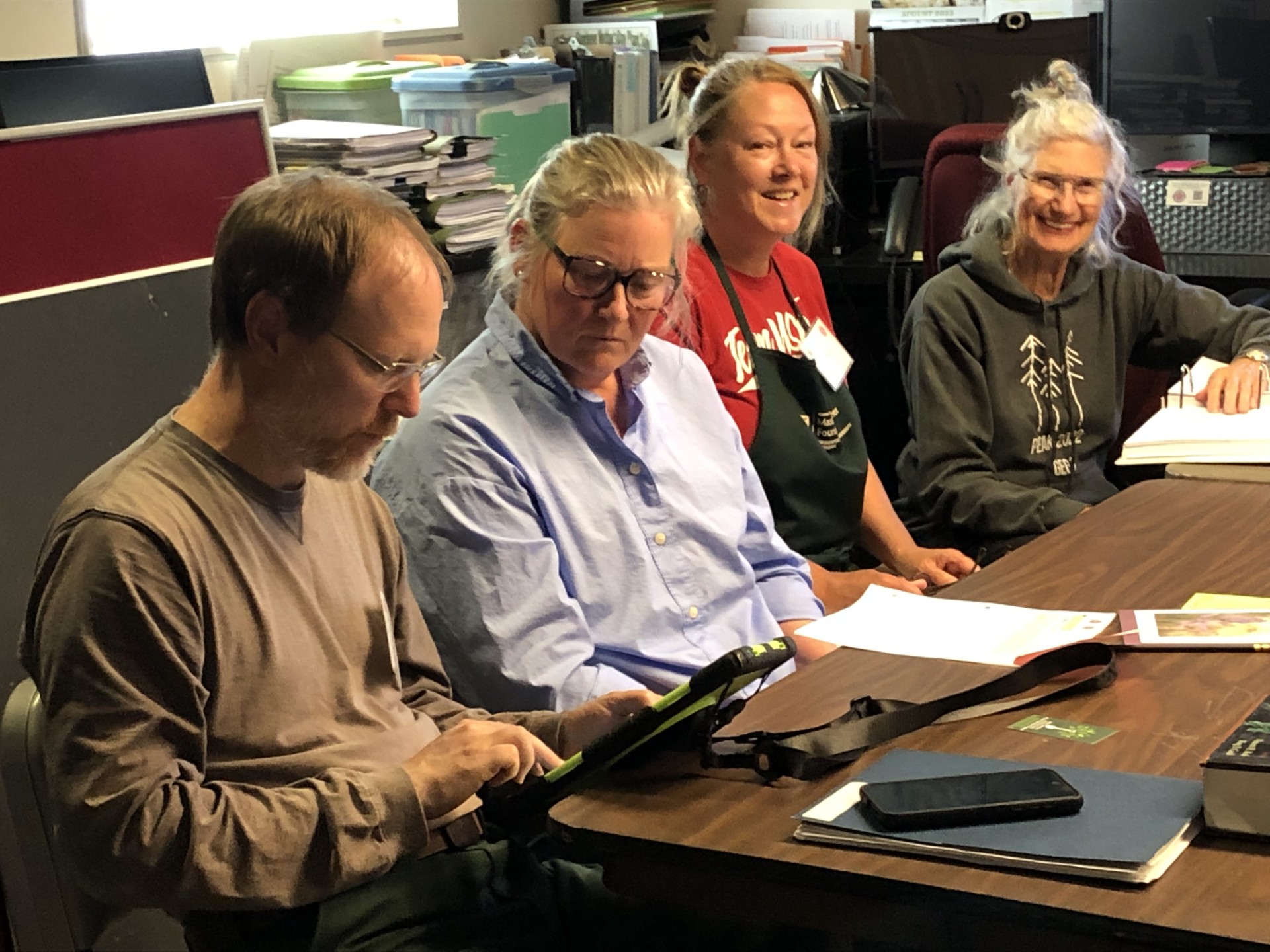
If you’re passionate about gardening and want to make a positive impact, participating in the WSU Extension Master Gardener Program can be a fulfilling and educational experience. It’s an excellent opportunity to deepen your knowledge, connect with fellow gardening enthusiasts, and give back by sharing your expertise with others.