The Essentials of Composting
Community Composting
Helpful Videos to Get You Started
Know Your Compost
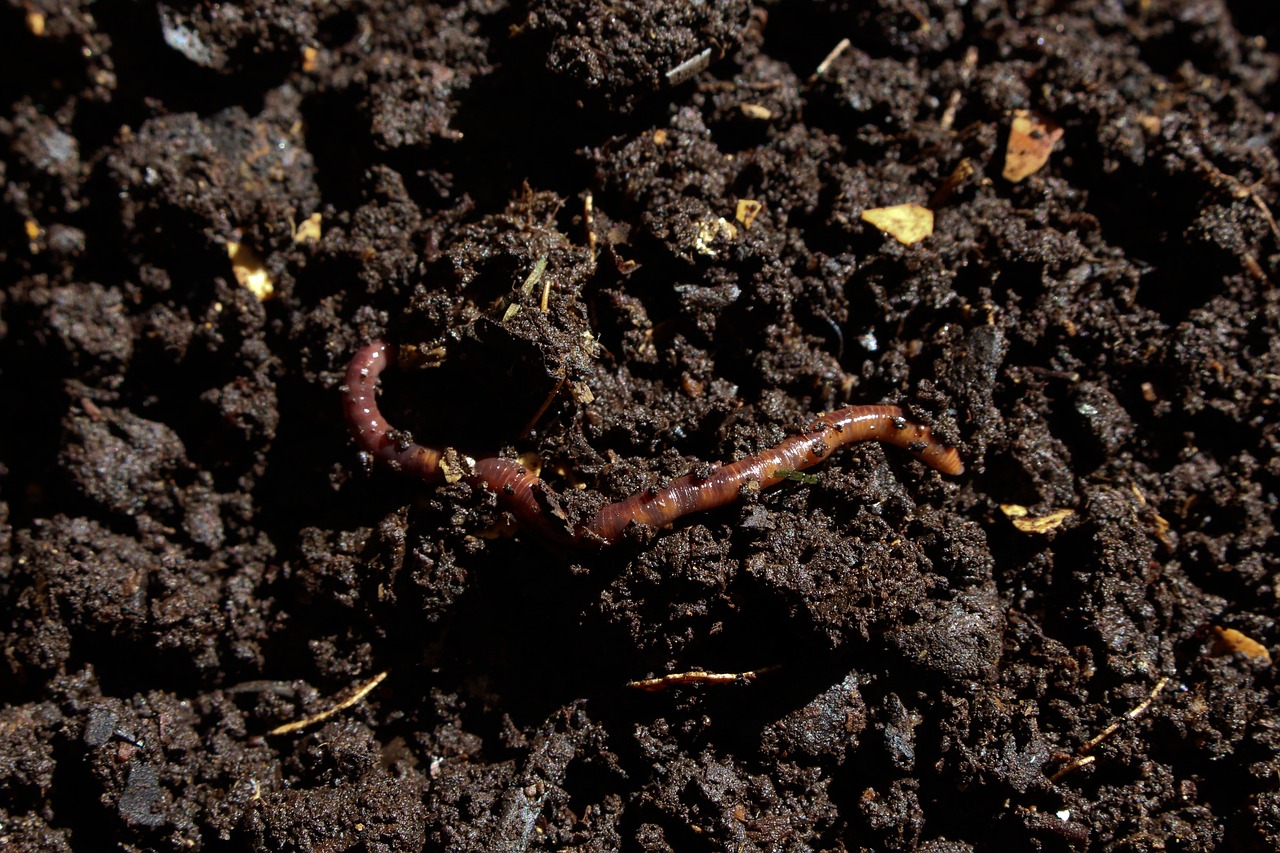
By using compost you return organic matter to the soil in a usable form. This encourages beneficial microbial and bacterial elements that plants consume. For a successful compost, you need to know what’s in the mix.
A compost heap is teaming with microbials and bacterial life that consume and helps break down the organic material. Once they start, the fungi and protozoans join in to break things down enough for bugs and worms to play their part. These are all called Decomposers.
The decomposers do a faster job of composting when you select the correct proportion of materials to compost. All organic materials contain carbon and nitrogen. The decomposers use carbon for energy and nitrogen to build protein. The relationship of these elements is called the C:N Ratio. A combonation of materials with a C:N Ratio of 30:1 creates the ideal diet for the decomposers.
The more area the decomposers have to work on the faster the materials are decomposed. Much like a block of ice in the sun – slow to melt when it’s large, but melts very fase when broken into smaller pieces. Chopping your garden wastes with a shovel or machete, or running them throw with a shredding machine or a lawn mower will speed things up.
A large compost pile will insulate itself and hold the heat of microbial activity. Smaller piles, will have trouble holding heat, and be slower to compost. If your goal is a hot, fast compost, make sure your pile is larger than three feet cubed.
Water is life, and the microbial world is no different. Your ideal heap should be about as moist as a wrung out sponge. However, extreme sun or rain can affect the moisture balance in your pile, so keep an eye on the weather.
The faster the composting, the hotter the pile. If you use materials with a proper C:N Ratio provide a large amount of surface area and a big enough volume and keep your moisture balance steady, you will have a hot, fast, compost pile. How hot and fast? WSU managed to compost a dairy cow in 6 weeks!
(Source: Spokane County Solid Waste)
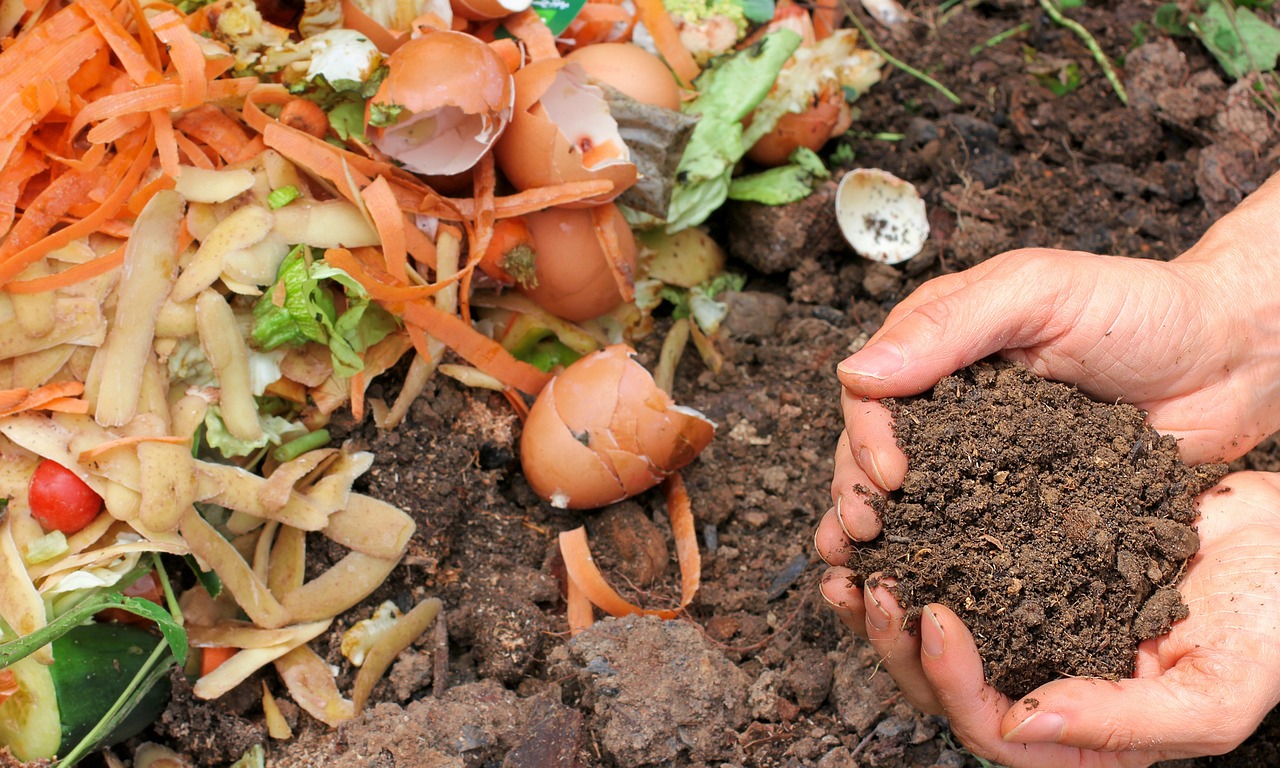
Anything that has been naturally grown can become compost.
- Grass & Leaves
- Plant Remains
- Woodchips
- Mulch
- Weeds (before they go to seed)
- Vegetable trimmings
- Fruit waste
- Coffee grounds
- Newspaper
- Sawdust
- Peatmoss
- Fresh Poultry or Cow Manure
- Egg Shells
- Dairy Products
- Fats & Oils
- Meat & Fish
- Diseased Plants
- Treated Wood
- Plastic
- Coated Paper
- Kitty Litter
- Pig Manure
- Dog Manure
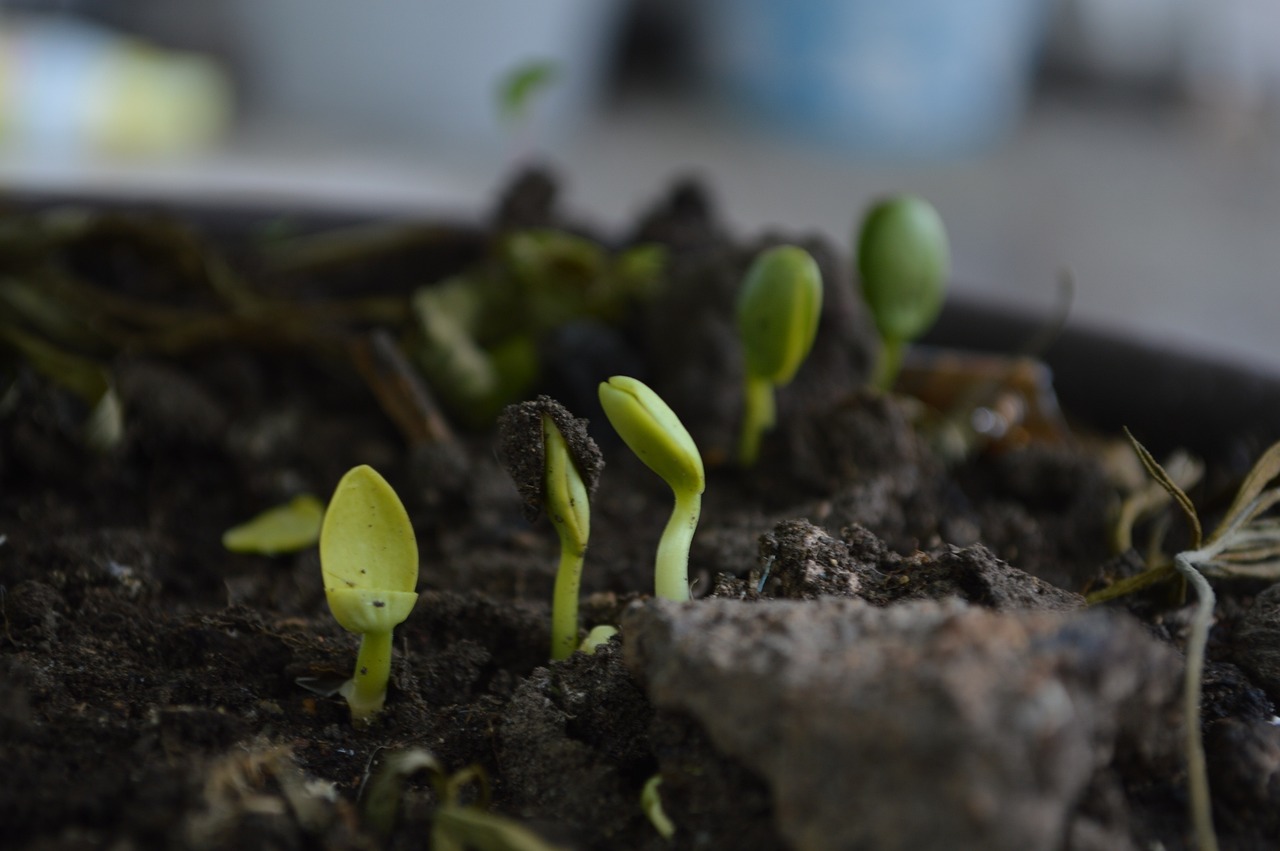
Different plants require different ratios of compost to soil.
Add about 1″ of dry, compost as a mulch in your garden and flowerbeds to retain water and protect the roots from extreme weather.
Sprinkle a up to 2″ compost on top of the soil in your yard, flower beds, or vegetable beds
For potted plants and flowers, use a 50% blend of soil to compost. This gives the roots room to move while retaining moisture and nutrients.
In general, using a mix of about 20% compost to 80% soil can amend the soil with nutrients before planting can keep your soil healthy year after year.
For Lawns, you can rake some into your established lawn, or for new lawns, put down about 2 inches of compost, and till it into the first few inches of soil before planting your new grass (Source: Minnesota Pollution Control).
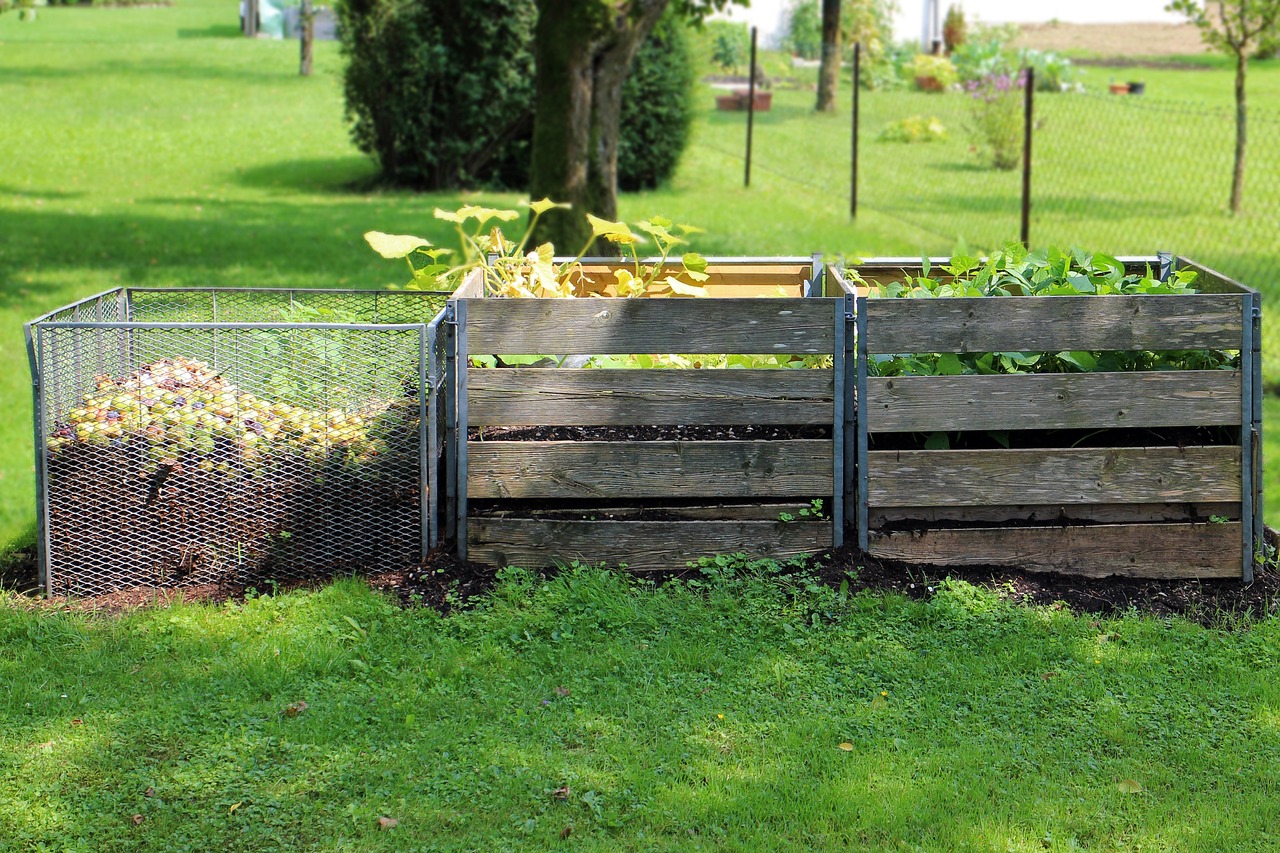
Composting techniques come in many shapes and forms. The most common for urban gardens is the three bin system, or just a heap in the corner of the yard. There are other ways like Vermicomposting, Soil Incorporation and Bokashi. Explore which method is right for you.
Compost can be made without a bin, but the process is typically faster if piles are turned. This is easily accomplished using a moveable bin or series of bins like this 3 Bin System. Materials can be gathered / stored in the middle bin until it’s full. Materials are then chopped, moistened, and mixed into an end bin. Periodically, piles are turned [ moved to the next bin ] and moistened, if needed, to ensure hot compost.
Source: How to build a 3 bin system (PDF)
Vermicomposting, or worm composting, turns food scraps into a beneficial soil amendment that can be used in home gardens, landscaping, turfgrass, farms and more. Over one-third of all available food goes uneaten through loss or waste. Composting keeps food waste out of landfills where it decomposes and releases methane, a potent greenhouse gas.
(Source: USDA)
The advantage of Vermicomposting is that is more efficient, and produces high quality soil for use sooner than normal composting.
The disadvantage is that it’s a little smelly, and you have to protect your worms from extreme temperatures.
Also, you will need to be more vigilant about keeping weed seeds out of the bin. In a regular compost pile, the heat can get high enough to destroy the seeds. But with Worms, the seeds might survive to grow again another day.
Watch the worms in action with this amazing video from the Micropolitan Museum
Bokashi technically isn’t a composting method because it anaerobically ferments food rather than decomposing it. Bokashi bran, a mix of bacteria and yeast, breaks down food with very little odor (smells a bit like pickles) and doesn’t create harmful emissions. Meat, cooked foods and dairy can be processed in a bokashi bucket and kill off pathogens and weed seeds due to its high acidity. The fermenting process also creates a leachate of beneficial bacteria that can be poured down the drain to prevent blockages, used to prevent algae or diluted to use as fertilizer.
Unlike other composting methods, bokashi has a continuous cost due to the need for bokashi bran, but this method takes up very little space, has a faster turnover time and can process materials that other methods cannot.
The simplest method of composting, is digging a hole, and making sure everything is buried at least 8″ below the surface. The following year, this space will be a healthy space to plant a garden.
The disadvantage is that some nutrients will be lost due to lack of air. Also, rodents and dogs can become a problem if things are buried less than 6″ deep.
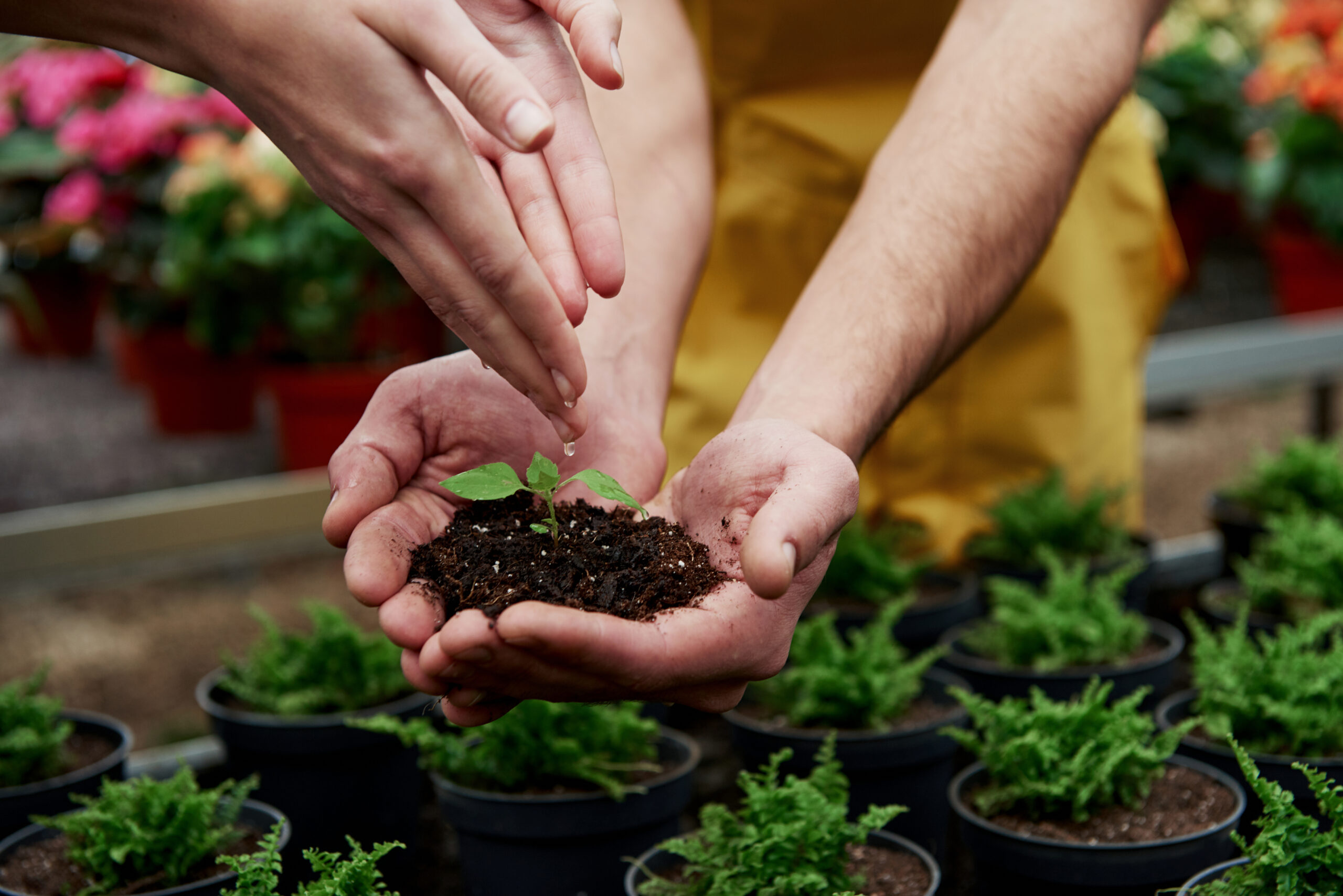
- Does your soil pass the USDA Unaware test?
- DIY Soil Testing (PDF)
- Figure out what kind of soil you have with the interactive USDA Web Soil Survey map
- Encourage Soil Health with Soil Amendments (PDF)
- If compost is smelly
- Not enough air or too much nitrogen
- Solution: Turn it and add brown, dry, crispy material
- Compost is damp & warm in the middle but nowhere else
- Pile is too small
- Solution: Collect more materials and mix the old ingredients into the new pile
- The heap is damp and sweet-smelling but still will not heat up
- Lack of nitrogen
- Solution: Mix in nitrogen sources like fresh grass clippings, bloodmeal or ammonium sulfate.
- The center of the pile is dry
- Not enough water
- Solution: moisten materials while turning the pile.
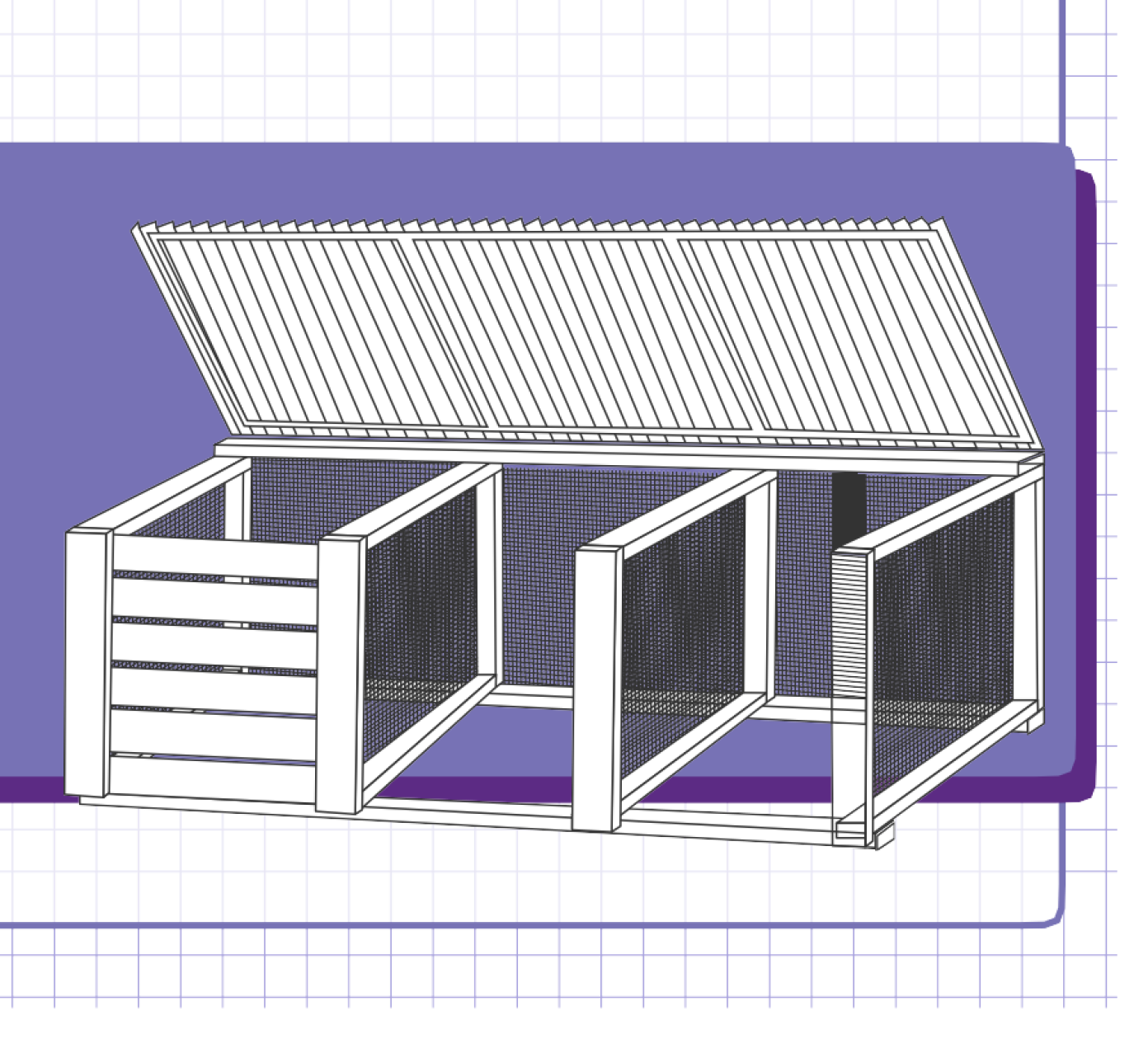
- Written Instructions for a DIY 3 bin system (PDF)
- COMING SOON! Video Instructions (YouTube)