The North Pennines National Landscape hosted a Nature Camp weekend campout (as part of “Nature Fest”) at Low Way Farm in June 2025. This was a great way to get kids interested in traditional farming practices and wildlife in the North Pennines, which has been classed as an Area of Outstanding Natural Beauty. We had fun and learned a ton in the pastures, hay meadows, on the riverbank, and in the woods.
Activities at the Nature Camp included:
- River dipping (catching freshwater inverebrates)
- Meet the farmer
- Woodland native tree and wildflower identification walk
- Bat detectors and moth trapping
- Wandering through the wildflower meadows
- Arts and crafts
- Immersive morning bird song walk with sound recording artist
- Nature cinema (watched Farming on the Edge, and Love + Soil -> https://youtu.be/U7Jl_FJBQHY)
A farm-oriented Nature Fest and Nature Camp was a great way to bring kids onto the farm for more than a casual 1-2 hr visit. With two days, kids can make friends, run around in the fields, catch insects, enjoy unstructured time climbing on a fence or chasing each other, and participate in plenty of fun educational activities. It is an experience that will stick with them for years to come.
Moth Trapping
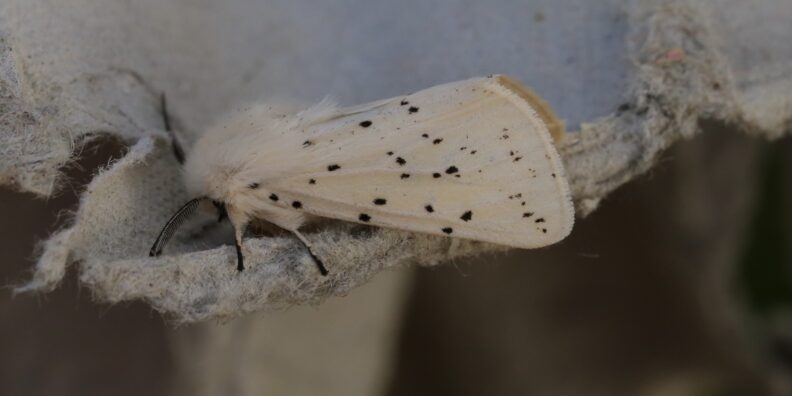
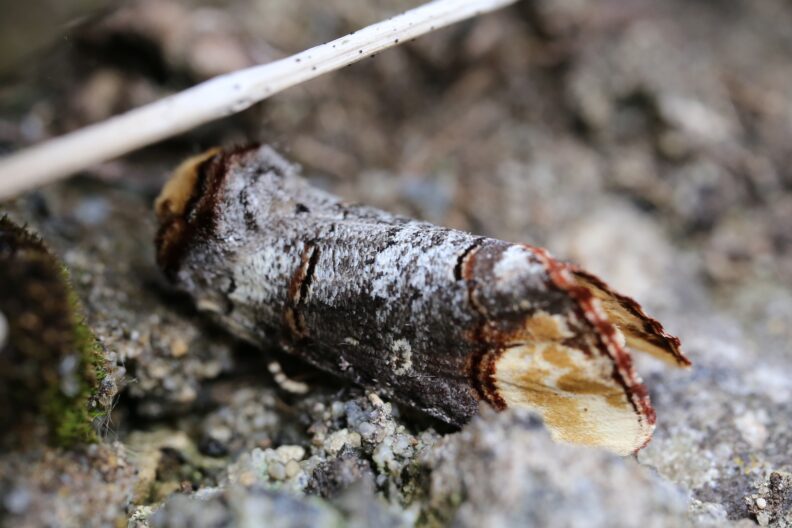
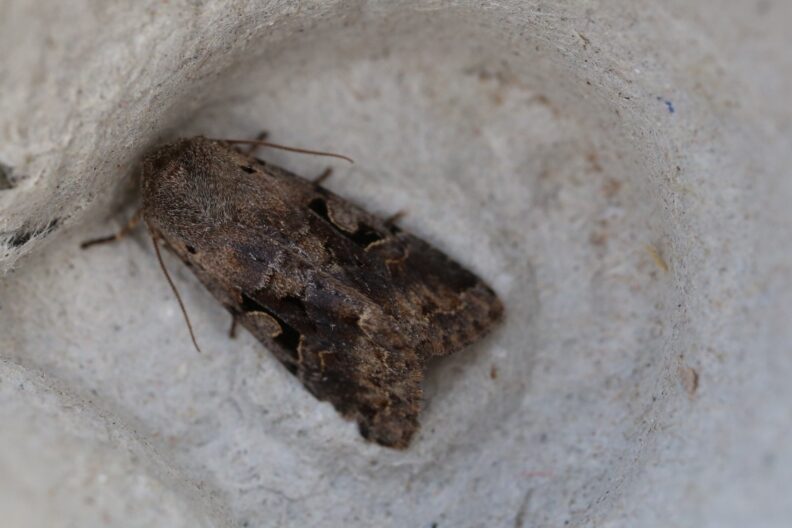
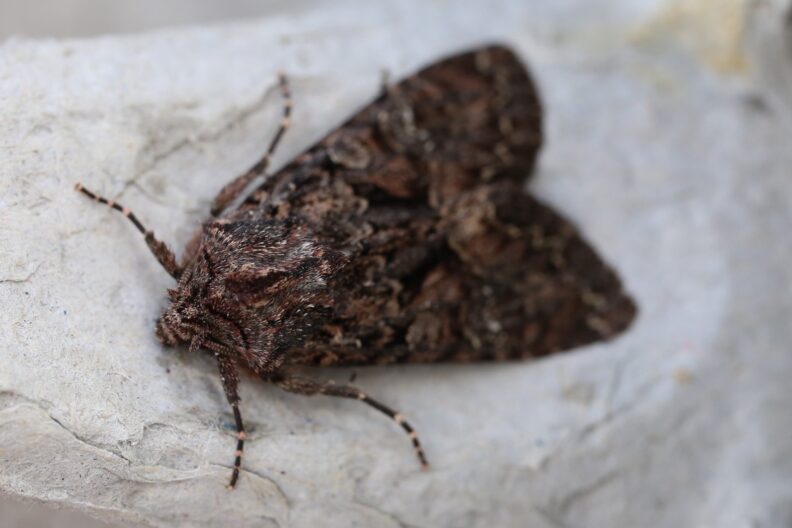
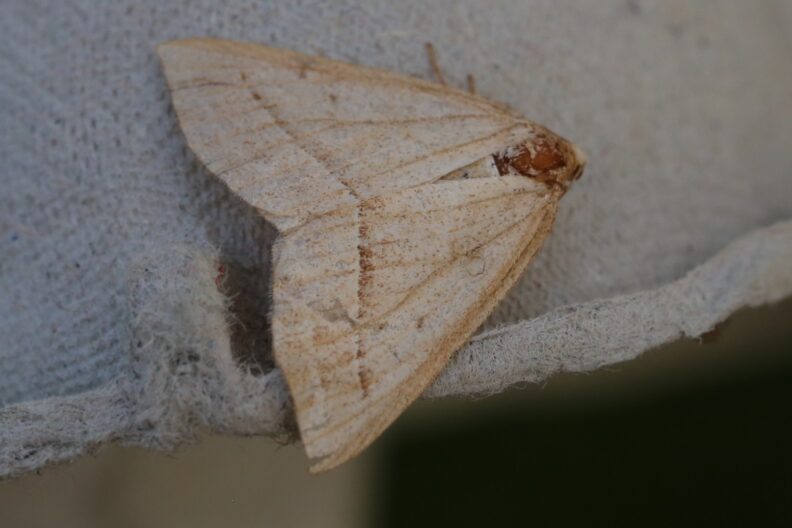
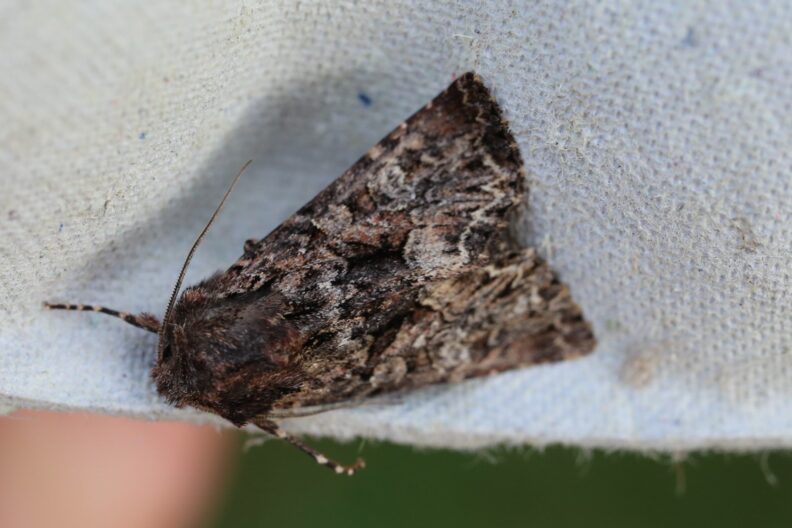
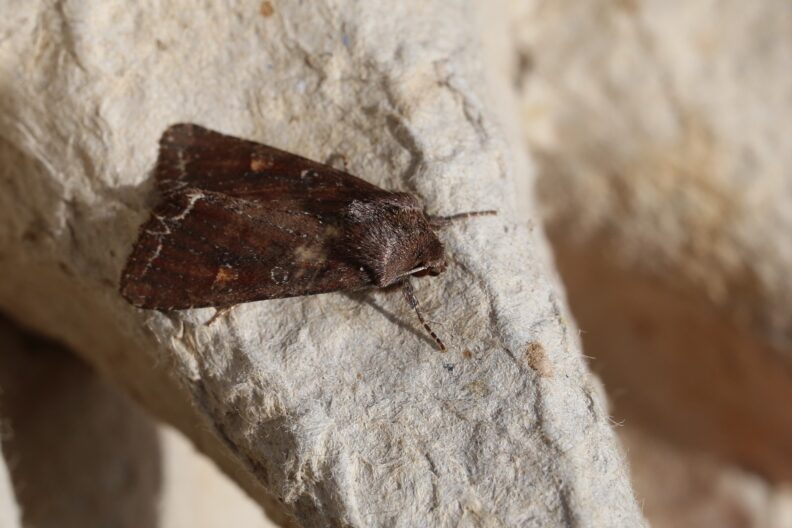
One activity was moth trapping. Low Way Farm is managed for “High Nature Value” grasslands, meaning they do without fertilizer, use minimal to no spot-spray herbicides, delay hay cutting until mid July when many wildflowers have set seed and birds have nested and fledged, and encourage increased species diversity through species-rich hay transfers and plug planting. The farm is bursting with wildlife as a result, and we saw this through the great diversity of moths trapped overnight. With lots of “oo’s and ah’s” from kids, we sorted and identified 16 moth species that were casually collected overnight. We had the help of bird conservation expert (and author) and adept moth enthusiast Carol Inskipp to help us.
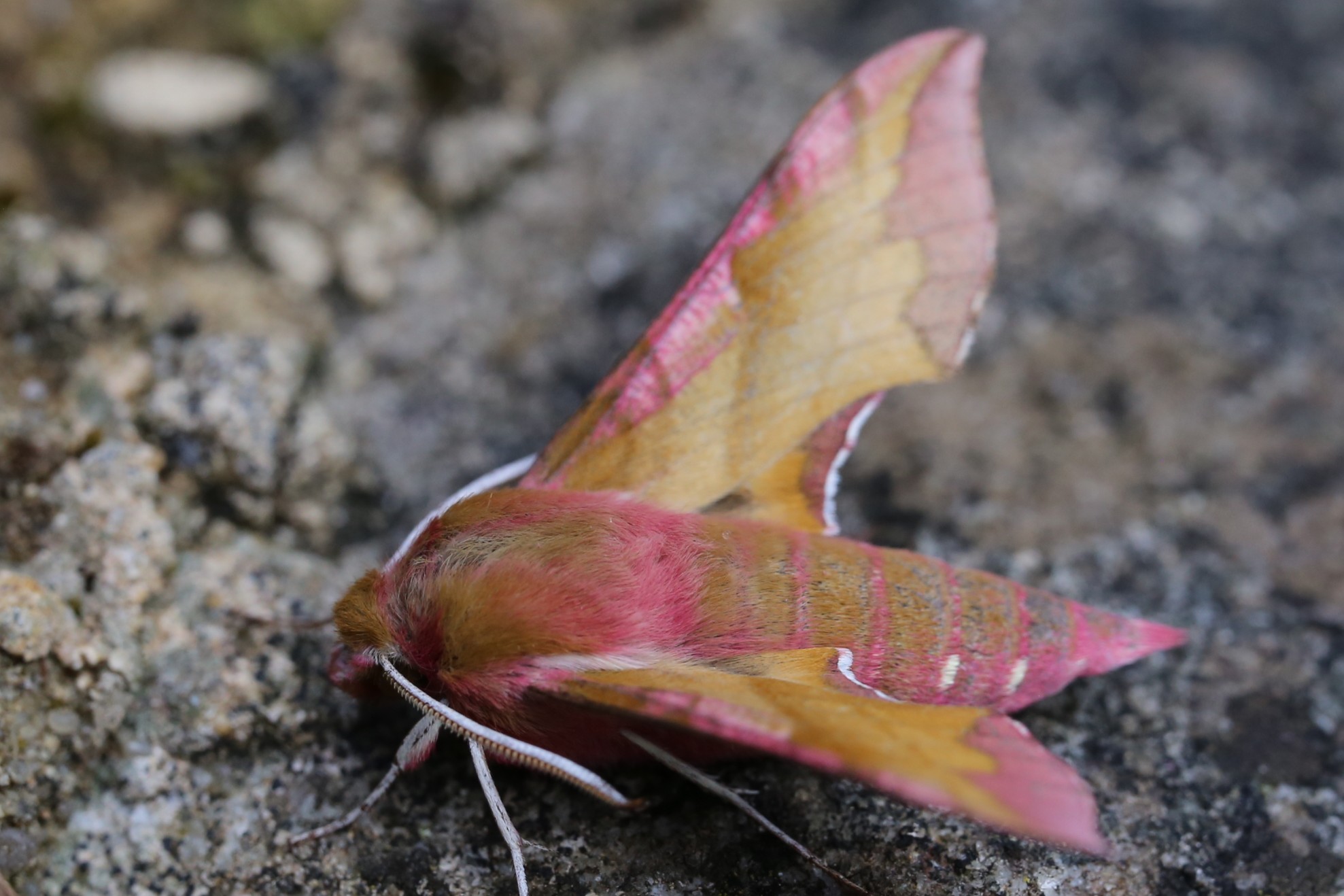
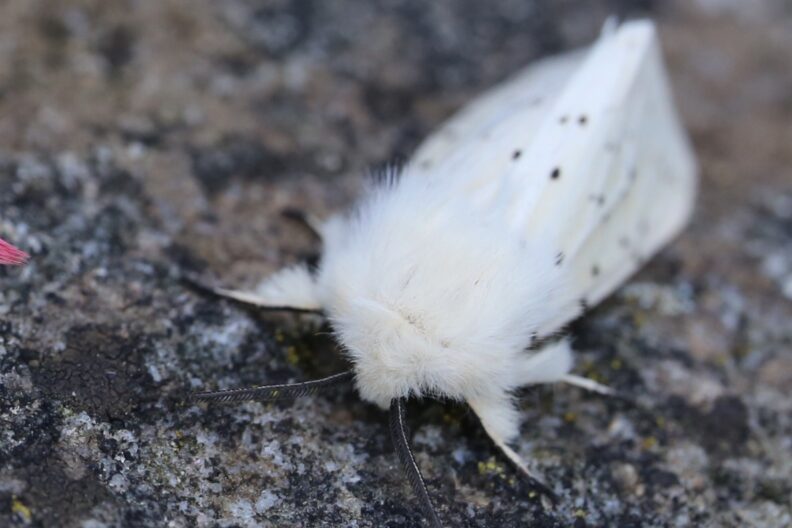
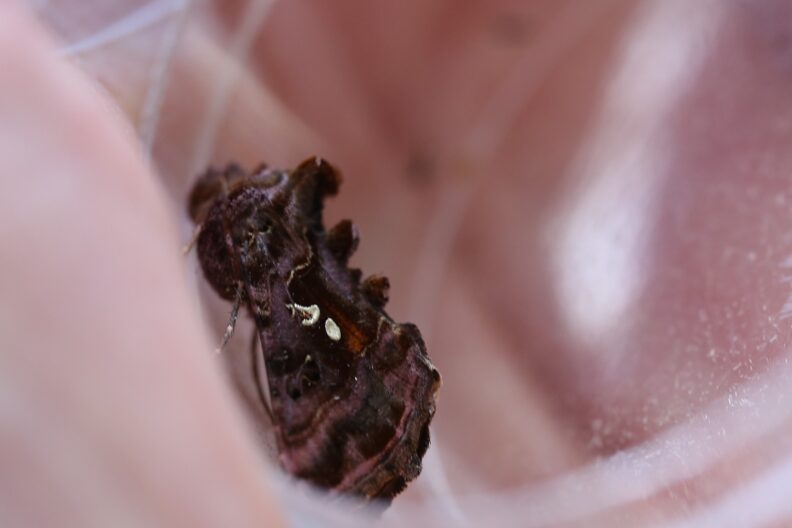
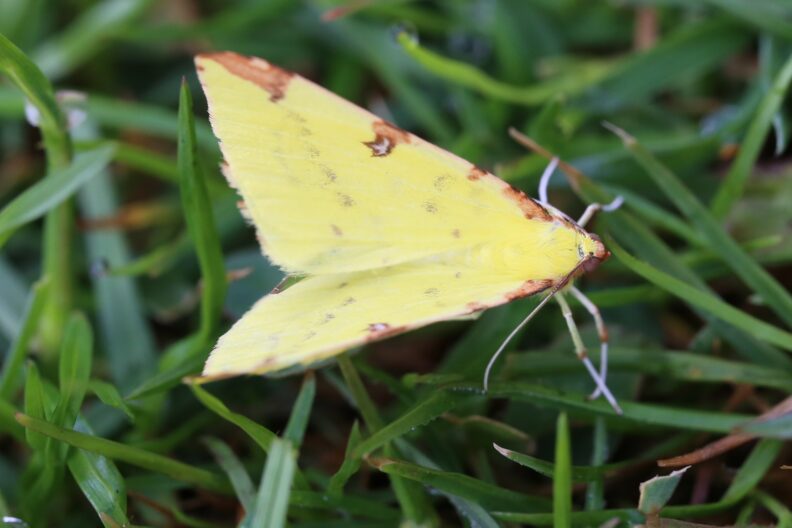
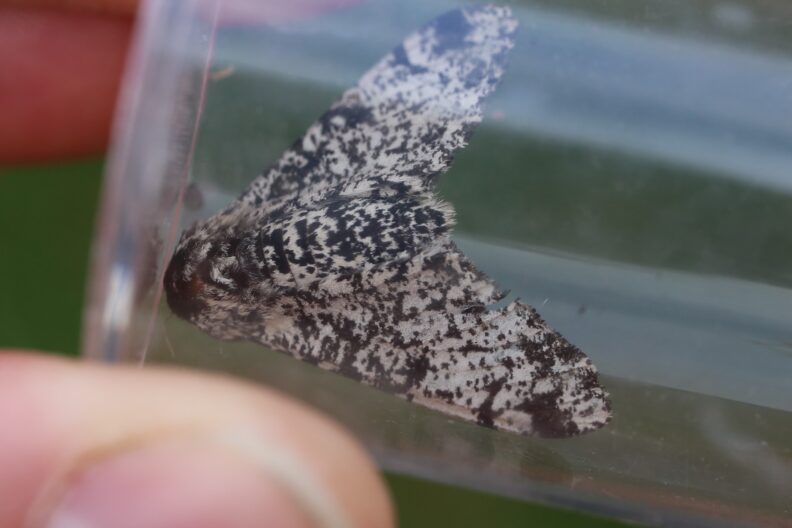
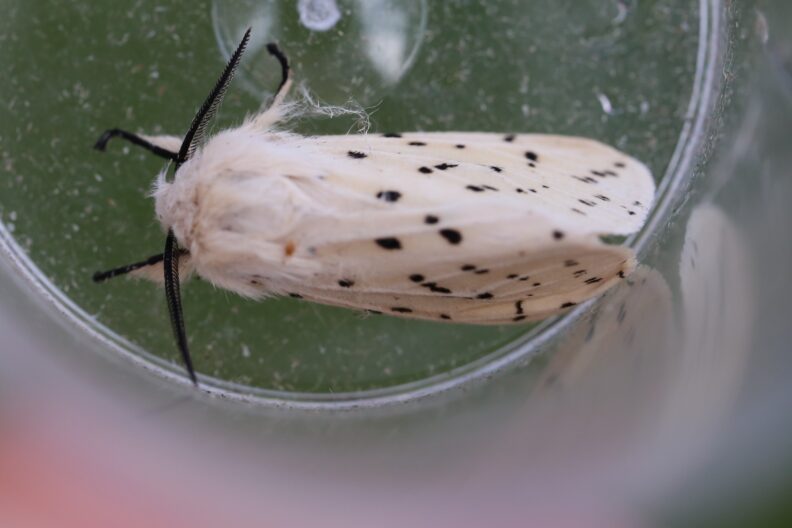
A list of the moths we caught with Carol’s help, (pictures below as well):
- Buff-tip 1
- Coxcomb Prominent 1
- The Shears 2
- White Ermine 5
- Buff Ermine 1
- Dark Brocade 4
- Pale-shouldered Brocade 1
- Beautiful Golden Y 2
- Common Swift 1
- Bright-line Brown-eye 2
- Brown Rustic 1
- True Lover’s Knot 1
- Peppered Moth 1
- Cloudered-border Brindle 1
- Broom Moth 1
- Hebrew Character 2
Resources
- Website on how to trap moths for identification: moth trapping. Be sure to be very gentle with the moths, and let them go after identification. If they are getting active while you are identifying them in the morning, you can put them in the refrigerator to slow them down again. They will recover just fine.
- The Lady Bird Johnson Foundation Moths of North America
- Xerces Society, For the Love of Moths
- North Pennines National Landscape homepage