
Ask a Master Gardener

We’re trained to help you!
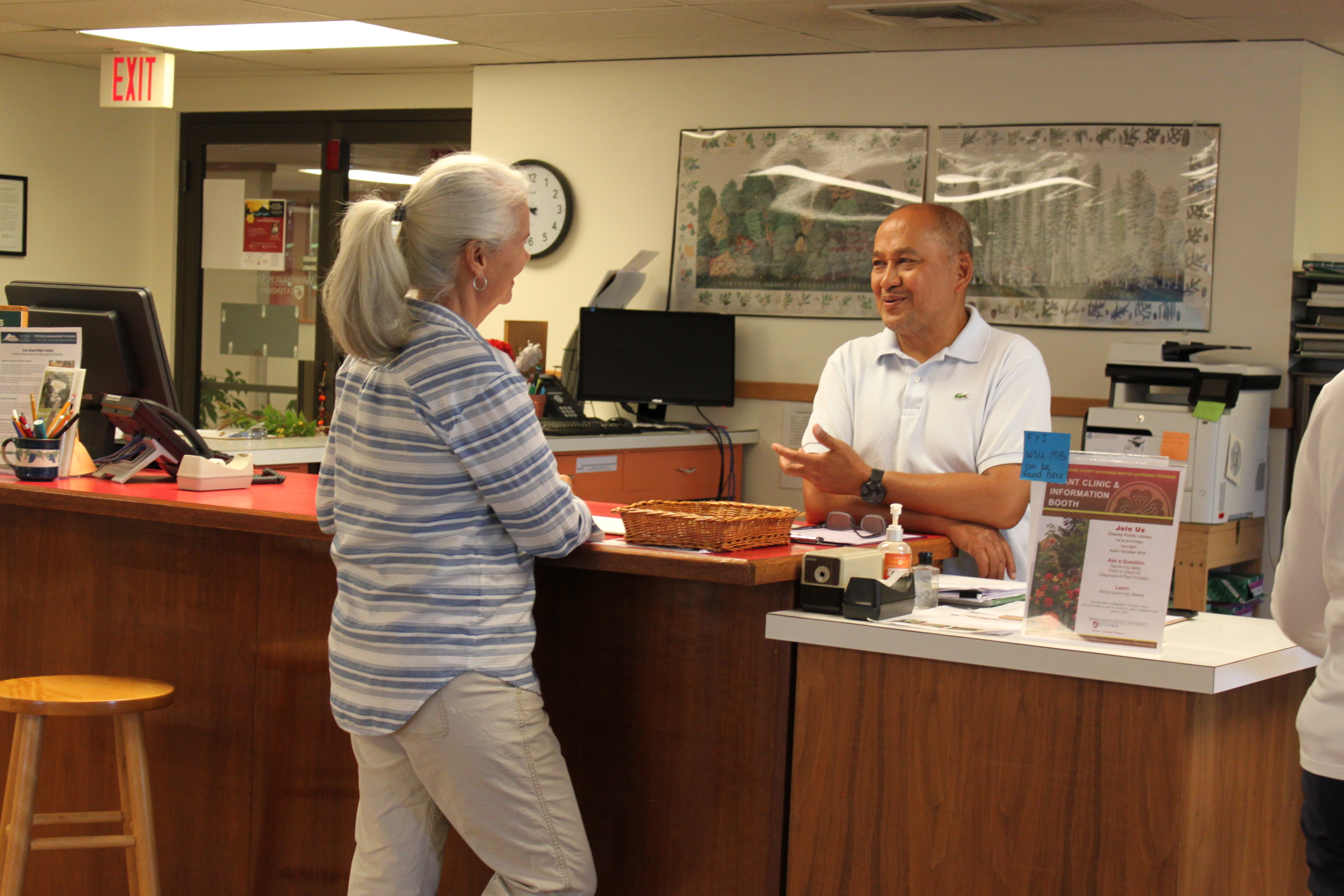
Whether it’s a pest infestation or something unknown destroying your beloved plants, certified Master Gardeners are available to answer your questions or provide advice. We will assist you with your gardening mysteries and offer research-based information.
More Information
Master Gardener Plant Clinics
328 W Poplar, Walla Walla
April through September.
Tuesdays and Thursdays
9:00 AM – 11:00 AM
2:00 PM – 4:00 PM
Walla Walla Downtown Farmers Market
106 W Main St, Walla Walla
2nd and 4th Saturday
9:00 AM – 1:00 PM
Ask a Master Gardener

Gardening advice via email
If you have a gardening issue and cannot get to one of our in-person plant clinics, you can submit your question via email. Just take a picture of the issue and fill out the form below.
Hortsense
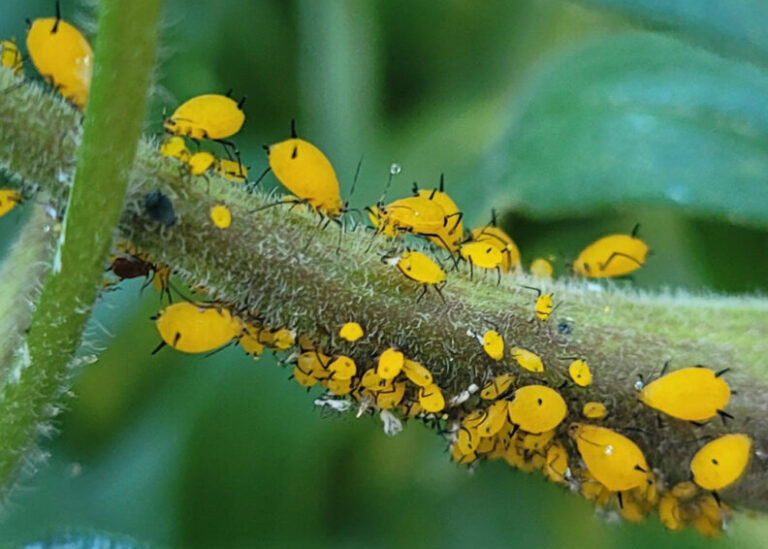
Hortsense contains home gardener fact sheets for managing plant problems.
Other gardening resources
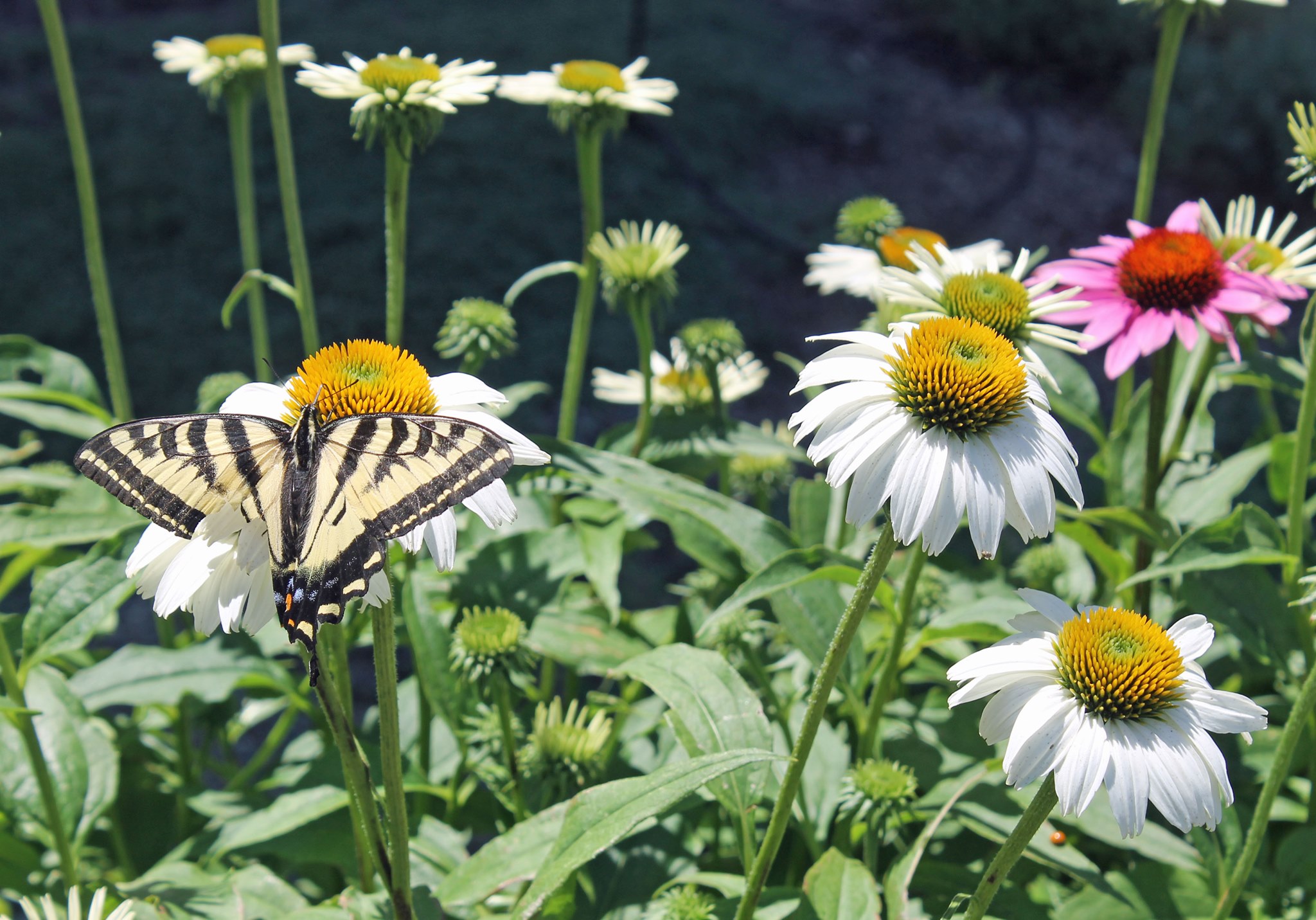
Find publications and links to a vast library of gardening resources.
<Optional carousel of top weeds or pests in your area>

Bittercress (a.k.a.: Shotweed)

Dandelions

Horsetail
Bittercress (a.k.a.: Shotweed)
Dandelions
Horsetail
Preparing Samples
Adapted from Spokane County Extension C083
Good sample collecting and handling are necessary to obtain an accurate diagnosis and/or identification of plants and insects. Prepare samples as per instruction for sample type and purpose. Following these steps on how to package and store plant samples will help ensure samples arrival to WSU Walla Walla County Plant Clinic in good condition.
- Bring the freshest sample possible. Store samples in a refrigerator prior to transport to the Clinic.
- Label the sample container with your name and date sample was collected. Fill out the proper diagnosis form for your sample type.
- Bring your sample to the Walla Walla County Extension Office, 328 W Poplar, Walla Walla. Samples are welcome at the Extension Office any time during regular business hours- Monday – Friday 9:00 AM – 12:00 PM and 1:00 PM – 5:00 PM.
Master Gardener Plant Clinic is open
Tuesday and Thursday
9:00 AM – 11:00 AM
2:00 PM – 4:00 PM
April – September
- Carefully collect insect specimens (live specimens are better)
- Place insect(s) in either small vial or bottle with secure cap.
- Place large adult moths and butterflies cushioned in a box or jar with cotton to minimize damage.
- Bring a representative sample of any affected plant material associated with the insect pest if possible.
- Place plant sample material in a separate container or bag.
- Store samples in your refrigerator until ready to bring into Plant Clinic.
- If it is not practical to bring the entire plant, try to bring plant parts or images that show the various stages of the problem:
- a part showing the early stages of the disease,
- a part that is severely affected, and
- a healthy part, if available.
- Place a dry paper towel in the bag with leafy samples
- Where practical, dig up the entire plant including its root structure.
- Try not to pull the plant as any diseased roots will be left behind.
- Wrap the roots in a plastic bag separate from the rest of the plant to prevent soil from contaminating leaves and stems.
- Place the entire sample in another plastic bag without additional moisture, as it also may cause contamination.
- Place a dry paper towel in the bag with leafy samples.
- Tree diseases can best be diagnosed by evaluating the junction of diseased and healthy tissue. Include twigs or limbs just beginning to show symptoms, but still alive. Old, dead limbs are normally not helpful. Take multiple images of your tree showing disease, live, trunk, branches, and entire tree.
- Store samples in your refrigerator until ready to bring into Plant Clinic.
- Cut a turf square approximately 4-inches across and as deep as the roots will hold soil. Leave the soil intact. (Plugs from 1″ diameter soil probes do not allow enough of a sample).
- Bring three or four specimens each representing a different stage (healthy, slightly affected, and heavily damaged).
- Store samples in a refrigerator until ready to bring into Plant Clinic.
Plants/weeds are identified in many ways. The most useful plant parts are flowers, fruits, leaves, buds, and young stems. Because some ornamental plants have many varieties, it may not be possible to determine the exact variety without the flower.
- Collect as many plant parts as possible. Flowers, fruits/seeds, leaves, stems, buds and roots may aid in identification.
- Where practical, dig up the entire plant including its root structure.
- Place the plant specimen in a plastic bag along with a dry paper towel (don’t add water) and seal.
- Store samples in your refrigerator until ready to bring into Plant Clinic.