2025 Lynden Ag Show

UPDATED INFORMATION: Certification and Training (C&T) Rule Changes and Your Pesticide License
Meeting to Discuss Upcoming Changes to WSDA Applicator Licenses
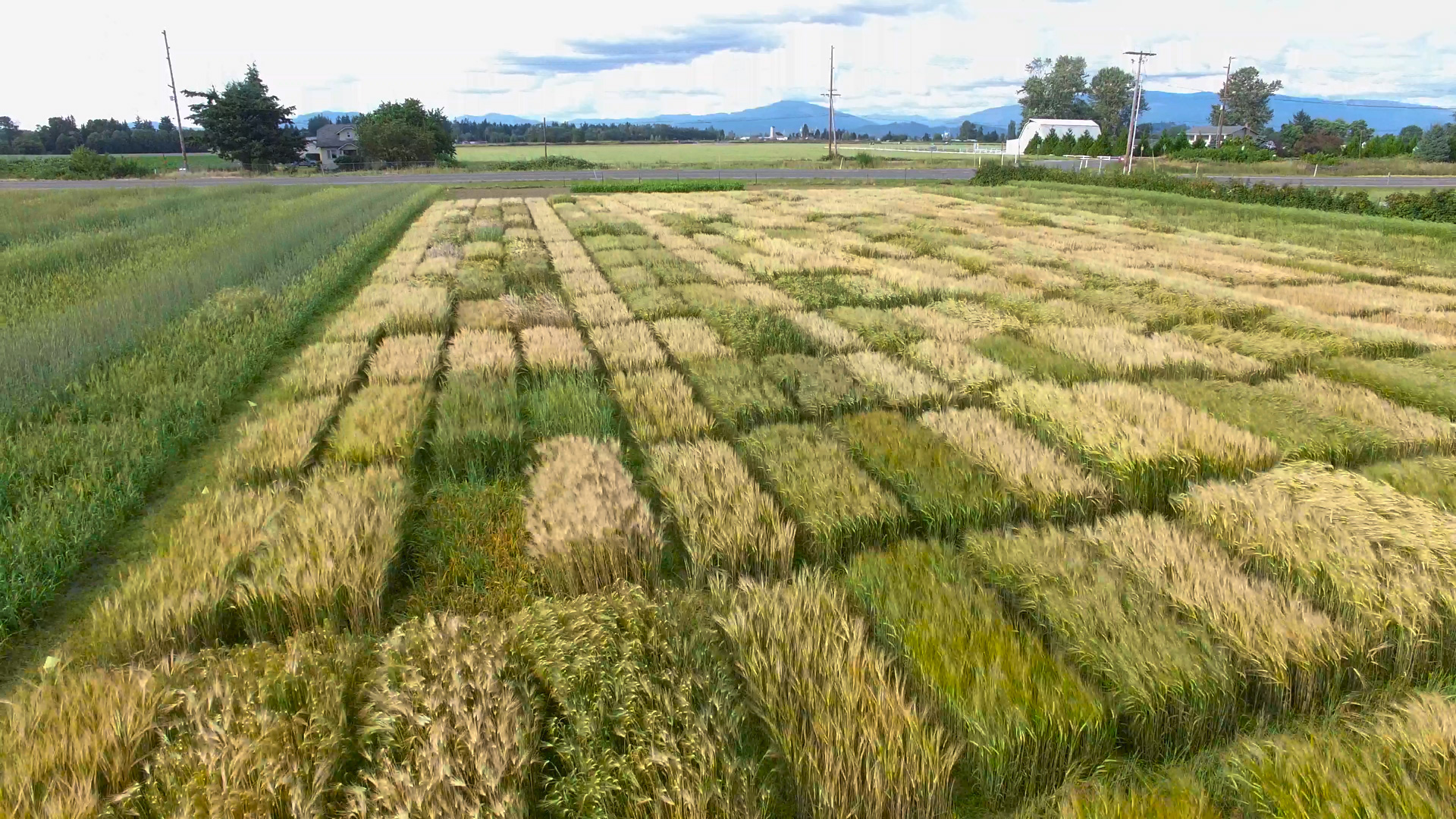
Results from WSU Grain Variety Testing Program
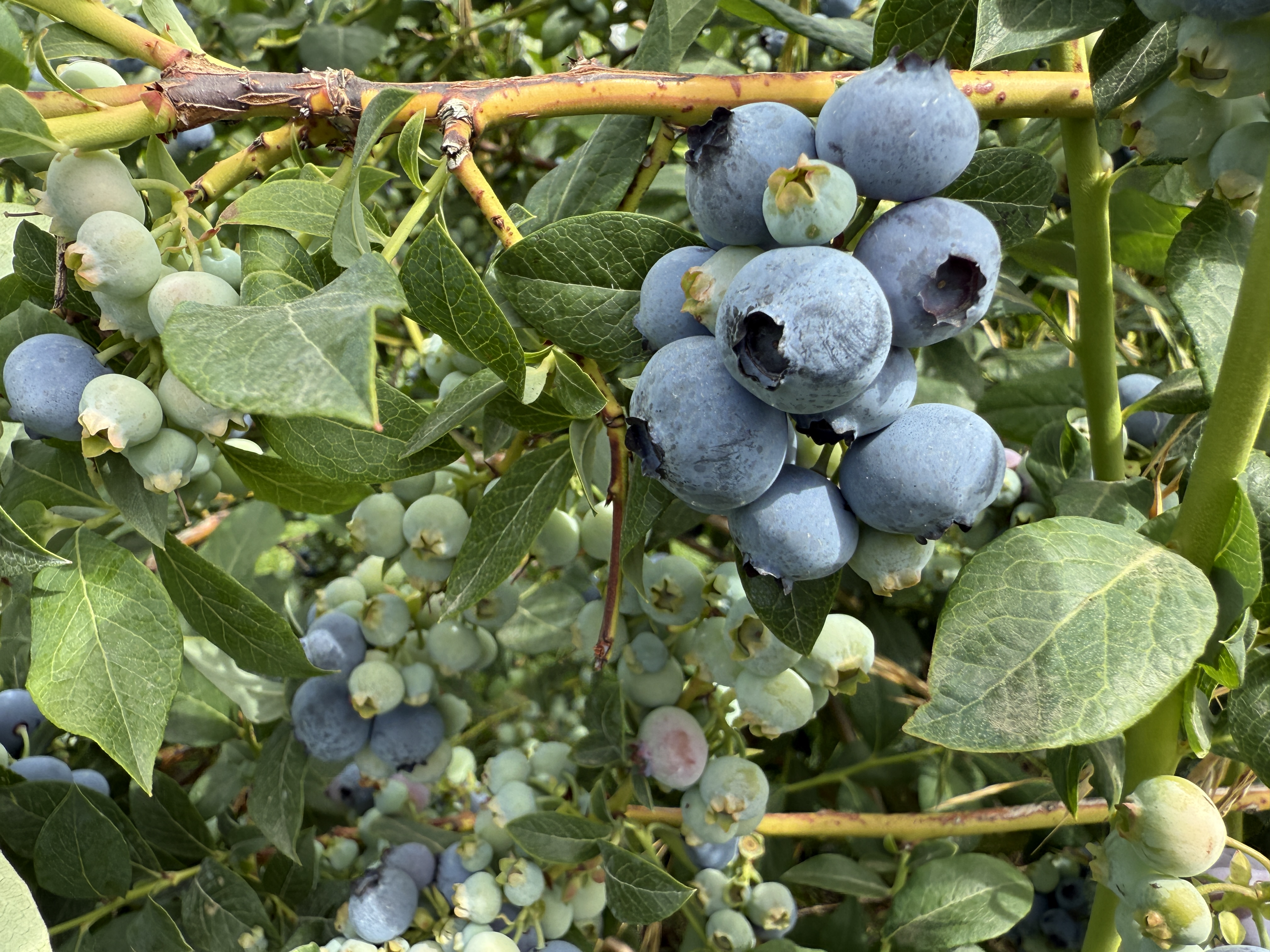
Berry Field Day
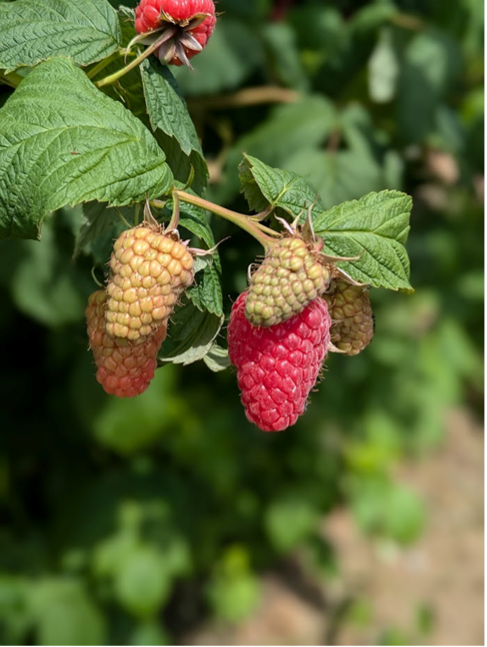
Exploring the linkages between calcium and fruit quality in red raspberry
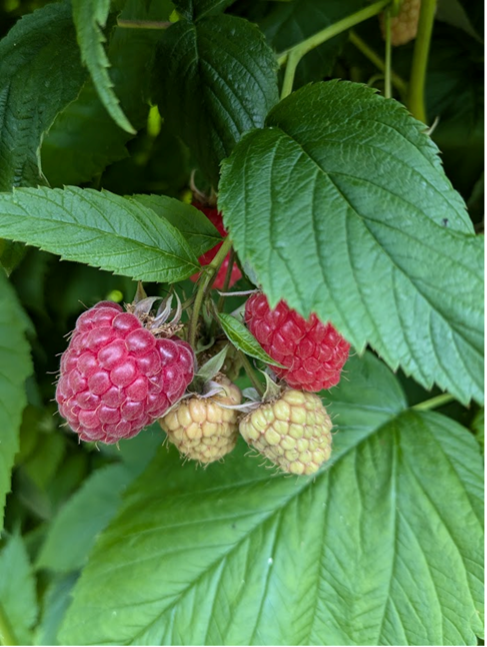
Preserving the Pacific Northwest’s Berry Big-footprint
From Sensor to Solenoid: Using LoRaWAN for Heat Stress Mitigation in Raspberries
Authors: Shafik Kiraga, Givemore Munashe Makonya, Mohammed A. Youssef, Troy Peters, Lisa Wasko DeVetter In Washington State and the Pacific Northwest, raspberry harvest typically falls within the hot summer months spanning from early June through early August. This is a period that increasingly overlaps with heatwaves that can damage the fruits. During these heatwaves, automated […]
Blackberry Diversity Trial: Preserving Pacific Northwest Production
Contributor: Katherine Anderson, WSU Undergraduate Intern In 2021 extreme weather resulted in a Heat Dome event occurring over the Pacific Northwest, during which the Oregon blackberry industry lost over 57% of their crop due to consecutive days where temperatures reached over 115 degrees Fahrenheit. The Willamette Valley in Oregon was one of those areas hardest […]
Drones and Heat: Harnessing UAVs for Heat Stress Research and Management
Contributor: Katherine Anderson, WSU Undergraduate Intern Acknowledgements: Special thanks to Dave Bryla, USDA-ARS Research Horticulturist, for contributing to this article. UAVs, otherwise known as unmanned, uncrewed, or unoccupied aerial vehicles, are perhaps best known for their aerial photography and videography capabilities. But they are also used in a variety of applications, including heat sensing and […]
How Does Heat Impact Blueberry Pollination, And Why Does It Matter?
Author: Micah Evalt, WSU Graduate Student in DeVetter’s Small Fruit Horticulture Program at WSU NWREC Anyone living in the Pacific Northwest (PNW) will surely remember the “heat dome” experienced in late June of 2021, a weather event that lasted for a few days, breaking daily high temperature records in Washington, Oregon, northern California, and several […]
Preserving the Pacific Northwest’s Berry Big-footprint
Contributor: Katherine Anderson, WSU Undergraduate Intern Washington is known for its berries, including raspberries. The Evergreen State is responsible for a whopping 95% of processed red raspberry production[1]. The typically mild winters and summers of northwest Washington have historically been well-suited for small fruit production. However, as summers become hotter, production suffers. The heat dome […]
El Niño & La Niña: How they impact risks of heat injury in the United States
Contributor: Katherine Anderson, WSU Undergraduate Intern El Niño and La Niña are the warm and the cool phases of a natural climate pattern across the tropical Pacific known as the”El Niño-Southern Oscillation (ENSO). While we often hear about El Niño and La Niña, ENSO on its own is significant from a climate perspective given its […]
Ensuring Photosynthetic Health with Chlorophyll Fluorescence Measurements
Contributor: Givemore Munashe Makonya Plant photosynthetic health is an important part of producing high yielding and quality crops. A reliable approach to quantify photosynthetic health is by measuring chlorophyll fluorescence, which is the re-emission of red wavebands by chlorophyll molecules in plants. This occurs during photosynthesis and serves as a key indicator of plant vitality. […]
Understanding Heat Tolerance Variations in Caneberry Genotypes
Contributors: Wendy Hoashi-Erhardt and Michael Hardigan Breeding for heat tolerance is a crucial approach to beat the heat and overcome the challenges of high temperatures in agriculture. The heat tolerance of caneberry cultivars varies due to their genetics. In the Pacific Northwest, Michael Hardigan, a research geneticist at the United States Department of Agriculture in […]
Identifying Plant Stress Using Photosynthesis Measurements
Contributor: Givemore Munashe Makonya Measuring photosynthesis provides an insight into how plants respond to changing environmental conditions. But before delving into the specifics, let’s clarify what is photosynthesis and what it truly entails. Essentially, photosynthesis is the conversion of light energy into chemical energy, producing sugars that fuel plant growth and make raspberries and blackberries […]
Staying Cool with Evaporative Cooling
Maintaining the optimal temperature for caneberries during the summer’s hot weather is vital to minimize crop losses and ensure high quality berries. One promising method to combat the heat is the implementation of evaporative cooling systems. The principle behind evaporative cooling is harnessing the power of water to absorb ambient heat. As water molecules absorb this […]
Why is Heat an Issue for Caneberry Production?
Raspberry and blackberry consumption, collectively called “caneberries”, is at an all-time high as consumers gain awareness of the health-promoting attributes of these tasty fruits. The Pacific Northwest’s historically cooler summer climate used to provide an ideal environment for successful caneberry growth. However, the Pacific Northwest’s weather has started to shift due to climate change and […]