Working Riparian Lands Program
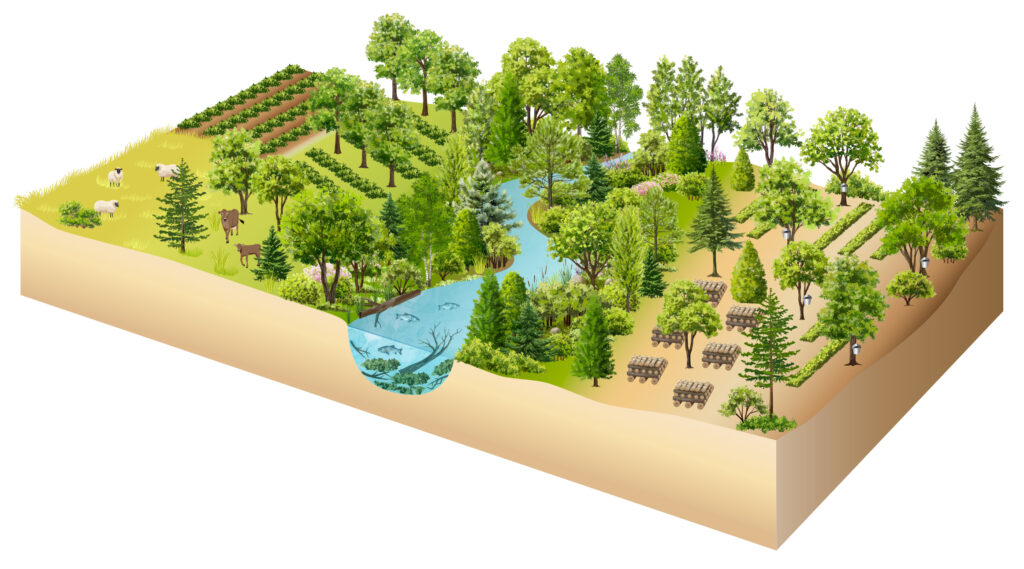
The Working Riparian Lands Program is a WSU Extension initiative to develop knowledge and resources related to riparian agroforestry for private farm and forest owners, tribes, and other land managers. The Working Riparian Lands Toolkit includes topical webpages, publications, webinars, budget tools, planting designs, and more.
Habitat that Works
Restoring and preserving riparian habitat improves water quality and supports the life cycles of multiple wildlife species, including threatened or endangered species of salmon. Private farm and forest owners manage low elevation lands that encompass waterways with critical fish habitat. Riparian buffers, which are strips of forest vegetation that are planted or preserved along waterways, are a primary tool for restoring fish habitat because of their ability to moderate water temperature, provide woody debris inputs, and protect and enhance water quality.
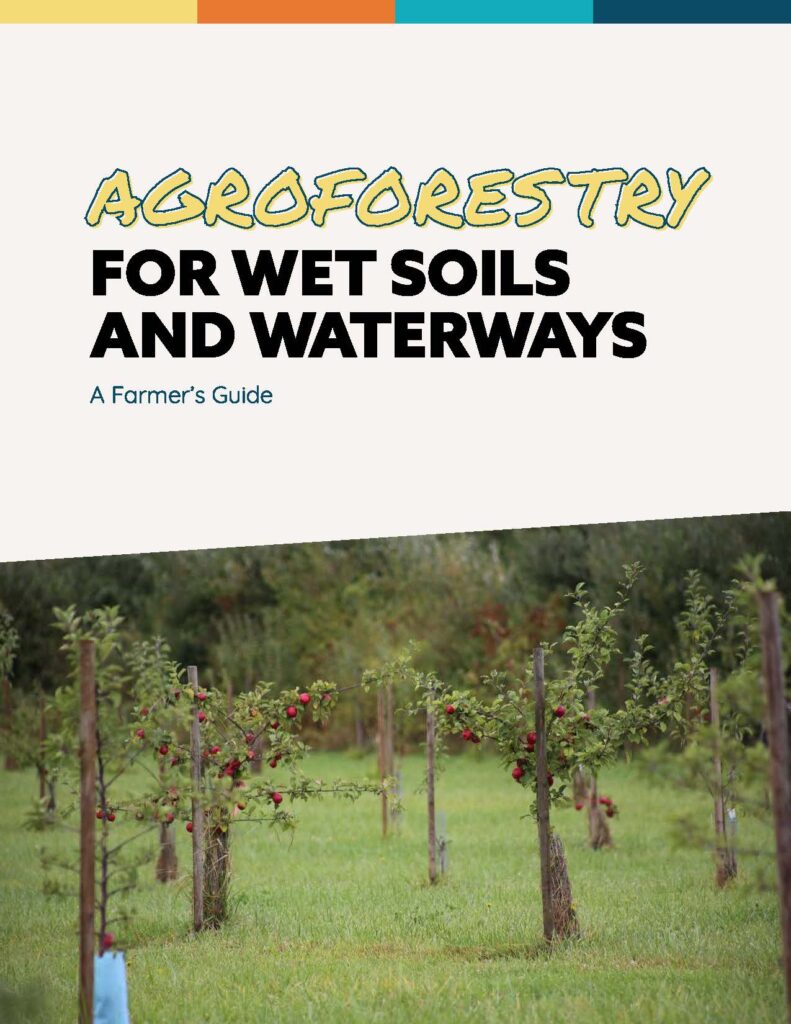
Although they are effective at achieving restoration goals, removing land from production to establish a riparian buffer may not be feasible for farm and forestry enterprises, and the costs of implementing and maintaining a buffer can be additionally prohibitive. Integrating agroforestry practices into riparian restoration offers a potential pathway for designing buffers that provide environmental benefits while maintaining production.



The Working Riparian Lands Program is supported by funding from the Washington Department of Ecology’s Office of the Chehalis Basin. Graphic development paid for with support from the Family Forest Foundation.
Working Riparian Lands Toolkit
Get Started!
What is Agroforestry?
Agroforestry is defined as the “the intentional integration of trees and shrubs into crop and animal farming systems to create environmental, economic, and social benefits” (USDA). Agroforestry practices provide many benefits, including carbon sequestration, wildlife habitat, soil health improvement, increased and diversified farm income, and water quality protection. The multiple benefits and adaptability of these systems allows them to meet diverse needs and interests of farm and forest owners. In many cases, they are mutually beneficial to both agricultural or forestry production and conservation-based land management.
The concepts of agroforestry are old and overlap significantly with the traditional ecological knowledge (TEK) of indigenous peoples in the Pacific Northwest and around the world. Although the historical management by indigenous peoples was vastly different from how most forests are managed today, they left a significant footprint on the landscape, and much of that management could be considered agroforestry.
Agroforestry is increasingly being looked to as a solution to a growing number of environmental concerns related to modern day land management, including addressing climate change, restoring and maintaining soil health, and enhancing farm resilience. Riparian agroforestry offers a pathway to restore riparian habitats while maintaining or creating opportunities for cultivating crops and raising livestock.
Riparian Agroforestry
Riparian agroforestry is the application of agroforestry practices adjacent to riparian habitat, including lands that occur along the edges of rivers, streams, lakes, and other water bodies. Forested riparian buffers by definition are an agroforestry practice, but other agroforestry practices can be integrated into their design to make them commercially productive or produce crops for personal consumption, while still providing habitat and water quality benefits. These practices include:
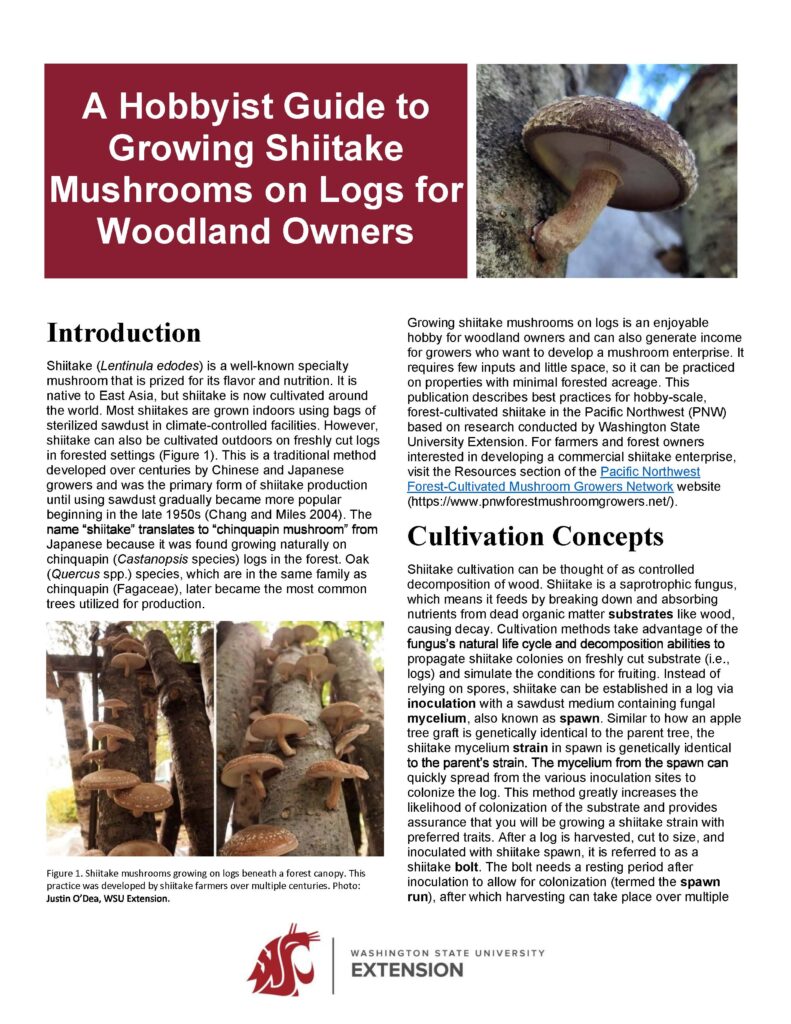
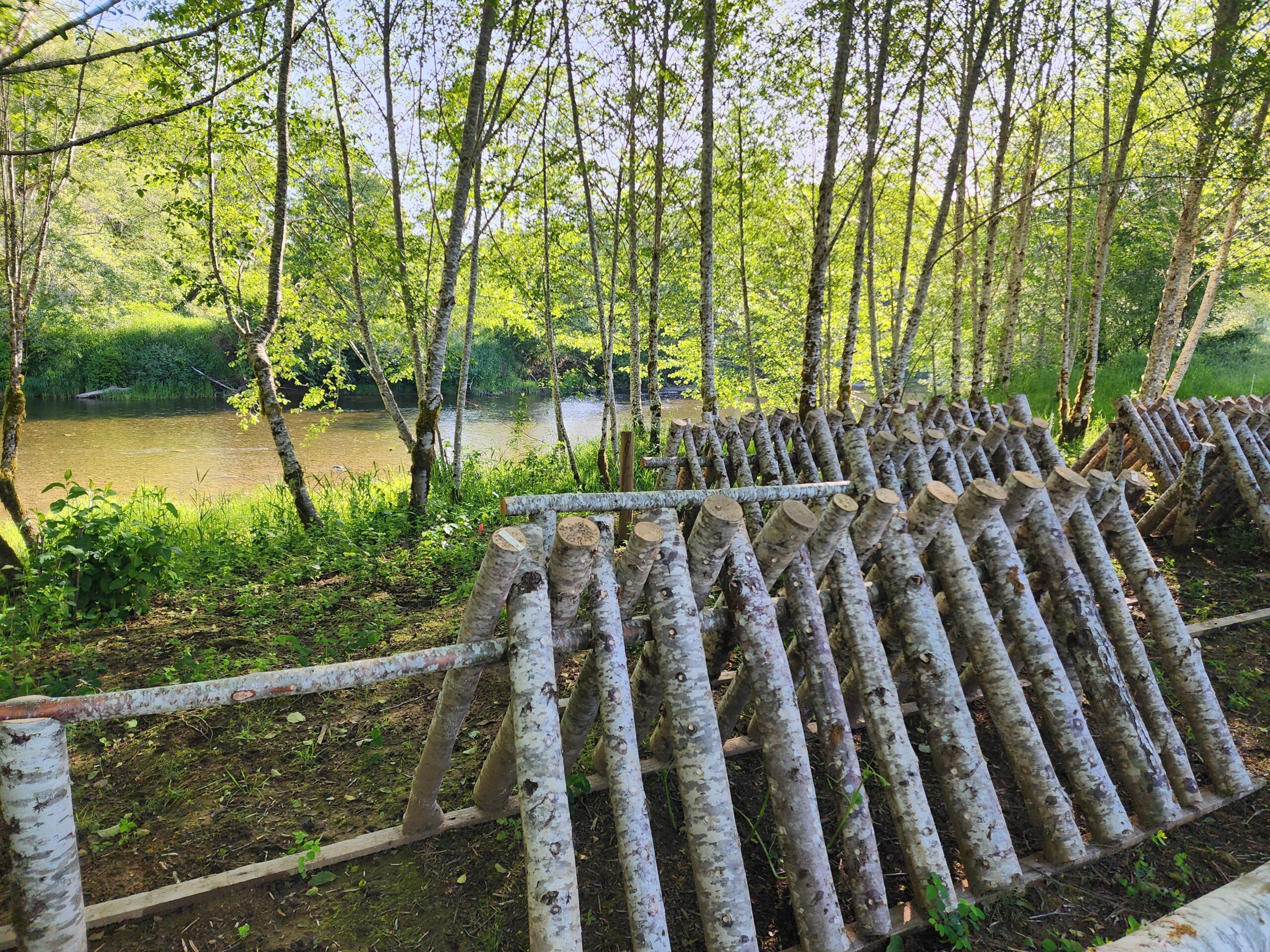
- Forest Farming is the cultivation of high-value crops beneath a managed tree canopy. In other words, applying agricultural practices in forests to grow native non-timber forest crops or non-native, shade tolerant specialty crops. Examples include huckleberry, maple syrup, specialty mushrooms, and ramps (i.e. wild onion).
- Silvopasture is the intentional integration and management of livestock, grazing, and forestland. In these systems, all three components are intensively managed to support co-benefits such as shaded cover for livestock, reducing forest fuels, and providing fodder.
- Alley Cropping is the planting of rows of trees and/or shrubs to create alleys within which agricultural or horticultural crops are produced. Trees produce long-term crops (nuts, fruit, timber) while crops grown in rows produce short-term income. Alley cropping is sometimes a short-term practice to establish tree cover and is then transition to silvopasture or forest farming after canopy closure.
Buffer Zones
Each of these practices have different roles within the context of a working riparian buffer. Buffers are typically broken out into different “zones” in which different practices are applicable in order to sufficiently protect water quality and create high quality habitat. The widths of the different zones, as well as the types of management applied in them, are determined by multiple factors, including regulations, budget, site conditions, water feature type and size, and landowner objectives.
- Zone 1 (Inner Zone) – The innermost zone of a buffer, sometimes called the “core zone”, is where the greatest water quality and habitat benefits are generated. This zone should be left relatively unmanaged as natural forest, ideally with abundant native species growing densely. While intensive management and harvesting practices should be avoided in this area, it can still be designed to provide opportunities for wild foraging and low impact forms of forest farming (e.g., berry picking, tree syrups, log-grown mushrooms). The width of this zone is typically 25-50′ depending on the type and size of water feature being buffered.
- Zone 2 (Middle Zone) – The area immediately adjacent to the inner zone also provides important riparian protection benefits, and should be managed to maintain a mostly closed forest canopy of native trees. However, this zone is suitable for more intensive forest farming practices (e.g., woods cultivated systems). Silvopasture may also be practiced in this area, if compatible with a closed tree canopy (e.g. flash grazing, living shelters). The width of this zone is typically between 25′-100′, depending on the size of the inner zone, water feature type and size, and landowner objectives.
- Zone 3 (Outer Zone) – The outer most zone is the most flexible to practices that require reduced tree cover like alley cropping and more intensively managed silvopasture systems. The presence of trees and/or shrubs in this zone provides additional benefits to riparian habitat, but it is less critical to maintain a closed forest canopy at this distance from a water feature. The width of the outer zone will vary based on landowner objectives, size of the other two zones, and recommended buffer size for the site. For example, the WA Department of Ecology recommends a 215′ total buffer width between all zones, although this is not always feasible.
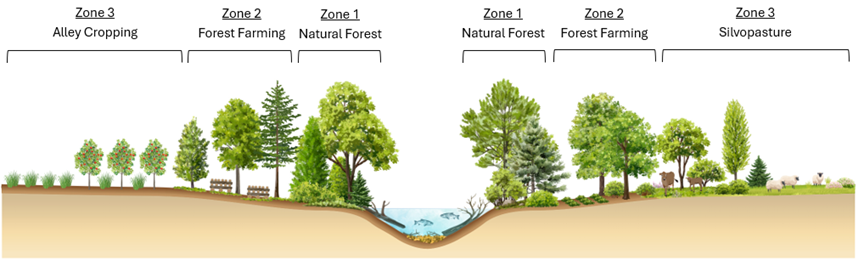
Agroforestry systems are dynamic and often change over time. Although silvopasture and alley cropping are best applied in the outer zone, both of these can be effective short-term methods for establishing a forest buffer where one does not exist, and then eventually transitioning into forest farming after canopy closure. This is explored more on the individual practice pages.
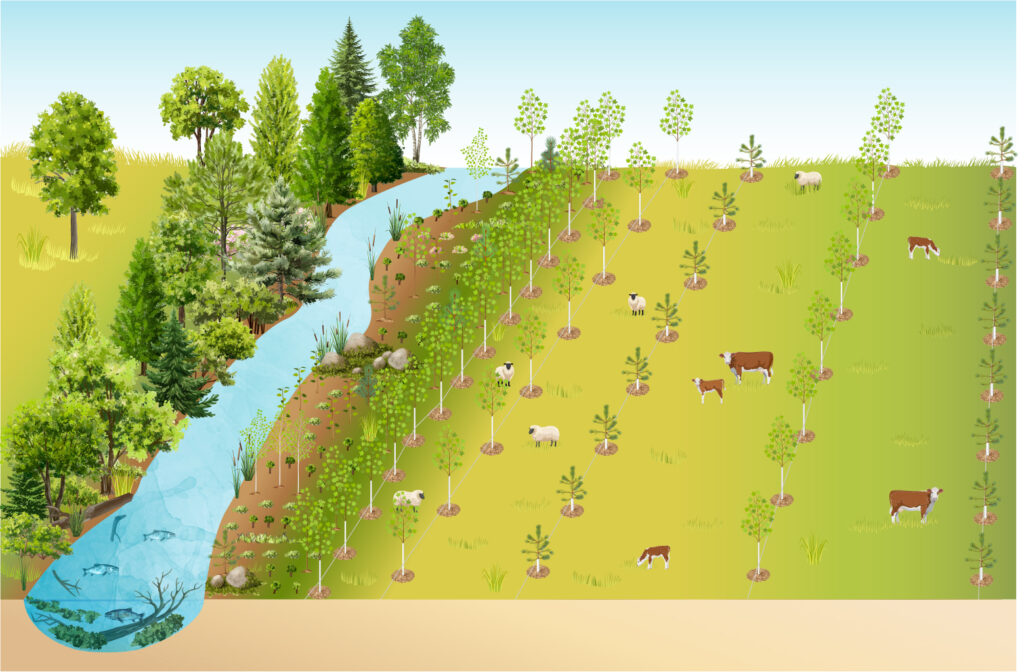
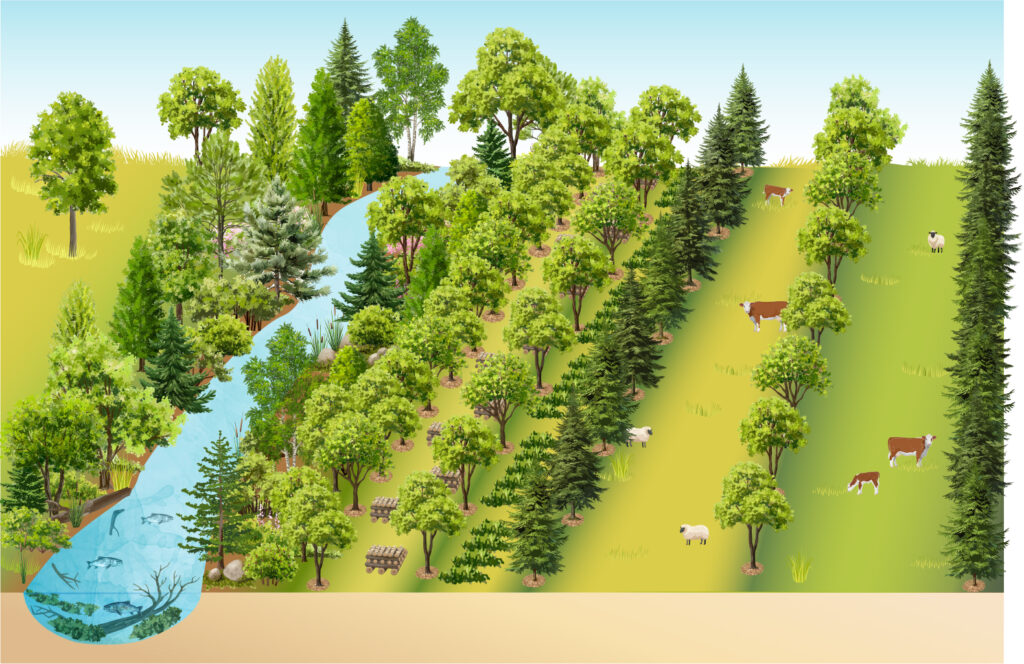
Applying riparian agroforestry practices to the different zones can allow for continued agricultural production in these spaces and/or provide opportunity to diversify production. For instance, a buffer managed for silvopasture can reduce the grazing space that would be lost in a traditional riparian buffer while providing valuable shade benefits to livestock. Meanwhile, the inner and middle zones can be managed for alternative forest products such as tree syrups, forest cultivated shiitake, and medicinal crops that can provide supplemental income to an agricultural or forestry operation, or products for personal use.
Your objectives as the landowner or manager have significant influence on what type(s) of riparian agroforestry practices are suitable, as well as the size and composition of buffers. Use the next section to start thinking about what the most important features of a working riparian buffer are to you, and how that will impact design.
Developing a working riparian buffer requires time, financial resources, and sweat equity, especially when planting a new buffer. Spending time to determine your desired outcomes will help ensure you’re investing your resources efficiently. A working riparian buffer can offer many benefits, but you must determine which are most important to you. Below are some common objectives for individuals interested in riparian agroforestry. Consider each and how they rank among your priorities:
- Commercial production – A primary objective of the working riparian lands program is to feature the potential for continued commercial agricultural production in buffers while maintaining their environmental benefits.
- Personal use – Working buffers can provide numerous opportunities to produce products for personal use, whether that’s putting something new on the dinner table or sprucing up your house with décor harvested from the woods.
- Wildlife Habitat – Riparian buffers provide critical benefits to waterways that can help with salmon and other fish populations, but they also provide food, water, and cover to land-dwelling mammals, birds, amphibians, and invertebrates.
- Carbon – Forests are a powerful tool for mitigating climate change. Trees naturally pull carbon from the atmosphere and sequester it in their biomass. Riparian buffers can be opportunities for long-term carbon storage, which may also provide landowners with opportunity to receive carbon payments as carbon markets and carbon monitoring technology advances.
- Water Quality – Buffers are incredibly effective at mitigating the entry of non-point source pollutants into waterways such as pesticides and fertilizers, as well as sedimentation from erosion. This is particularly important in areas with commercial agriculture operations.
- Aesthetics and Recreation – Buffers can be places of leisure too. Recreational opportunities like hiking trails, viewpoints, campsites, and boat launches can all be incorporated into a working buffer design to provided added enjoyment to your forest.
Once you have a sense of your priorities, you can use the other sections of this toolkit to research the riparian agroforestry practices that are best for you!
Designing a working riparian buffer can be difficult, especially for those with limited experience in agroforestry, tree planting and maintenance, and riparian restoration. This Toolkit is designed to help landowners explore riparian agroforestry and provide resources that can support design and establishment, but technical assistance from a professional can be enormously beneficial, if not critical, to success. For help finding a technical assistance provide near you, see the Additional Resources Page.
Riparian Agroforestry Practices
Select an agroforestry practice to learn more.
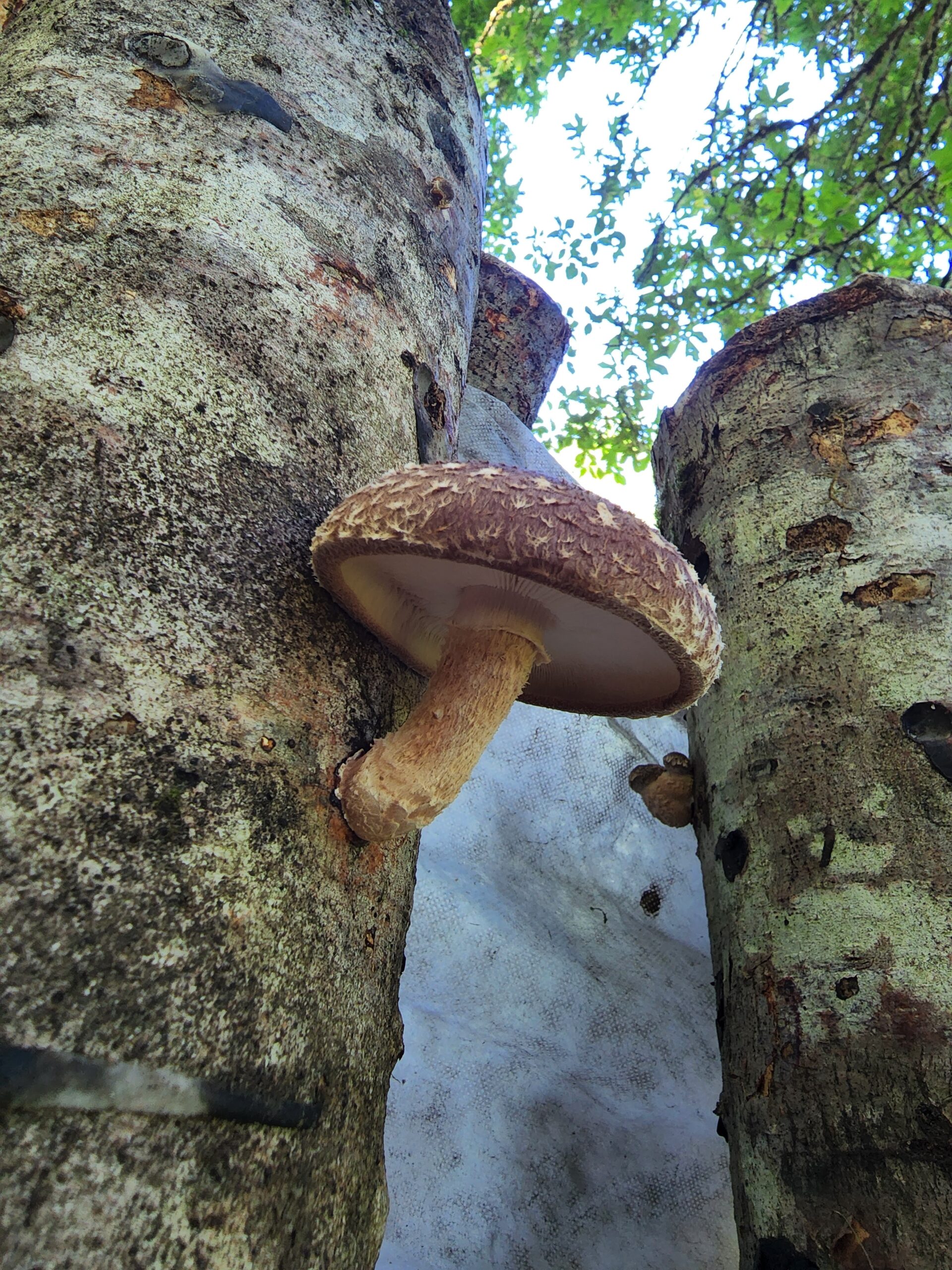
Forest Farming
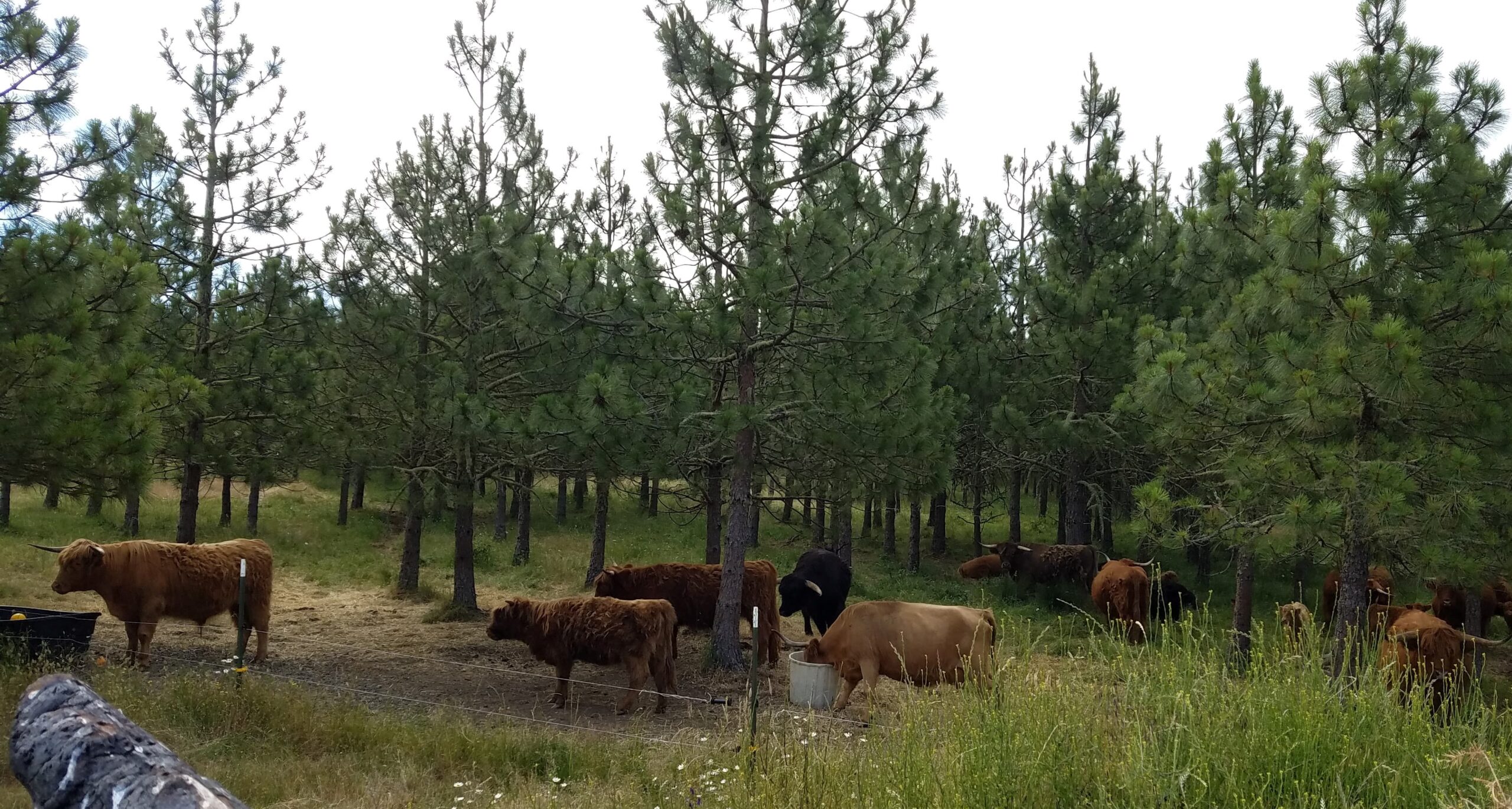
Silvopasture
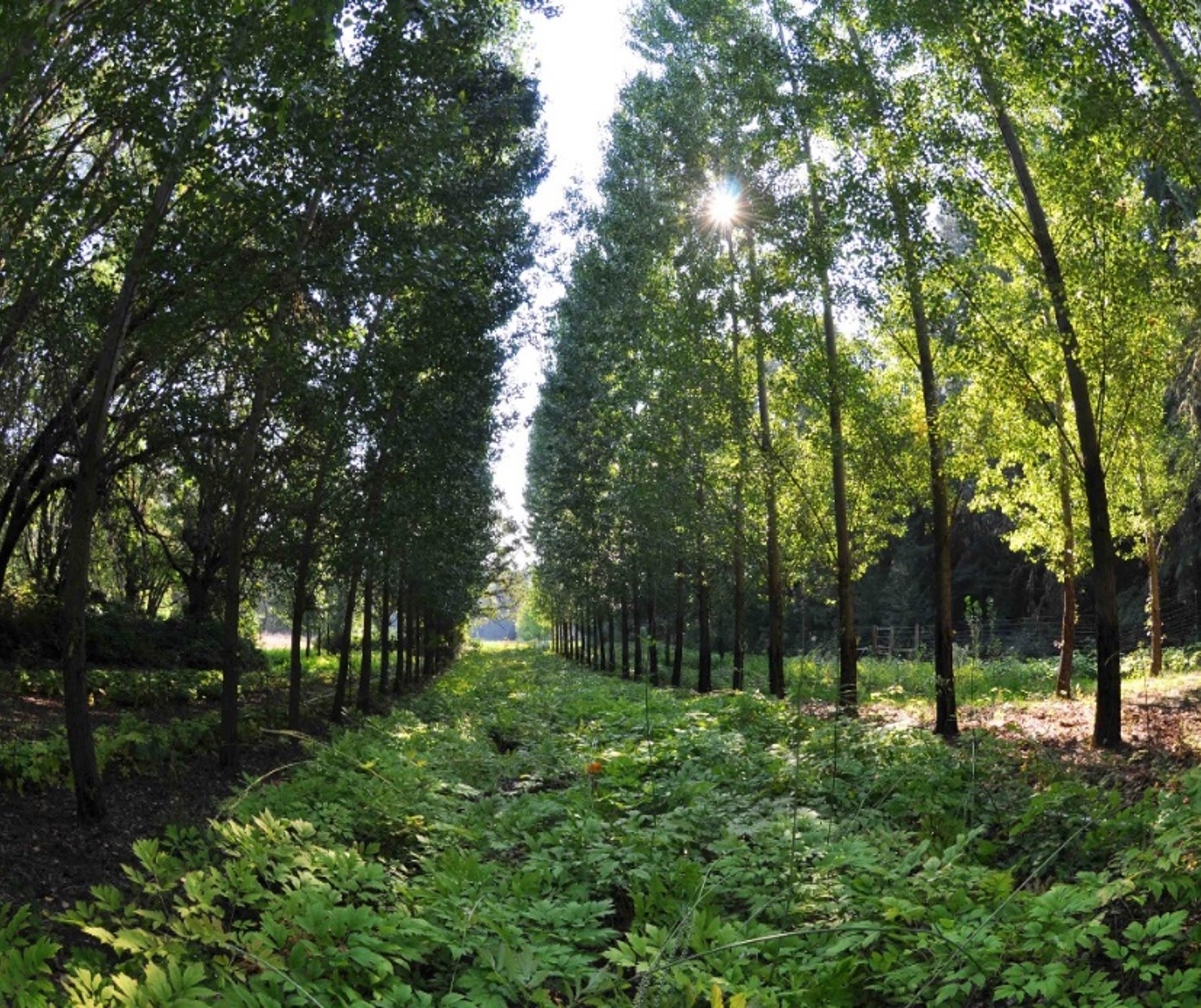
Alley Cropping
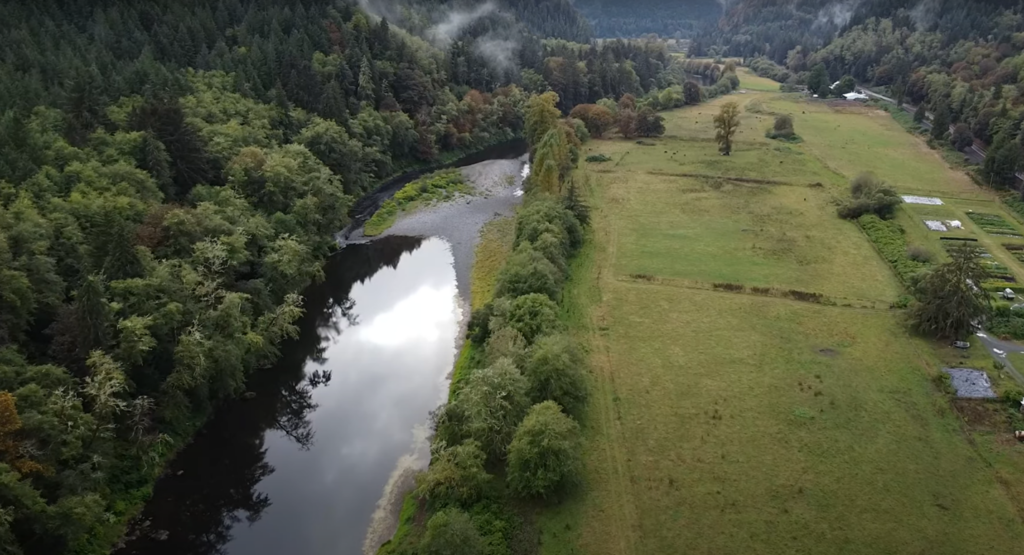
Riparian Buffer Case Study – Nehalem River Ranch
Riparian buffers support fish and wildlife habitat, but they can also serve the needs of farmers. At Nehalem River Ranch in Nehalem, Oregon, they decided they wanted a riparian buffer that would provide protection to their section of the river while creating year-round pollinator habitat to support their honey business.
*If you need the content provided on this page in a different format, please contact patrick.shults@wsu.edu.
Featured Resources
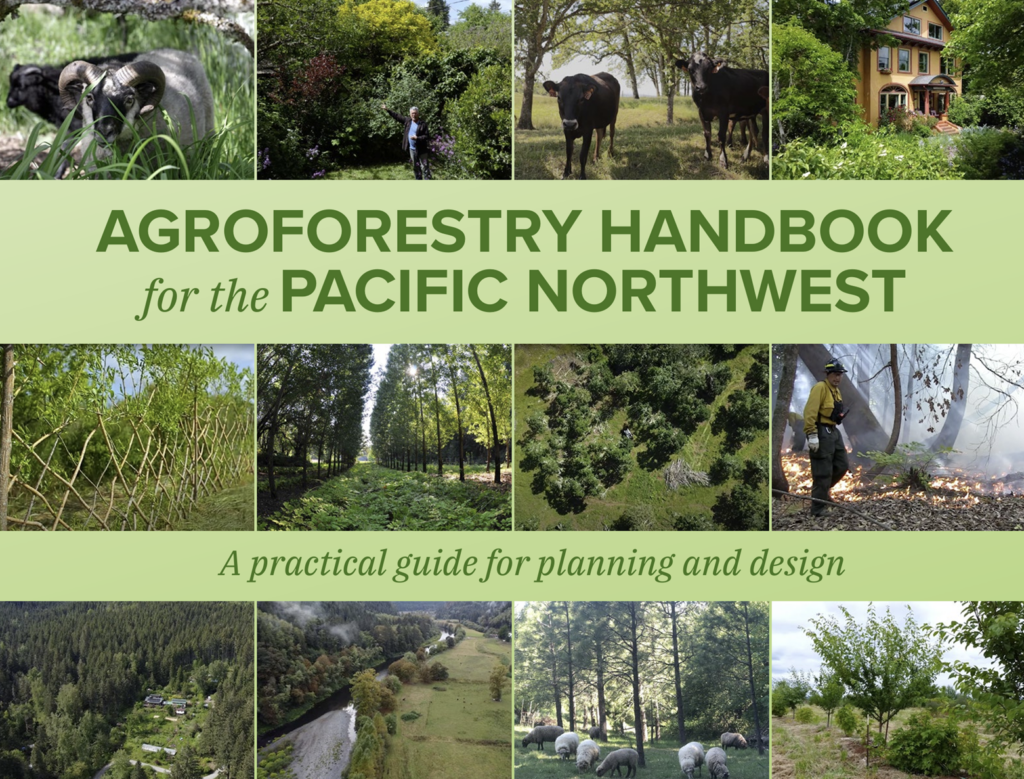
Check out the new Agroforestry Handbook for the Pacific Northwest! This guide provides a framework for planning and implementing agroforestry on farms, forests, and other working lands in the Pacific Northwest. It guides readers through site assessment, goal setting, water and infrastructure planning, agroforestry practice selection, species selection, and the development of integrated, site-specific designs.
This handbook and video series are the products of a partnership between The Center for Rural Livelihoods, WSU Extension, Agroforestry Northwest, and Oregon State University, with financial support from the Western Sustainable Agriculture Research and Education (SARE) Program.