Forest farming is an umbrella term for a practice that can include a wide variety of non-timber forest crops. These crops can be grown in the understory of a managed forest canopy, or be products of the forest canopy itself. The technical details of how to design, establish, and maintain forest farming systems will vary greatly between crops. The profiles below include native Washington species and some non-native species that are forest farmed in other parts of the world, and may be suitable here.
Technical details, particularly region-specific details, may be limited for many crops. These profiles include a summary of the process and inputs of each crop, considerations for applications in riparian buffers, and a collection of available guiding materials.
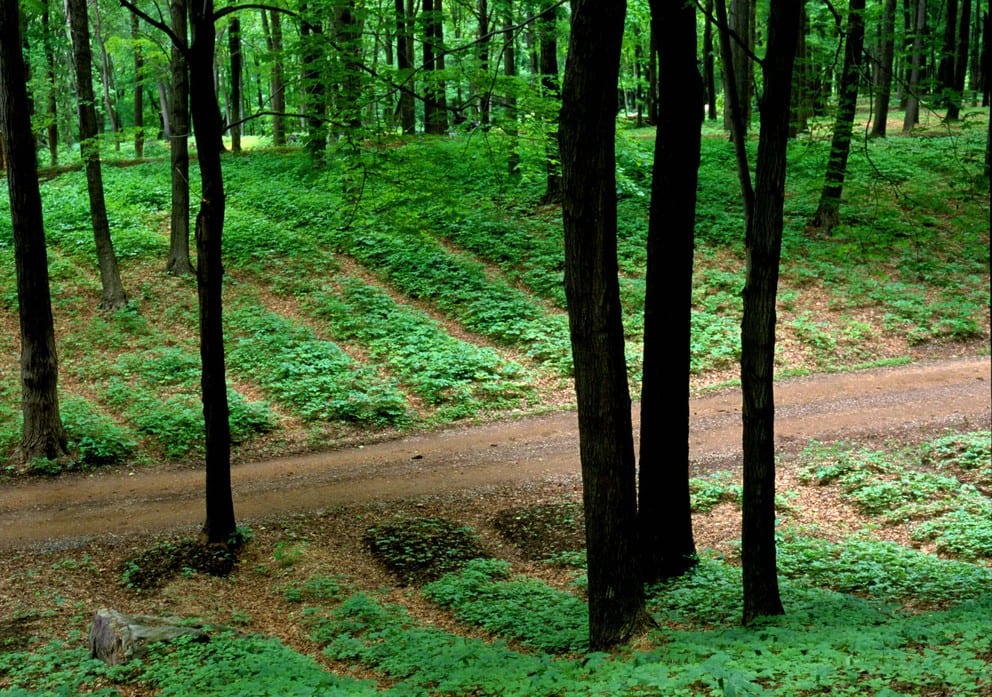
Crop Profiles
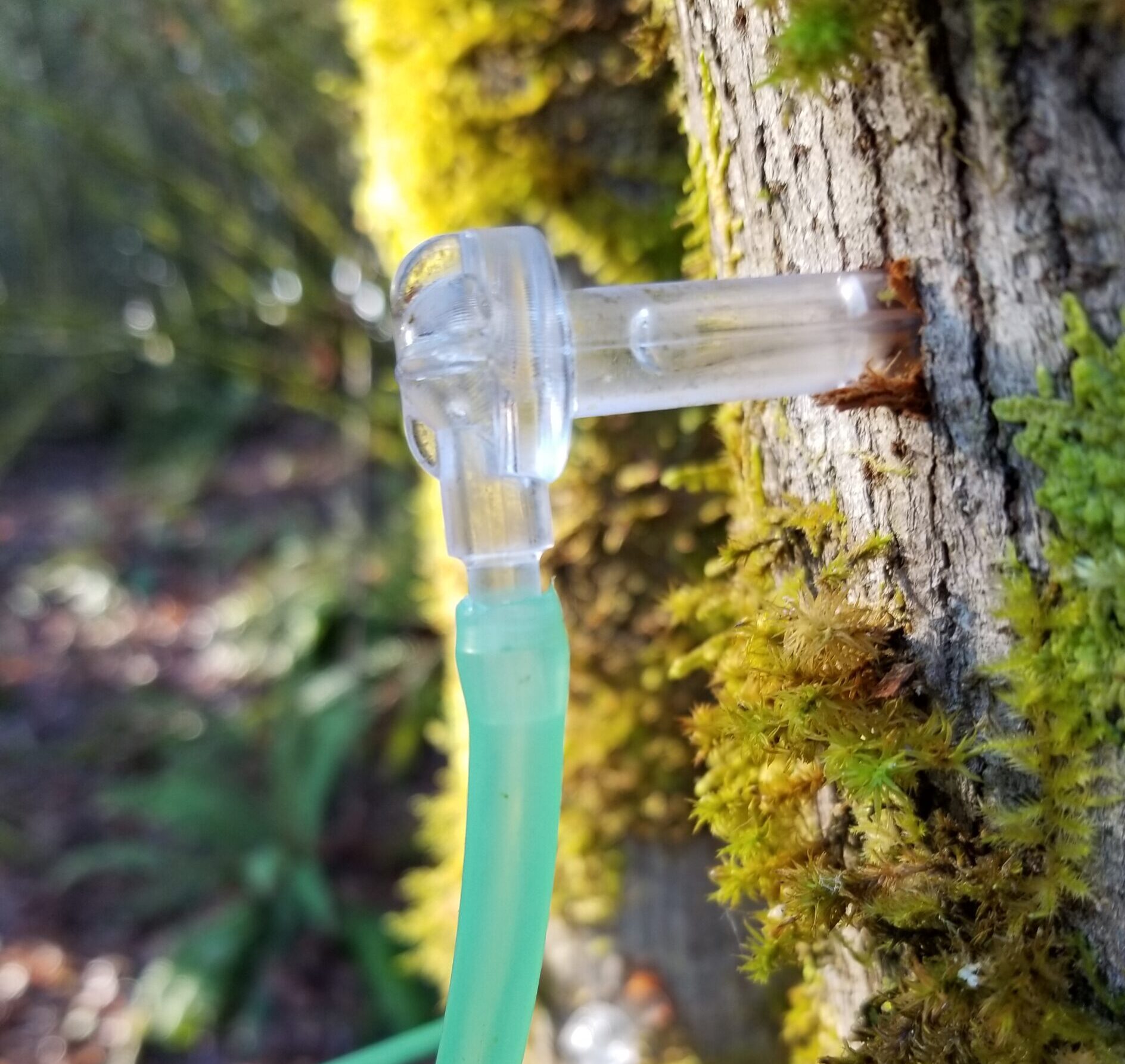
Bigleaf Maple Syrup
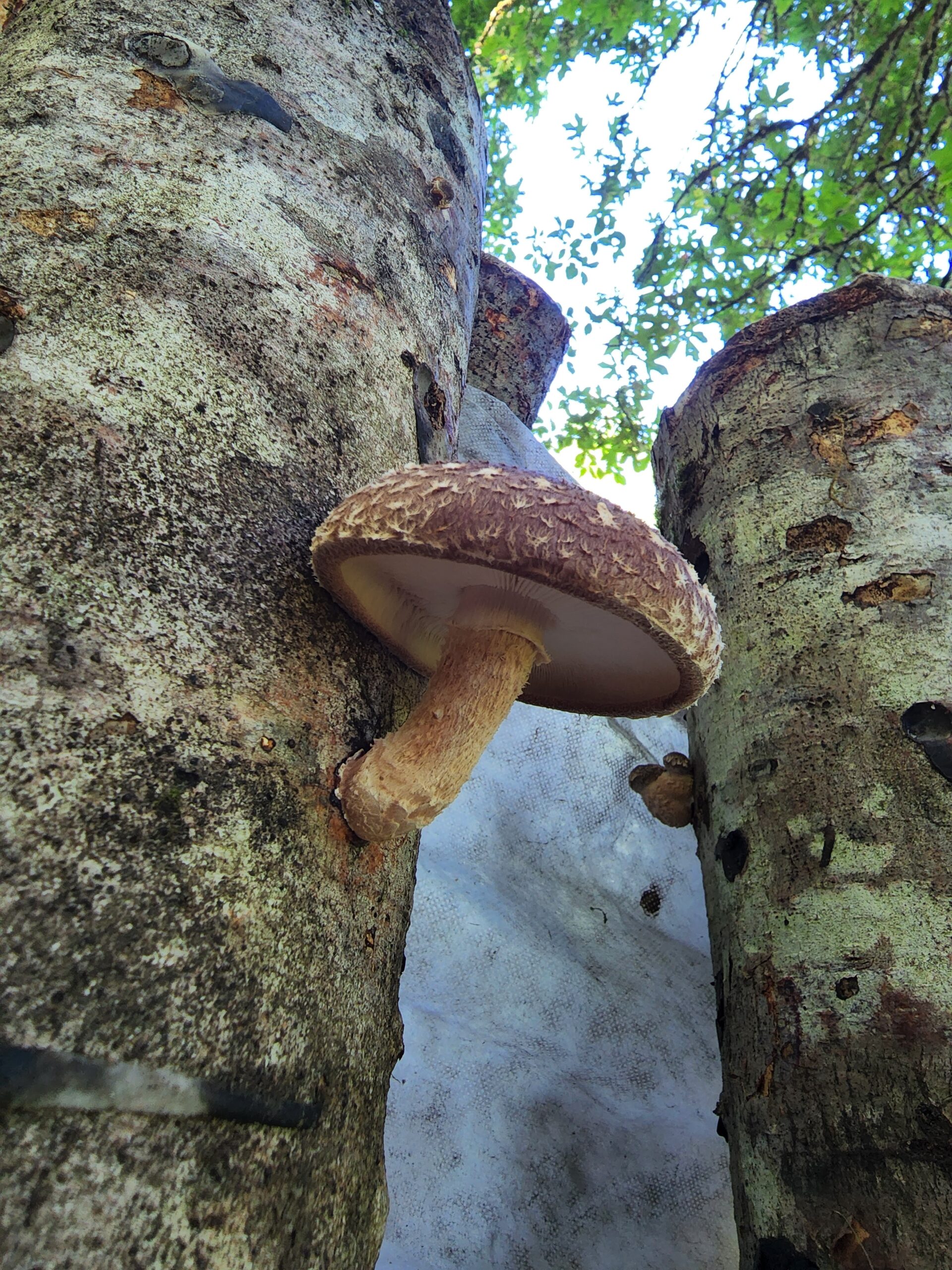
Forest Cultivated Shiitake Mushrooms
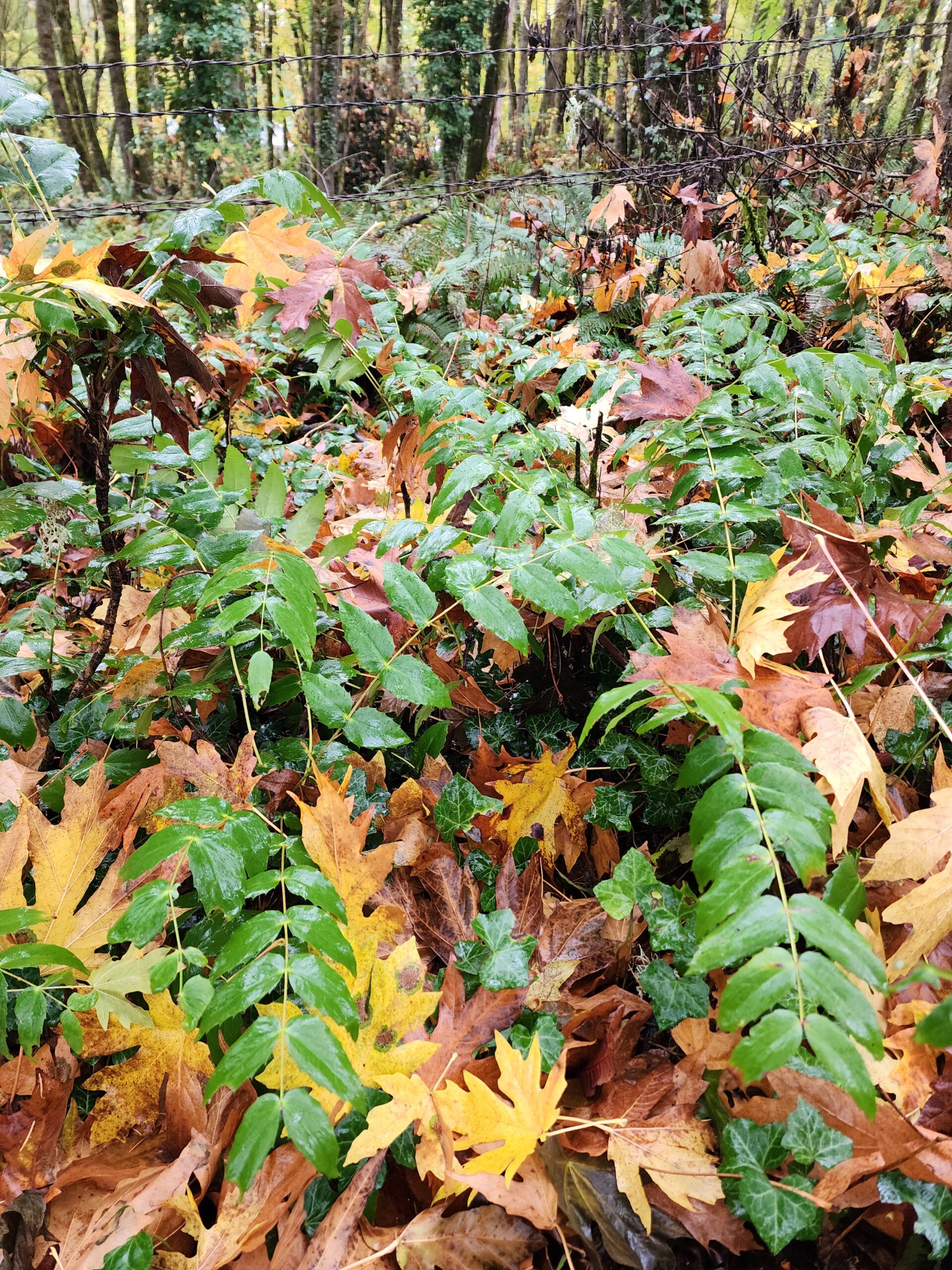
Oregon Grape
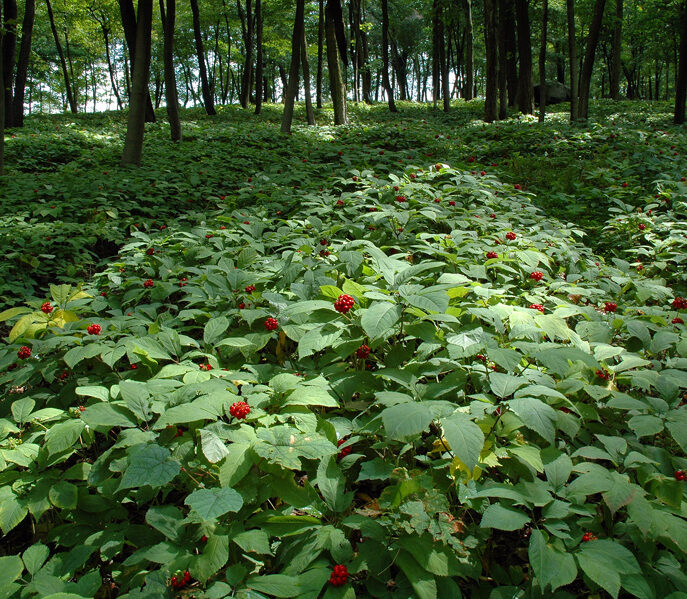
Ginseng
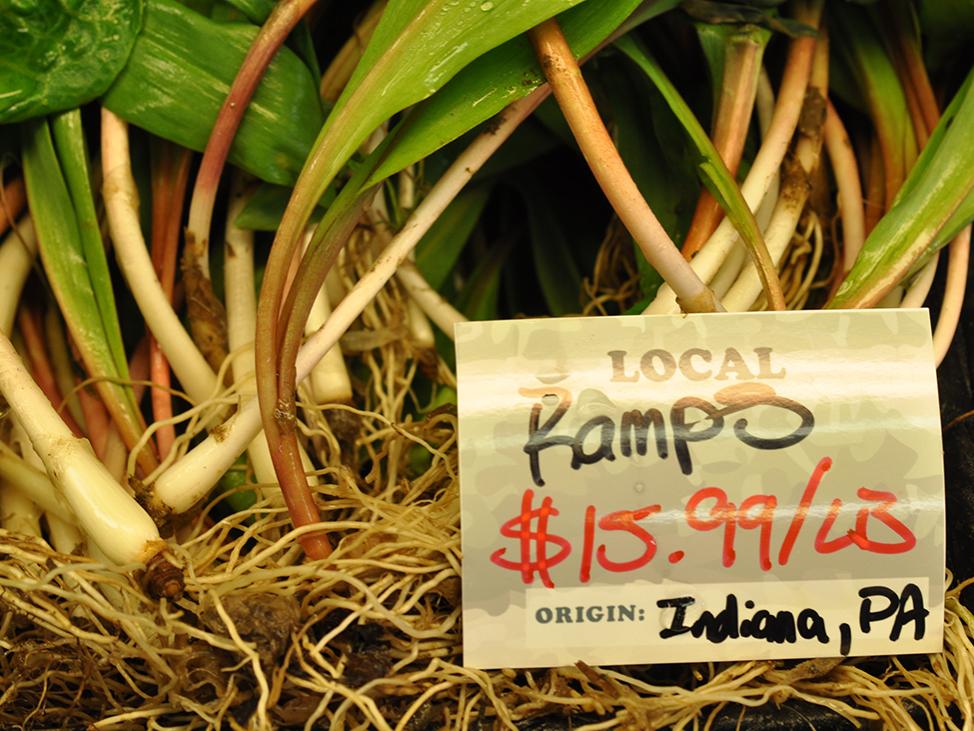
Ramps
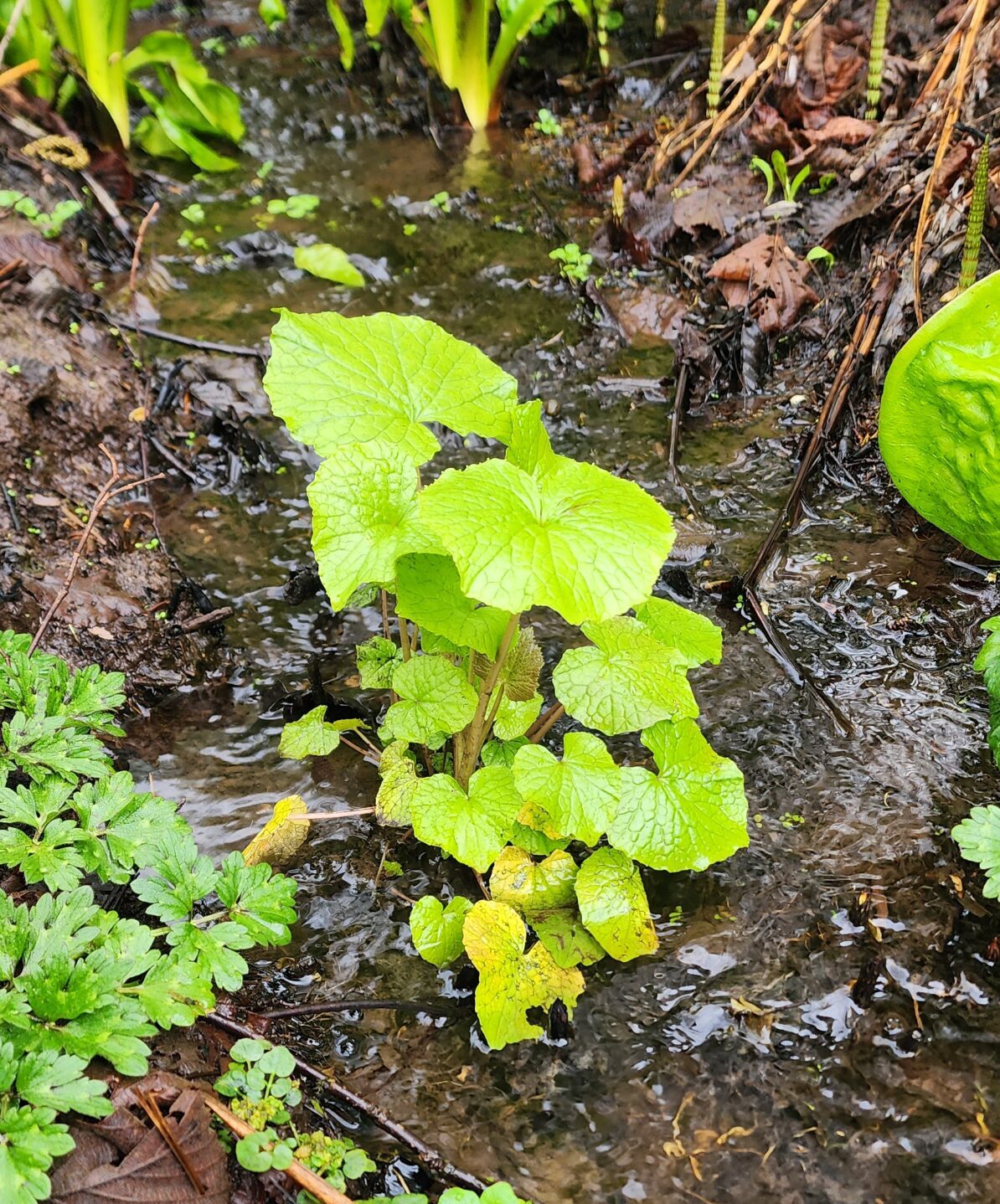
Wasabi
Crop profiles in development: tea plant, stinging nettle, native truffles, forest greenery, forest honey, basketry willow, and shade-grown nursery stock and seed.
Are there other crops you would like to see profiles on? Let us know! Contact Patrick Shults at patrick.shults@wsu.edu.