Background
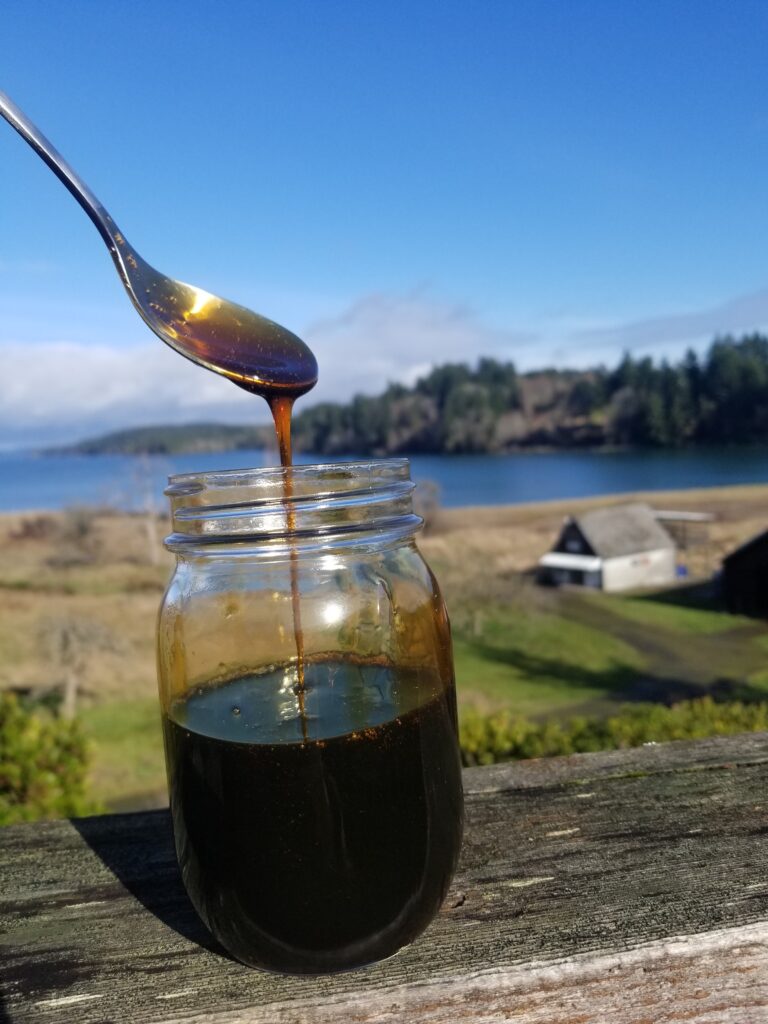
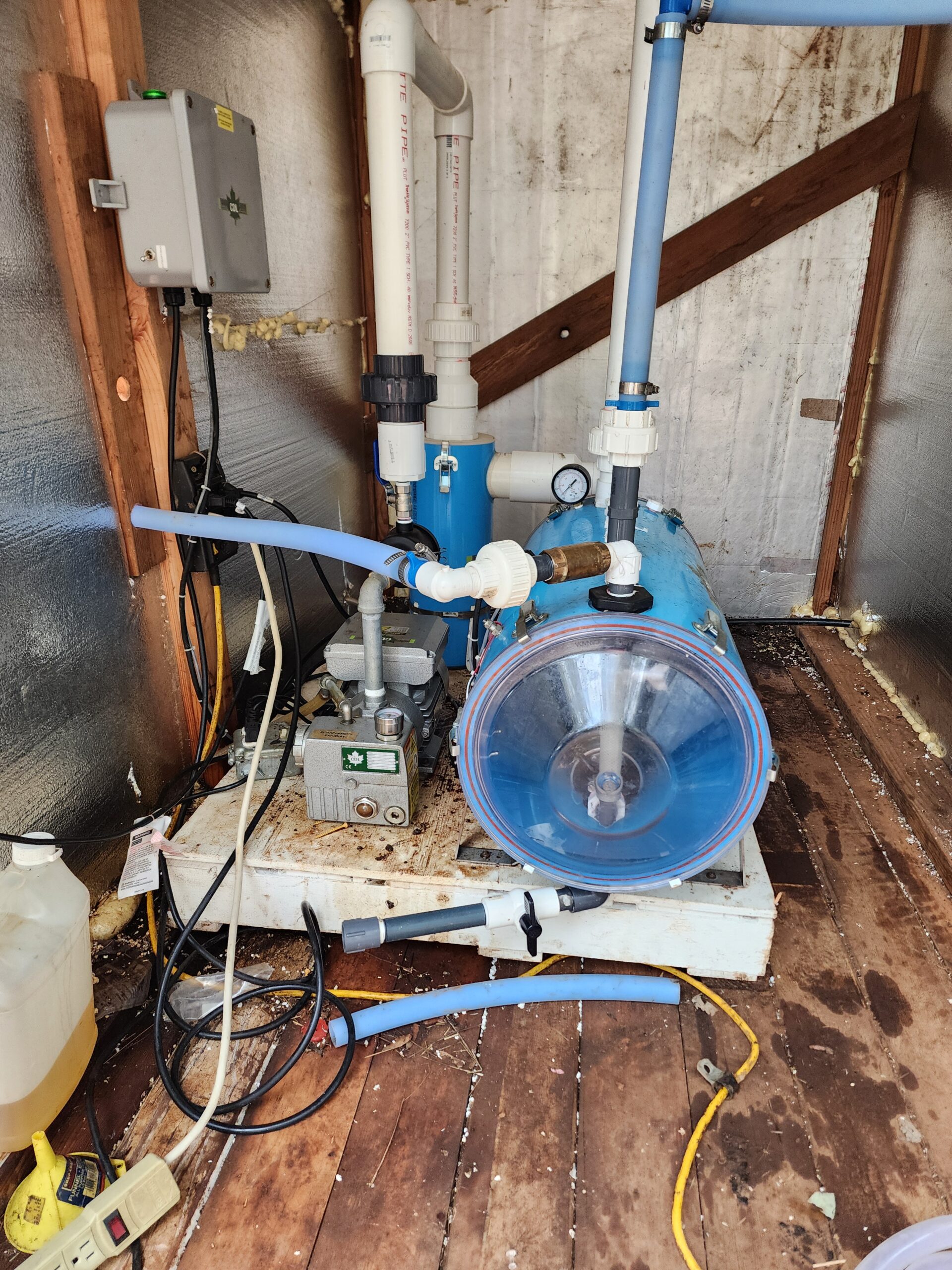
Maple sugaring is the most common forest farming practice in the U.S., but it occurs almost exclusively in the eastern part of the country within the native range of sugar maple (Acer saccharum). Washington’s bigleaf maple (Acer macrophyllum) also produces sap that can be converted into syrup and other products but has a lower relative sugar content (1-1.5% by volume), which means more sap is required to make the same amount of syrup. However, advancements in sugaring technology, particularly using reverse osmosis to remove most of the water from sap prior to boiling, has made sugaring in the Northwest more efficient and commercially viable.
Washington State University Extension, Oregon State University, and the University of Washington have developed a partnership to promote a commercial maple sugaring industry in Washington and Oregon through research, outreach, and resource development. This includes developing region-specific best practices, conducting trainings, expanding markets, and improving access to locally produced equipment.
Overview and Inputs
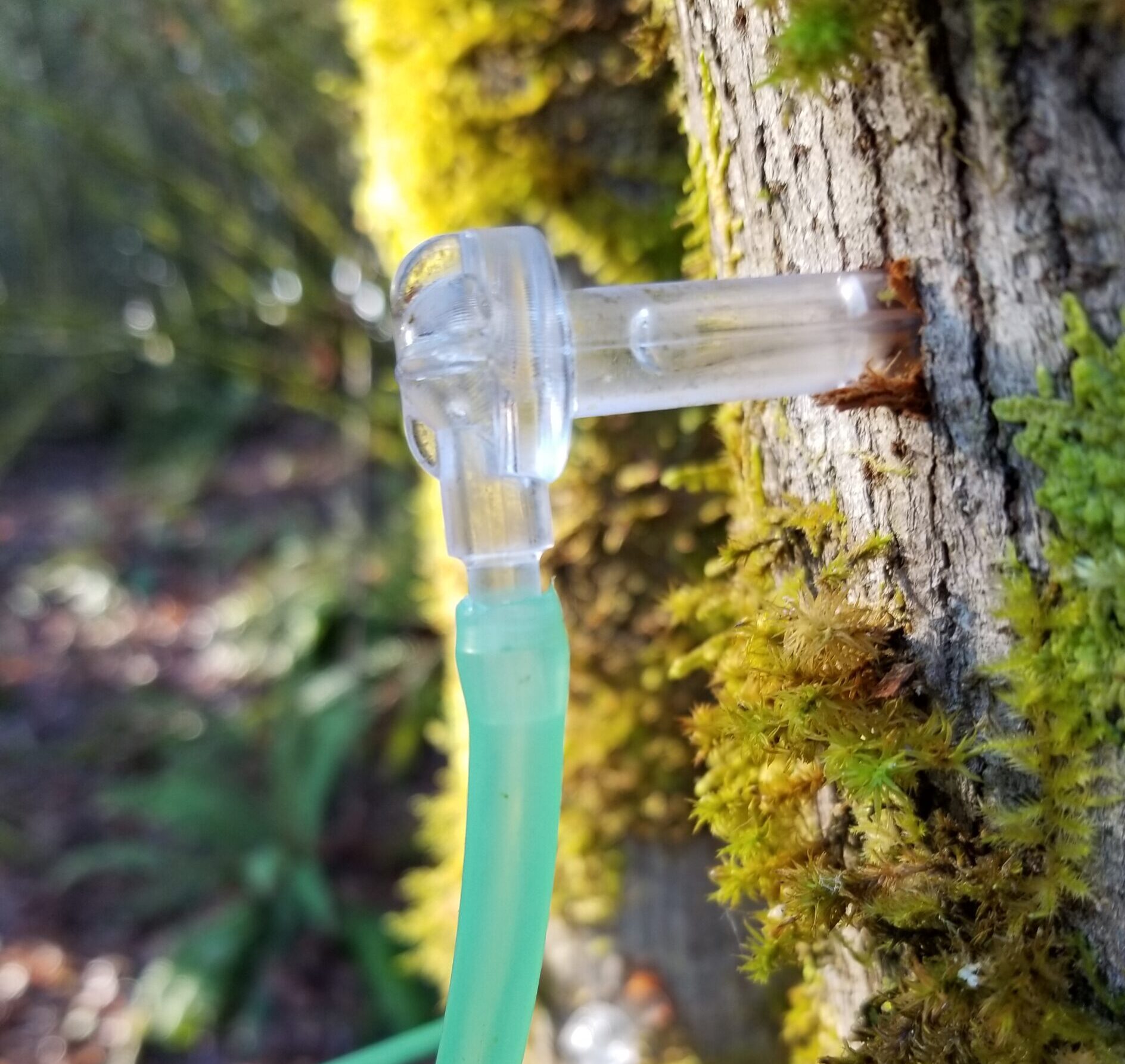
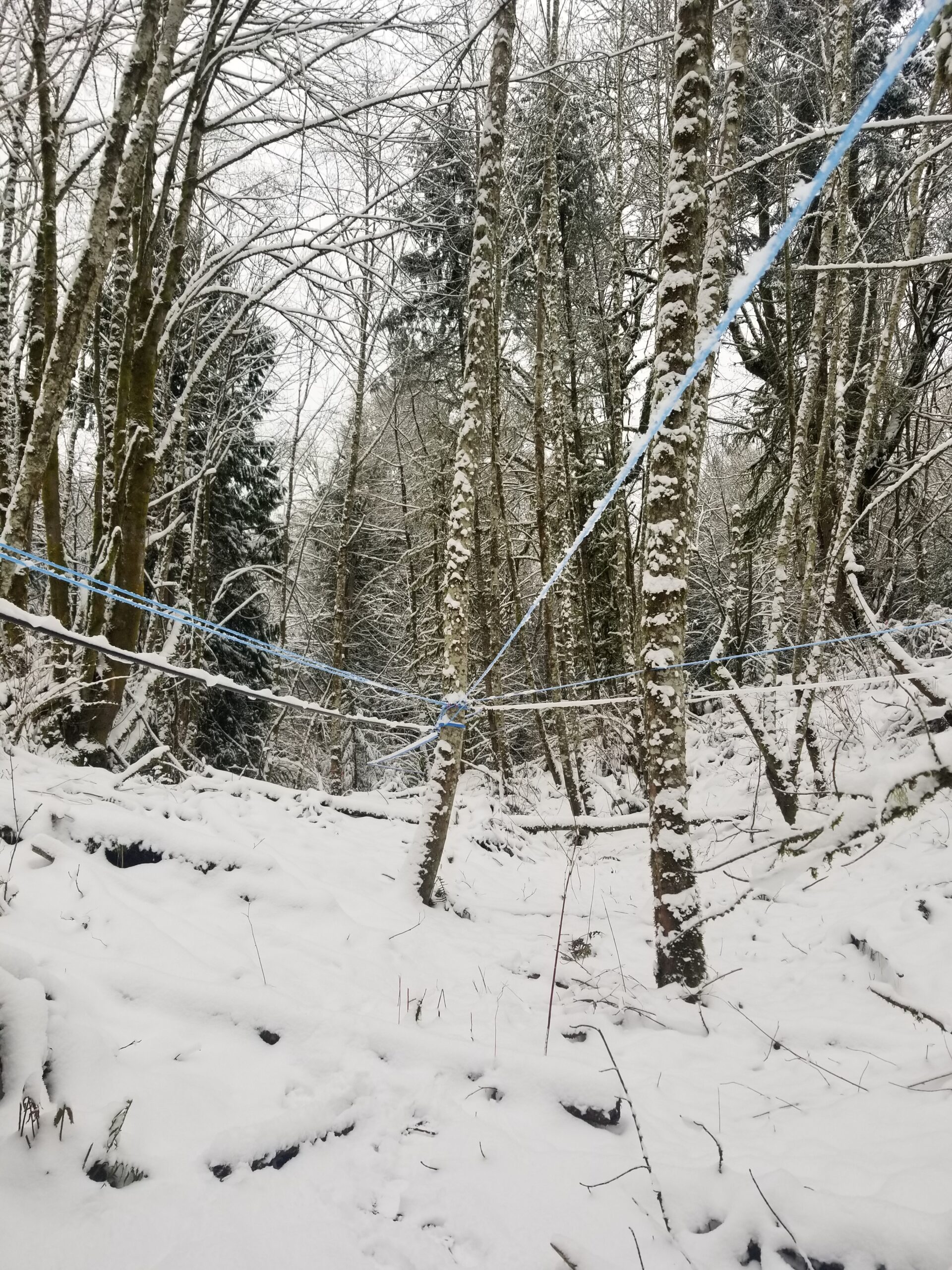
In the Pacific Northwest, maples are tapped in the winter months (Dec-Feb) when freeze-thaw events cause sap flow in the tree. Commercial operations will utilize plastic tubing to connect multiple taps and drain sap to a single location, while hobbyists may use food-safe containers to collect sap from each tree. After the sap is collected a combination of reverse osmosis and boiling is used to remove water and bring the sugar content up to approximately 67% by volume (also called “brix”). Commercial operations will require specialized boiling equipment called “evaporators”. The syrup is then filtered and bottled for sale or personal use. This process requires significant labor but is generally restricted to a 3-4 weeks when conditions are right during the winter months, with some maintenance and labor occurring in the off season (spring to fall).
Maple sugaring requires specialized equipment for both tapping and processing, which requires a higher investment. Much of this equipment is produced in the eastern U.S. and Canada and shipping will add to startup costs. A small-scale commercial operation may cost $10-$20k in startup costs, depending on existing resources and site conditions. One reason for this is the high initial cost is that a Food Processors License is currently required to produce maple syrup in Washington State, which requires certain infrastructure to pass inspection. However, bigleaf maple syrup has a high price point and a strong market due to its unique flavor and regional novelty, which can make it quite profitable.
For technical guidance on maple sugaring, see the Guides and Resources section below.
Examples of Maple Sugaring Equipment
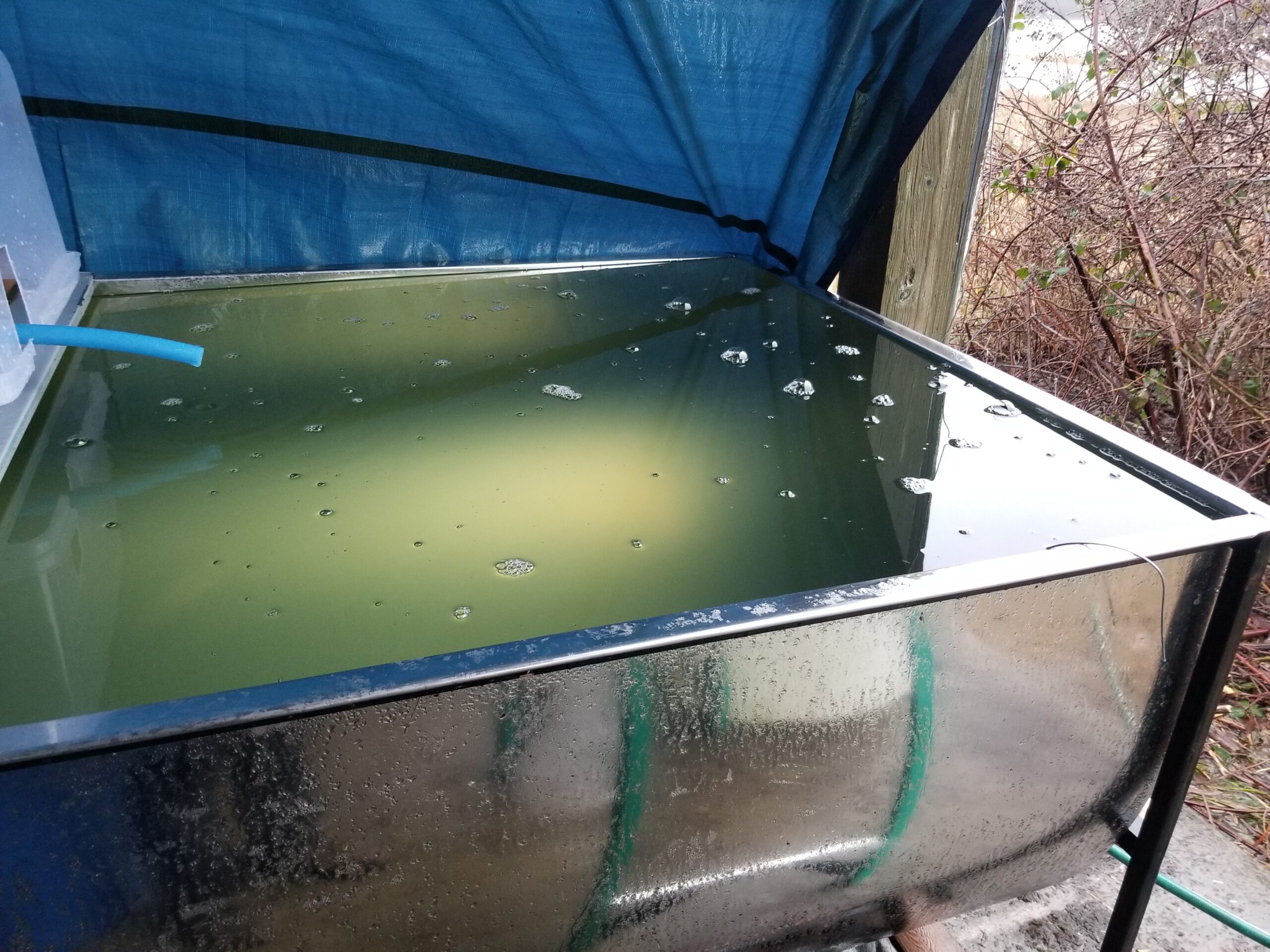
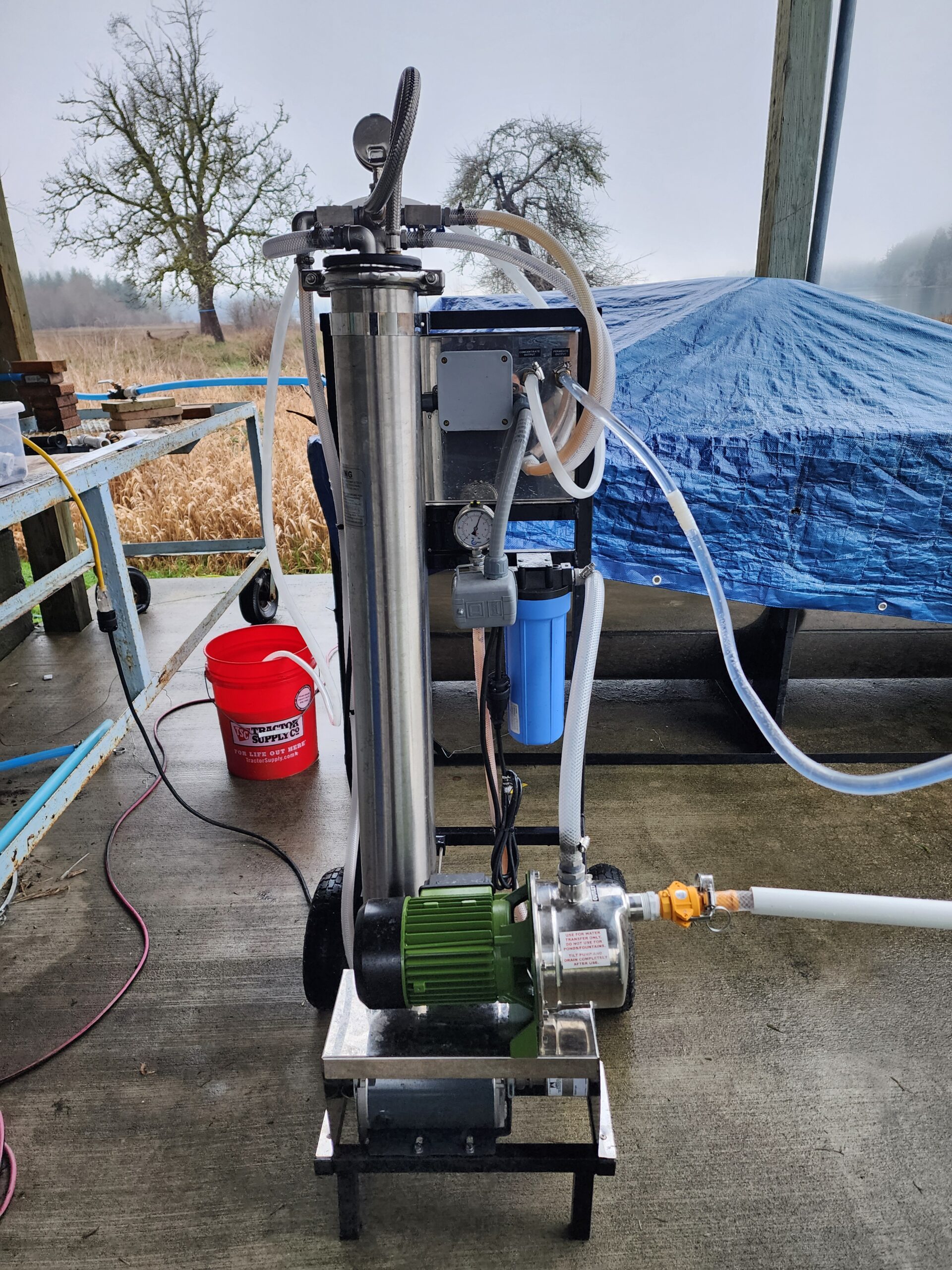
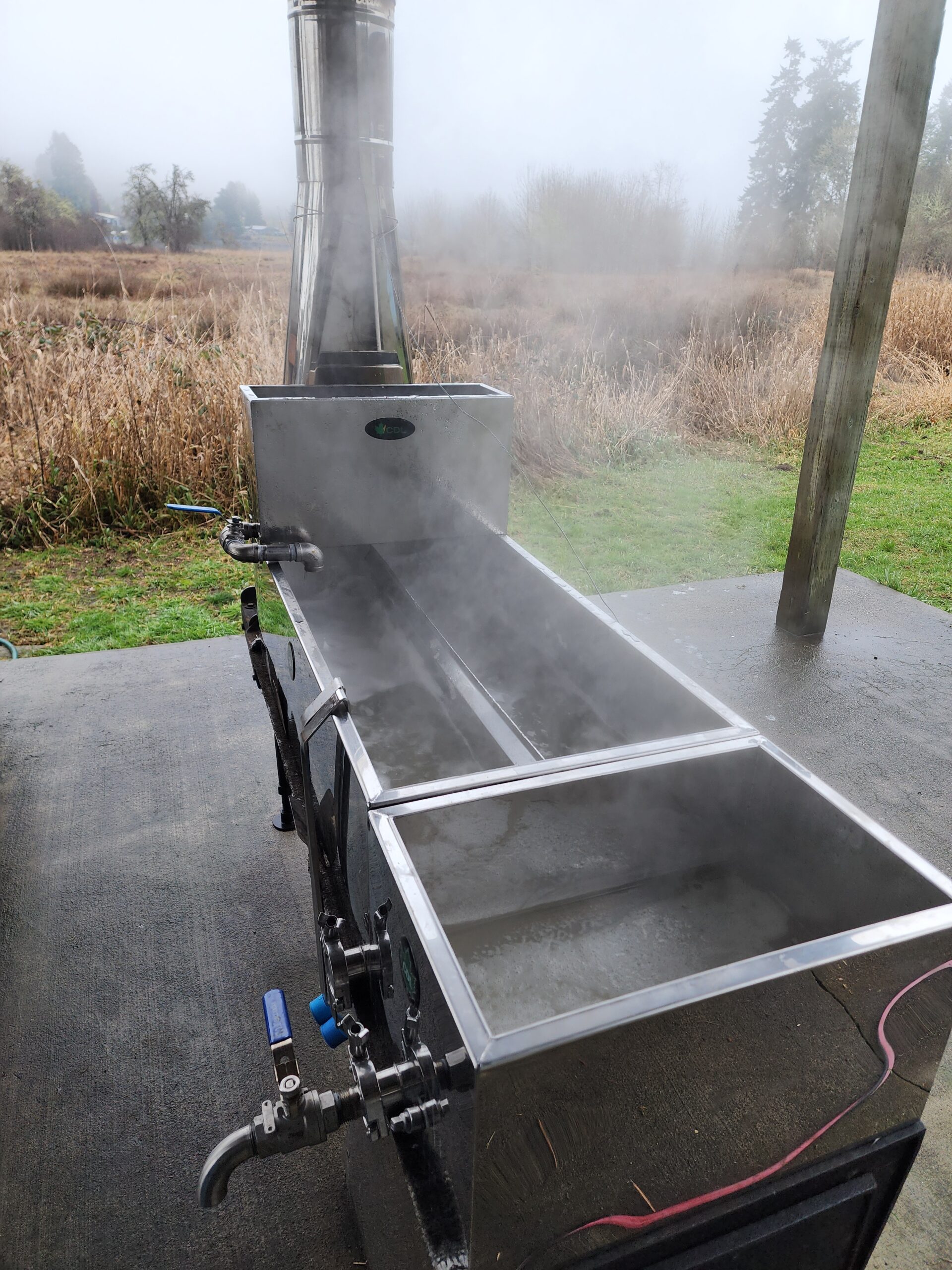
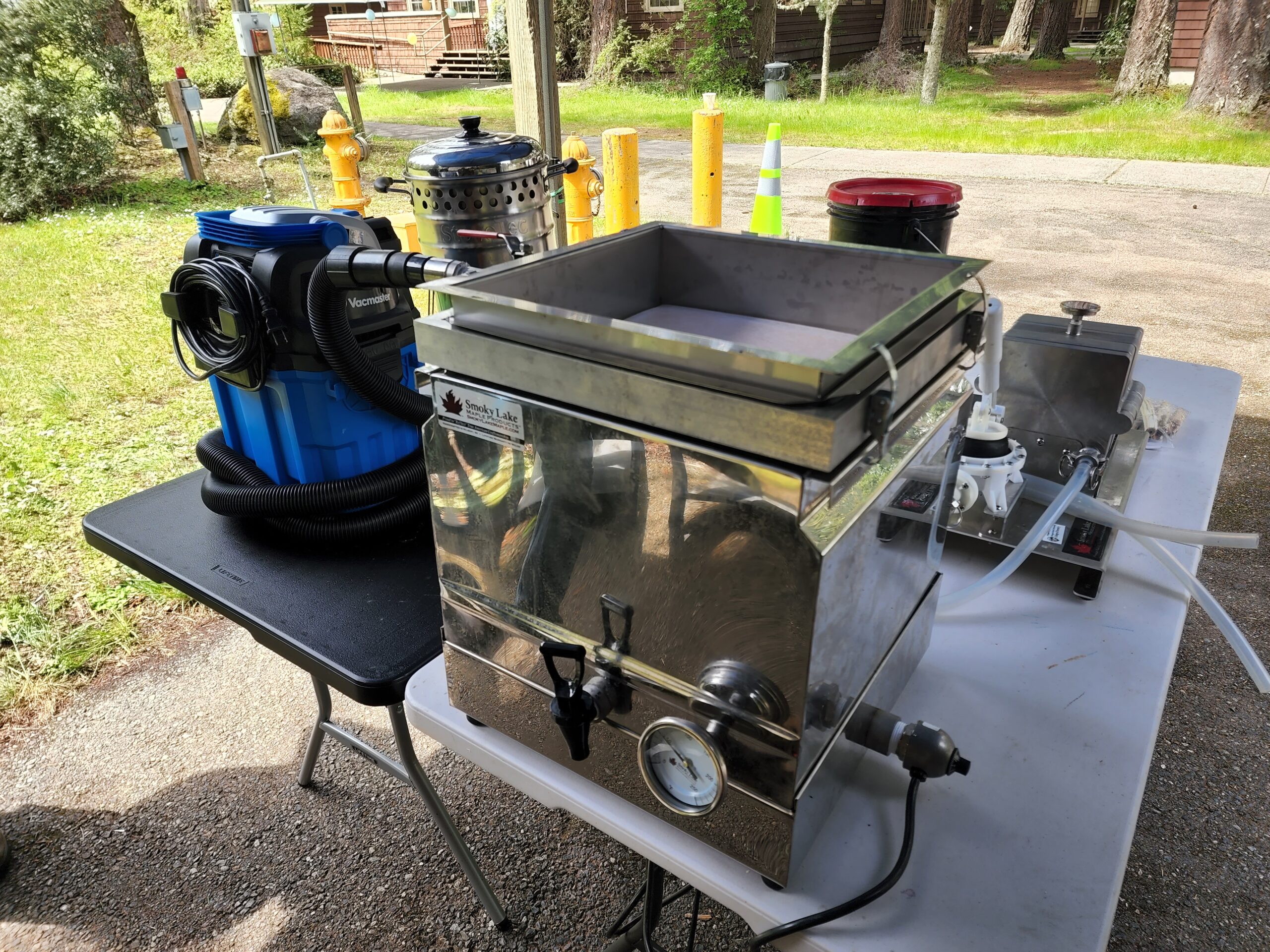
Considerations for Riparian Buffers
Sap can be collected without causing long-term damage to overstory trees, making this practice highly compatible with riparian buffers and forest conservation. Furthermore, bigleaf maple can provide significant habitat benefits to riparian spaces, including leaf litter and woody debris inputs, bank stabilization, and increasing macroinvertebrate habitat. Although anecdotal, many maple syrup makers claim that trees growing closer to water sources are their best producers.
A small-scale commercial operation would likely require a minimum of 150-200 taps. This could easily be achieved within a small to moderate sized buffer (1-2 acres) if managed specifically for maple but will require more acreage in buffers with mixed composition. Sap production will vary depending on location, micro-climate, and winter temperatures. If these conditions aren’t ideal at your location, you may consider increasing the number of taps, and potentially the size of your buffer, to compensate.
Guides and Resources
Most of the available information on maple sugaring is based in the eastern U.S. and Canada. While the concepts are the same and much of the information will translate to our region, there are unique challenges associated with sugaring in the PNW using bigleaf maple. WSU Extension is currently developing an Online Bigleaf Maple Syrup Toolkit to share best practices for bigleaf maple sugaring. That should be available in 2026 or early 2027 and will be linked here once complete.
If you know that you’re interested in commercial-scale maple sugaring and would like technical assistance, email Patrick Shults at patrick.shults@wsu.edu.
Bigleaf Maple Sugaring Resources
- Agroforestry NW Workgroup – Introduction to Bigleaf Maple Sugaring (Youtube)
- Bigleaf Maple Sap Flow in Western Washington (Thesis) – Andrew Braun
- Bigleaf Maple Sugaring: Tapping the Western Maple (book) – Gary and Katherine Backlund
- Making bigleaf maple syrup: A hobbyist’s guide
- Oregon Maple Project
- Oregon Maple Tappers
- Tapping Bigleaf Maple for Syrup Production
- Washington Maple Syrup Association
- WSU Extension Forestry Bigleaf Maple Syrup Network
Bigleaf Maple Forest Management Resources
- Bigleaf Maple Dieback – WSU Extension Puyallup
- Bigleaf Maple Profile – USFS Silvic of North America
- Bigleaf Maple Profile – Oregon Wood Innovation Center
- Bigleaf Maple Managers’ Handbook for British Columbia
- Growing Bigleaf Maple at Home – Forest Stewardship Notes
- Sooty Bark Disease – Forest Health Watch
Eastern U.S./Canada Sugaring Resources
- Connecticut Maple Syrup Producer’s Manual (PDF)
- Cornell Cooperative Extension
- Maple Syrup Production – Beginner’s Handbook (PDF)
- North American Maple Syrup Manual (PDF)
- PennState Extension
- The Sugarmaker’s Companion
- University of New Hampshire Extension
- University of Vermont Extension
Maple Syrup Equipment Suppliers
*Not an exhaustive list; no implied endorsement