Background
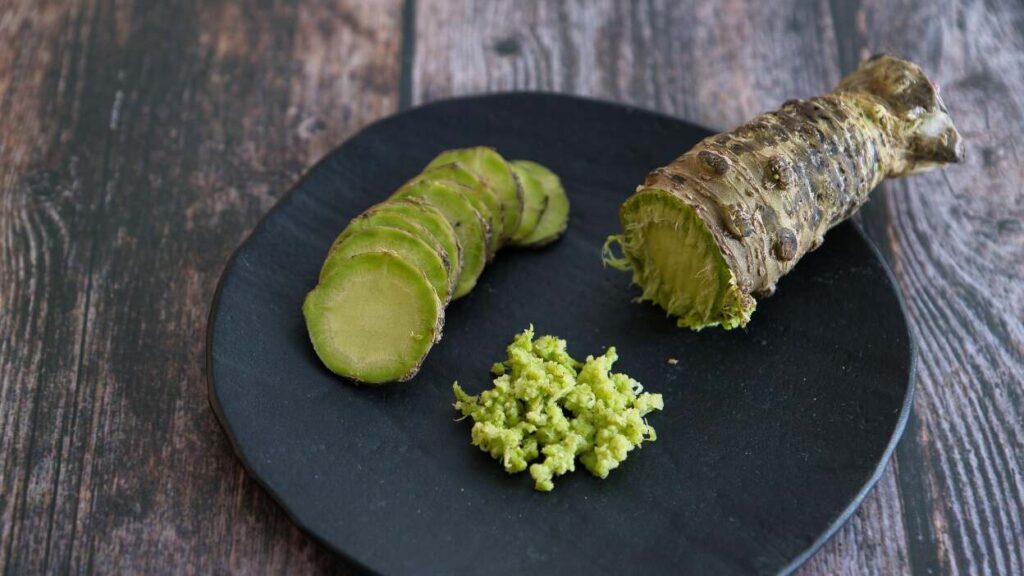
Wasabi is a perennial plant in the mustard family native to Japan. It is primarily used as a condiment in Asian cuisine, in which the stem is ground into a paste and typically paired with sushi or sashimi. The leaves and flowers are also sometimes served in salads. Wasabi requires unique growing conditions, and most commercial versions of the condiment are horseradish-based because it is easier to grow and has a similar flavor. Genuine wasabi is prized among culinary experts and fetches a premium price on the market. Stems can be sold to restaurants, direct to consumers, and made into value-added products.
Wasabi’s high value and shade tolerance makes it ideal for small acreage forest farming but is limited by its habitat requirements. It requires cool, wet conditions throughout the growing season and is sensitive to high temperatures and freezing conditions, making the coastal Pacific Northwest one of the few places in the U.S. suitable for cultivation (Miles 2019). The glacial-fed streams in the region provide a source of cool water, which is ideal for production.
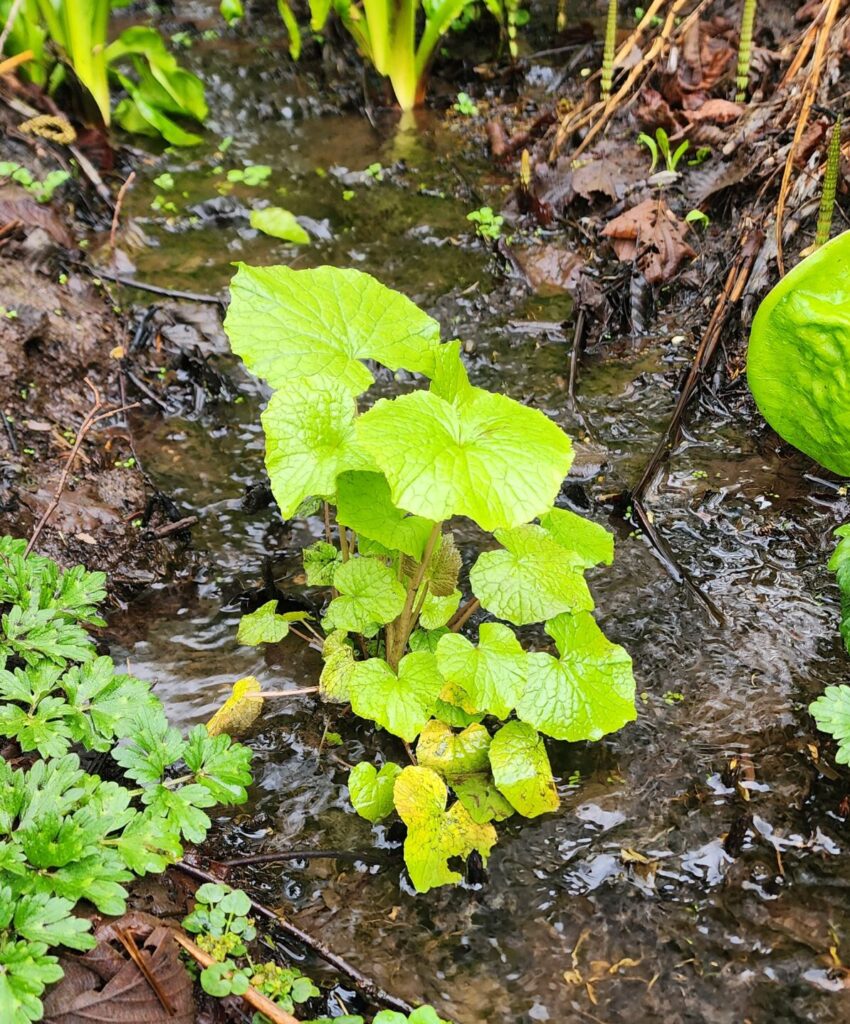
Wasabi is typically grown in semi-aquatic systems in greenhouses or under shade nets where the shade, nutrients, and water temperature can be carefully controlled. However, it has also been grown in forested settings, including in western Washington, where site conditions allow (Miles 2019; Shults, personal observation). The range of suitable conditions in natural areas and their effects on establishment, growth, and yield of wasabi is not well understood. It has been observed growing well in natural springs and streams with gravel beds as it cannot handle significant ponding and stagnant water. However, it has also been observed to grow in wet soils high in organic matter, provided there is still adequate drainage.
Overview and Inputs
Wasabi has specific site requirements but, where the conditions are met, it has been observed to thrive with minimal additional inputs beyond establishment. However, it should be noted that it does not behave invasively, despite not being native to the Pacific Northwest. If the conditions are not adequate, inputs may include soil amendments to alter hydrology, installing planting boxes, and irrigation. Wasabi is difficult to start by seed, and many beginning growers may elect to purchase plant starts, which often range from $15-$25 per plant. However, plants produce abundant offshoots, which can be collected and replanted to expand the system.
In one case in Washington State, wasabi was established in the bed of a spring-fed stream on a hillside by installing planting boxes into the streambed. A wooden frame was installed with cement board (perforated for drainage) used as the foundation. The boxes were filled with a mix of gravel, sand, and organic soil. These boxes provided adequate drainage and growing medium for wasabi while taking advantage of the year-round cool, flowing water from the spring. It also prevented wasabi from growing outside of the boxes into the rest of the stream area. This method was successful, and the system has persisted for over twenty years with minimal inputs.
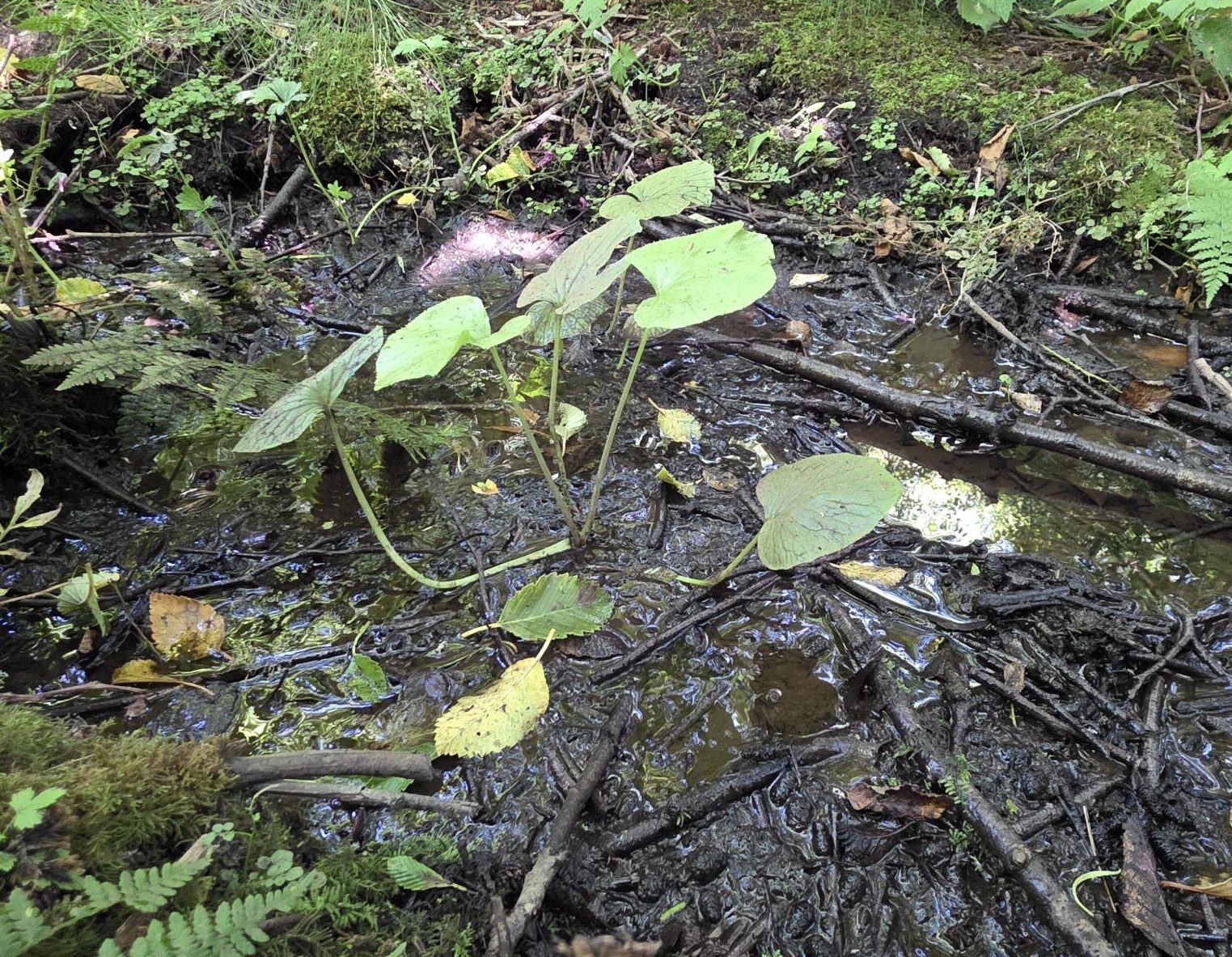
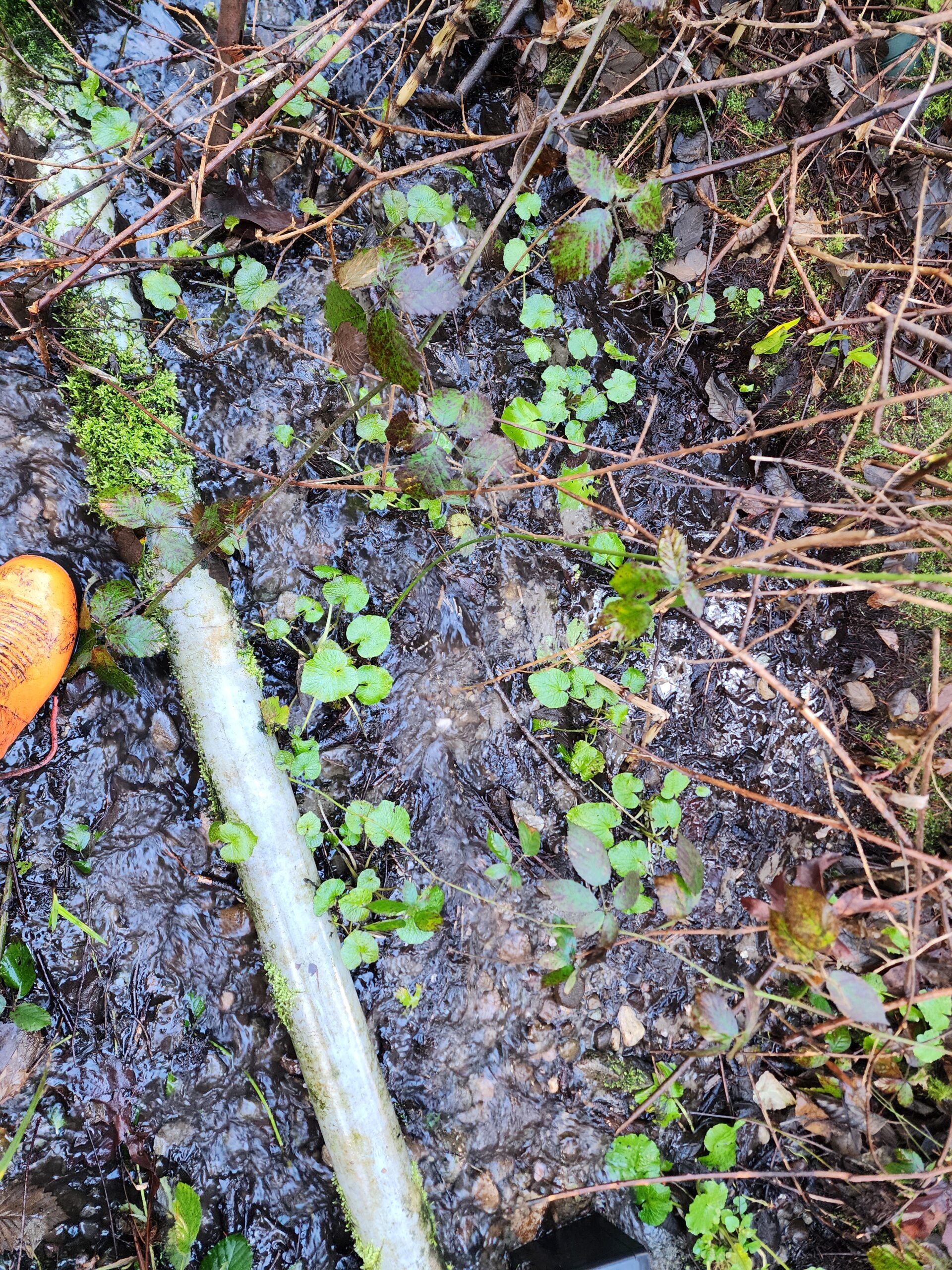
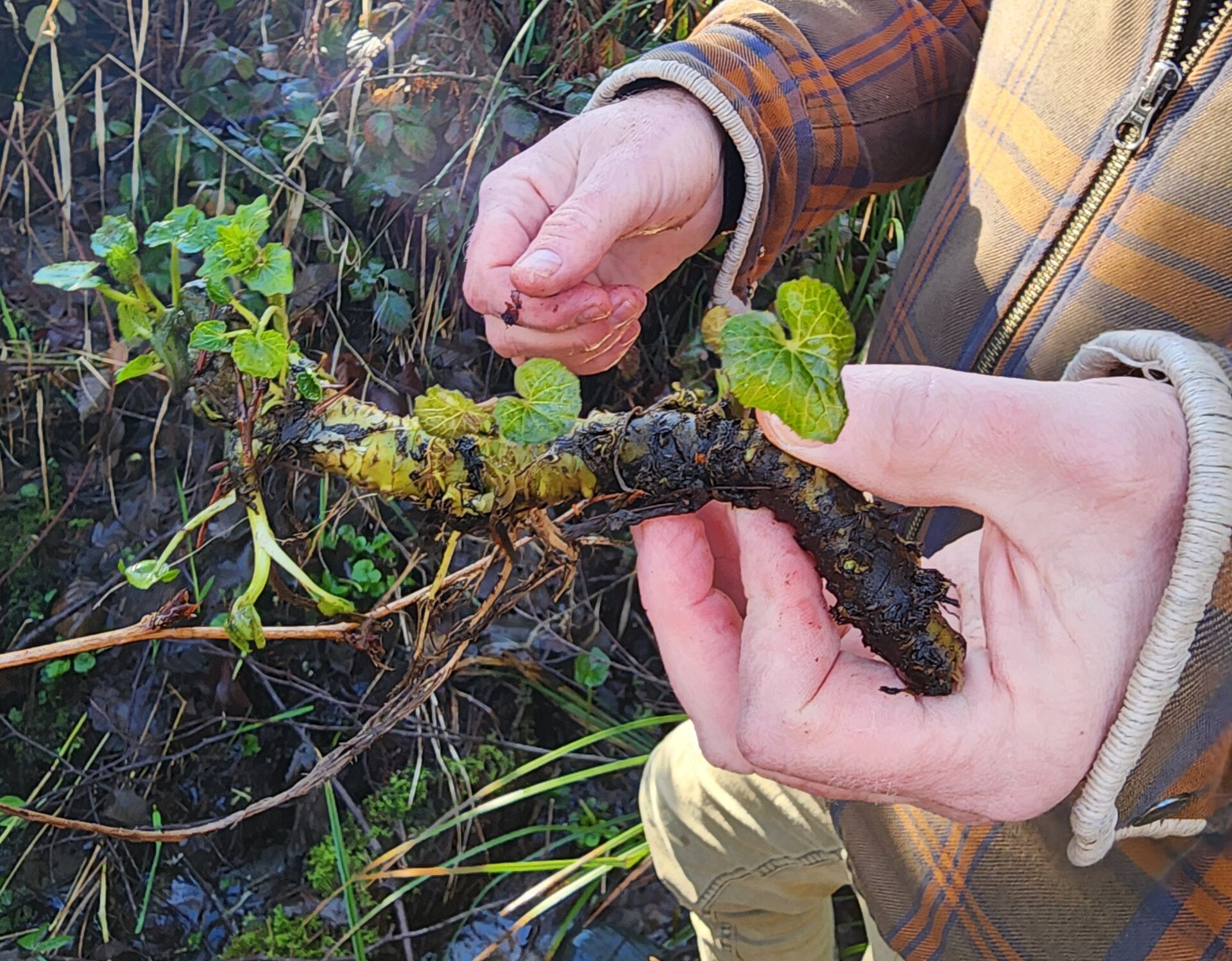
As previously mentioned, the range of conditions under which wasabi will grow in the Pacific Northwest is not well understood. Growers in Oregon report that wasabi can be grow in upland soils on streambanks and even in potting soils indoors, without constant, cool water available. However, it is not known how these conditions impact stem production and quality. The fact that most wasabi production systems in Asia are semi-aquatic suggest that growing in upland soils in forested habitats may not be ideal for production without supplemental irrigation, even if it is able to successfully establish. More field trials are necessary in Washington State to better understand and identify suitable growing conditions for wasabi production in forested habitats.
Considerations for Riparian Buffers
Given wasabi’s habitat needs it has significant potential for working riparian buffers. It can be grown in the inner zones of buffers where natural conditions are more suitable or in outer zones with necessary amendments.
Regulatory barriers present a significant caveat to whether wasabi is a good fit for your working riparian buffer, particularly if you intend to grow wasabi in a streambed. Altering stream conditions through installation of plant boxes or adding substrate like gravel may interfere with state and local riparian protection laws. This may require permitting, such as a hydraulic project approval (HPA) or be restricted entirely. Other inputs like fertilizers or pesticides are likely to be further restricted, and should be avoided if possible. Non-fish bearing streams or ephemeral water sources like springs are less likely to be subject to regulatory barriers, but it is important to cover your bases before investing in a wasabi production system. Start by assessing your site and determining whether and what amendments are necessary so that you can create a clear plan and receive guidance from the appropriate agency (see resources below).
Although less is known about growing wasabi in the soil upland from streams, it is subject to far less regulatory restrictions than growing it in stream. Only the stems and leaves of wasabi have value, which means there is little or no soil disturbance necessary during harvest. However, care should be taken to reduce the potential for soil erosion into streams and other water sources when preparing a site for wasabi establishment. Installing raised beds can reduce the risk of soil erosion, help prevent competition with nearby vegetation, and create a more ideal growing media for production.
Guides and Resources
- Forest Farming Wasabi – Appalachian Forest Farmers Coalition (Youtube Series)
- Growing Wasabi in the Pacific Northwest – WSU Extension
- How to Grow Wasabi in Your Garden – Utah State University Extension
- The Wasabi Store (Oregon)
- Sells wasabi plants, but also provides educational videos, articles, and FAQ