We know it is January and the beginning of a new garden season because the seed catalogs are arriving. We love to dream over them and begin to make our lists. For me, it feels like being a kid once again and looking through the Sears catalog at Christmas time.
What we might notice is that seed prices have risen this year. Some packets note how many grams are inside, but others might note the actual number of seeds. That amount can vary for the same price.
To save money and avoid unnecessary garden failures, carefully read the catalog descriptions. Is the plant hardy in Yakima? Does it need full sun or deep shade? Do the seeds have a long and difficult germination period? Do the seeds need cold stratification before planting?
For vegetable seeds, choose varieties that do not take more days to harvest than our growing season is long.
Careful consideration of these factors can save money and make you a more successful gardener.
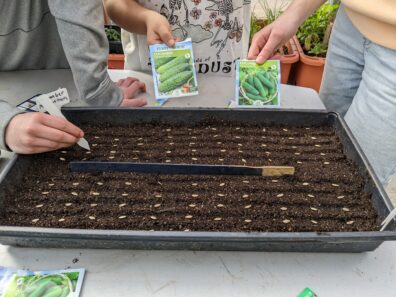
Master Gardeners are frugal, and we’re having more respect for seeds this year. We have created and maintain several Master Gardener display gardens, and start many of the plants we need from seed in our greenhouse. Some of us have the patience to meticulously plant seed by seed (even the tiny ones) with perfect spacing. Others, lacking those virtues, plant way too thickly which means heavy thinning and tossing of a multitude of extras.
When we don’t use the entire packet, we’re making sure those leftover seeds are kept dry and stored properly. Master Gardeners hold many classes for the public in our gardens and this growing season, we’ll be teaching to be less wasteful of seed resources.
We know it is January by watching birds in our yards. Birds are natural hustlers when it comes to food but sometimes they need a little help, especially when there is snow on the ground. If you did very little clean-up in your gardens, you are supplying birds with seed heads from ornamental grasses and perennials. You can supplement their feed by installing a bird feeder and keeping it filled. A favorite of just about all wild birds is black oil sunflower seeds, and it will surprise you how much they can eat in a day. Finches love thistle seed, but it must be put in a specific feeder.
Birds also need water and it can be difficult to find in freezing temperatures. There are warmers you can install, or you can fill their bird baths by bringing them water from your home each day in freezing weather. Many Master Gardeners find observing birds in our yards a very affordable entertainment. We encourage you to join us.
We know it is January by the many fallen leaves still lingering in our yards. After reading Carol Barany’s October column about ‘Leaving the Leaves,’ many of us have become believers. It is a learning process. We have been conditioned to have the tidiest yard on the block and find ourselves raking and raking, and then figuring out how to dispose of piles of leaves. Instead of sending them to the landfill, many of us leave them tucked up around our perennials to help protect their roots. Other leaves can be scattered over garden beds, helping save the lives of pollinators that are comfy under that blanket.
And lastly, we know it is January because we find ourselves saying we’re bored and have nothing to do. Dr. Roy Vandenburg began the Master Gardener program here in Yakima County decades ago and one of the first things he taught us as new students was to take your morning coffee and make a daily walk through the garden in all seasons.
In January you’ll see more clearly the structure of now leafless shrubs and trees. Branches that are crossed, limbs broken from the wind, or other spots that could use some pruning are more clearly revealed. Maybe you’ll discover a special bird nest of colorful threads and feathers that was hiding when there were leaves hiding it.
These walks are a good time to take some mental notes of changes you want to make later. Try taking that walk and you will feel better.
Another idea for those experiencing gardening withdrawal might be to do some creative building. This might include simple projects like using some of your prunings to create some trellises, or giant projects like building a potting bench or even a potting shed.
Join us in embracing January for all it has to offer.