by Debra Kroon, Yakima Master Gardener
It may be the rare gardener these days who has not heard about the push to encourage more use of native plants in our gardens.
What is a native? According to the National Resource Conservation Service of Washington State, a native plant is “an indigenous species that has evolved naturally in a particular region, ecosystem, and habitat, specifically existing on the continent prior to European settlement. These plants are considered part of the natural balance that has developed over hundreds or thousands of years in a specific area.”
Derby Canyon Natives in Peshastin, founded in 2002 by Ted Always and taken over in 2022 by Mel Asher, is a specialty nursery growing wildflowers, grasses, shrubs and trees native to Central Washington.
Mel spoke with our local Master Gardeners earlier this year about native plants. She shared the benefit of planting natives, one of which is less watering and sometimes no watering.
The deliberate emphasis on choosing native plants has encouraged gardeners to change gardening practices from water-reliant plants, especially turf, to more drought tolerant plants. Why should you care? Water is a precious resource that sadly, many of us waste without much thought. Lawns are the most irrigated crop in the U.S. that we do not take to market (turf farms excluded), with 30-60% of urban fresh water used for them. Compared to native gardens, turf grass will use anywhere from 50% to 85% more water. The US Environmental Protection Agency estimates that 50% of the water used outside is wasted due to evaporation, wind and runoff due to improper use or inefficient irrigation systems.
Gardening for the whole ecosystem is also a vital factor in using native plants. Many of our insects/wildlife rely on native plantings. We have many ‘specialist’ insects that only feed or lay their eggs on just one particular plant. Most insects are specialists. A highly recognizable example is the Monarch Butterfly. This insect lays eggs on milkweed, which the developing larvae eat, rather voraciously, as they develop until they form their chrysalis.
Native birds feed on native insects.
It is important to consider diversity to provide stability in the ecosystem, to increase nutrient-rich food sources for the various co-evolved pollinators, insects, and birds while benefiting soil health, all the while reducing water usage and pressures of a changing climate.
How many diverse insects? For example, a prunus may host over 200 different caterpillars. A willow will have over 240 caterpillars. Rabbitbrush have over 90 species of pollinators that seek nutrition and habitat. It is rather amazing what you will see on your plants if you take the time to study them.
When working with natives, do your homework. There are many good resources to guide you, including these:
- “Landscaping with Native Plants of the Intermountain Region” is a publication from the Bureau of Land Management, Technical Reference 1730-3 December 2003;
- “Native Plants of Eastern Washington” is a publication from the Native Plant Society, Columbia Basin Chapter;
- Consider “Gardening with Native Plants of the Pacific Northwest” by Arthur R. Kruckeberg and Linda Chalker-Scott, revised 2019.
- Check out WNPS.org for more information.
Take a tour of gardens that have already ‘gone native’ to get an idea of what is possible. The Heritage Garden Program was developed to help homeowners transition to native gardening. Program specialists will come to your gardens and discuss any plans you might have to begin the transition. They will also draw up a suggested plan, along with a recommended plant list to get you started, at no charge. The program was started in 2010 in Benton County. Today the Heritage Garden Program is offered in seven counties in partnership with seven local conservation districts and three chapters of the Washington Native Plant Society.
Once you have your plan and know what plants you are looking for, keep in mind that most ‘strictly’ native plant nurseries are not usually open year-round. The very best time to plant natives is in the fall. Natives tend to have very long tap roots, which is why they are better suited to dry and drought conditions. Planting them in the fall allows the roots to settle in and not struggle during the heat of the summer. Keep in mind that you will need to apply a little extra water, even to natives, in the first year or so. The clever, but true, statement about natives is the first year they sleep. The second year they creep. The third year, they LEAP! Don’t be discouraged if the first year or two they look scrawny, puny, or even dead. They are not. They are building reserves for that big leap. Pay attention to planting spaces and depths. Remember that third year. I find it works best if I ignore them, except for watering. Then, when I think of checking on them, I’m amazed at how they have grown.
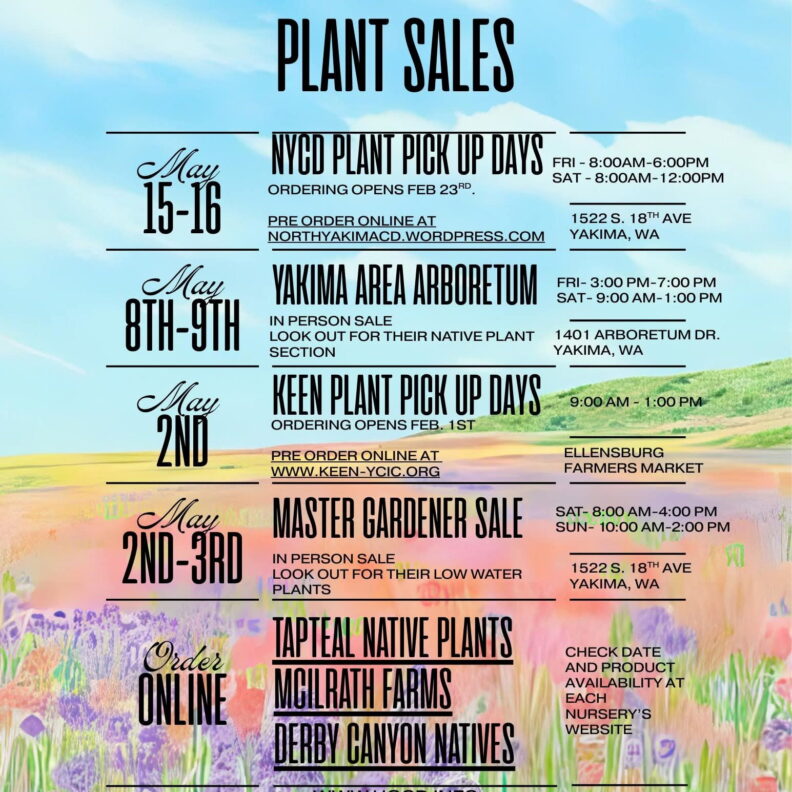
More and more local nurseries are offering native plants, so make sure you check them out. And who doesn’t love a great plant sale? Check out the following sources and add some native and xeric plants to your garden this spring.