Family, Youth Development, and 4-H
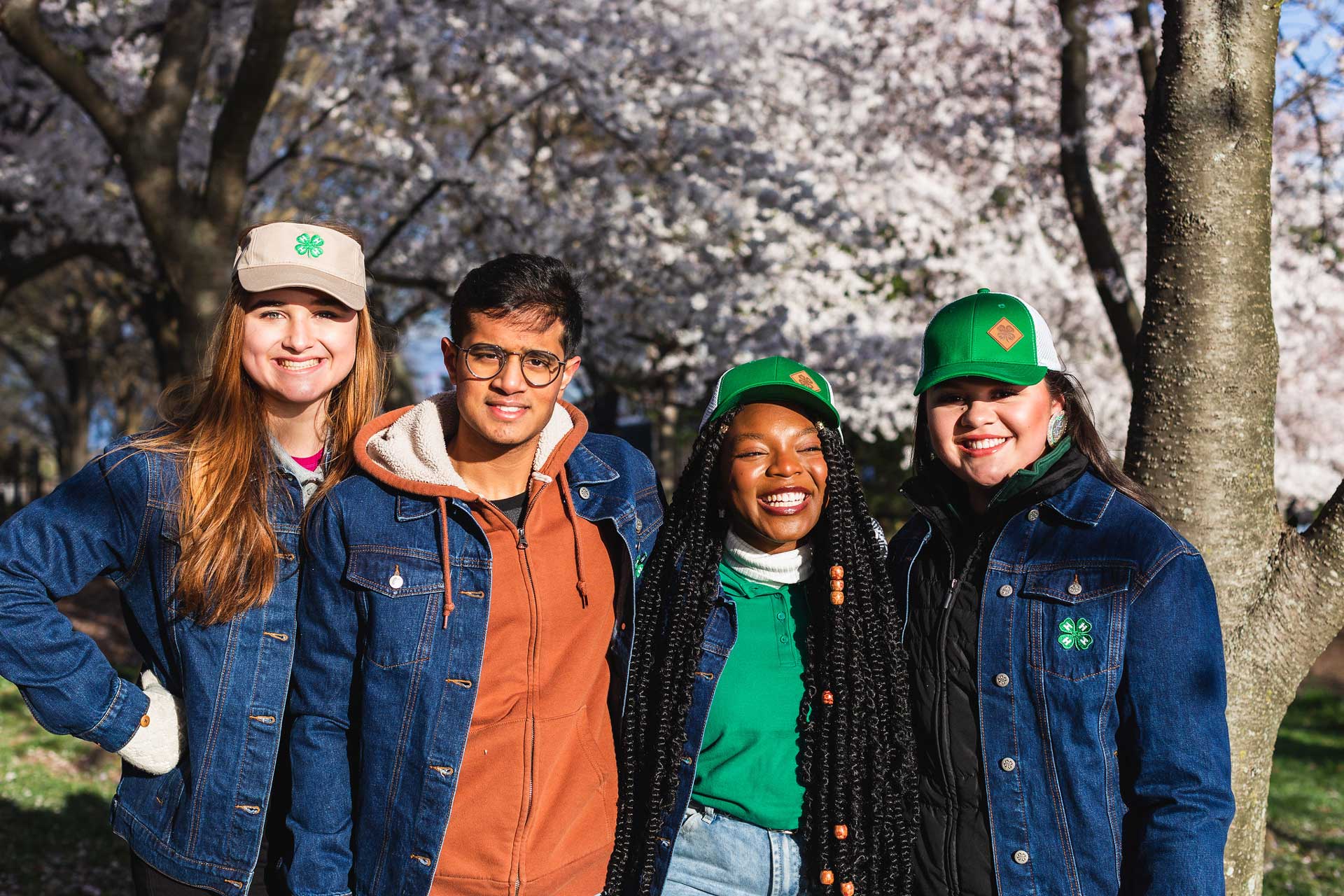
Welcome to Washington State University Extension’s Family, Youth Development, and 4-H programming. We support a Resilient Washington by empowering individuals and families through education, community outreach, and hands-on learning. We foster youth leadership and civic engagement, enhance family well-being, and promote lifelong skills development across the state, fulfilling the land-grant mission by applying research to enrich individuals and communities. Our 4-H programs empower youth to reach their potential to become catalysts for positive change, while our prevention resources strengthen family communication and well-being outcomes. We are dedicated to providing accessible, research-based education and services that enhances the lives of Washingtonians in each county and Tribal Extension. Explore our program topics to get started.




Related News
- WSU 4-H workshop teaches animal care to Colville Reservation youth and families
- Hug your boo: More affection — not equal amounts — strengthens romantic ties
- WSU Extension research showing goodwill toward neighbors boosts health outcomes
- WSU associate professor receives award for impactful prevention work with communities, youth
- High schoolers more at risk for firearm-related violence, WSU-led study shows
Related Publications
Find An Expert
-
988 Suicide and Crisis Lifeline
Source: 988lifeline.org
The 988 Suicide & Crisis Lifeline provides free and confidential emotional support to people in suicidal crisis or emotional distress 24 hours a day, 7 days a week, across the United States.
-
American Diabetes Association
Source: American Diabetes Association
We lead the fight against the deadly consequences of diabetes and fight for those affected by diabetes.
-
Basic Food
Source: Washington State Department of Health (DOH)
The U.S. Department of Agriculture Supplemental Nutrition Assistance Program, or SNAP, called Basic Food in Washington, helps people with low incomes make ends meet by providing monthly benefits to buy food.
-
Being Prepared for a Crisis
Source: National Alliance on Mental Illness (NAMI)
NAMI is the National Alliance on Mental Illness, the nation’s largest grassroots mental health organization dedicated to building better lives for the millions of Americans affected by mental illness.
-
Crisis Connections
Source: Crisis Connections
Since 1964, Crisis Connections has been a trusted nonprofit serving Seattle, King County, and Washington State. Our mission is to foster resilience and well-being for all by connecting people to accessible and compassionate support
-
Diabetes Prevention and Management
Source: Washington State Department of Health (DOH)
The Department of Health works with others to protect and improve the health of all people in Washington state.
-
DOH Community & Environment
Source: WA State DOH
-
Farmers Market Food Access Forums
Source: Washington State Farmers Market Association
Food Access Forums are organized by the Washington State Farmers Market Association for farmers market organizers and local, regional and statewide food access partners to come together. We highlight successful initiatives that increase healthy eating, provide opportunities to ask questions about SNAP, SNAP Market Match and the Farmers Market Nutrition Program, and find new ways to collaborate with farmers markets.
-
Food Access at Farmers Markets
Source: Washington State Farmers Market Association
Farmers markets throughout Washington offer food access programs such as the Farmers Market Nutrition Program for WIC and Seniors, the Supplemental Nutrition Assistance Program or SNAP EBT, and a special fruit and vegetable program called “SNAP Market Match.” Farmers markets are a vital source of fruits, vegetables, and other local foods for SNAP and FMNP shoppers, promoting healthy eating for everyone.
-
Food Benefit Programs at Farmers Markets
Source: Washington State Farmers Market Association
Information about Food benefit programs including SNAP EBT, WIC and Senior Farmer Market Nutrition Program, SNAP Market Match.
-
Food is Free Washington
Source: Food is Free Washington
Food is Free Washington is a 501©(3) charitable organization
Our mission is to provide, and enhance equitable access to, healthy, locally produced food, at no cost, to those who need it, in the State of Washington.
-
Living Works
Source: Living Works
We are LivingWorks – the world’s leading suicide prevention and intervention training company. We believe that suicide can be preventable, and everyone can play a role in building suicide-safer communities.
-
National Alliance on Mental Illness – Skagit
Source: National Alliance on Mental Illness (NAMI) Skagit
The families and members of NAMI Skagit are here to help! We offer understanding to anyone concerned about mental illnesses and the treatment of mental illness.
-
National Alliance on Mental Illness – Snohomish and Island Counties
Source: National Alliance on Mental Illness (NAMI) Sno-Isle
NAMI Snohomish & Island Counties (Sno-Isle) is a NAMI affiliate in Washington state. NAMI Sno-Isle offers free peer support, education and outreach programs, and engages mental health advocates in their communities.
-
National Alliance on Mental Illness – Spokane
Source: National Alliance on Mental Illness (NAMI) Spokane
NAMI Spokane offers hope and health for people who are experiencing mental health concerns and their families today, as we work to build a stigma-free tomorrow. Our education programs, support groups, and advocacy are offered at no cost to participants, and are all peer-led, by someone who has walked the same path.
-
National Alliance on Mental Illness – Whatcom
Source: National Alliance on Mental Illness (NAMI) Whatcom
NAMI Whatcom is a local affiliate of the National Alliance on Mental Illness, the nation’s largest grassroots mental health organization. We are dedicated to building better lives for the millions of Americans affected by mental illness by providing free support groups, classes, and education forums to the community.
-
National Alliance on Mental Illness Washington
Source: NAMI
NAMI Washington, is the State office of the nation’s largest grassroots mental health organization dedicated to building better lives for the millions of Americans affected by mental health conditions.
-
National Diabetes Prevention Program
Source: CDC
The National Diabetes Prevention Program—or National DPP—was created in 2010 to address the increasing burden of prediabetes and type 2 diabetes in the United States. This national effort created partnerships between public and private organizations to offer evidence-based, cost-effective ways to help prevent type 2 diabetes.
-
Northwest Rural Opioid Technical Assistance Collaborative (NW ROTAC)
Source: Northwest ROTAC
The Northwest Rural Opioid Technical Assistance Collaborative (NW ROTAC) is a partnership between Washington State University’s Center for Rural Opioid Prevention, Treatment, and Recovery (CROP+TR) and Oregon State University’s Coast to Forest with the goal of developing and disseminating training and technical assistance (TTA) to rural communities for prevention, treatment, and recovery from opioid misuse.
-
QPR Institute
Source: QPR Institute
QPR stands for Question, Persuade, and Refer — the 3 simple steps anyone can learn to help save a life from suicide.
-
Regional Leads
Source: Washington State Farmers Market Association
The WSFMA helps farmers markets run successful food access programs such as WIC and Senior Farmers Market Nutrition Program (FMNP), SNAP, and SNAP Market Match.
-
Rural Resilience
Source: Farm Credit
Free Farm Stress Training for Extension Agents to support rural communities and agriculture during this difficult farm economy. Training materials developed by Farm Credit focused on mental health and stress management.
-
Suicide Prevention
Source: DOH
Because suicide is one of the leading causes of early death in Washington, preventing it improves the health of Washingtonians and our communities. The Washington State Department of Health is taking many actions for suicide prevention.
-
Suicide Prevention Resource Center – Washington
Source: Suicide Prevention Resource Center
The Suicide Prevention Resource Center (SPRC) is the only federally supported resource center devoted to advancing the implementation of the National Strategy for Suicide Prevention. SPRC is funded by the U.S. Department of Health and Human Services’ Substance Abuse and Mental Health Services Administration (SAMHSA).
-
Washington’s Suicide Prevention Coalitions
Source: Washington State Department of Health (DOH)
In many communities across Washington State, community members have formed local suicide prevention coalitions that meet regularly.