By Twinflower Wilkie, WSU Master Gardener
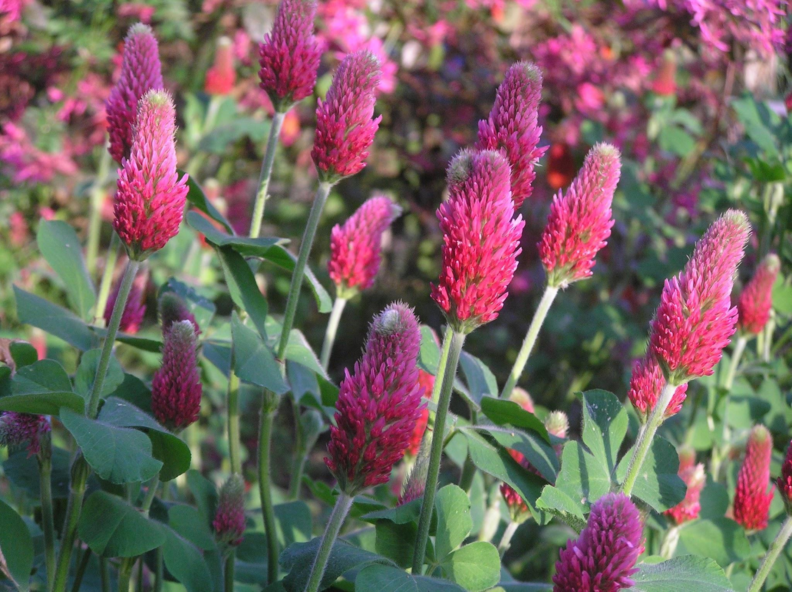
Although I wrote an article last year on cover crops, I was recently interviewed for the Evergreen Thumb Podcast. My interview was titled “Cover Crops: The Easy Way to Improve Your Soil”. Through that interview, I realized I had more to share regarding cover crops, and with Fall coming quickly, I figured it would be a good time to revisit the topic.
With that being said, let’s begin with a reminder of what cover crops are. They are plants that are grown to provide a cover to bare soil. Some cover crops may provide a harvest worthy crop, but their main purpose is to protect and improve the soil. Cover crops can be annuals, biennials or perennials including:
- Legumes, such as field peas, fava beans, lentils or clover, which are used to fix nitrogen in the soil. Some can withstand winter cold and some cannot.
- Cereals, such as winter wheat, oats or barley, which are quick growing and easily established. Annual rye can live through our winters and is inexpensive.
- Leafy plants, such as members of the mustard family, which are deep rooted, cold tolerant, and naturally reduce soil pathogens. Buckwheat is a leafy plant popular for summer cover cropping.
- Mixes of legumes, grains, and leafy plants, offering a variety of benefits. Root crops like turnips or radishes are often used in mixes to break up compacted soil.
Any gardener, including you, can incorporate cover cropping into your routine with a little planning. There’s no need to be intimidated, and the benefits are worth the planning. Cover crops benefit your garden by adding organic matter and nutrients, reducing soil compaction and loss of soil nutrients, retaining moisture, controlling weeds, reducing soil erosion by wind and rain, and last but not least, attracting beneficial insects.
If you are considering using cover crops to improve your soil, you should know there are three main times during the year to seed cover crops. The nearest opportunity for us is in the fall. Specifically, you’ll want to seed as soon as the summer harvest is cleared away, and at least 3 weeks before the first frost, so the crop can get established.
The next opportunity is in the spring. During this window of time, you’ll want to plant crops that will cover fallow ground or plant shorter cover crops in between large plants, for instance, buckwheat or crimson clover between brussels sprouts.
The remaining opportunity comes in summer. As crops like radishes or spinach are removed, replace them with something like perhaps a pollinator mix for the rest of the summer season. In late summer, plan to plant crops that will grow quickly and die over the winter.
If you are wondering where it might be best to plant cover crops, the answer depends on the time of year. During the winter, your whole garden can be growing a cover crop. During the rest of the year you can seed just the areas that aren’t currently in use.
If you decide you want to plant cover crops, let me give you some step-by-step instructions to help get you started.
Step 1: Establishing your cover crop
- Decide which benefits your garden needs most and plan ahead to have the appropriate seed on hand when the timing is right. Wait for a rainy spell to help with germination.
- When you are ready to seed, work up the soil. It doesn’t need a deep tilling, but it should be weed free and raked or loosened with a spading fork.
- Following the recommended seed per area ratio, broadcast the seed evenly, spreading it in both directions. Seed the area with a broadcast seeder or by hand using smooth, even, sweeps. Small seeds will be easier to see and handle if mixed with sand.
- Rake the soil again and firm it down.
- Water well and often until your crop is well established.
Step 2: Terminating your cover crop
- Choose a method. If you planted a “winter kill” cover crop, just leave it in place. If you planted a perennial for permanent cover, just leave it in place.
- Choose the mulching option if your soil is already loose and rich in organic matter. Cut it with a scythe or machete, or crush it with a roller or just stomp it down. Hoe or till a row where you want to plant.
- If you want to use your cover crop to improve your soil tilth and fertility, work the plant matter in by tilling or using a spading fork at least three weeks before planting time to break down before planting your main crops.
Cover crops will greatly improve the soil health of your garden, and they are fairly simple to grow. If you ever have any questions regarding cover crops, please contact WSU Ferry County Extension, and one of the certified WSU Master Gardeners will help you as soon as possible. We can also help with any other gardening questions you may have. We hope to hear from you soon!
Resources:
- Cover Crops for Home Gardens East of the Cascades
- Cover Crops and Crop Rotation
- Cover Crop Basics
- Cover Crop Selection
Seed Sources:
- Wild West Farm and Garden, Republic WA, (509) 775-2500
- Rainier Seeds, rainierseeds.com, (509) 581-5138
- True Leaf Market, trueleafmarket.com, (801) 491-8700
- Johnny’s Selected Seeds, johnnysseeds.com, (877) 564-6697
- Territorial Seeds, territorialseed.com
To learn more about the Master Gardener program in Ferry County contact the Extension office, (509) 775-5225, X1115, aaron.urseth@wsu.edu 350 E. Delaware Ave. #9, Republic, WA 99166. Master Gardeners is a WSU Extension program, which is available to all without discrimination. Evidence of noncompliance may be reported through your local Extension office.