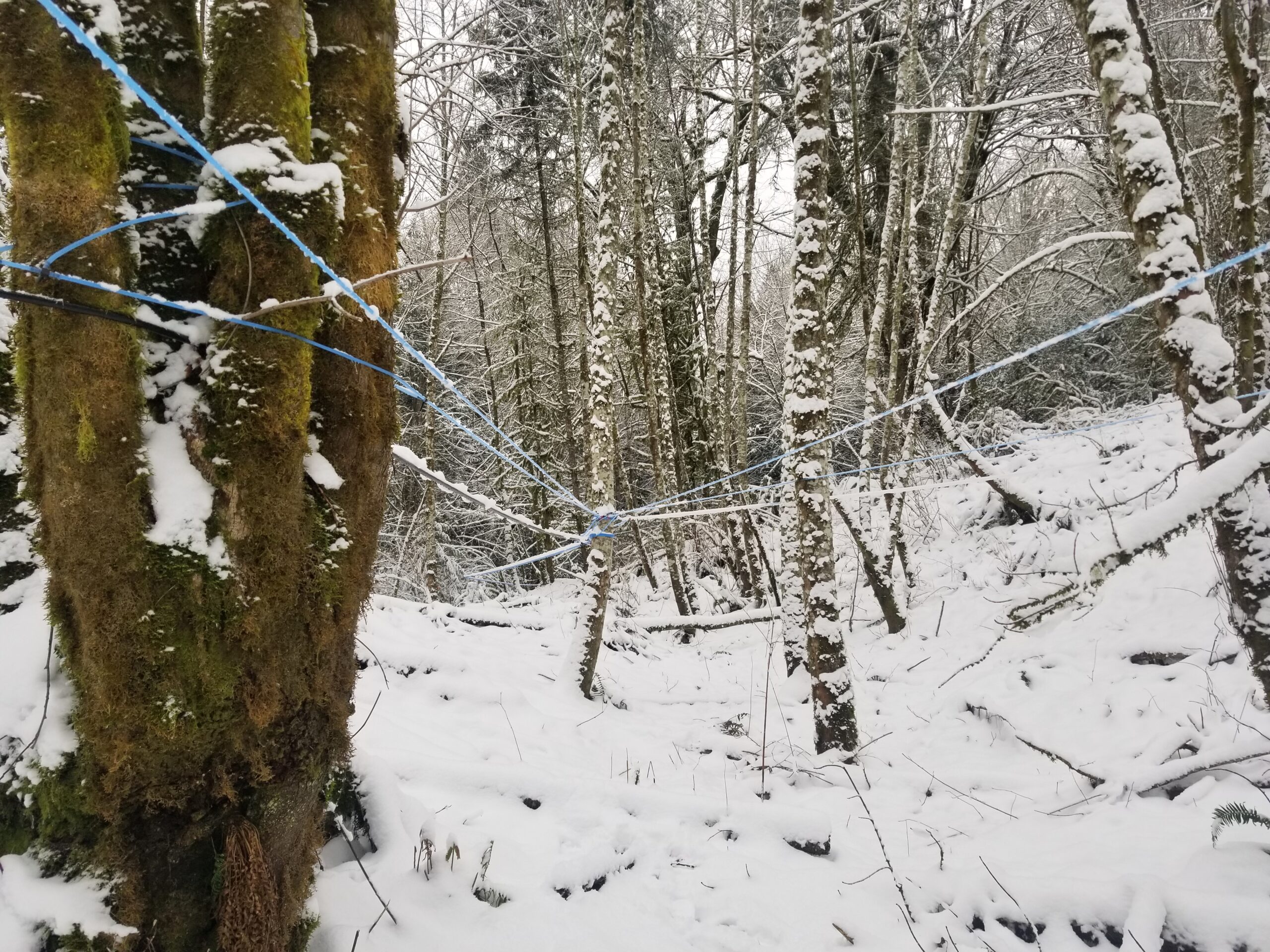
Bigleaf Maple Syrup Toolkit
Welcome!
This is a resource hub for all things related to bigleaf maple sugaring. “Sugaring” is the the term used for the process of harvesting sap from trees and processing it into syrup and other sugar products. Maples (trees in the Acer genus) are the most commonly tapped species because their sap has a higher sugar content than other trees and they produce large amounts of sap in response to specific weather conditions. This Toolkit will focus on tapping bigleaf maple (Acer macrophyllum) in Western Washington to make maple syrup.
Bigleaf maple syrup is a growing forest product in the Pacific Northwest and has a unique flavor with diverse culinary applications. It’s excellent in baked goods, sauces and marinades, candied meats and nuts, cocktails and drinks, over ice cream or pancakes, and more. Taste tests of bigleaf maple syrup have showed that people prefer it for its complex flavor profile, which often includes vanilla, coffee, caramel, butterscotch, wood smoke, and, of course, maple!
For forest owners, maple sugaring can be a fun hobby or an important source of income. However, for many in the Pacific Northwest, it is a very new concept. This toolkit will provide the basic skills and knowledge needed for someone with limited or no experience to start tapping and, for those that are more seasoned, resources on how to scale a sugaring operation for commercial production.
Explore the Toolkit
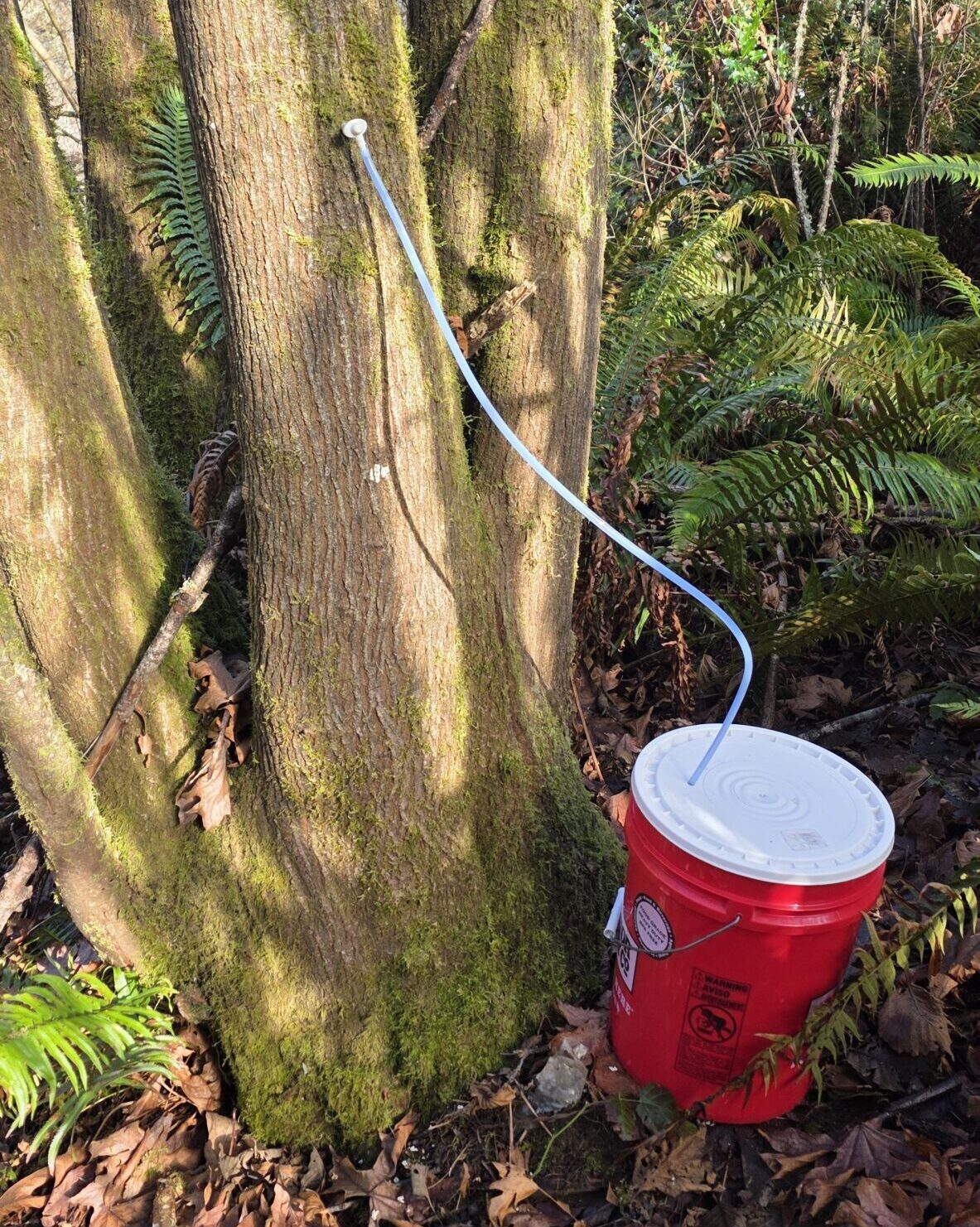
Beginners and Hobbyists
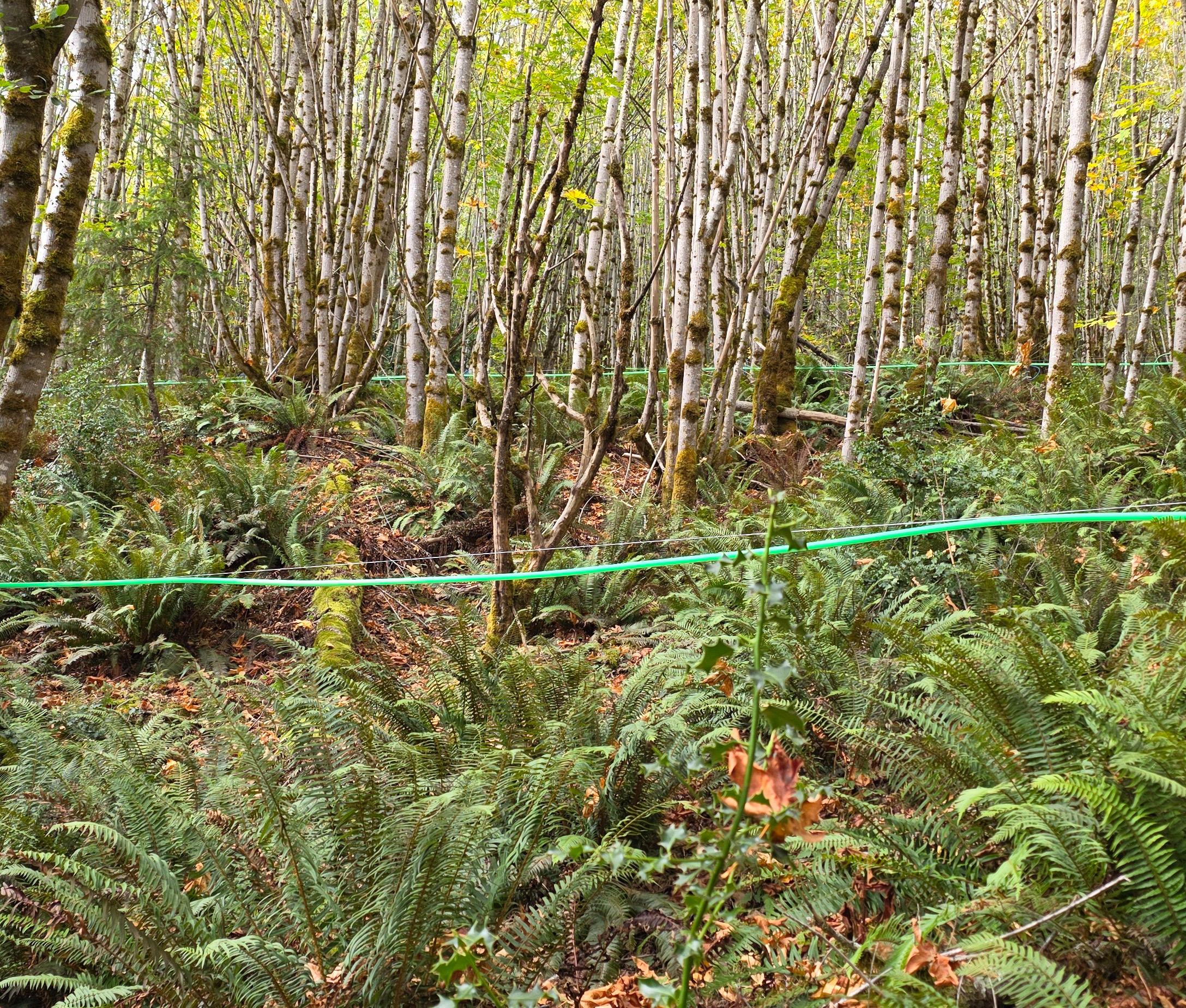
Commercial Producers
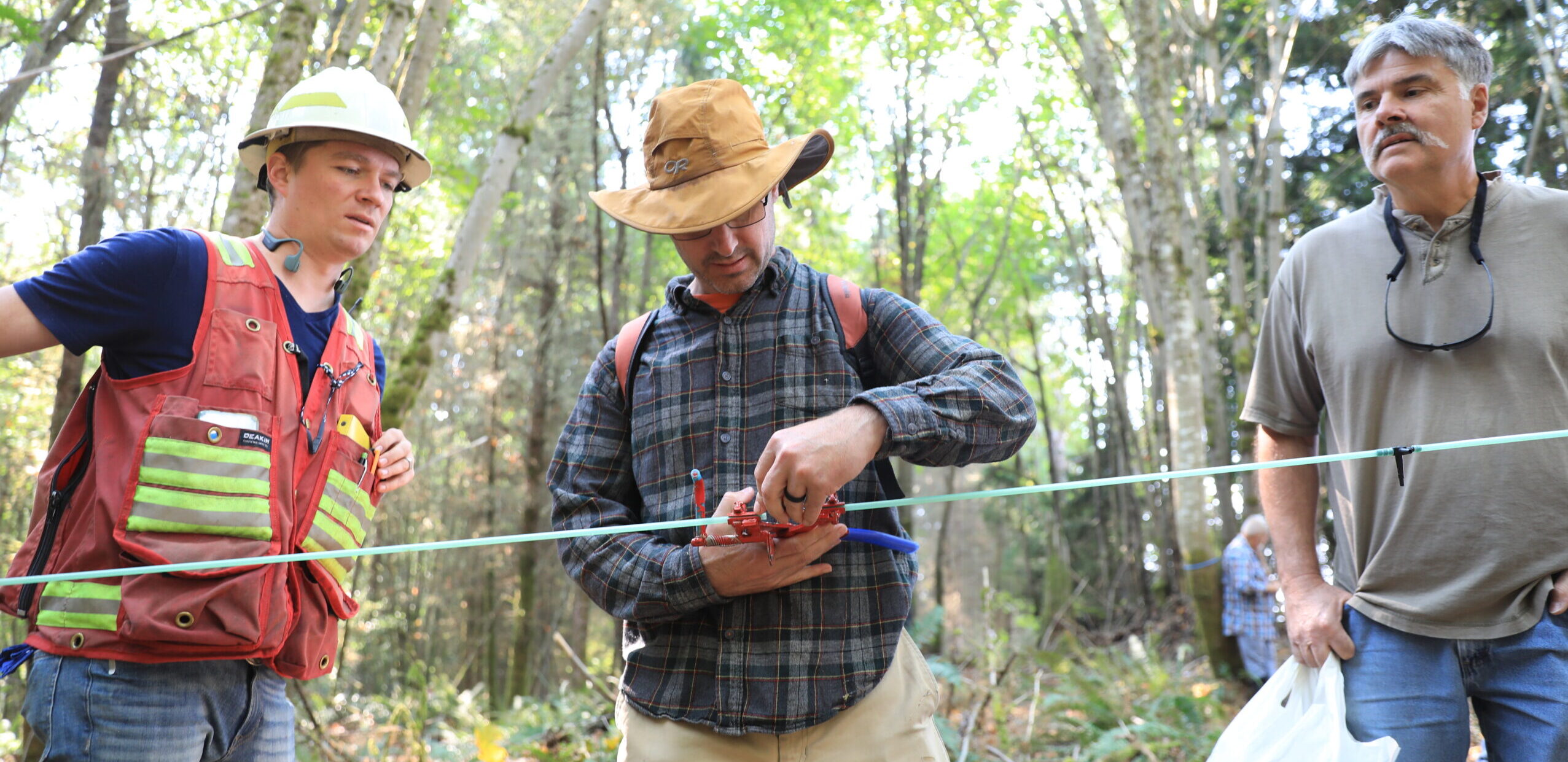
Get Involved
A Practice with Indigenous Roots
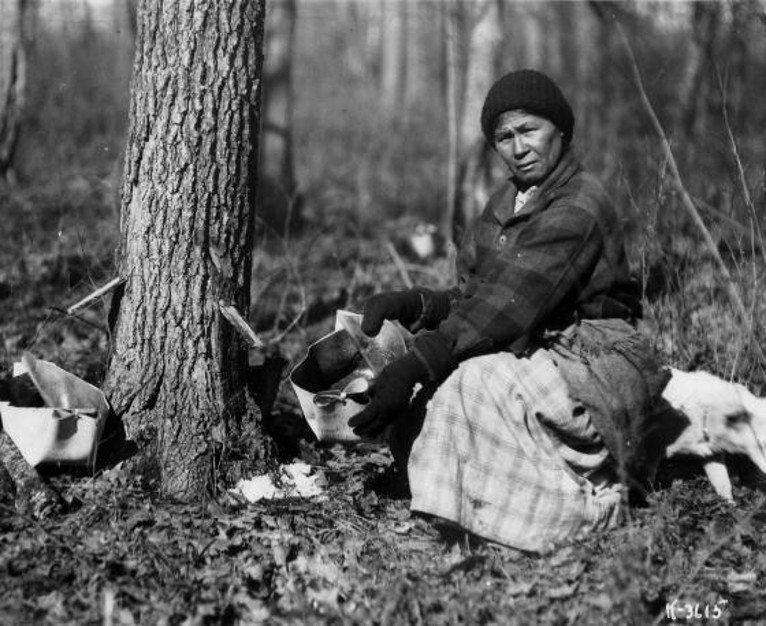
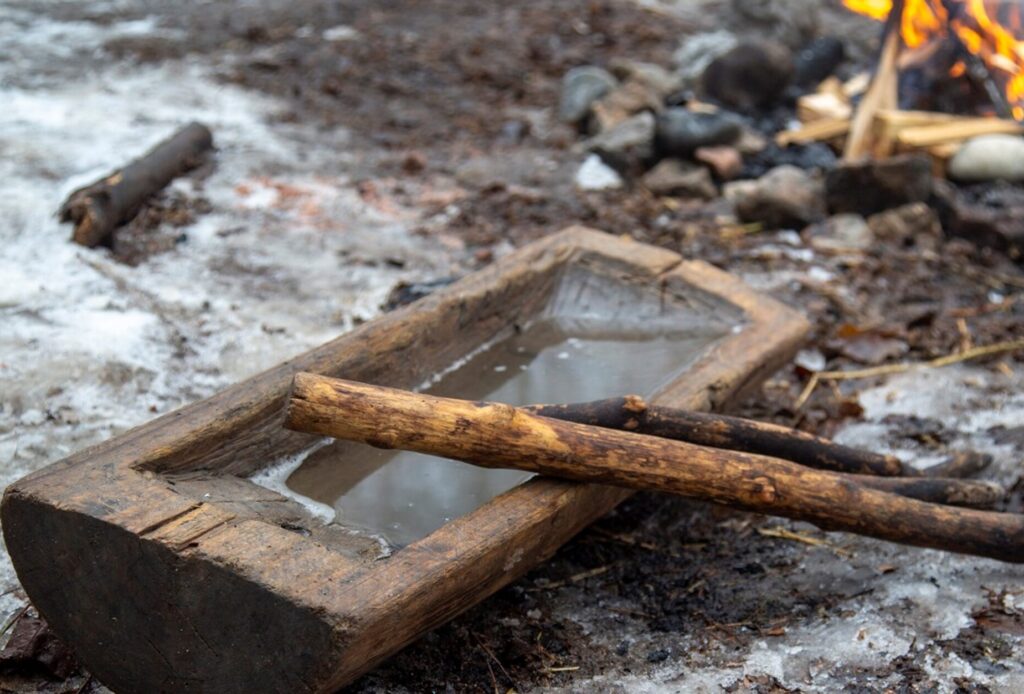
Although it doesn’t have a long history in the Pacific Northwest, maple sugaring is an age-old practice developed by Indigenous Tribes in North America. In what is now the eastern U.S. and Canada, sap has been collected and processed by these communities for millennia. They used stone or metal tools to notch holes in the bark and spiles and buckets made from plant fiber (e.g. birch bark). Prior to iron-cast kettles, the sap was processed in hollowed out logs using heated stones that were rotated between the sap and a nearby fire to maintain a boil. Most Tribes boiled the sap all the way down to sugar, using wooden paddles to stir in the final stages. Maple sugar stored for long periods and was an important food source throughout the year, particularly in the early spring while the sap was flowing.
Today, modern technology has streamlined the sugaring process, but the old ways are still practiced and enjoyed by Tribes throughout the region.
Conserving Bigleaf Maple’s Big Benefits
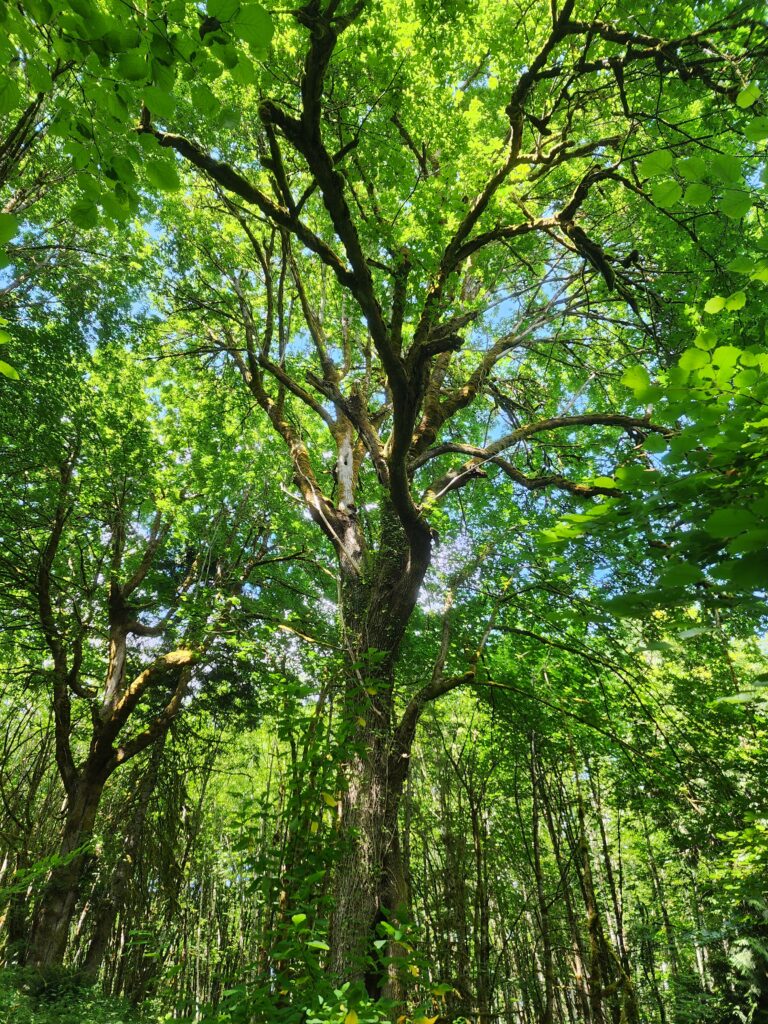
Bigleaf maple trees provide many benefits beyond a delicious, sustainably-sourced syrup. Despite sometimes being maligned as a “weed tree”, these trees do a lot of heavy lifting when it comes to habitat. Bigleaf maple flowers are among the first to bloom in the spring, making them an important early food source for pollinators and also happen to be edible for humans. The leafy and woody debris dropped from trees benefit small invertebrates, including in aquatic areas where they serve as a food source for salmon and other fish. With large crowns full of leaves, the massive annual leaf litter deposits supercharge the soil with macro and micro nutrients, improving soil health. The trees themselves provide important habitat too, and even create their own small ecosystem, in part due to the rich ectophyte community that grow on the branches and bark. A single large bigleaf maple can sustain over one ton of ectophytes, such as ferns, lichens, and moss. Meanwhile the cavities and large branches provide habitat to birds and small mammals.
Whether tapping for personal use or commercial production, maple sugaring helps conserve these trees on the landscape, along with all the benefits they provide.
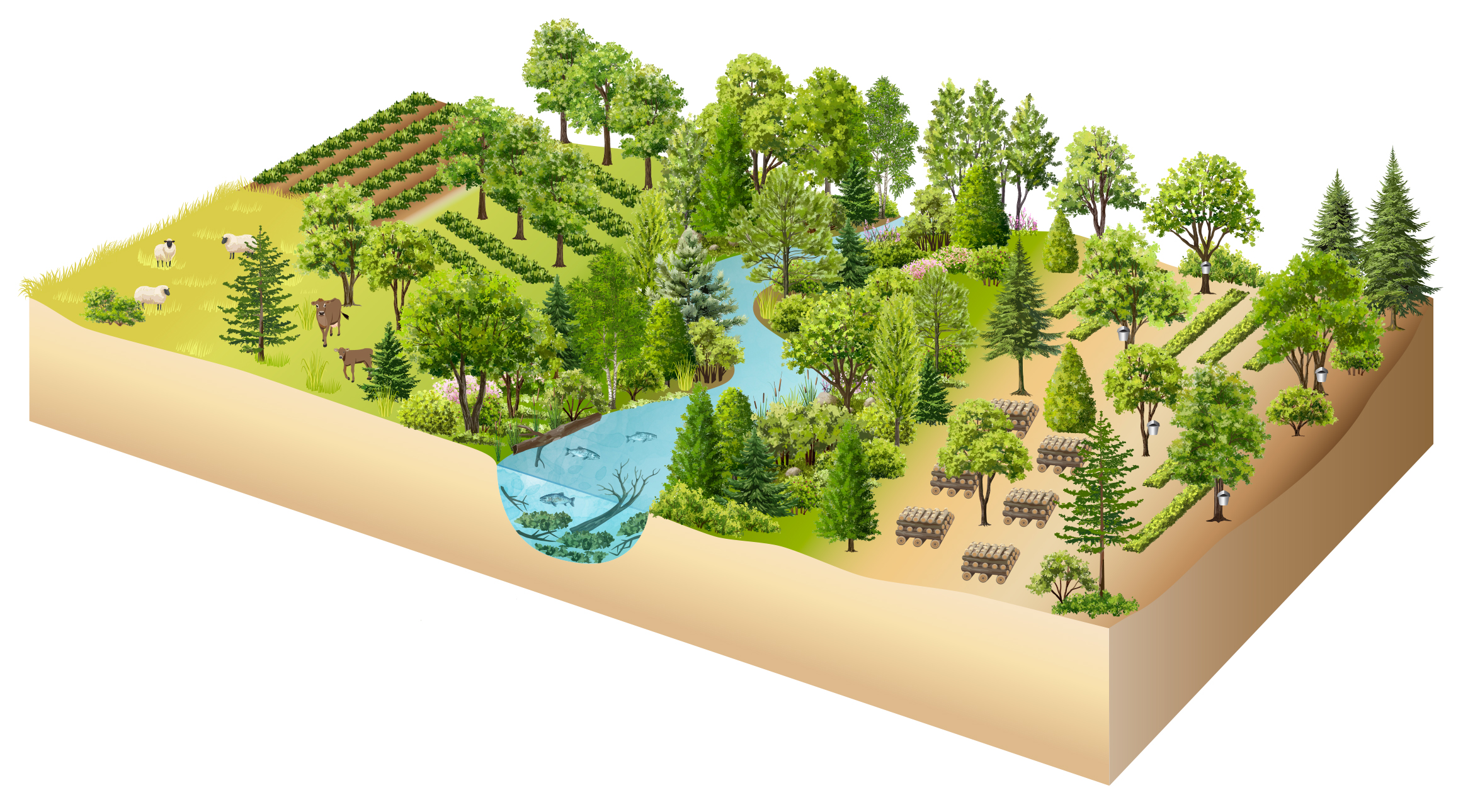
Interested in other types of agroforestry? Check out the WSU Extension Working Riparian Lands Program!
Acknowledgements



Funding for this digital toolkit was made possible by a grant from the USDA-AMS and WSDA. Its contents are solely the responsibility of the authors and do not necessarily represent the official views of the USDA.
Additional support for this digital toolkit was provided by the Washington Department of Ecology’s Office of the Chehalis Basin.