
Publications & Resources

Gardening resources
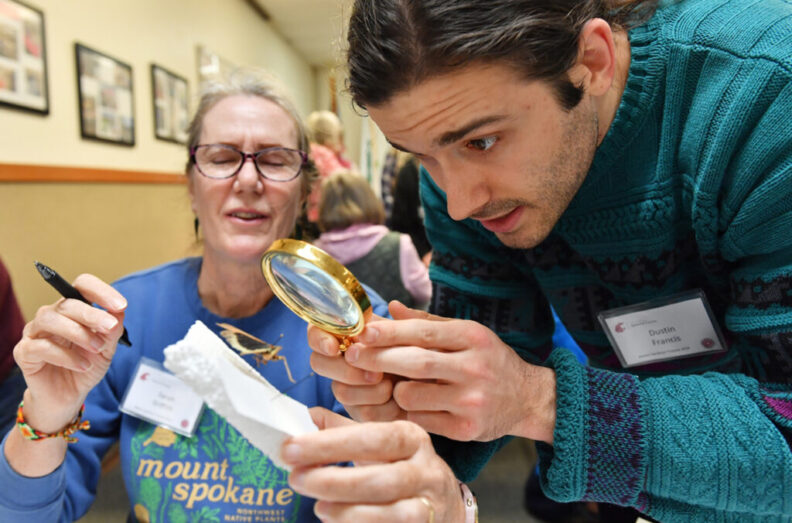
We’ve assembled a collection of commonly used gardening resources for you to easily access. Everything from fact sheets on how to control pests (Hortsense) to how to grow your own veggies. A world of research backed information is just a few clicks away. If you have a specific question, all you have to do is:
More Information
Local Publication Library
Please note: Spokane County Master Gardeners contact information has changed as of 2026, but may not have been updated on some of our publications. If you are sharing our publications, please make sure you have our correct contact information:
- address: 222 N. Havana St., Spokane, WA 99202
- Phone: 509-904-0741
- Email: AskAMasterGardener@SpokaneMG.org
Seasonal Gardening in Spokane County
Fall

Winter
Spring
Summer
- Catalogs and Seeds: It’s time to order seed and plant catalogs and to order seeds. Order your favorites now to avoid your selection being sold out. Try a new variety of your favorite flowers and vegetables.
- View from Inside: This is a good time to take a hard look at what your garden looks like from the inside. Check your favorite windows and ask yourself if your view could use some additional winter interest or if it could use pruning to avoid blocking the view.
- Force Bulbs: Favorite bulbs for forcing indoors are amaryllis, paperwhites, and hyacinths. Other bulbs include tulips, daffodils, and dwarf iris. Forced bulbs don’t even need soil to grow as they can grow well in water and.or gravel.
- Snow on Trees: If you can leave snow on trees and shrubs unless the weight of the snow appears to be breaking the branches. If you need to remove snow, use a broom and sweep upwards. Never attempt to remove ice from branches as they will break.
- Attend a Class: Check out class offerings in your area. Community colleges, conservation districts, and Master Gardeners all offer winter classes. Register for Cabin Fever to be held in March.
- Starting Seeds: As February gives way to March, you can start seeds indoors for early maturing vegetables such as broccoli, cabbage, Brussels sprouts, kale, and lettuce.
- Check Your Houseplants: Indoor, heated air is dry and many insects take advantage of the conditions and flourish. Check your indoor plants for aphids, mealy bugs, and scale. A warm shower will usually do the trick to get rid of the pests.
- Don’t Walk on the Grass: It may be tempting with melting snow to get out and check on the garden, but stay on hard surfaces and paths. Walking on saturated sod will compact the soil and make it much harder for your grass to grow roots.
- Attend Cabin Fever: Get set! Get ready! Go! This is a great way to jump start the gardening season.
- Starting Tomatoes: If you grow tomatoes from seed, now is the time to start them indoors if you want big, juicy tomatoes in the summer.
- Start a Garden Journal: Start by taking photos of your early blooming spring plants so that you will know what you have when they die back. Continue to photo and note what blooms where all season for easy reference the following year.
- Ornamental Grasses: Now is the time to cut back your ornamental grasses to avoid cutting off the new growth tips. Cut back to about 6″. Don’t cut fescues, but clean them up by running your hands through the plant and removing the old plant material.
- Come to the Garden Fair and Plant Sale: There will be thousands of great ornamental and vegetable plants and garden products vendors.
- Dandelions: Dandelions are a sure sign of spring. They are an important early food source for the beneficials and pollinators that are returning to our area. If you need to control them, wait until other flowers are blooming.
- Roses: Cut back blackened canes into the green portion of the cane. Move mulch away from the plants.
- Frost Date: Spring weather makes us want to get outside, but it can be unpredictable. Snow one day, 60 degrees the next. Remember that the average frost date in this area is May 15.
- Plant Veggies: Daytime air temps are favorable; nighttime temps are getting warmer and so is the soil. Our last average frost date is May 15. Prepare your vegetable beds and get ready to plant tomatoes, root crops, leafy greens, and more!
- Divide Perennials: Now is a good time to divide perennials that have grown too large for their space or if you want to move plants around your garden. Depending on the plant, there are several ways to do this job.
- Nurture Beneficials: Many insects and other small creatures are desirable to have in your garden. Take special care to provide food, shelter, and water. Avoid using broad spectrum insecticides that kill even the good guys!
- Mulch: Mulching helps control weeds and provides nutrients in the soil.
- Deadhead Blooms: Those late spring/early summer flowers are just so pretty! To keep them blooming year after year, remember to deadhead the blooms while keeping the leaves to nourish the bulbs and roots.
- Prune Spring Blooming Shrubs: Spring blooming shrubs (lilacs, forsythia, viburnum, etc) can be pruned after the blooms are finished as they will bloom again on the new wood the following year.
- Houseplants Can Move: Now is the time to move out your houseplants. Once the nighttime temps are around 50, it is safe to move plants outdoors. They are not used to direct sun, so put them in a shady spot.
- Watering: It’s getting hot out there! Our plants need hydration as much as we do.
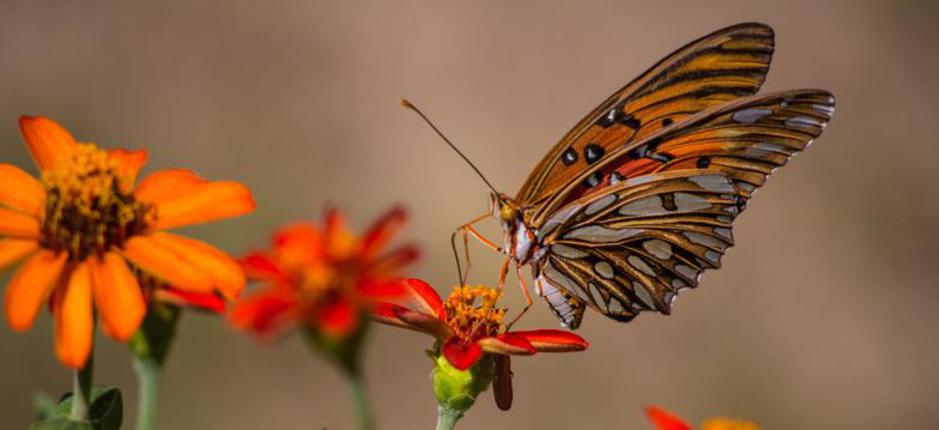
- Attracting Beneficials: The bees, caterpillars, butterflies, and other beneficials have arrived! Most insects do not ravage your garden (there are exceptions).
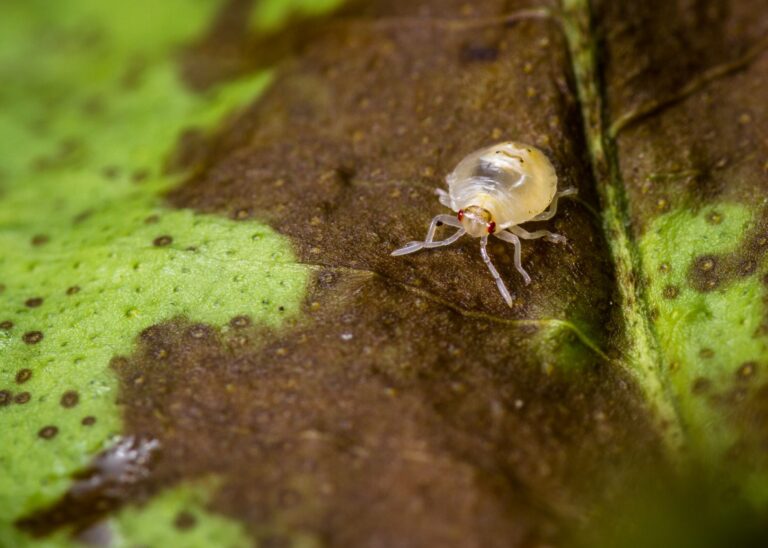
- Insect/Slug Damage: Spider mites, slugs/snails, deer, oh my! What’s munching on my plants is a common question at this time of year.
- Enjoy: You have worked hard to get to this point. Make sure you take time to sit and enjoy your garden, harvest the veggies, and dream about next year!
- Plant Cool Crop Veggies: You can get a fall crop of many vegetables by planting by mid month a new crop of spinach, peas, lettuce, and other leafy greens.
- Maintain Perennials: To keep your perennials blooming for as long as possible, many will respond with a second bloom if you deadhead the spent blooms.
- Watering/Fertilizing: Keep watering as the ground is getting dry. By mid month, stop fertilizing roses and woody shrubs so that they have time to harden off before the cold weather.
- Harvest Fruits/Vegetables: Before you know it, you will have apples, peaches, plums, tomatoes, zucchini, beans, cabbage, peppers, and so much more! Enjoy!
- Lawn Care: This is a good month to fertilize your lawn. Fall fertilization will help your lawn look great in the spring. You can also reseed bare patches early in the month, but remember turf grass goes dormant when the soil is cold, so do it soon!
- Spring Bulbs: Now is the time to order or purchase your spring bulbs for the best selection. You can plant bulbs until the ground freezes, but best to get them in this month to give them time to grow roots.
- Plant Garlic: Direct sow seed garlic in early to mid fall. Purchase from garden centers or online, not from the grocery store.
- Protect Tender Plants: Get ready with tarps, sheets, and other covers to throw over your tender plants on those frosty nights and prepare pots for the ones you plan to bring side.
- Season Extenders: Plan ahead and plant late season bloomers and color, including asters, mums, ornamental grasses, trees/shrubs, and fall blooming bulbs. Change out your planters using fall blooming plants including ornamental cabbage.
- Leaves: Leaves grace the trees all summer, then turn into beautiful colors in the fall. They are also useful for mulch, weed suppression in veggie garden pathways, compost, and insulation.
- Bird Feeders: Migratory and winter resident birds will appreciate it if you repair damaged bird feeders, keep the food fresh and clean, hang suet, and keep water sources open and clean.
- Trees: Conifer needles closest to the trunk will drop in the fall. Evergreens will provide yearlong interest and shelter for small animals and birds. Keep watering your trees until the ground freezes. Larches turn yellow and drop needles.
- Bulbs: As long as the ground has not frozen you can plant spring bulbs directly into the garden. Follow the directions on the package for depth of planting and provide a mulch cover over the top of newly planted bulbs to prevent heaving.
- Tools: This is a good time to clean your hand tools. Remove all dirt and rust from metal, sand and repaint wooden handles, and store in a dry location.
- Trees and Shrubs: Continue to water your trees and shrubs until the ground freezes. Tie up or trim back branches of loosely branched evergreens. Pull mulch away from trunks to prevent rodents from hiding and eating the bark.
- Houseplants: Check the plants that have summered outside for pests frequently. Reduce your rate of watering to allow for slower growth and do not fertilize until spring. Plant forced bulbs (paperwhites, amaryllis) now for winter interest.
- Holiday Decorations: Use branches, leaves, pinecones, hardy plants, and interesting containers you find in your garden to create beautiful indoor/outdoor decorations. Add lights to brighten up the setting.
- Great Reading: This is a good time to catch up on your reading. Explore your own stash of garden books or go to the library. Watch TV shows about gardening. Keep notes about what you like so that in the spring you can hit the ground running.
- De-icers and Decor: Commercial de-icers and salt can severely damage your plants. Use sand and/or kitty litter as safer alternatives for your sidewalks and driveway. Be careful about not placing outdoor lights where the bud tips will break off, and be gentle when removing the lights so that you don’t break branches.
- Live Christmas Trees: If you cut a live tree to use in your home for Christmas, remember to re-cut the trunk before place it in the tree stand and to keep the tree well watered. Use the tree for small animal shelter and plant protection when you remove it from your home.
Note on Waterwise Landscaping

Water is essential to our everyday lives. And, our supplies are limited… so please use water wisely. Cutting water use inside and outside our homes is really important. If each of us changed our water-use habits, we could save billions of gallons of water. Here are a few tips that can help conserve water outdoors:
- Early morning watering is best. Some experts estimate that 50 percent of the water evaporates when watering between noon and 6 p.m.
- Adjust your sprinkler to avoid the pavement; otherwise, evaporation will claim all the water that doesn’t end up on your lawn.
- Turn your system off if it’s raining. A smart controller can do this for you and make sure your lawn gets the right amount of water.
- Consider replacing lawn with native plantings. Native plants naturally need less water and thrive in our environment.
Other Waterwise Resources:
The following links will take you to the state WSU Extension Master Gardener website. Simply hit the back button to return to this page.
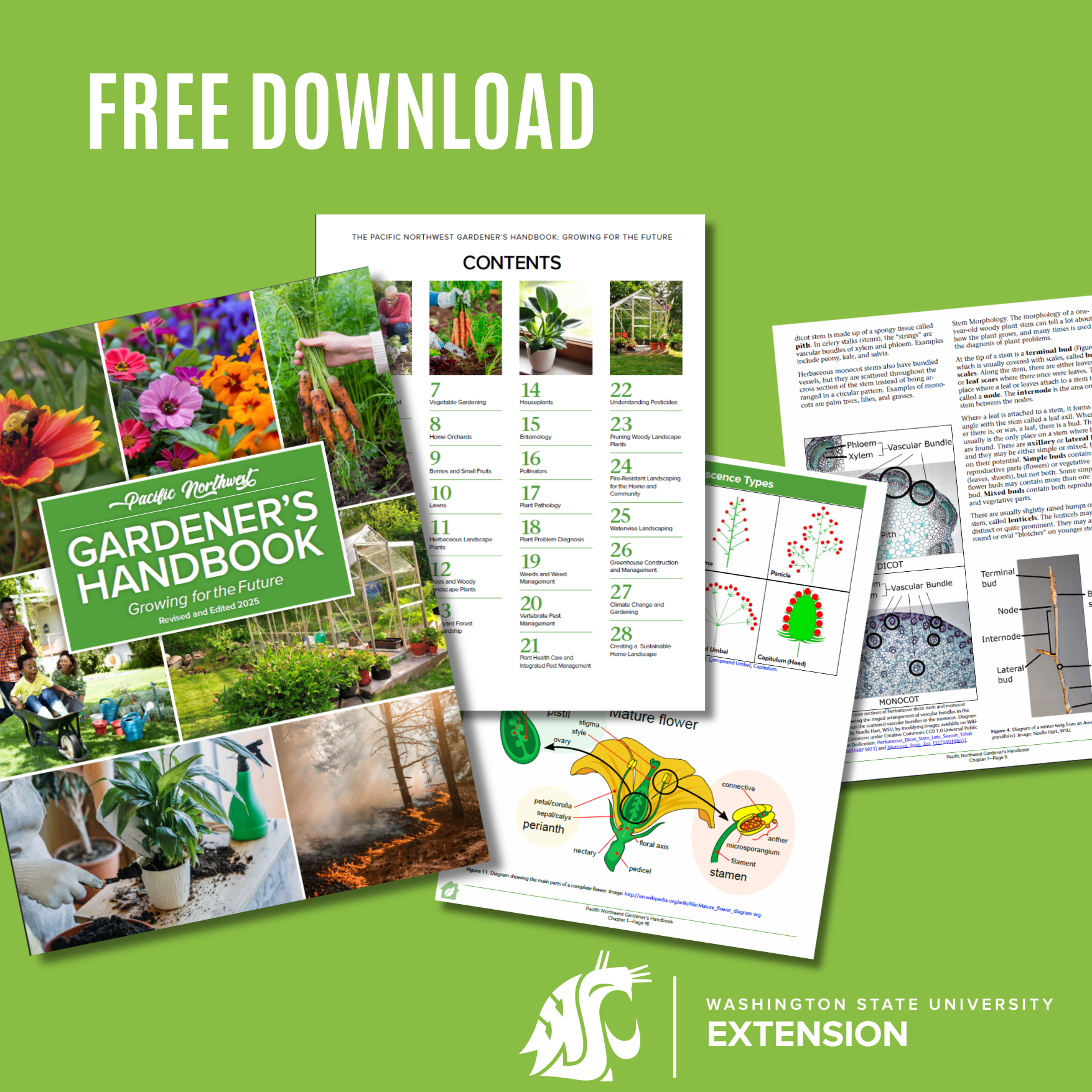
Pacific Northwest Gardener’s Handbook: Growing for the Future
WSU Extension’s new, definitive gardening resource, the expanded, modernized, and regionally focused Pacific Northwest Gardener’s Handbook: Growing for the Future is a multi-year culmination of expertise covering the fundamentals of gardening as well as advanced horticultural knowledge.
This is a free download. Printing is permitted for personal use only.

Earn a Washington Gardener Certificate
Learn research-based techniques to create a thriving garden that also benefits our environment. From water conservation to supporting local ecosystems, discover how your gardening choices make a difference.
Integrated Pest Management (IPM)
Integrated Pest Management (IPM) is a step-by-step approach to managing garden pests in a way that protects plants, people, and the environment. Think of IPM as a pyramid of decision-making.

Hortsense
Hortsense | Washington State University is a WSU website containing home gardener fact sheets for managing plant problems with Integrated Pest Management (IPM), including cultural controls and Washington-registered pesticides.

The Evergreen Thumb Podcast
Join us as we invite expert horticulturists, seasoned Master Gardeners, and passionate plant enthusiasts to share their wisdom, practical tips, and hands-on experiences. Learn more about The Evergreen Thumb Podcast.

WSU Gardening Publications
Free gardening publications from Washington State University.
Gardening | WSU Extension Publications | Washington State University

Growing Your Own
Published by Oregon State University, Growing Your Own provides basic advice on a wide range of topics related to vegetable gardening.
Growing Your Own (English version)
Su Propio Cultivo (Spanish version of Growing Your Own)
Growing Your Own print version available to purchase

Pestsense
Pestsense is intended to provide information on how to manage common indoor pest problems using integrated pest management or IPM.

Grow Smart Grow Safe
Sponsored by Thurston County, Grow Smart, Grow Safe (growsmartgrowsafe.org) provides home gardener information resources including pesticide product hazard ratings, Integrated Pest Management, pesticide alternatives.

Home Gardener’s Guide to Soils and Fertilizers
From novice to advanced, all home gardeners should get to know their soil: the nuts and bolts of soil, and how to make it better, included here. Download the Home Gardener’s Guide to Soils and Fertilizers (.pdf).

USDA Hardiness Zone Map
The USDA Hardiness Zone Map is the standard by which gardeners can determine which plants are most likely to thrive at a location.

Backyard Fruit Tree Spray Schedules
Home gardeners can help protect agriculture in Washington State by properly maintaining their backyard fruit trees.
The spray recommendations for home garden fruit trees list of PDFs shows the suggested spray schedules for each tree crop.

Rain Garden Online Training for Non-Professionals
Online training:
This is a free online self-paced introductory course to rain garden planning, construction, plant selection, and maintenance for non-professionals. The course is intended for homeowners and rain garden enthusiasts interested in managing excess stormwater on their property.

Washington State University Plant Pest Diagnostic Clinic
The Washington State University Plant Pest Diagnostic Clinic is dedicated to serving the state of Washington and its citizens by providing the highest quality service by providing plant disease and disorder diagnosis, pest identification, and management strategies.

WSU Puyallup Plant and Insect Diagnostic Lab
The Washington State University Puyallup Plant & Insect Diagnostic Laboratory is committed to helping the citizens of Washington State resolve their troubles with plants and insects through accurate problem diagnoses.

Pest Leaflet Series
The Pest Leaf Series (PLS) was initiated in the WSU Puyallup Plant & Insect Diagnostic Laboratory to produce brief “bulletins” on problems frequently received at the laboratory, for which no formal extension bulletins or other readily available information exists. The PLS covers insect problems, diseases, abiotic problems, and other miscellaneous situations on which we are regularly asked to provide information.
Pest Leaflet Series | Plant Clinic Site | Washington State University

Gardening in Washington State
Gardening in Washington State helps you navigate the hundreds of free Publications that WSU Extension maintains on all things gardening.