The Extension Connection
Extending Knowledge. Changing Lives.
4-H Youth Development Program
Kris Shackley
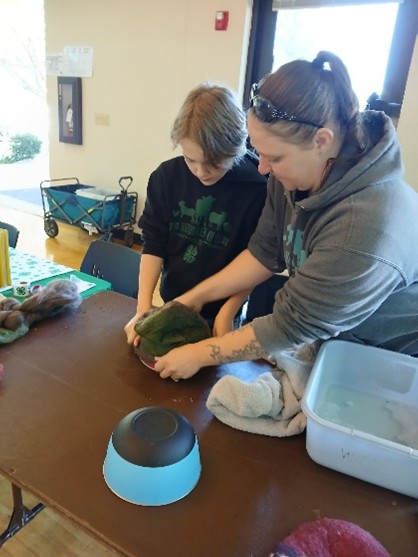
4-H members and volunteers participated in the first annual Youth Expo at the Thurston County Fairgrounds in April, promoting the 4-H program and offering some fun project activities to youth attending the Expo. Youth had the opportunity to learn about sheep fiber by cleaning raw wool, carding wool, and wet felting a hat project.Other activities included candle making with beeswax sheets and identifying the stages of a chicken egg development.
The 4-H Hunting Skills project focuses on developing responsible, ethical and safe hunters by teaching wildlife conservation and outdoor survival skills. Ryan McNiff from the Washington Department of Fish and Wildlife visited the April Hunting Skills project meeting and taught the youth members about bear biology, behavior and reducing human/animal conflicts. Youth participants had the opportunity to see a grizzly bear trap in action and learned to install bear fencing around a campsite. The day ended with a hike in the woods which included simulating animal encounters with bears and mountain lions and allowing kids a chance to deploy inert bear spray when encountering the artificial animals.
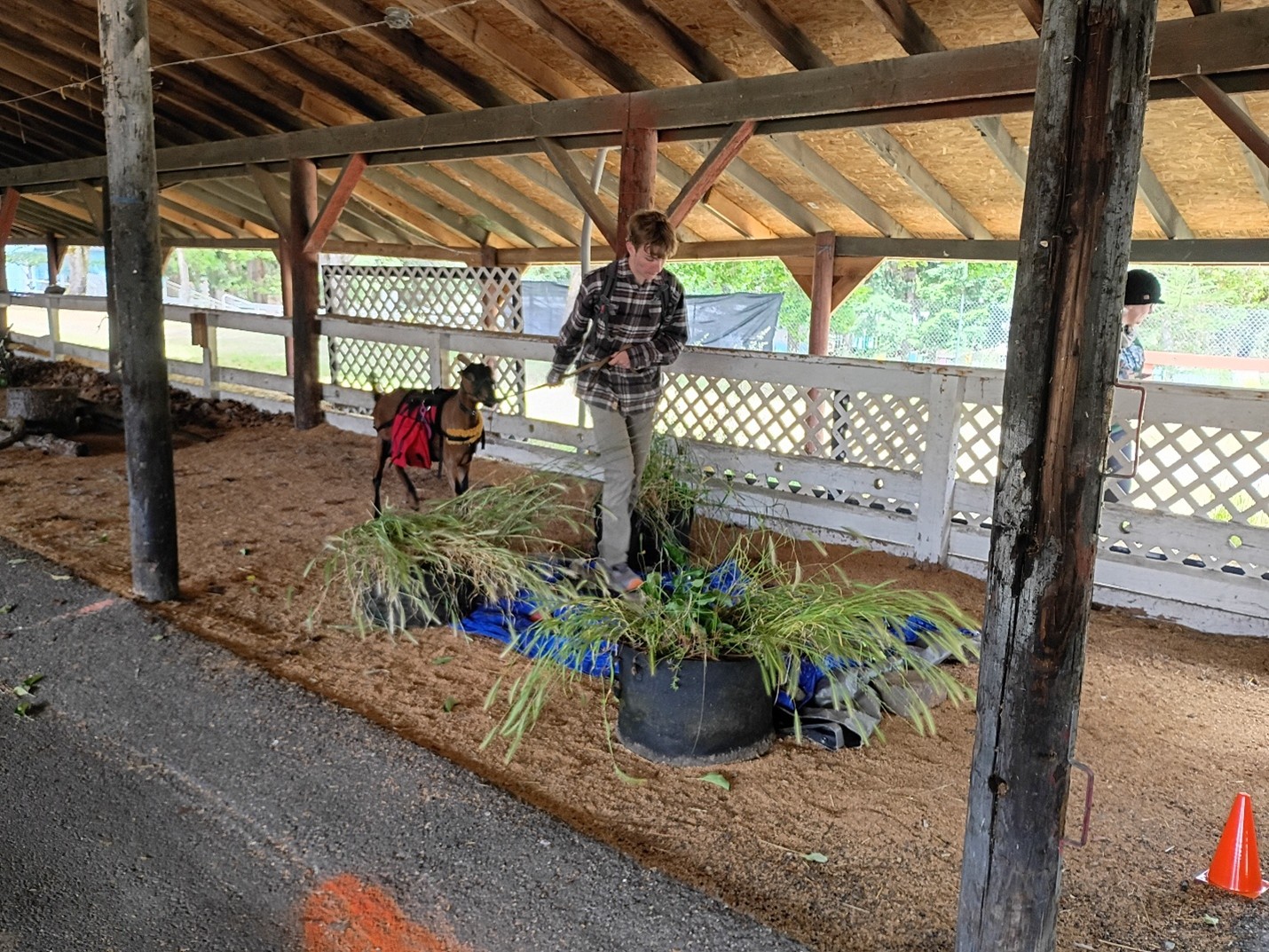
Community members were able to observe 4-H in action at the annual Lacey Rotary Duck Dash on June 6.Youth members participated in the 4-H Pack Goat Challenge Trail Obstacle and 4-H Trail Dog Contest, working with their companion animals to navigate trail obstacles. Participants walked their animals through a simulated trail course, and answered questions about their animal’s health, care, packing, hiking safety and 4-H. Exhibitors received scores for their knowledge, hike readiness, and ease of traversing the obstacles with their animal.
Huge congratulations to our Thurston County 4-H livestock judging teams on a phenomenal weekend at the State Livestock Judging Contest in Moses Lake on June 27! The 4-H livestock judging contest helps youth build critical life and career skills, such as critical thinking, decision making, and public speaking, as well as expanding youth knowledge of the agricultural industry.Because of their hard work and many hours of practice, the Thurston County junior teams placed 5th and 10th overall, and the intermediate team placed 8th overall.
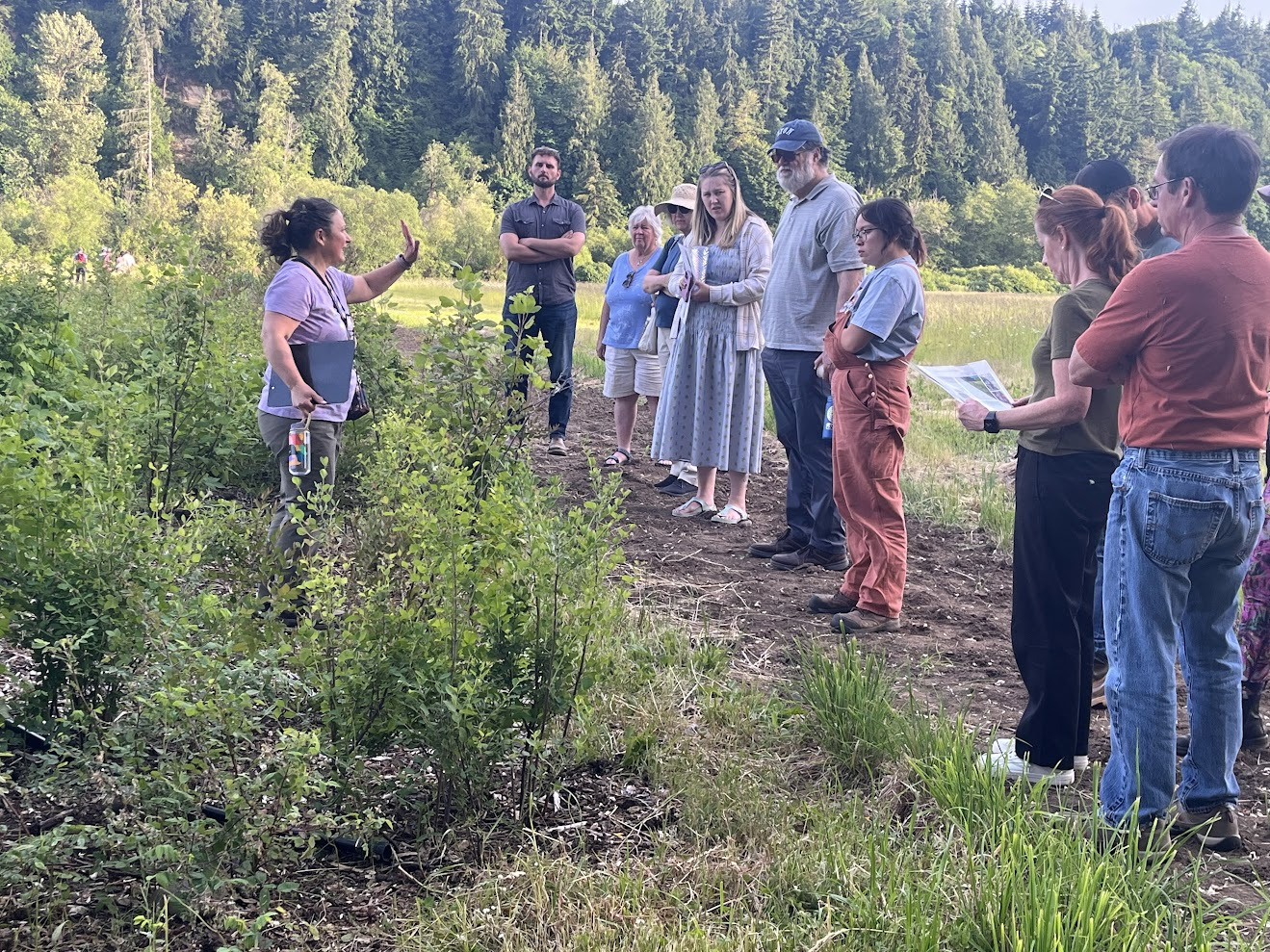
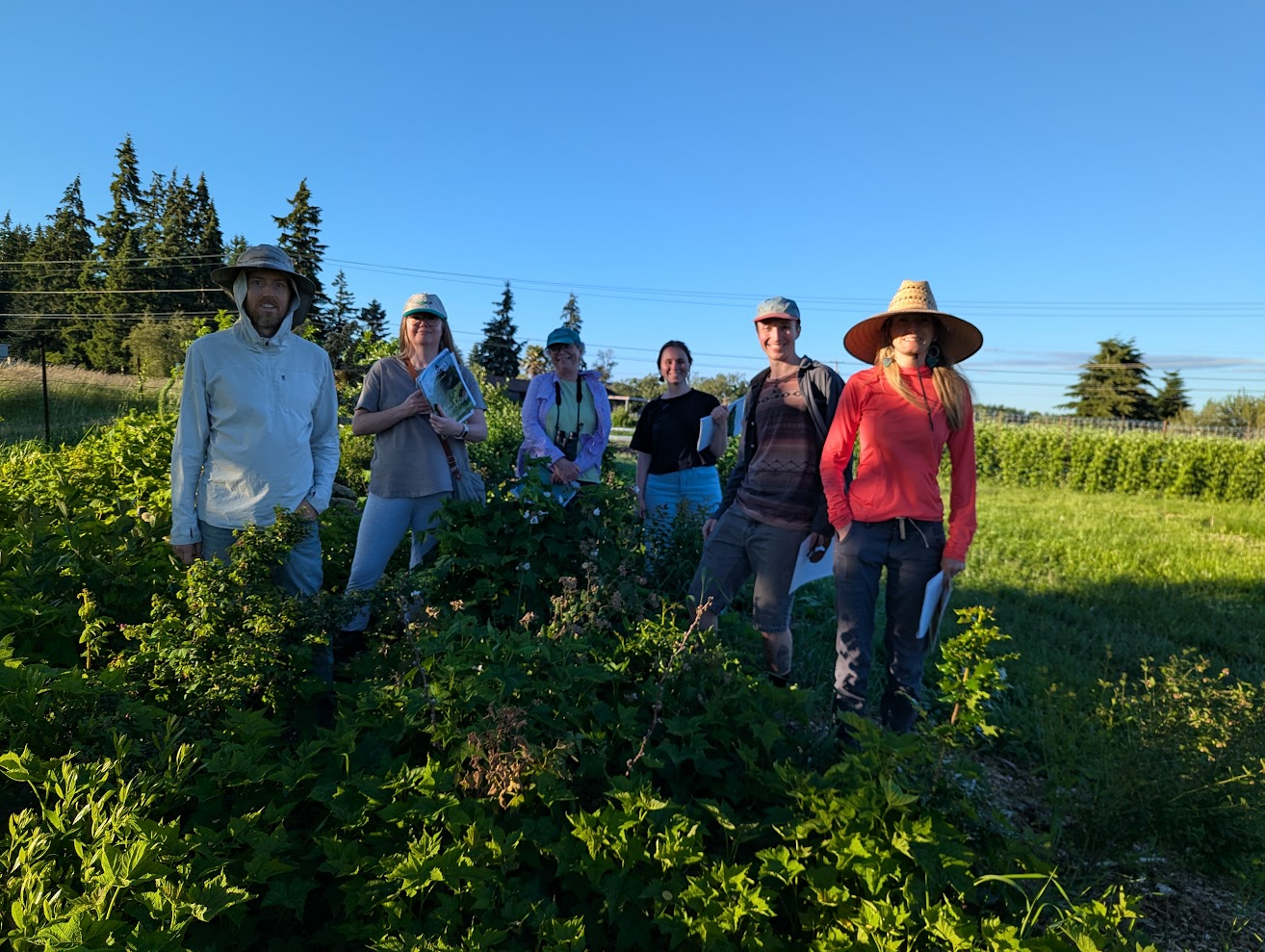
WSU Thurston County’s water resources and habitat program, its non-profit arm Native Plant Salvage Foundation, and its community partner Thurston Conservation District, continue to expand the “Discover Hedgerows” project with Thurston County farmers. This spring, the partnership held “Success Tours” at Helsing Junction Farms and Piece by Piece Farm, two sites hosting demonstration hedgerows. During the events, successes, challenges, and “lessons learned” were shared with participants. Here are some of the highlights of the findings so far in the three years since the launch of the WSU Hedgerows Toolkit.
Overall, the success and performance of these large-scale hedgerows is very high. These two projects have similar goals of enhancing habitat for pollinators, “natural pest enemies” and other beneficial organisms, and protecting water resources. Even within the first year of growth, the projects began attracting and supporting pollinators. The plants are surviving at high rates, with many species achieving 100% survival and overall rates for most species above 85%. Rhizomatous plants, such as snowberry, thimbleberry, and Nootka roses, create “new” plants as they spread, filling in bare spots and preventing weeds; these species have doubled or tripled the amount originally planted. These agricultural hedgerows are designed with close plant spacing, which ensures that they will quickly mature and start supporting agricultural and water-resources goals as soon as possible.
Our partnership has learned that taking plenty of time for site preparation is the key to success and reduced maintenance time during the establishment period. Although site preparation can delay the initial planting by a year or more, this up-front investment can avoid future weeds that compete with the desirable plants. Another key to success is early mulching with cardboard and arborists’ wood chips and replenishing the wood chips as they decompose and add organic matter to the soils. With or without time for weeding, the hedgerows are still maturing beautifully and are already creating habitat that supports nearby organic crop fields.
You can read details of the mini-case studies from these farms and Oyster Bay Farm in the online WSU Hedgerows Toolkit. As detailed in the WSU Hedgerows Toolkit, hedgerows can be sized to fit in almost any landscape — from urban to rural settings. They are a beautiful, low-cost, and valuable tool to achieve multiple benefits. With ongoing support from Thurston County and other funders, WSU will continue collaborating with local farmers to assist in establishing hedgerows, while using these new projects to provide hands-on education to Thurston County residents interested in learning more about how they can use the WSU Hedgerows Toolkit to create the perfect hedgerow for their own site. More educational events are in the works for fall 2026 through next summer. Sign up to be notified at the “get involved” link on the Toolkit website.
WSU Water Resources & Native Plant Salvage Program
Erica Guttman
WSU Master Gardener & Master Recycler Composter Programs
Cori Carlton & Jenni Post
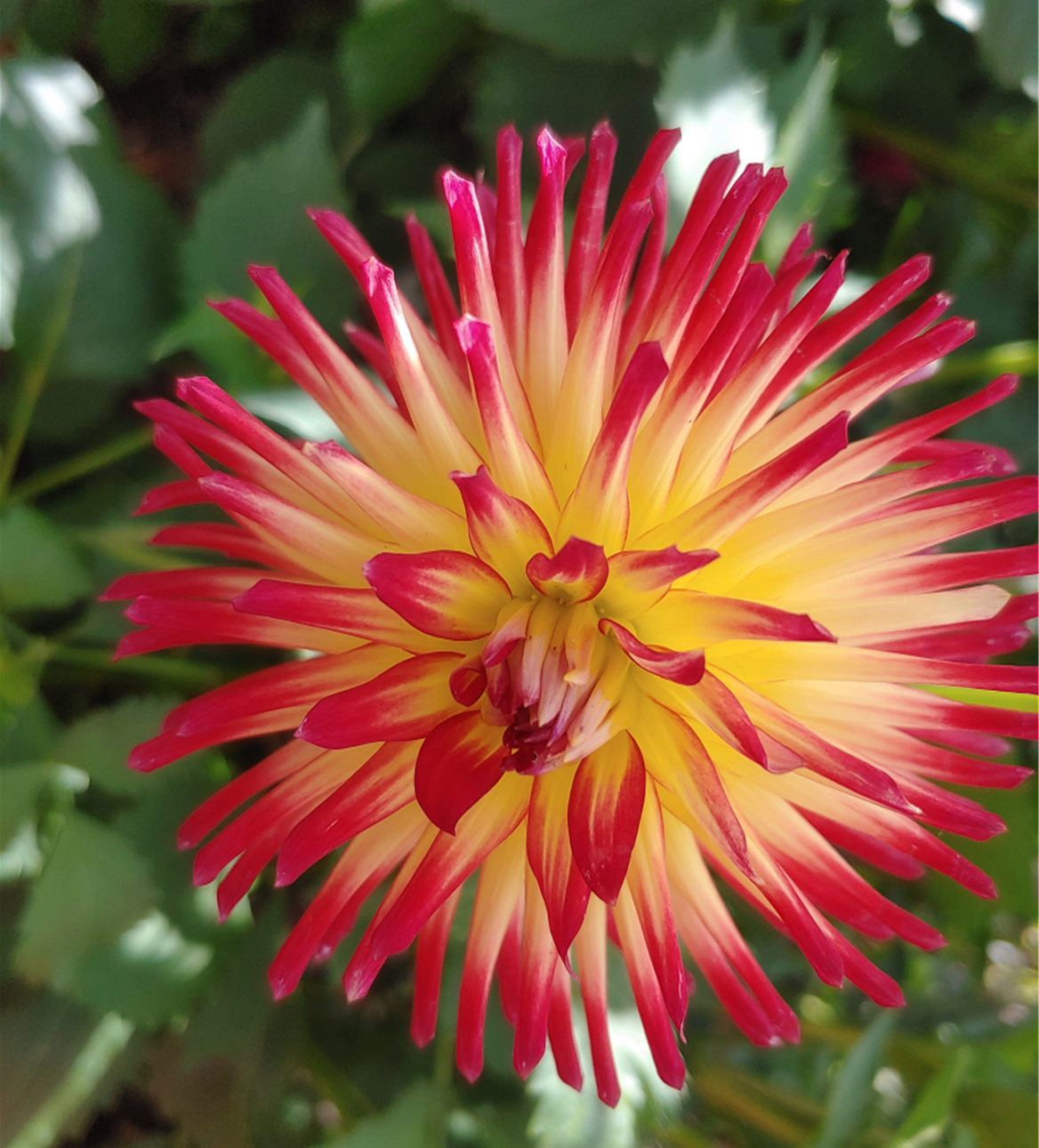
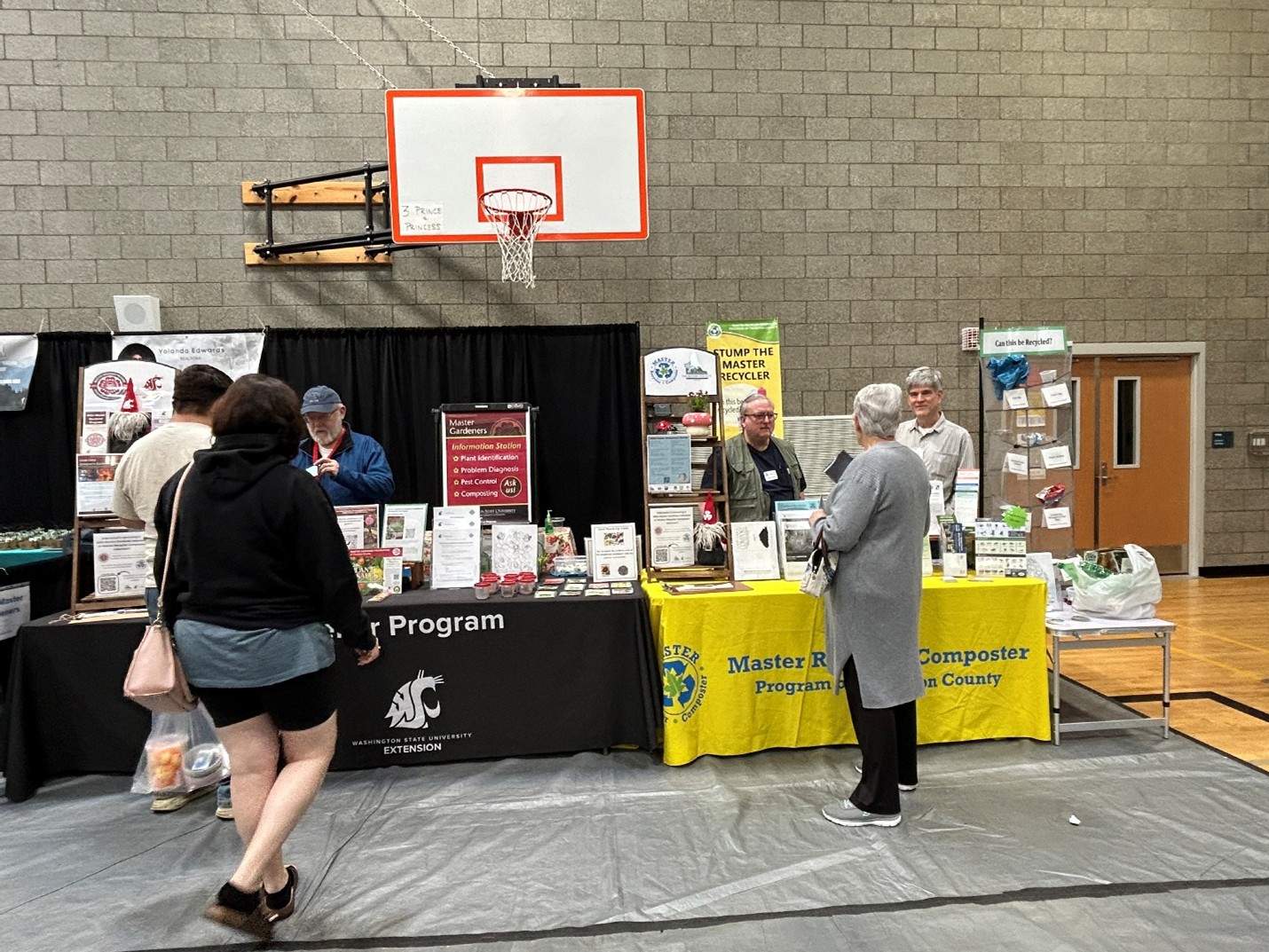
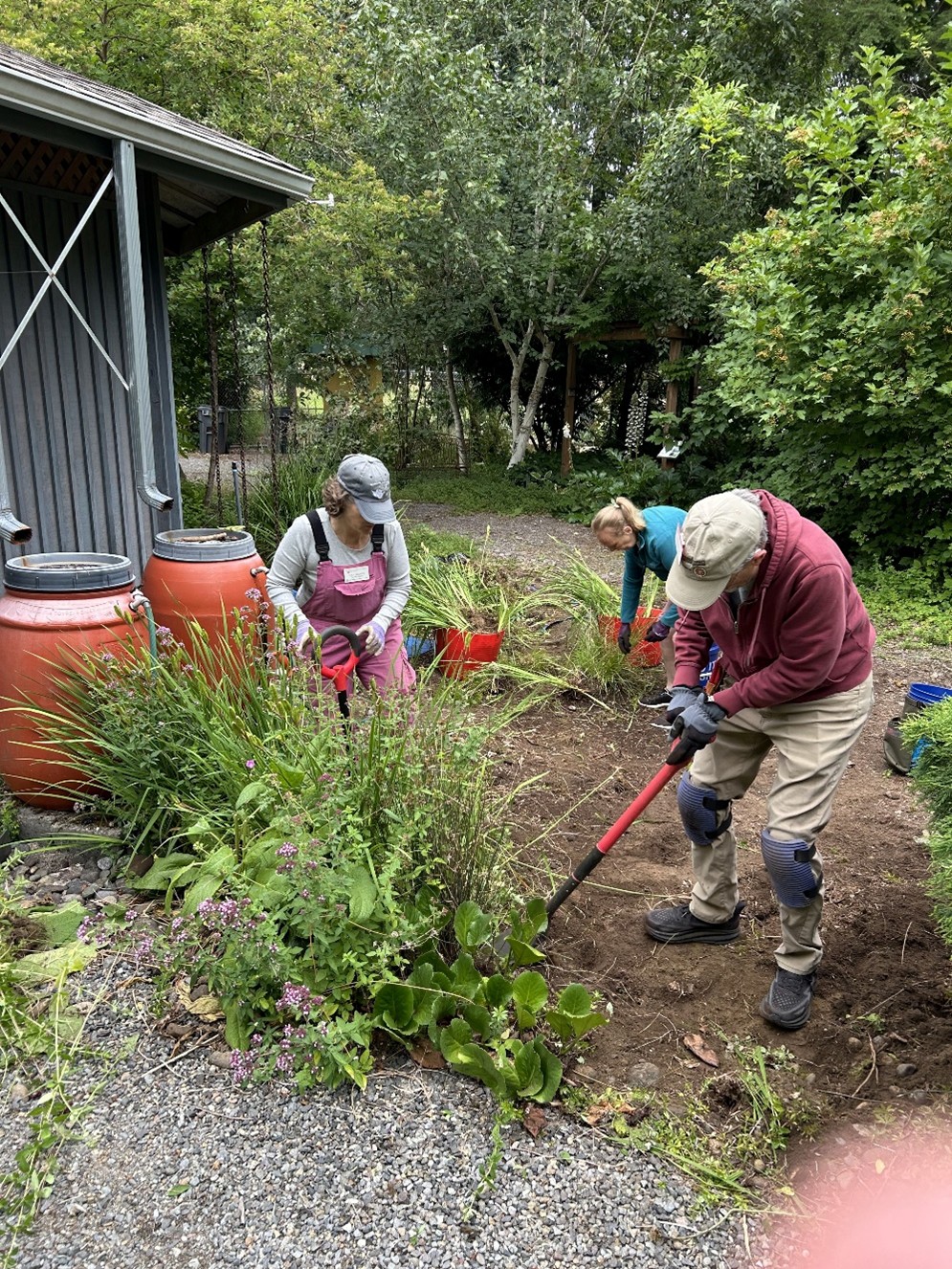
Spring is always a busy time for our WSU Master Gardener and Master Recycler Composter volunteers. Maintaining our three public demonstration gardens takes a lot of effort but their service is rewarded with glorious blooms for all to enjoy. A few garden projects include re-vamping the composting area at Dirt Works, putting new pathways in the sedum garden at Closed Loop Park and making some updates to the irrigation system at the Olympia Farmers Market Garden.
In May volunteers celebrated International Composting Awareness week by hosting public composting workshops. We continue to host monthly composting workshops through October.
Do you have a gardening, composting, or recycling question? Email our certified volunteers via our Question/Answer clinic at master@co.thurston.wa.us.
Check our website for further details on our outreach activities and demonstration gardens.
International Year of Rangelands and Pastoralists
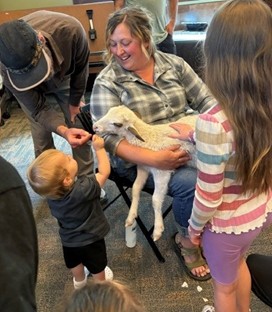
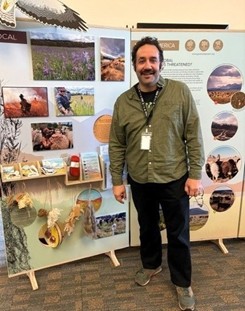
Thurston County WSU Extension celebrated the International Year of Rangelands and Pastoralists (IYRP) at the Chehalis Timberland Library with a family-friendly program highlighting local rangelands and the people who care for them. Kate and Imad Ahmad of Olive Branch Ranch shared their experiences raising livestock, managing pastures, and stewarding their land. Attendees enjoyed a slideshow featuring the farm, heard a traditional Scandinavian herding call used to summon livestock, and even got to pet an adorable, and very well-behaved, sheep wearing a diaper! The event was part of Extension’s ongoing IYRP outreach across Southwest Washington, connecting communities with local agriculture, working lands, and the people who tend them.
IYRP Grasslands Exhibit & Closing Celebration
From mid-August through mid-September, visit the IYRP grasslands exhibit at the Lacey, Centralia, and Montesano Timberland Libraries. WSU will host a closing celebration at the Tumwater Timberland Library on October 15 from 4–6 pm, featuring a choral performance of songs for shepherds, felt-making, and other fun fiber crafts.
REPI Resilience Grant
The WSU Thurston County REPI Resilience Grant provides funding and technical assistance to local agricultural landowners. The project is helping farmers in the South Sound and Chehalis Basin build more resilient agricultural grasslands by improving soil health, enhancing pasture productivity, and optimizing rotational grazing. Over the last quarter, we selected 18 grant recipients and completed the majority of farm site visits. Our team is now developing customized plans for each participating farm, with implementation beginning next spring. Plans are being developed collaboratively by WSU Extension, Ecostudies Institute, Agroforestry Northwest, Thurston Conservation District, and participating farmers.
A new Extension Guide was published by our team: Introduction to Conservation Grazing in Western Washington.
Agriculture Program
Stephen Bramwell, Amanda Leoni, Mackenzie McCall, Annie Salafsky, Sierra Smith, & Taylore Straight