
The Native Plant Salvage Project began in 1994 with the mission to promote the use, preservation, knowledge, and appreciation of native plants in the landscape through action and education.
Our projects work to preserve existing vegetation, restore vegetation, and re-create habitat. One of our main goals is to conserve and protect water resources. We teach citizens how to create more layered and diverse landscapes using native and other drought-tolerant water-wise plants. Landscaping in this way eliminates the need for chemical pesticides and fertilizers; avoids supplemental irrigation once plants are established; reduces some of the problems of stormwater runoff; and increases the amount of rainwater that soaks into the soil to recharge groundwater aquifers.
In 2000, the Native Plant Salvage Foundation was founded as a 501(c)(3) organization to help raise funds for the Native Plant Salvage Project, which is entirely supported by local contributions, grants, and contract work. The Foundation is guided by a volunteer board of directors and supported by a dedicated team of volunteers, supporters, educators, community partners, and AmeriCorps members from the Washington Service Corps.
There are numerous opportunities to get involved! You can find information about our organization, workshops, volunteer opportunities, and learning resources at our Native Plant Salvage website.

Action Projects
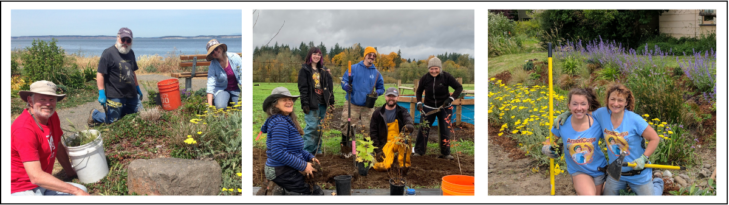
With the support of over 2,000 volunteers, the Project salvages native plants from land that is scheduled for clearing due to development. Plants are cared for throughout the year (and often for multiple years) by volunteers until the plants are used to restore habitat and water quality. These plants are also sold to community members during two yearly plant sales that are coordinated and staffed by volunteers. The funds raised through these plant sales financially support nursery expenses, online infrastructure, outreach materials, and educational scholarships that allow the Project to continue providing these opportunities.
The Project coordinates the installation of demonstration projects and learning landscapes on public and private sites and school grounds. These sites directly display the beauty and effectiveness of diverse native plantings in intercepting stormwater and recharging groundwater, while serving as learning centers for conducting educational workshops. We also focus on stewarding the McLane Creek Nature Trail during the summer in collaboration with the Stream Team and the Department of Natural Resources. Regular maintenance helps make the trails more accessible while keeping the habitat value as high as we can.
Starting in Fall 2023, the Project began implementing demonstration hedgerows in Thurston County with community partners and local agricultural providers. These demonstration hedgerows not only create additional wildlife habitat and conserve water resources, but they also serve as an educational project for the community. This has been accompanied by the creation of the Hedgerows Toolkit, which empowers residents with the knowledge and tools needed to install their own hedgerows of any given size on their property. To get involved in our upcoming volunteer events where you can participate in learning and supporting these projects, visit the Hedgerows website.
Education
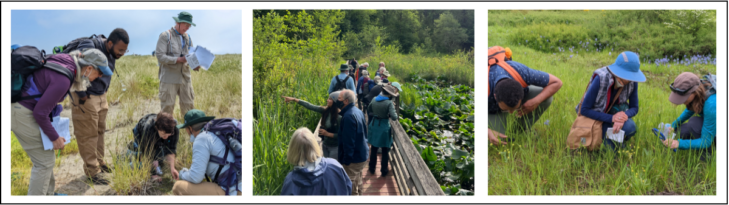
Throughout the year, the Project offers workshops, lectures, and field courses to teach residents how to identify, responsibly obtain, and successfully use native plants in their own landscapes to protect water resources, improve wildlife habitat, and reduce landscape maintenance costs and effort. The Project offers learning events such as Winter Twig ID classes, Native Plant EcoExcursions, plant outings, and many more opportunities for the community to learn how to identify plants and learn about nearby ecosystems. We also offer numerous online courses on naturescaping, rain gardens, along with resources on Fall planting and much more. Upcoming educational events are routinely updated on the Native Plant Salvage Foundation website calendar.
The Project also offers workshops, both lecture and field-based, to help shoreline residents better understand the natural processes that affect their marine shores, and steps they can take to better protect both their property and Puget Sound. The workshops are led by experts in coastal geology, shoreline vegetation, and Puget Sound ecology.
An important component of our education addresses Low Impact Development. LID techniques look to nature for managing stormwater, conserving water, and keeping pollution out of our waterways. Some LID strategies include:
- Save native soils, forests, and prairies by grading and clearing as little as possible.
- Build rain gardens that manage stormwater on site.
- Capture rainwater to reuse around your yard.
- Build pervious driveways, walkways, and patios that allow stormwater to absorb into the ground instead of running off.
- Minimize the use of yard chemicals to protect groundwater and surface waterways. Install a green roof that absorbs storm-water and slows down the run off
The Project produces educational materials, including regular news articles and the popular guides Grow Your Own Native Landscape (pdf) and Winter in the Woods.
Native Plant Salvages
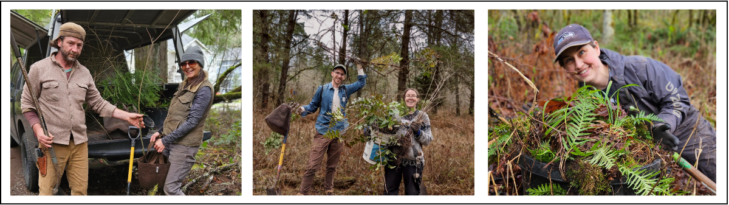
Our volunteers salvage small native trees, shrubs, and herbaceous plants from local areas that are scheduled for clearing due to development. Salvages usually happen in the cold winter months when the plants are dormant and less likely to perish from the stress of being moved around.
The plants are cared for and later provided to community groups who use them to restore habitat and improve water quality. Plants are also used to support NPSP-sponsored projects, such as demonstration Hedgerows and habitat restoration projects in and around Thurston County, or are sold in our yearly plant sales to financially support the ongoing work of the Project.
Salvages begin at 9:30 a.m. at the clearing site and then conclude around noon. Once plants have been salvaged, we transport them to our plant nursery, which is located in South Tumwater at a family farm that is graciously hosting us. At the nursery, volunteers place the plants into pots and organize them for later distribution. With proper care, the salvaged plants can survive healthily in a holding facility for over a year. Work at the nursery usually begins around 1 p.m. and continues until around 3:30 p.m.
You can learn more about plant salvages and upcoming events on the Native Plant Salvage website.
Nursery Maintenance
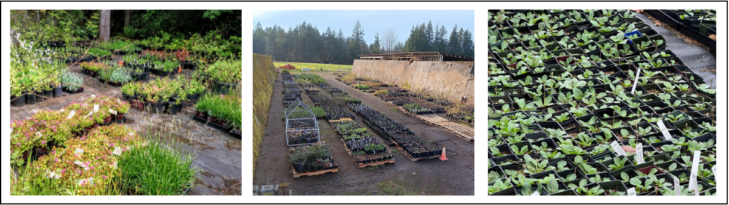
To keep things running smoothly, our nursery (AKA the holding beds) must be kept in tip-top order. Nursery volunteers are needed for ongoing routine maintenance throughout the year. We offer two weekly nursery events where volunteers help us pot up plants, weed and organize potted plants, clear nursery pathways, clean tools, and much more. As this is a large and time-consuming task, the more help we can get, the better! This is especially important in the summer, so we can prevent weeds from invading the pots.
If you’d like to volunteer during our weekly nursery events, complete the Volunteer Interest Form on the Native Plant Salvage webpage to be added to our mailing list and stay updated on upcoming nursery events.