Vegetable & Seed Crops
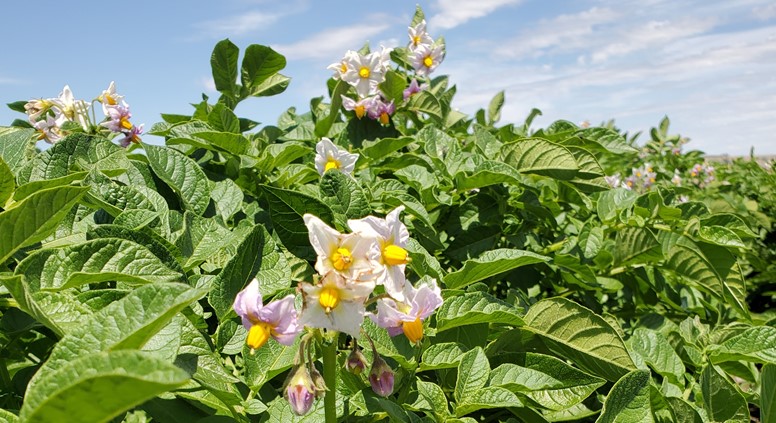
Potatoes
The insect pest monitoring network provides the potato industry with current information about the size and location of important insect pest populations in the Columbia Basin. Subscribe to receive “WSU Potato Alerts” by sending an e-mail to cwohleb@wsu.edu.
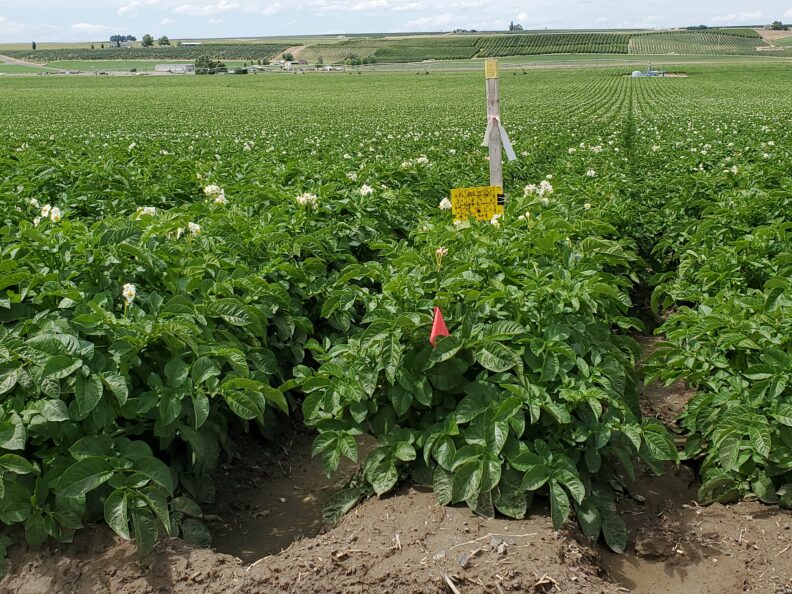
Carrie also coordinates a Potato Pest Monitoring Network for the Columbia Basin of Washington. The insect pest network provides the potato industry with current information about the size and whereabouts of important insect pest populations in the Columbia Basin. The project targets key insect pests: green peach aphid, beet leafhopper, potato psyllid, lygus bug, and potato tuberworm.
Onions
The WSU Extension Onion Cultivar Trial and Storage Evaluations, which have been conducted since 1984, provide information about onion cultivars produced side-by-side under local growing conditions.
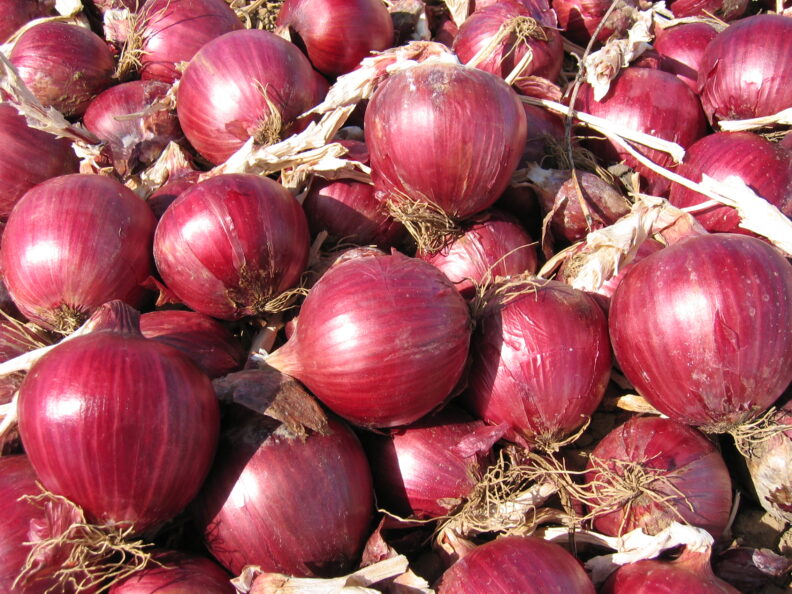
This presentation(pdf) compares cultivars entered in the trial from 2013-2023.
WSU Onion Alert Newsletter Archive Coming Soon
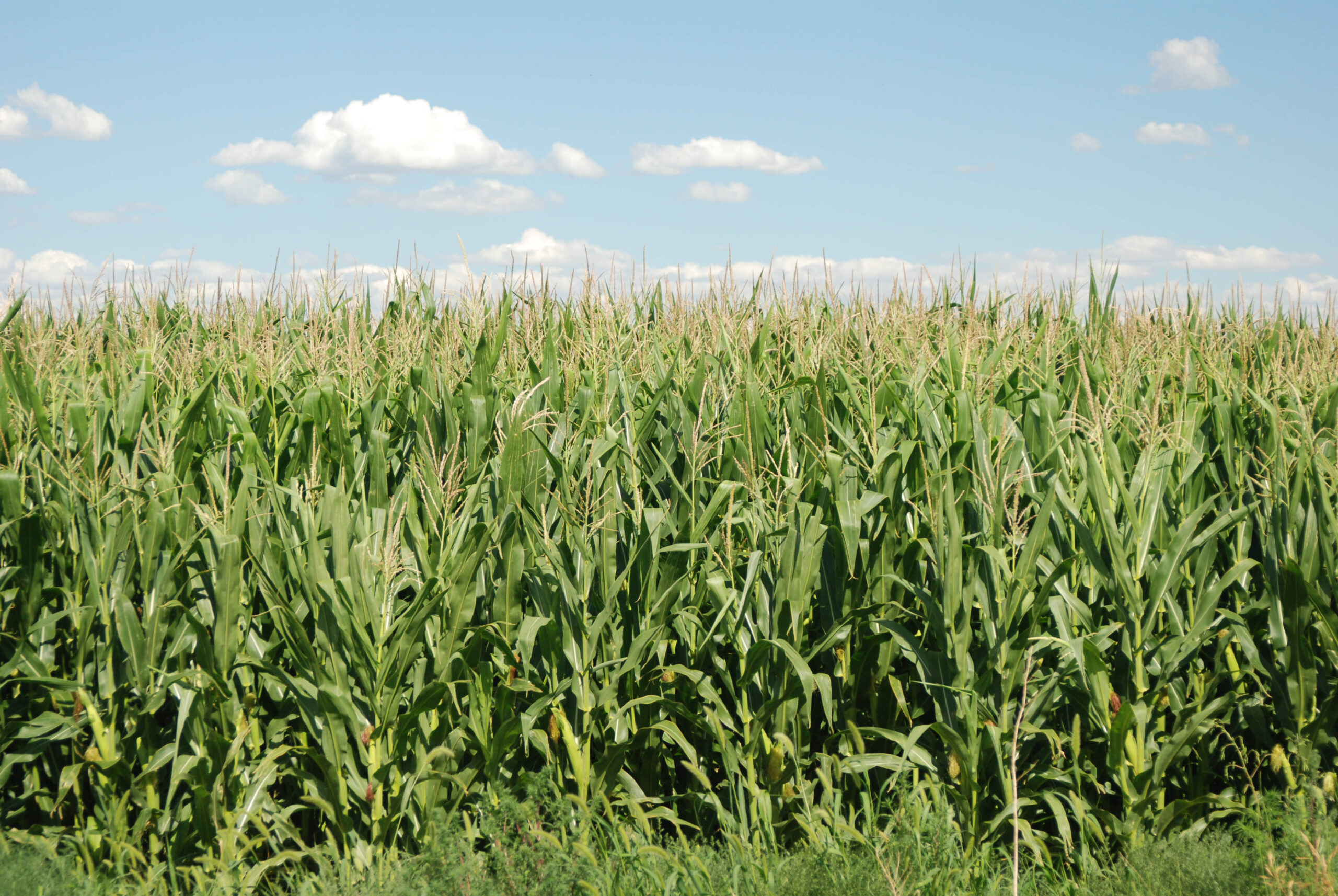
Sweet Corn
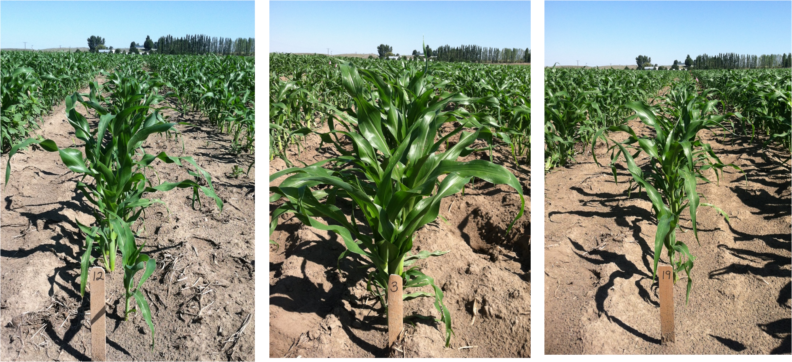
The Seed Treatment Committee of the International Sweet Corn Development Association (ISCDA) organizes a multi-location seed treatment trial each year. Researchers from across the country evaluate the selected treatments for their effectiveness against seed-borne and soil-borne diseases that affect sweet corn stand and vigor.
Dry Beans
There are several Bacterial Diseases of Phytosanitary Significance for Bean Crops in Washington State.
Seed Crops
The Columbia Basin Seed Association was established in 1987 to promote the collaboration of seed growers, seed companies, university researchers, and government agencies for the greater good of the local seed industry.
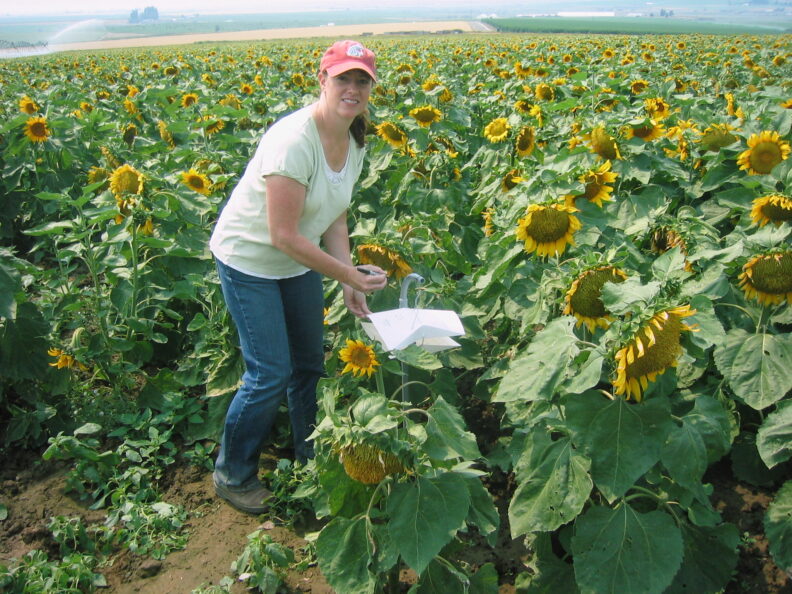
The procedures for isolating seed crops in the Columbia Basin of Washington are provided here, including the dates that seed company representatives may reserve fields for seed production, and field isolation standards for each crop. Seed crops for which there are isolation standards include carrot, parsley, coriander, radish, canola, other crucifers, onion, chives, leeks, beets, sugar beets, and sunflowers.
Brassica Seed Crops in Washington
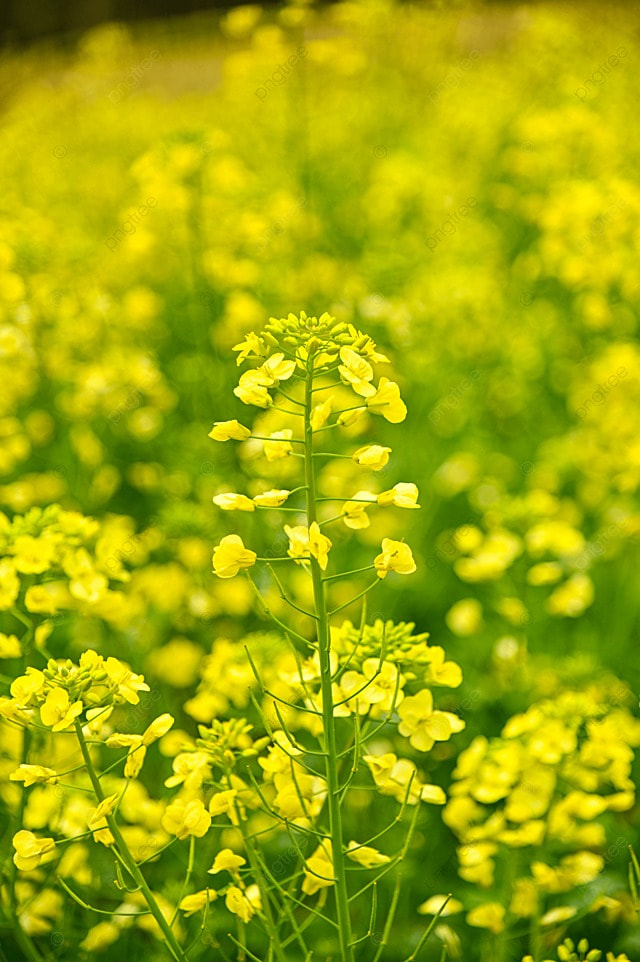
There are rules regarding the production of Brassica seed crops in Washington (WAC 16-326). These rules are meant to support oilseed production while protecting established vegetable seed industries.
Two Brassica seed production districts are designated; District 1 includes areas in Northwestern Washington, and District 2 includes portions of Grant and Adams counties. District 2 is further subdivided into two sub-districts: designated 2A and 2B. The rule specifies requirements for growing, transporting, and processing Brassica crops within the Brassica seed production districts. It sets a minimum isolation distance of 2 miles between Brassica crops.
It also requires that the locations of all Brassica crops produced for seed or oil within the districts be identified during the pinning process (in District 2 at the WSU Grant County Extension office). The strictest provisions apply to district 1 and sub-district 2A, where Brassica crops are limited to those grown for seed for planting. Rapeseed crops intended for oil or fuel production in districts 1 and 2A may only be grown under conditions of a Brassica production agreement (RCW 15.51.040). Such agreements must be developed by the applicant and the WSDA in consultation with an advisory committee.