Growing Resilience: Youth Lead and Learn at the 2026 Ag Summit Youth Track

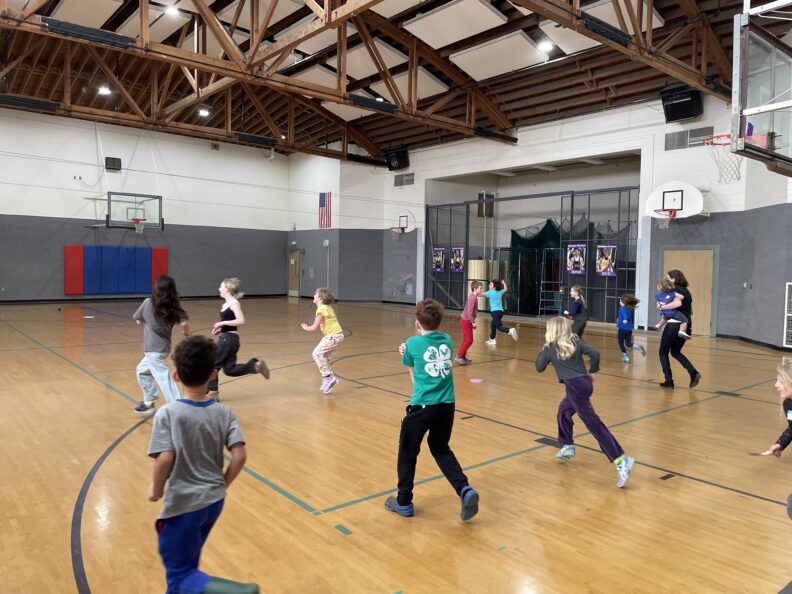
A group of children and several adults are active in a gymnasium with a high, wood-truss ceiling. Several of the children are running across the polished wooden floor, including one child in the foreground wearing a green t-shirt with a white 4-H clover logo on the back. A basketball hoop and a large American flag are visible in the background.
"Youth participants kick off the morning at Friday Harbor High School with high-energy challenge games led by their peers."

Unit

WSU Extension – San Juan County 4-H

Event Date & Location

Saturday, February 28, 2026 – Friday Harbor High School

Audience

Youth (designed for ages 8-15)

The 2026 Ag Summit Youth Track brought together island youth for a full day of hands‑on agricultural learning, leadership, and creativity. Designed to deepen connection to local food systems and community resilience, the program offered immersive workshops led by 4‑H volunteers, Master Gardeners, and agricultural educators across the islands.

Issue

Youth across the San Juan Islands have limited opportunities to meaningfully engage with agriculture—an essential part of our region’s environmental, cultural, and economic landscape. Hands‑on learning can be difficult to access in a geographically dispersed island community, where connections to producers and agricultural mentors vary widely.

To address this challenge, the 2026 San Juan Islands Agricultural Summit expanded its theme of Growing Resilience to include a full Youth Track designed specifically for ages 8–15. This program aimed to build agricultural literacy, strengthen practical skills, and support youth leadership by connecting young people with community educators, 4‑H volunteers, and local producers.

By investing in early agricultural education, San Juan County strengthens the next generation of land stewards who will support resilient, community‑based food systems.

By the Numbers

  • 13 youth participants
  • 1 full‑day program open to 4‑H and non‑4‑H youth
  • 5 hands‑on learning sessions
  • 2 live chicks featured in chick husbandry workshop
  • 13 take‑home worm bins & milk jug greenhouses built by participants
  • 1 youth art display at the County Fair
  • 8 volunteer community members serving as workshop facilitators

Response

On Saturday, February 28, 13 youth gathered at Friday Harbor High School for a full day of hands‑on agricultural learning. The morning began with high‑energy challenge games led by youth participants themselves, helping the group build confidence, teamwork, and a sense of community.

Youth then moved into a “Dream Garden” and milk‑jug seed‑starting workshop hosted by the San Juan County Master Gardeners, where they explored seed biology, season extension, and creative reuse of everyday materials for gardening.

After lunch, participants rotated through four interactive workshops, each highlighting a different aspect of agricultural knowledge and creativity:

Ag Waste to Art

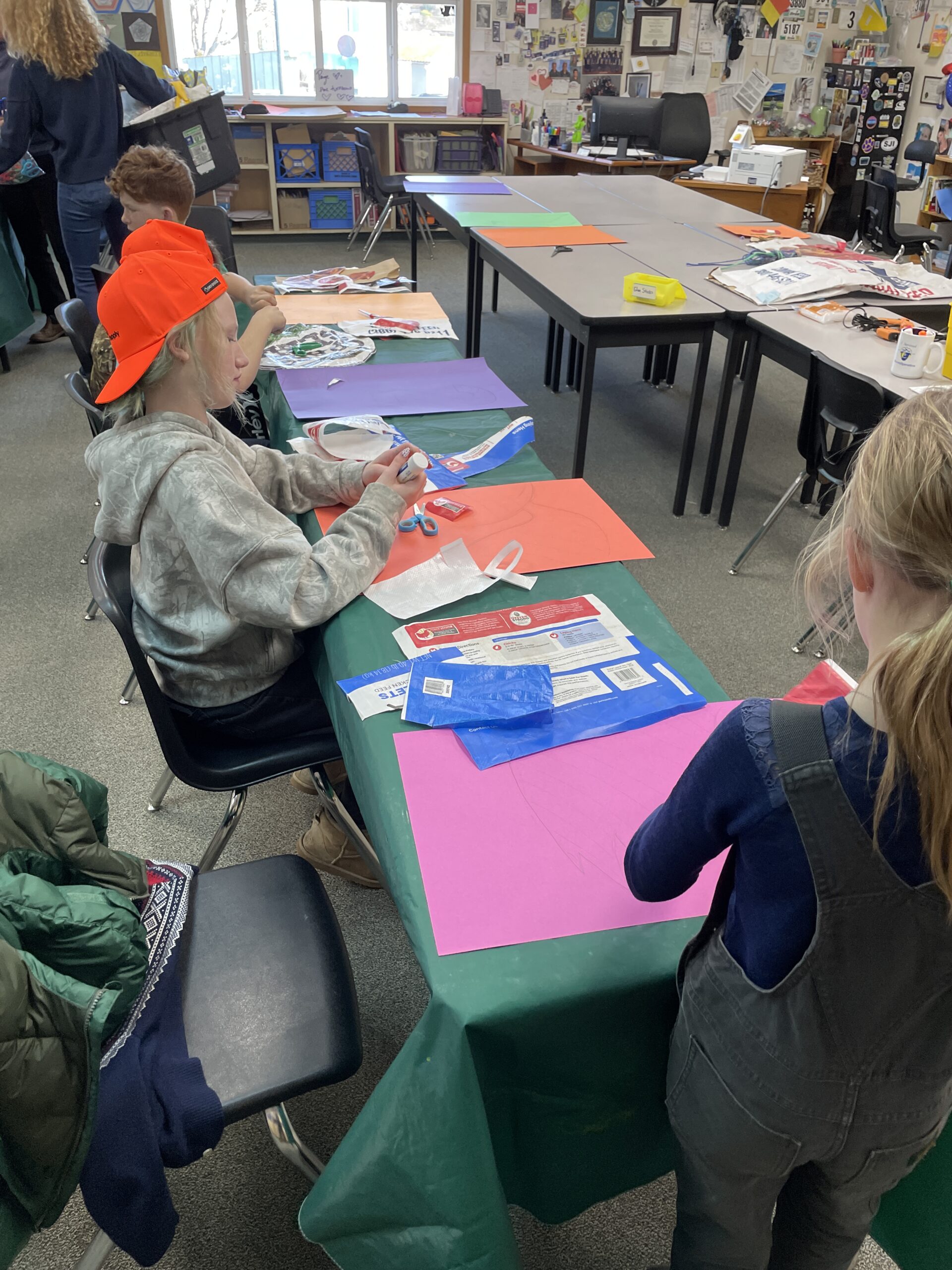
Youth transformed recycled feed bags, baling twine, and burlap into colorful collage art pieces. These artworks will be laminated and displayed at the San Juan County Fair later this year.

Worm Bins: Composting at Home

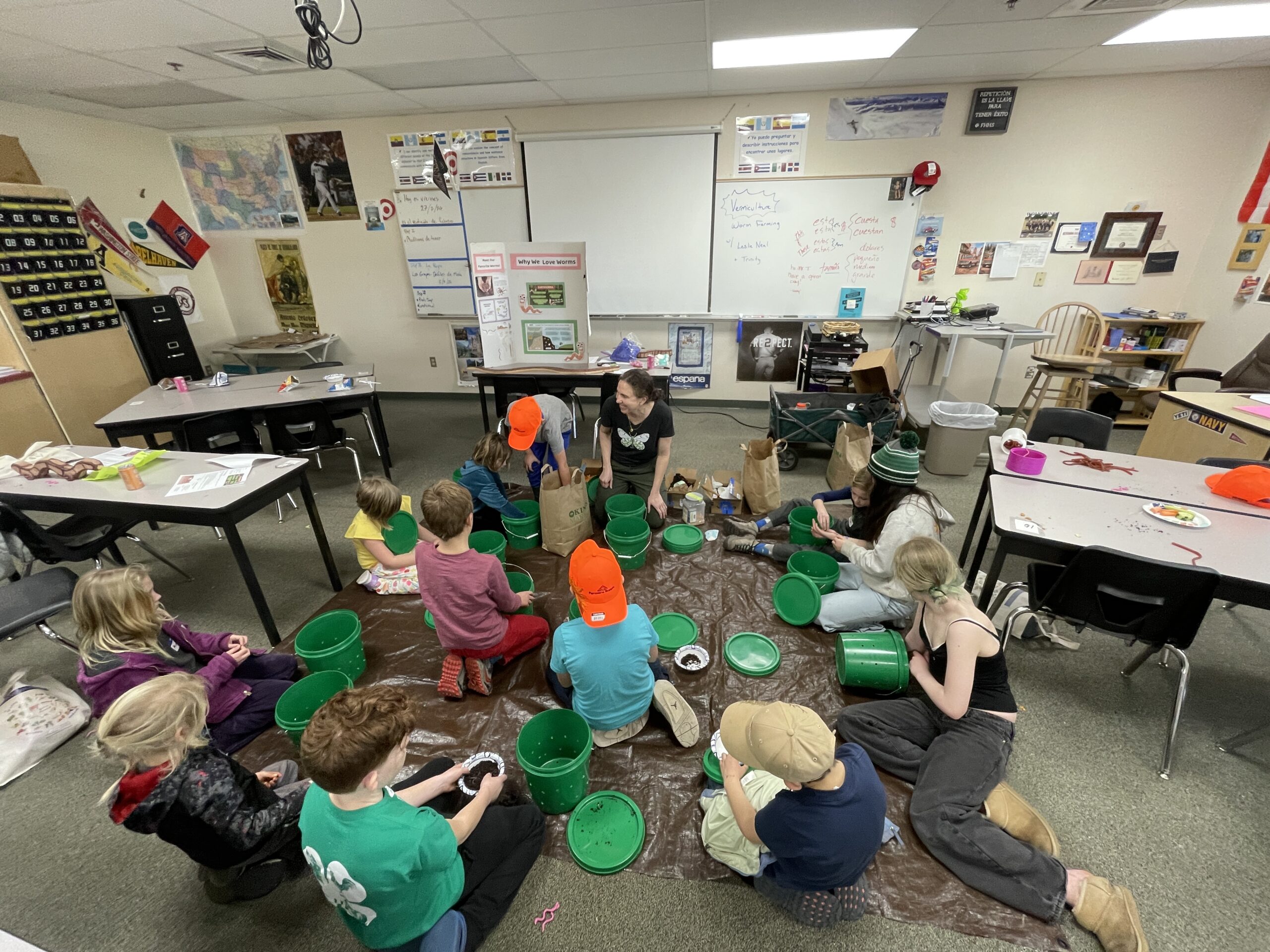
Participants learned how worms break down food scraps into nutrient‑rich compost and constructed their own functional in‑ground worm bins to take home. This workshop emphasized soil health, waste reduction, and sustainable gardening practices.

The Miracle of Life: Incubation & Chick Husbandry

Led by 4‑H youth and volunteers, this session introduced participants to the avian life cycle using two live chicks in an incubator. Youth explored incubation, brooding, and how to raise healthy poultry.

Thank a Local Farmer

Youth wrote personalized thank‑you notes to island farmers while learning about the diversity of agricultural operations across the islands and discussing why expressing community appreciation matters.

Take Away

Several participants shared excitement about starting seeds at home or teaching their families how to care for their newly built worm bins, demonstrating that learning continued well beyond the event.
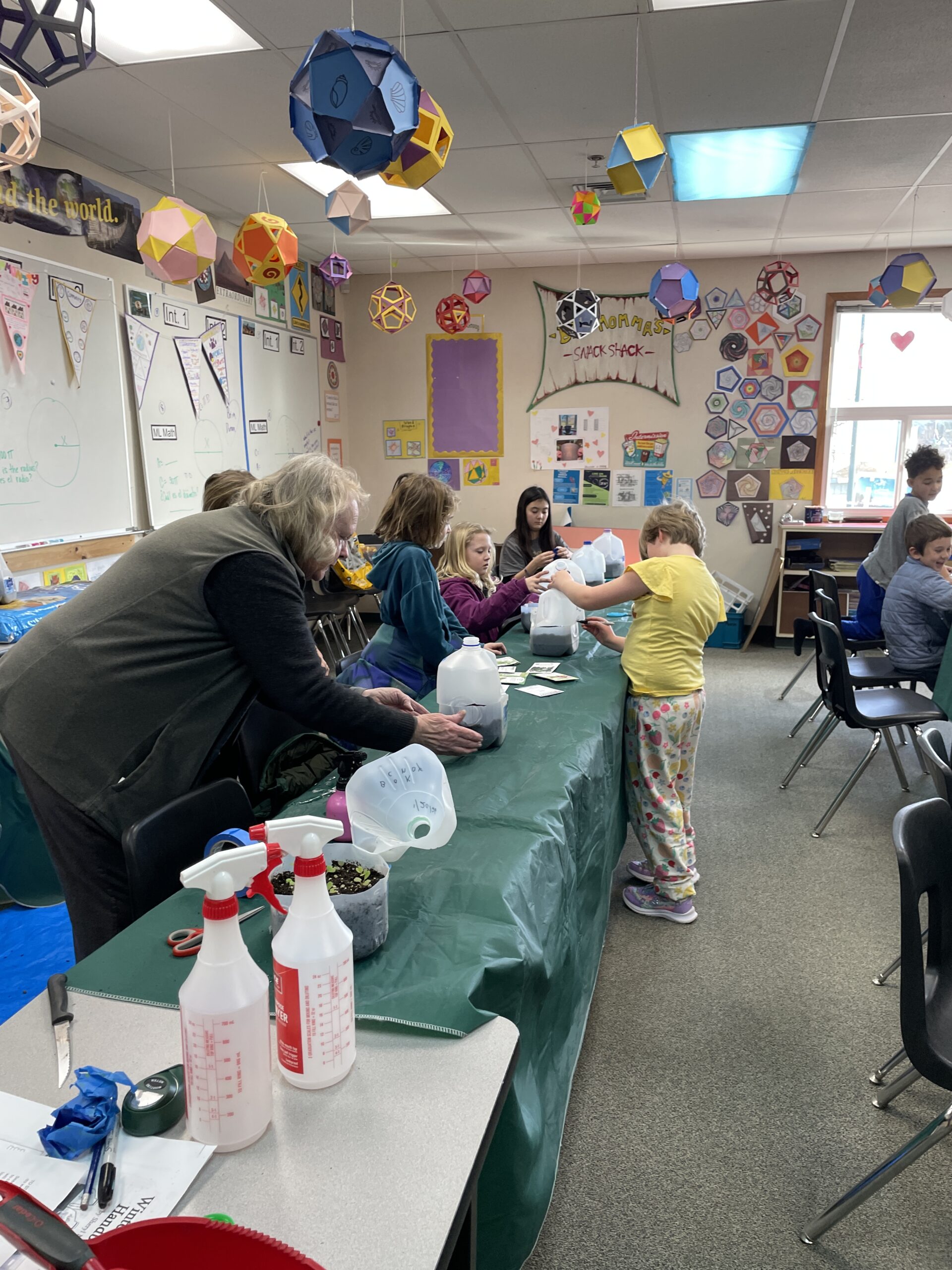
Inside a classroom decorated with colorful geometric paper lanterns hanging from the ceiling, several children and an adult woman are working at a long table covered in a green cloth. They are focused on a "seed starting" project using recycled plastic milk jugs filled with soil. Spray bottles and seed packets are visible on the table.

Seed Starting Workshop

Master Gardeners lead milk‑jug seed‑starting for season extension.
In a classroom, an adult instructor and about a dozen children are sitting in a circle on a large brown tarp spread across the floor. Each child has a bright green plastic bucket and is focused on assembling an in-ground worm bin. A tri-fold poster board with the title "Why We Love Worms" stands on a desk in the background, alongside a whiteboard with notes on vermiculture.

Worm Bin Workshop

Youth construct in‑ground worm bins to launch home composting.
In a brightly lit classroom, two children sit at a table covered with a green cloth, working on an art project. One child, wearing an orange hat and a grey hoodie, is focused on gluing materials onto a large piece of orange paper. On the table are various recycled materials, including colorful blue and red plastic feed bags, scraps of paper, and scissors. In the background, other tables and classroom supplies are visible.

Ag Waste to Art Workshop

Hands‑on “Ag Waste to Art” highlights creative reuse in ag systems.

Impacts

Short‑Term Learning

Participants gained new knowledge in seed starting, vermicomposting, poultry husbandry, and creative waste reduction. Through direct interaction with Master Gardeners, 4‑H volunteers, and one another, youth engaged with agricultural science in a tangible and memorable way.

Intermediate Skill Building & Practice

The hands‑on nature of each workshop allowed youth to immediately apply new skills. Milk‑jug greenhouses and take‑home worm bins create ongoing opportunities for young people and their families to practice sustainable gardening at home. The art station encouraged creative thinking and will allow youth to share their work with the broader community when displayed at the County Fair.

Long‑Term Community Impact

The Youth Track strengthened connections between young people and local agricultural educators. By fostering curiosity, leadership, and appreciation for local producers, the program supports the long‑term resilience of agriculture in the San Juan Islands. These experiences help develop the next generation of land stewards who understand the importance of sustainable food systems and community collaboration.

Sustainability & Equity Lens

Creative reuse (Ag Waste to Art) and home composting support waste reduction and soil health. Youth‑led facilitation and inclusive access (open to non‑4‑H members) broaden participation and belonging in local agriculture.

Youth also developed confidence, communication skills, and leadership as they collaborated with peers and engaged directly with community educators.

Quotes

I had a great time

Louie, age 9, participant

I so appreciate the youth track being offered, it allowed me to focus on my sessions knowing my child was also getting to learn

Anonymous Adult Ag Summit Attendee

Seeing youth engage with so many agriculture‑related topics—taught by passionate community members—was incredibly rewarding. I was genuinely blown away by how our young participants stepped up to lead their peers, stay curious, and commit fully to a long, learning‑filled day dedicated to agriculture.

Clinton Gauthier, San Juan County 4-H Coordinator & Youth Track Organizer

Together, these experiences reflect the power of community-led agricultural education in supporting a strong and resilient future for San Juan County youth.

To learn more about upcoming 4‑H opportunities in San Juan County, visit our 4‑H webpage.