Livestock Market Animal Auction Buyer Guide
Why Your Bid Matters
About the Auction
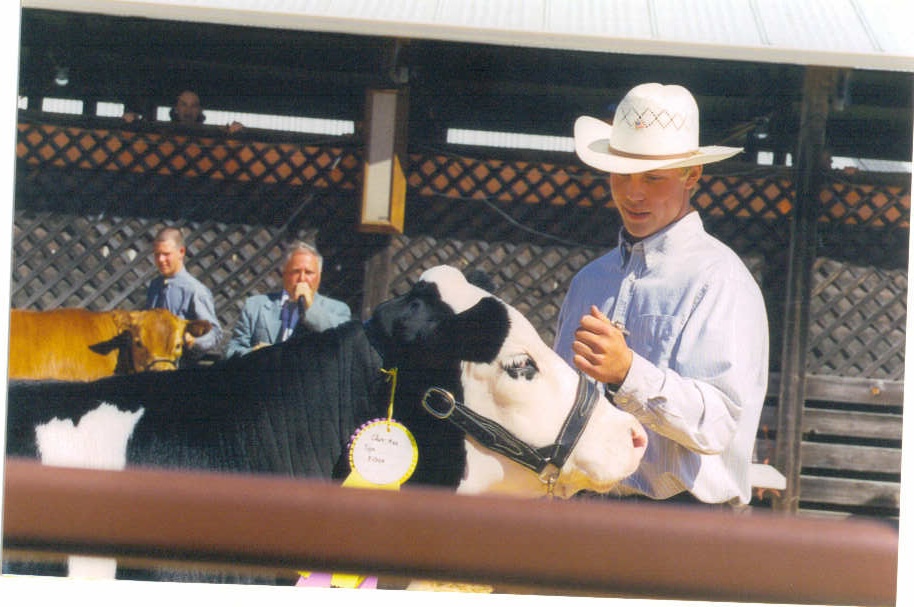
The San Juan County 4-H Livestock Market Animal Auction is one of the most meaningful events of fair week. Every animal in the ring represents months of hard work, responsibility, and dedication from a young person in our community.
Prices paid at auction may exceed current market rates — and that’s intentional. Buyers are encouraged to bid generously to help cover the real costs these youth incur raising their animals: feed, veterinary care, equipment, and their time. Although auction prices may exceed market rates, buyers consistently find that the exceptional quality and flavor of a 4‑H–raised market animal more than delivers on that investment—while directly supporting a young person’s hard work and education.
Last year, San Juan County buyers helped 4-H youth earn over $82,000 through their extremely generous purchases at the auction.
Your purchase directly supports a young person’s 4-H project and sends a powerful message: that their hard work is seen, valued, and celebrated by this community.
Meet the Animals and Their Owners
New for 2026 we are hosting an online auction catalog so buyers can see what they may find at the auction.
How to Participate
Step by Step
Whether you’re a first-time buyer or a returning supporter, here’s everything you need to do to participate. Auction volunteers and clerks are available throughout the day to answer questions and help buyers feel comfortable at every step.
1. Pre-Register & Get Your Bidder Number
All buyers should pre-register and receive a bidding number prior to the start of the auction. Registration opens at 12:00 pm and the auction begins at 1:00 pm at the 4-H Livestock Arena.
2. Know the Auction Order
Animals sell in a specific order: Reserve Champions first, then Grand Champions, followed by Blue Ribbon animals, then Red Ribbon animals. Large animals, small animals, and eggs are interspersed throughout each tier.
3. Bid by Oral Bid or Proxy
Anyone wanting to purchase a market animal may do so by oral bid or by proxy. Raise your bidder card or signal the auctioneer to place your bid.
4. Consider a “Turn Back”
If you’d like to support a youth but don’t necessarily want the animal, you can “turn back” your purchased animal. It will be resold at the Turn Back Auction at the end of the sale. Think of it as donating your animal back so that 4-H and LMAAC can benefit. Turning back an animal is a common and celebrated tradition.
5. Arrange Processing
- All livestock animals go to a USDA-approved slaughter facility. Processing and wrapping costs are the buyer’s responsibility. The LMAAC will provide written cutting and wrapping choices which will be provided to the processor.
- Rabbit, poultry, and egg projects do not go to a USDA facility. Youth exhibitors coordinate directly with buyers and may process and wrap rabbit or poultry at the buyer’s request. Sellers will contact buyers to arrange delivery of live or processed products.
6. Pay
You have two options for payment:
- Pay by Cash or Check at the conclusion of the auction.
- Pay by credit or debit card after receiving an invoice from the LMAAC treasurer. A 1.5% processing fee will be added to your total sale price for this option.
Animals & Exhibits
What’s for Sale (Not all projects will be for sale each year)
Whether you’re looking to fill a freezer, purchase for a special meal, or support a youth project without taking an animal home, there are options for every type of buyer.
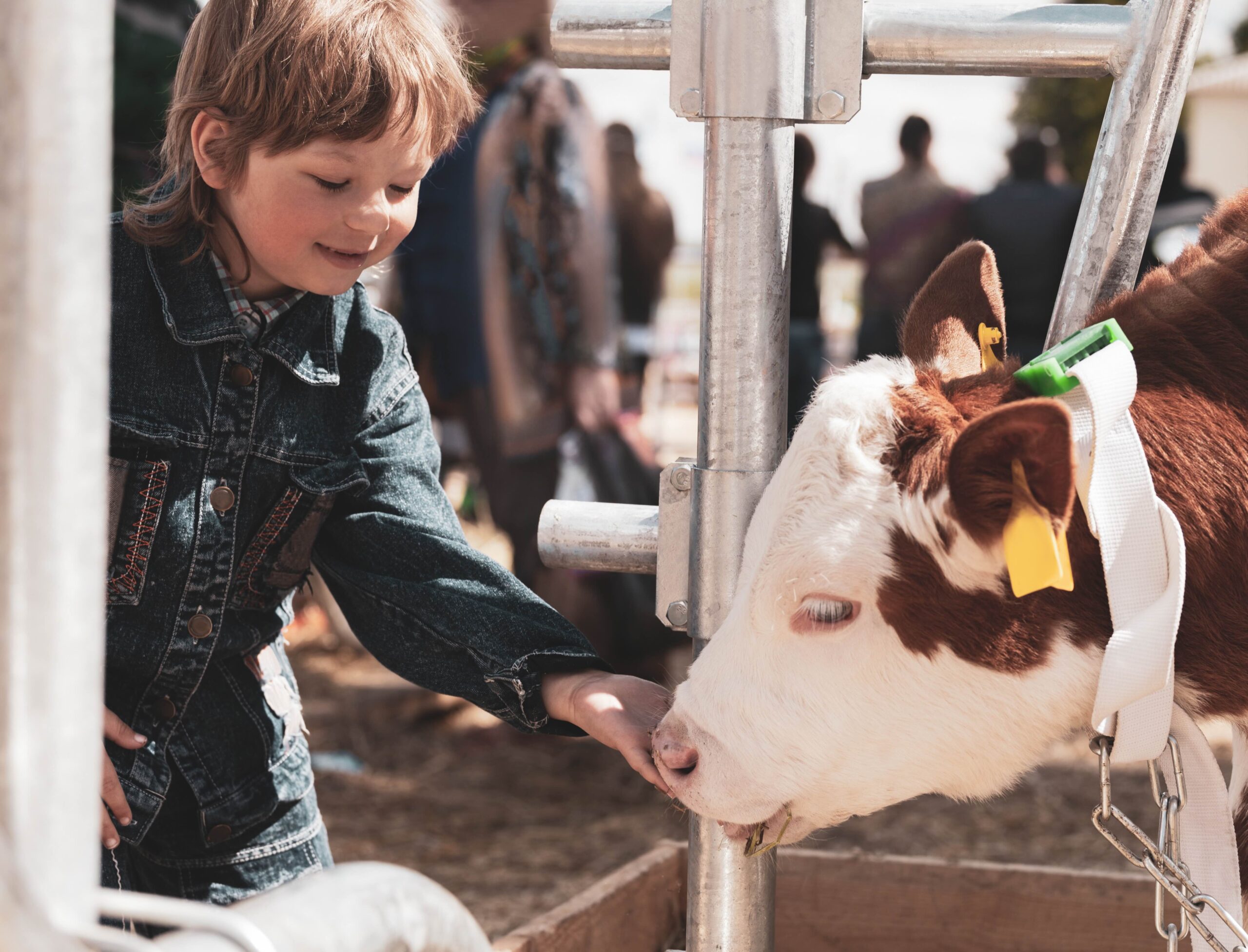
Market Beef
Alt. Breeds: 700-1,000 lbs
Sold: By the pound
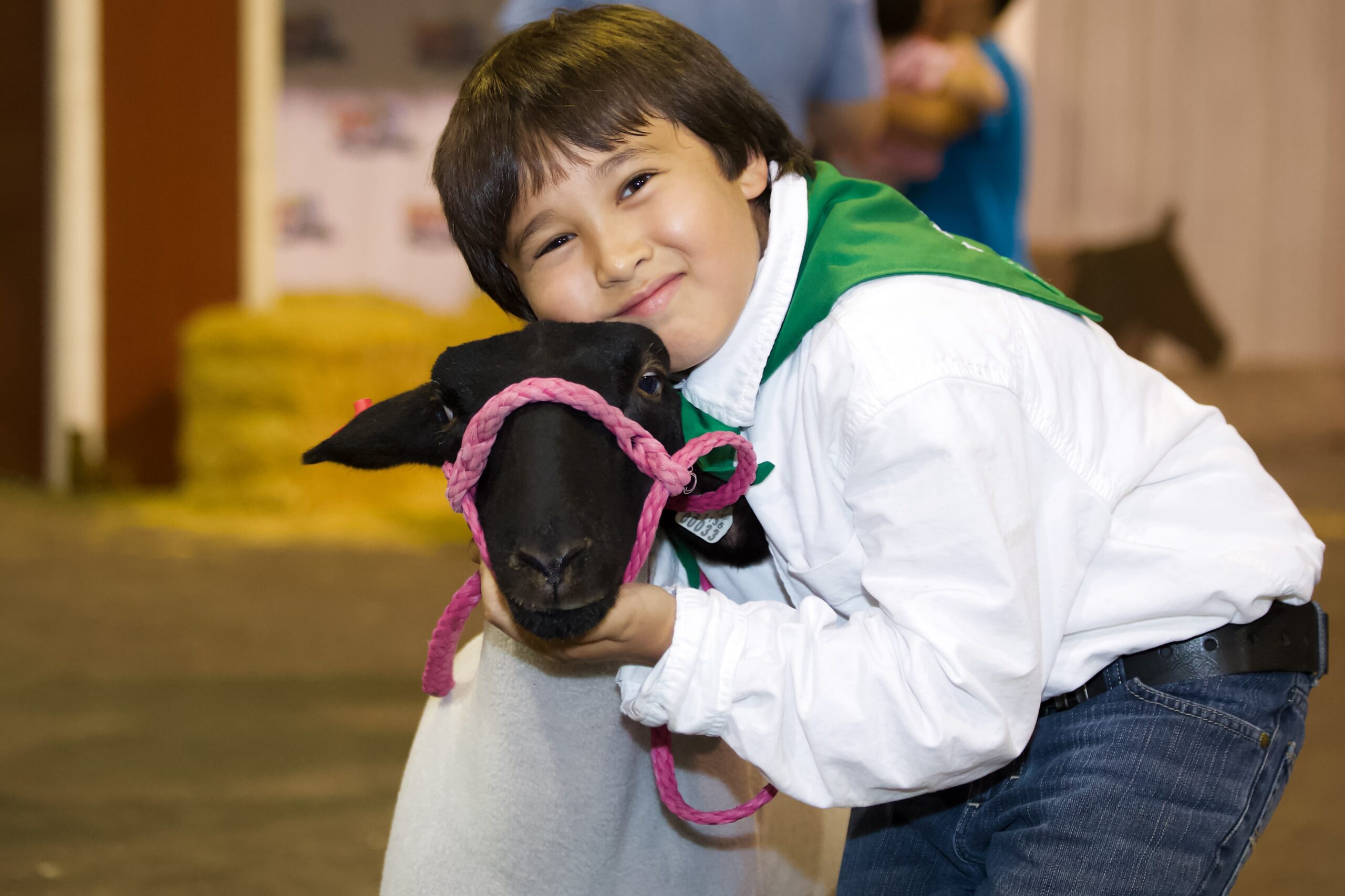
Market Lamb
Sold: By the pound
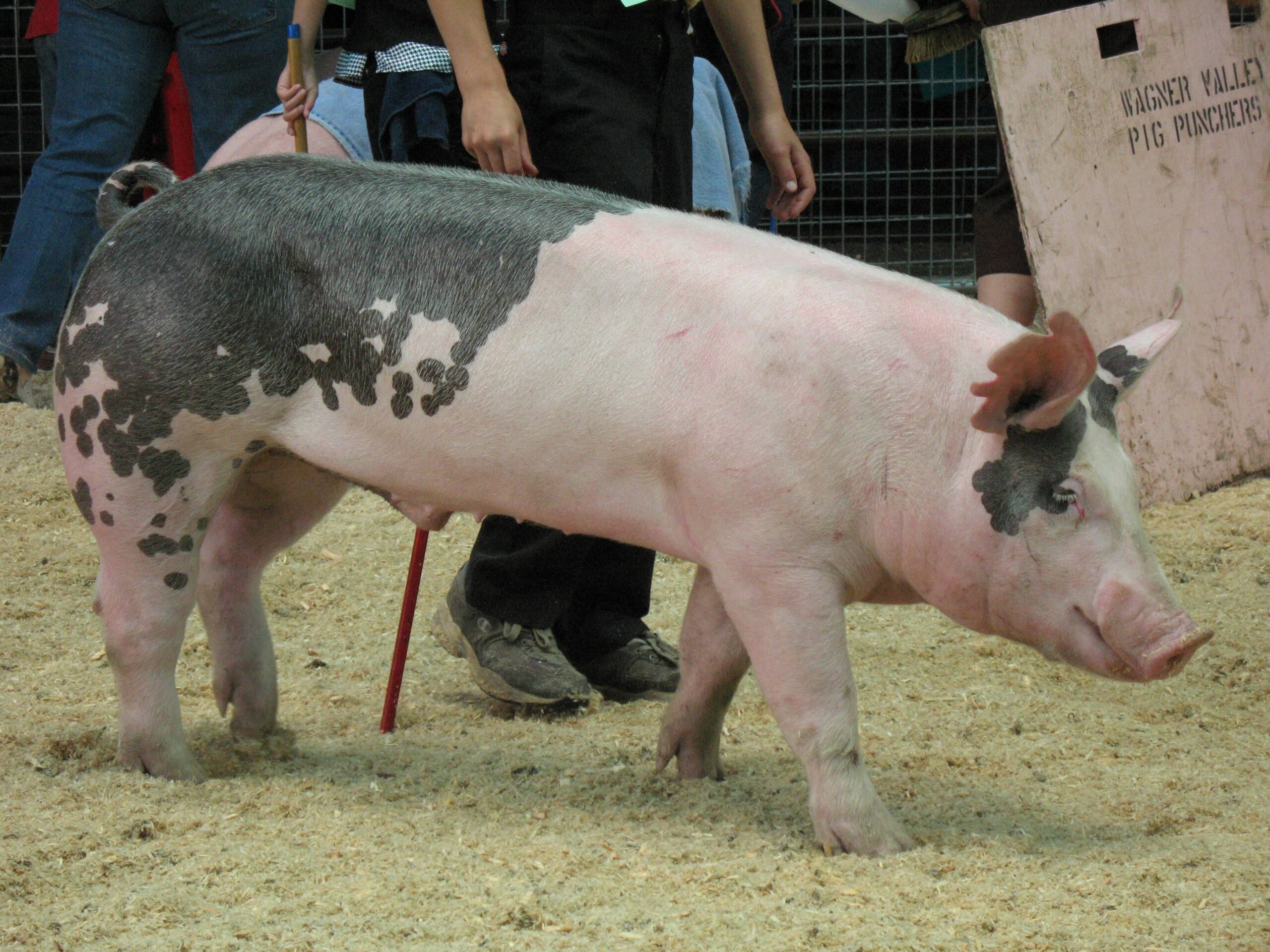
Market Swine
Sold: By the pound
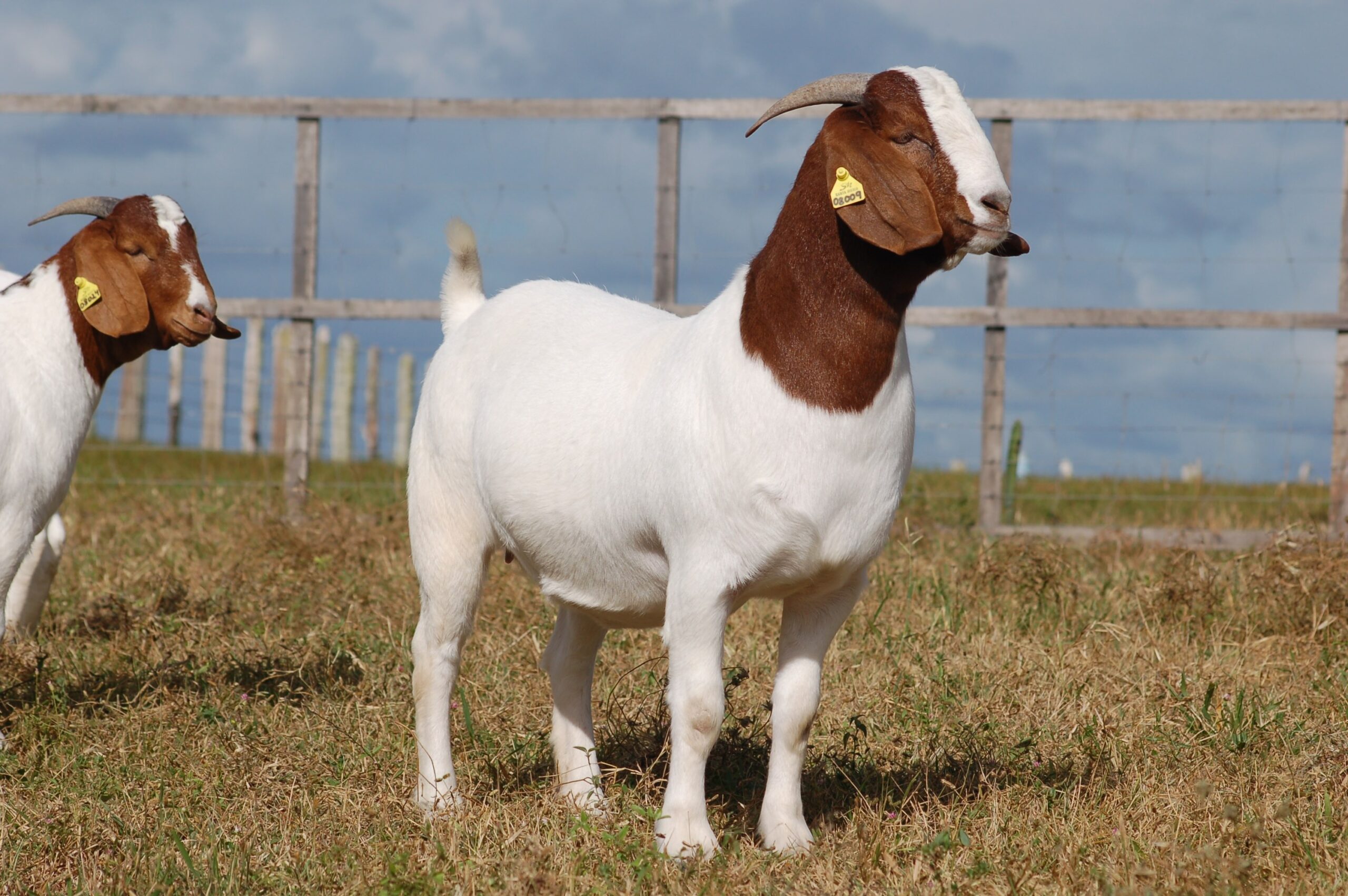
Market Goat
Sold: By the pound
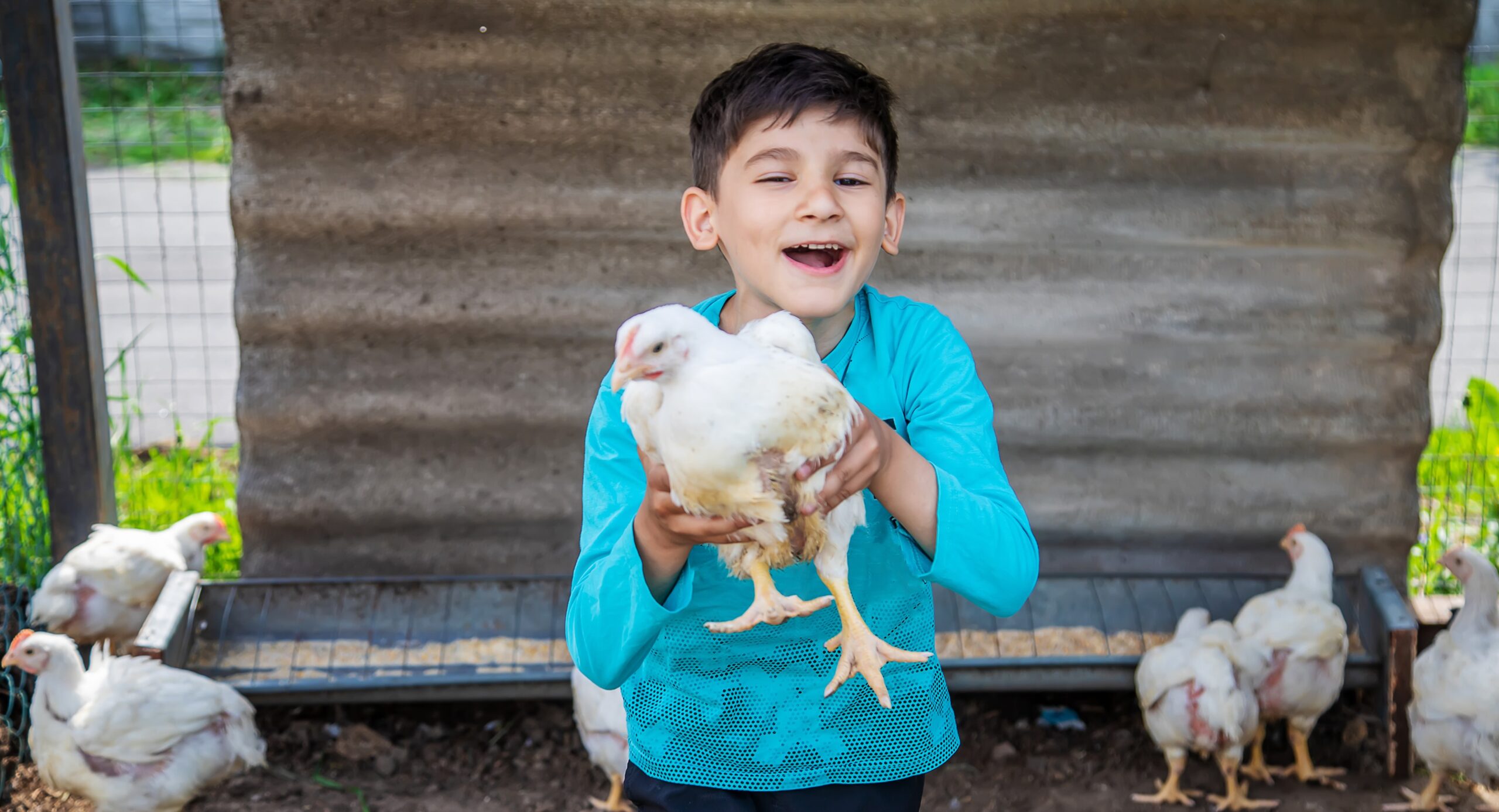
Broiler Chicken
Max. Age: 9 weeks
Sold: as a trio of same breed
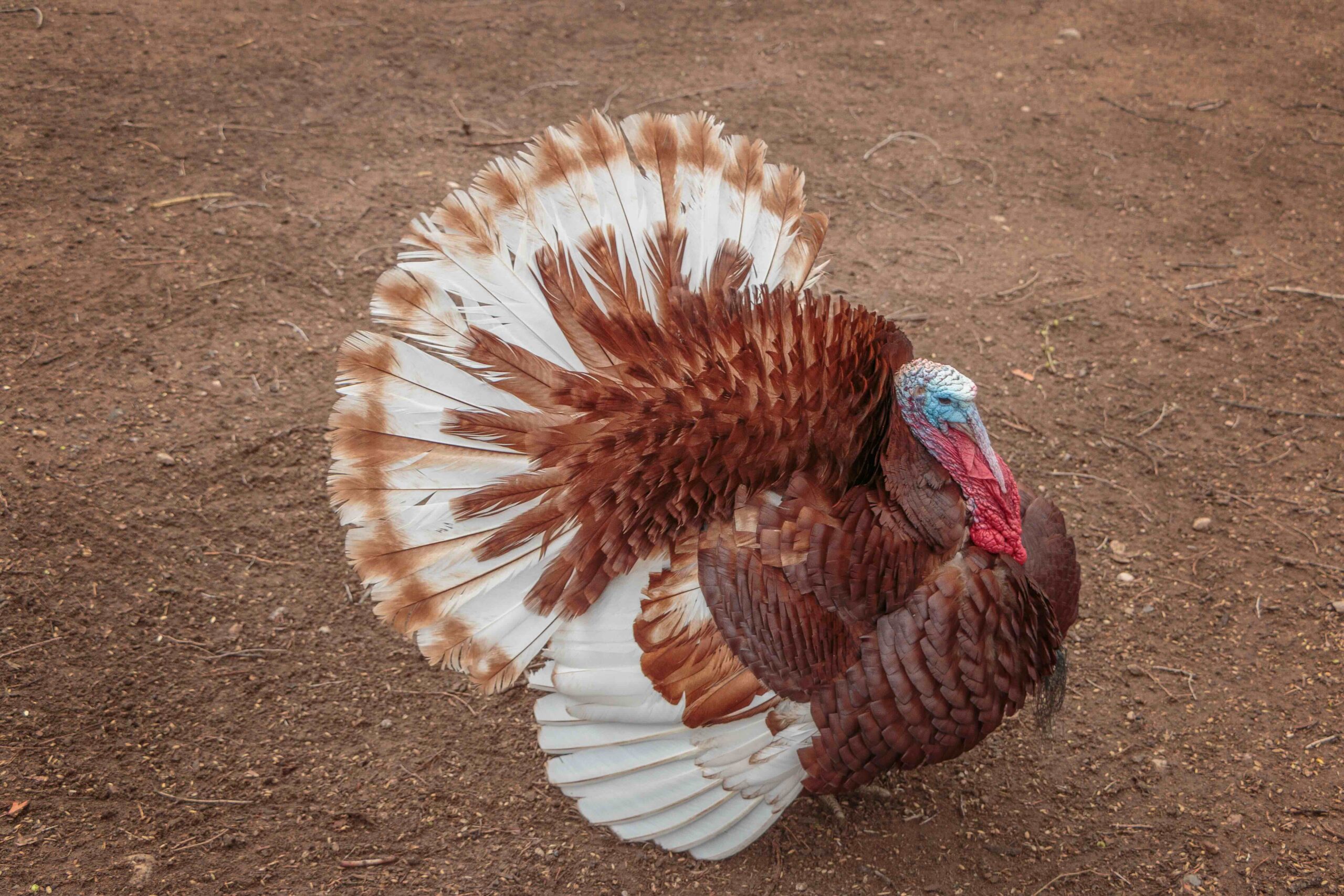
Turkey
Max Age: 24 weeks
Sold: as a single bird
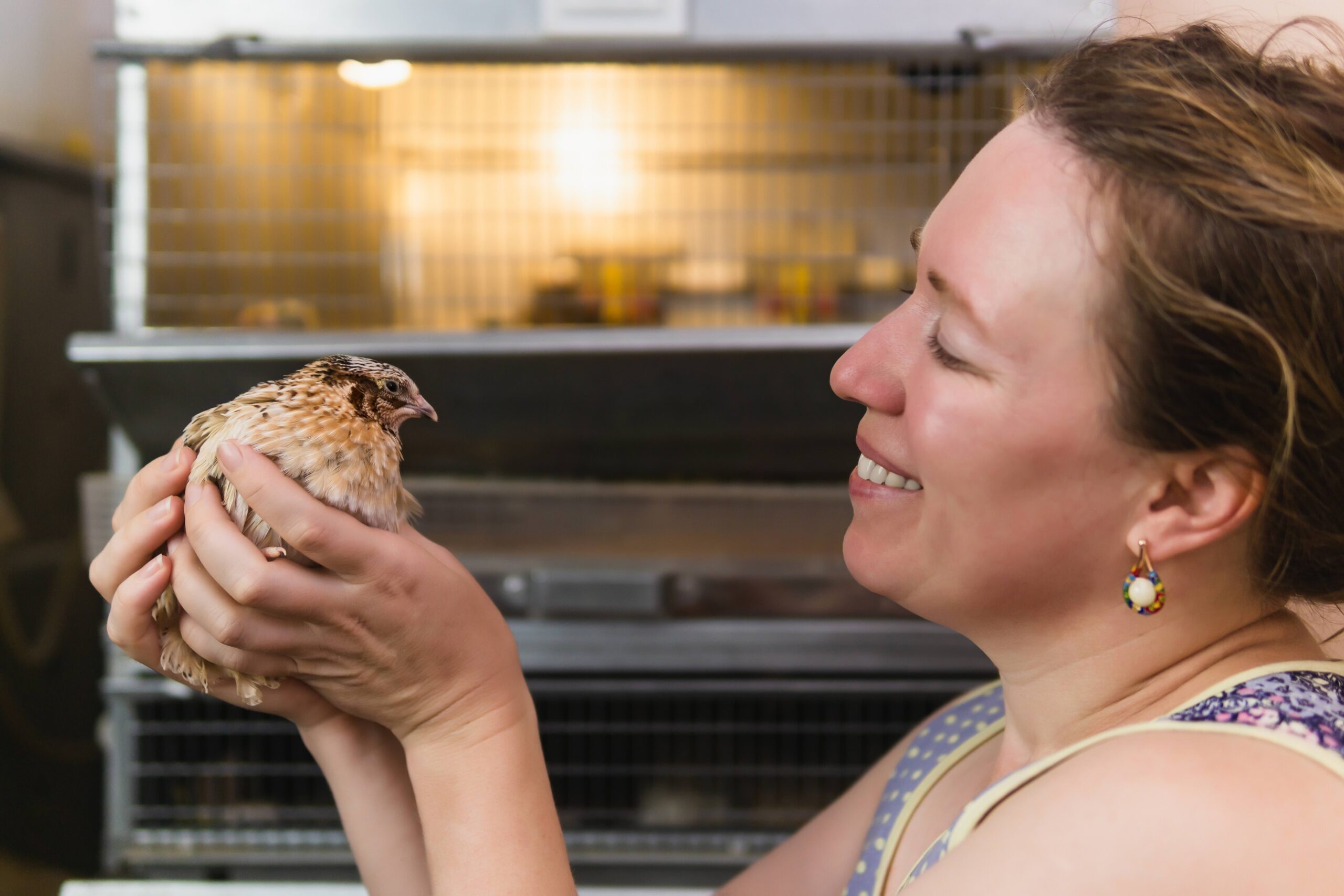
Alternative Market Poultry
Weight Range: Varies
Sold: Varies, often trio of same breed
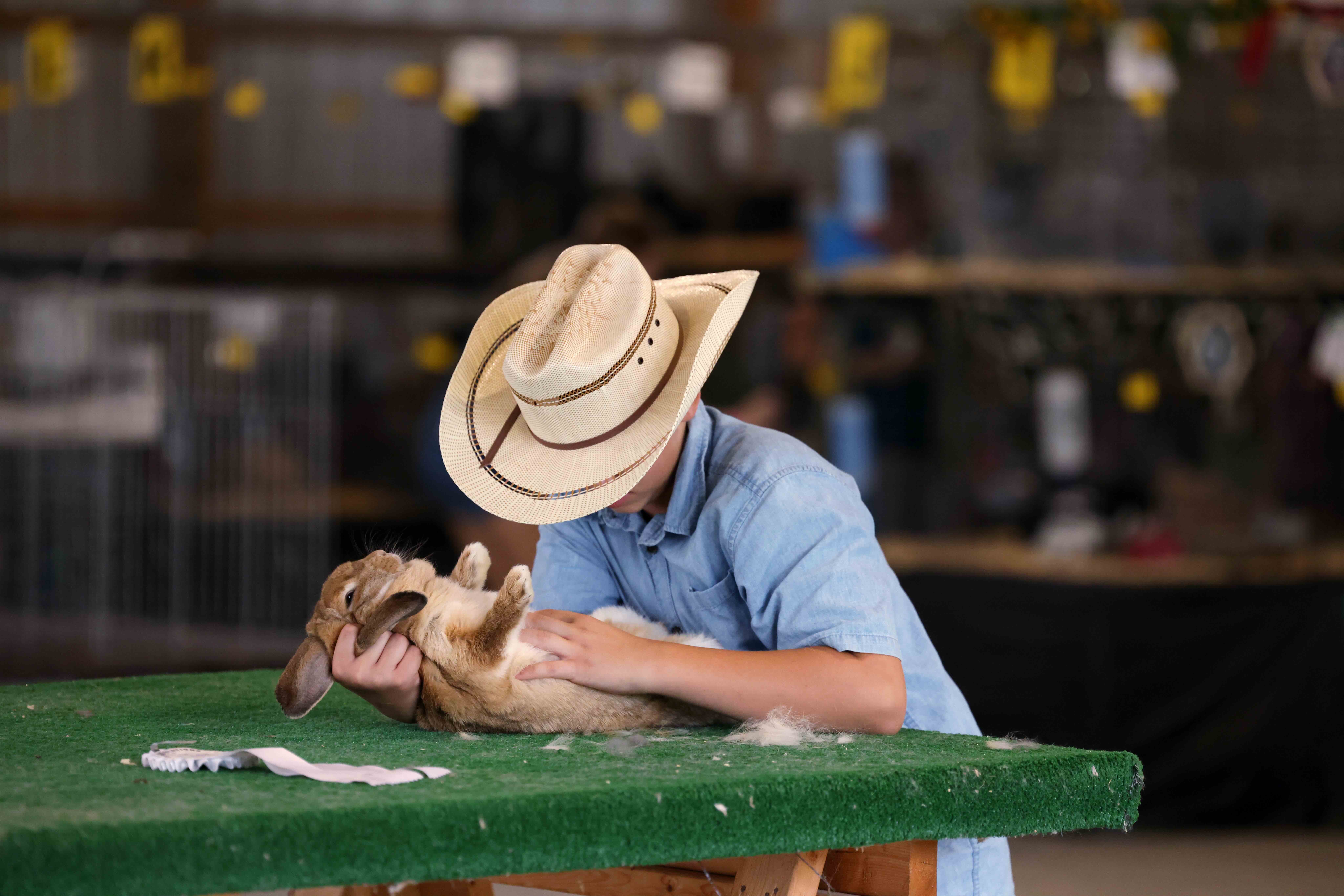
Market Rabbit
Max age: 10 weeks
Sold: as a trio of same breed
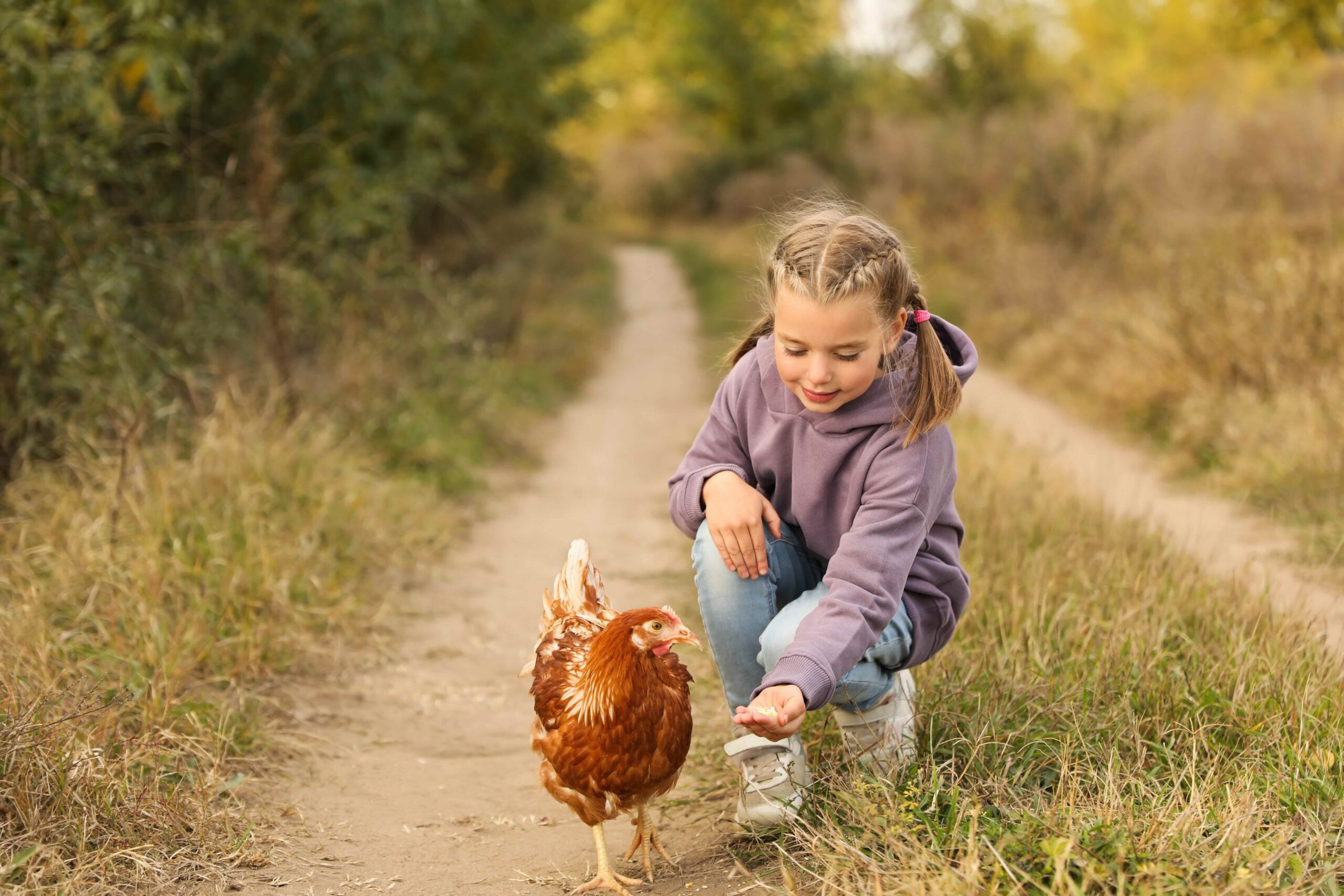
Pullet Layers
Sold: as a trio of same breed
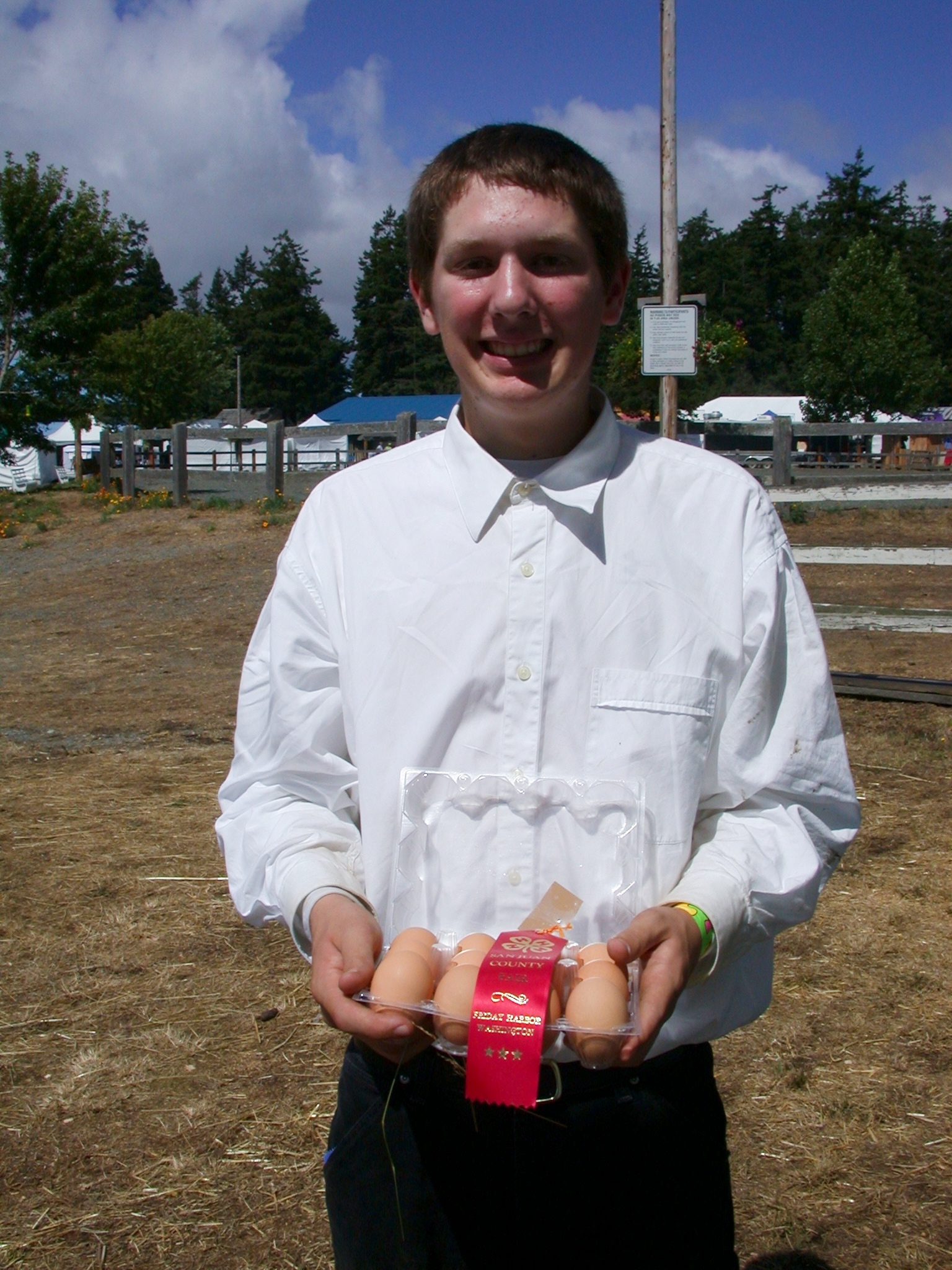
Dozen Farm Fresh Eggs
Youth will provide a fresh dozen to buyer
Overweight Animals
Animals that exceed the maximum weight for their class are sold at the maximum class weight — not their actual weight. The exception is Market Beef, which has no maximum and is always sold at actual weight.
Payment & Buyer Fees
Finances & Fees
💵
Cash
Accepted
No surcharge
📝
Check
Accepted
No surcharge
💳
Credit/Debit Card
Accepted
1.5% card surcharge
Late Payment
All sales not paid in full at the time of sale will be assessed a 10% buyer’s premium, unless pre-approved by the LMAAC Treasurer prior to the start of the auction. All sales are final.
Add On Program
The add-on program is a simple and flexible way to show extra support for any youth in the auction — even if you didn’t purchase their animal. At any point during the auction, simply visit the clerk’s table and make a flat dollar donation directed to the seller of your choice. You can give to a specific youth, to all exhibitors showing a particular species, or to all youth from a specific island community. There is no minimum — every dollar goes directly to the seller and means the world to a hardworking young person.
Processing Costs
The cost of slaughter, processing, and wrapping is the buyer’s responsibility. All livestock animals go to a designated USDA-approved slaughter facility. The LMAAC will provide written cutting and wrapping choices to help you plan. Processing costs vary — contact the LMAAC officers for estimates – we will do our best to help you get an idea of costs. For a rough idea on costs see below examples:
- Beef Animal weight: 1205 Estimated hanging weight: 639 (53%)
- Total fee: $1566.50
- Swine Animal weight: 255 Estimated hanging weight: 189 (74%)
- Total fee: $497.25
- Lamb Animal weight: 110 Estimated hanging weight: 69 (63%)
- Total fee: $247.50
- Goat: Animal weight: 92 Estimated hanging weight: 58 (63%)
- Total fee: $207.00
Rabbit and poultry projects are handled differently.
Rabbit, poultry, and egg sellers will contact the buyer directly to arrange delivery of live or processed animals or eggs. If the buyer requests processed rabbit or poultry, the youth exhibitor is responsible for slaughtering, processing, and wrapping the animal in accordance with program guidelines. Buyers and sellers should communicate in advance to confirm expectations.
All Animals are Processed After the Auction
This is a terminal auction — all animals are intended for processing. If you wish for an animal not to be terminated, you must request an exception in writing from the LMAAC Chairperson by 5:00 pm on the day of auction. Note: Pullets (laying hens and ducks) are exceptions to this rule.
Can’t Make it to the Auction on Saturday?
We’d still love your support contact the auction committee or fill out the online proxy bidder form to arrange for proxy bidding or to make a donation!
Give Even More
New in 2026
This year we’re excited to offer additional ways to support our 4-H youth and the Livestock Market Animal Auction Committee beyond purchasing an animal. These new opportunities allow anyone to contribute — even if you don’t take an animal home.
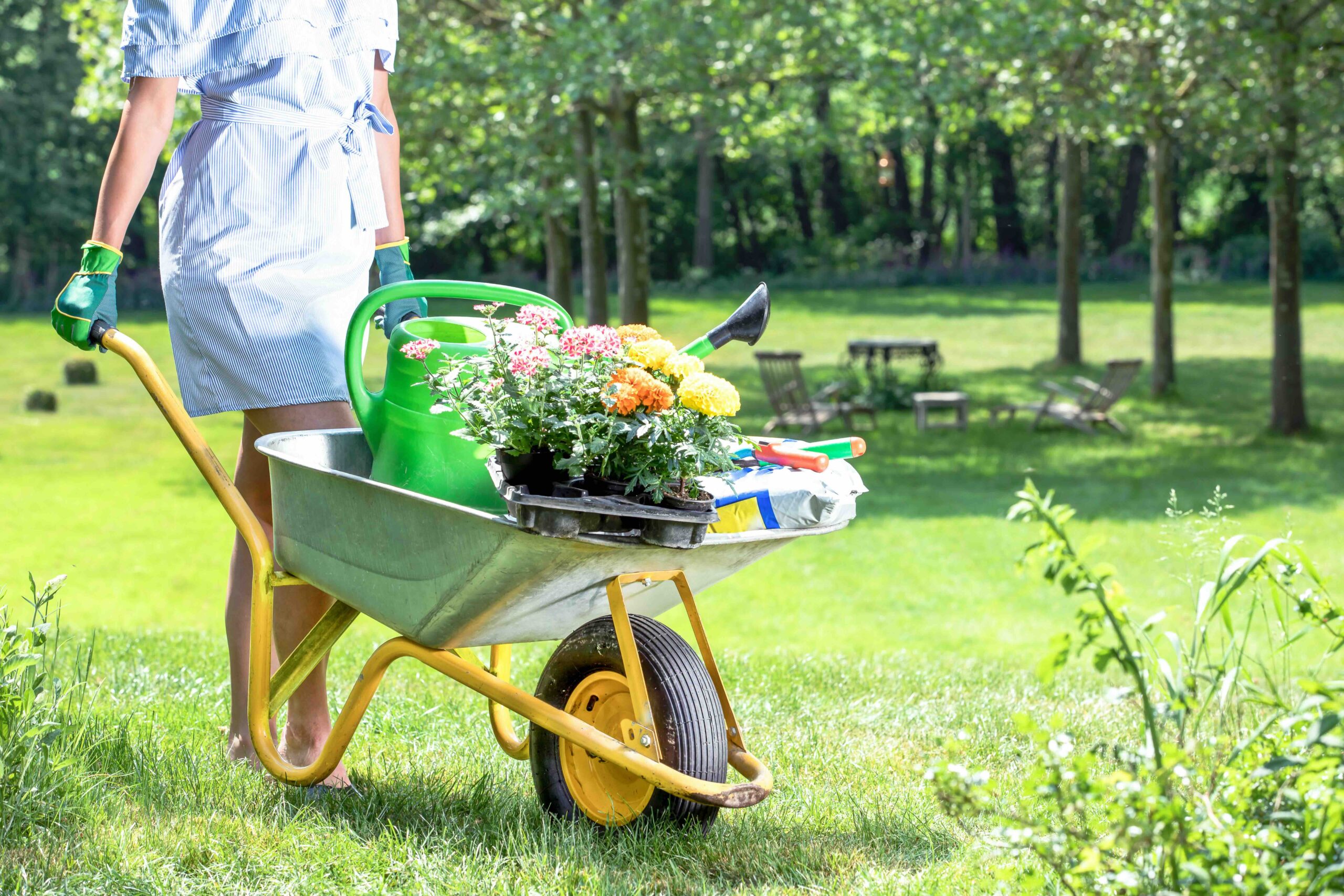
LMAAC Wheelbarrow Lot
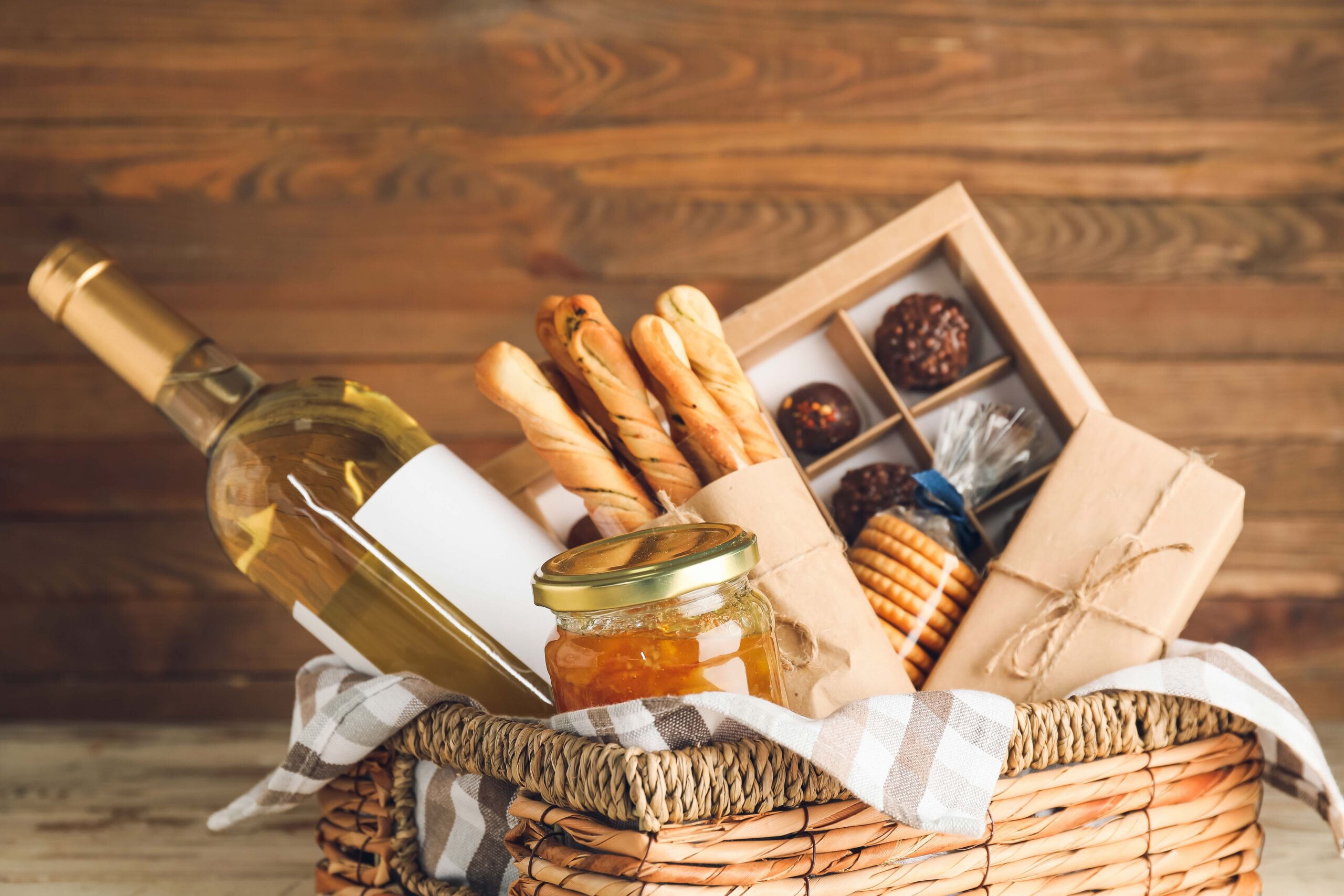
Leaders Council “Bounty of the County” Basket
🙋 Raise the Paddle — General Fund
After the auction but before the turn-backs, we invite all attendees to participate in our Raise the Paddle event — a direct fund-a-need campaign supporting the LMAAC’s operating expenses and youth programs. Every dollar raised goes directly toward scholarships, auction costs, equipment, educational materials, and youth recognition. No animal purchase required — just a generous spirit and a raised paddle.
Frequently Asked Questions
Common Questions
Not at all! You can participate in the Raise the Paddle event, bid on the LMAAC Wheelbarrow Lot, or bid on the Leaders Council Bounty of the County Basket — all great ways to give without taking an animal home.
There is also an option to provide a direct donation to any youth via the Add-On Program.
When you buy an animal, you can choose to “turn it back.” The animal goes back into the ring and is resold at the Turn Back Auction at the end of the sale. You still pay your full original bid price – which goes to the youth. The Turn Back Auction proceeds support the LMAAC Fund. It’s a great way to support a youth and the program with one big-hearted gesture.
All livestock animals are sent to a USDA-approved slaughter facility for processing. The buyer is responsible for processing and wrapping costs. The LMAAC will provide written cutting and wrapping options. If you do not want the animal terminated, you must request an exception in writing from the LMAAC Chairperson by 5:00 pm on the day of the auction.
Rabbit, poultry, and egg projects do not go to a USDA facility. Youth exhibitors coordinate directly with buyers and may process and wrap rabbit or poultry at the buyer’s request. Sellers will contact buyers to arrange delivery of live or processed products. Pullets (laying hens and ducks) are an exception — buyers arrange delivery or pickup of live birds or eggs. Processing by youth exhibitors is conducted as part of their 4‑H project learning experience and follows program guidelines.
Large animals (beef, swine, lamb, goat) are sold by the pound. Poultry, rabbits, and eggs are sold by the lot. Animals that exceed the maximum weight for their class are sold at the maximum class weight, not their actual weight. Market Beef is always sold at actual weight with no maximum.
Prices are often well above market value, reflecting both the high quality of the product and the educational investment in each youth exhibitor.
Yes — buyers may participate by oral bid or by proxy. Pre-register to receive your bidding number before the auction starts at 1:00 pm. Fill out the proxy bid form or contact LMAAC Chairs to arrange for proxy bidding – Clinton: cjgauthier@wsu.edu or Sara: justinsarahurley@gmail.com.
Cash, check, and credit/debit cards are all accepted. Note that a 1.5% surcharge applies to card payments. All sales not paid in full at the time of sale will be assessed a 10% buyer’s premium unless pre-approved by the LMAAC Treasurer before the auction begins. Credit card invoices will be sent out a few days after the auction without the buyers premium being applied.
Yes! Each exhibitor is required to write a personal thank-you letter to their buyer. It’s one of the meaningful traditions of the 4-H program — and one of the best parts of being a buyer.
Questions & Contact
Thank You!
Thank you for considering participation in the San Juan County 4‑H Livestock Market Animal Auction. Your support directly shapes the confidence, skills, and future success of youth in our community.
Get in Touch
Questions about the auction rules or buyer process should be directed to the LMAAC Co-Chairs. For general 4-H or enrollment questions, contact the WSU Extension Office.
LMAAC Officers
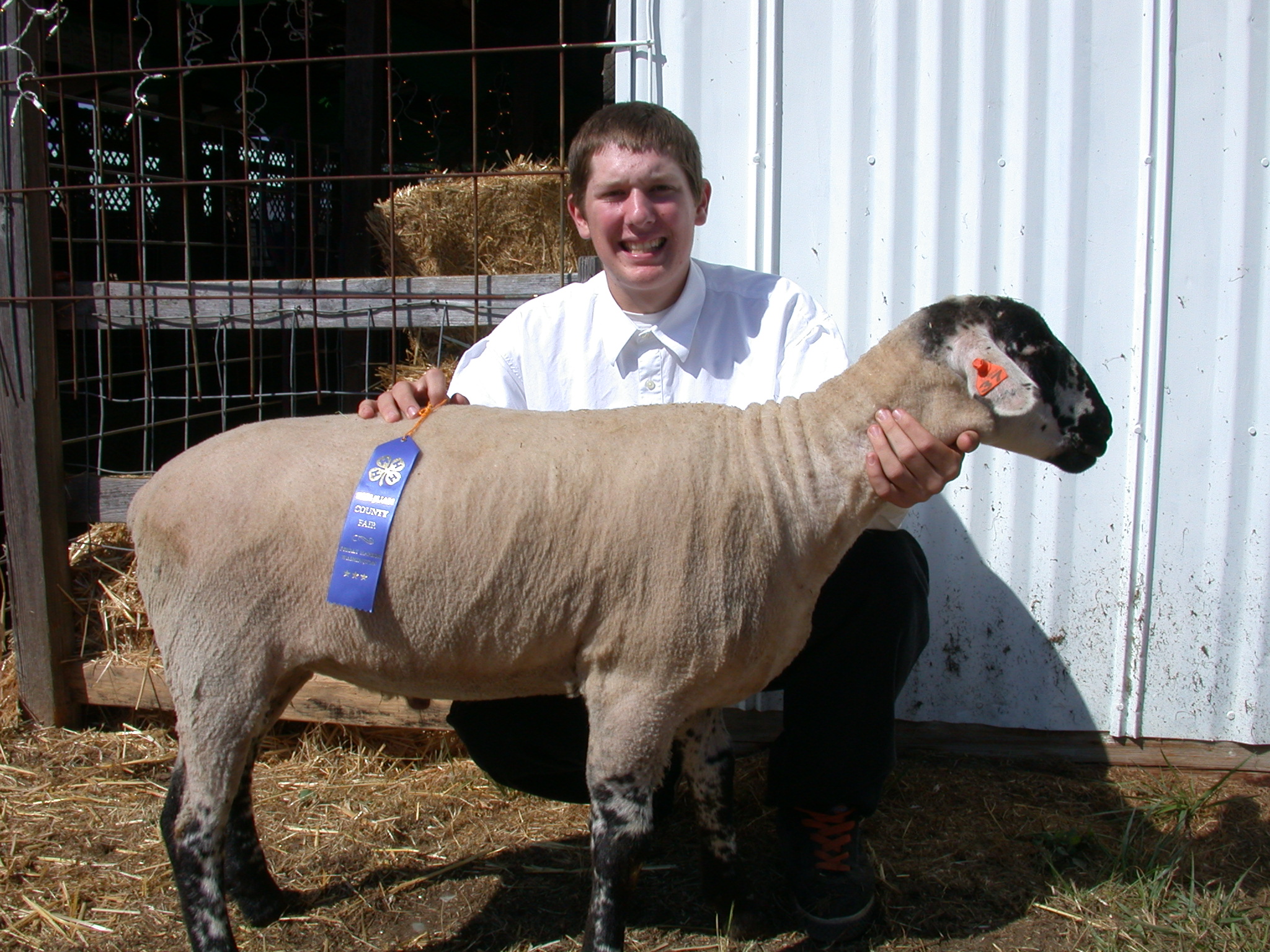
Clinton Gauthier – Co-Chair
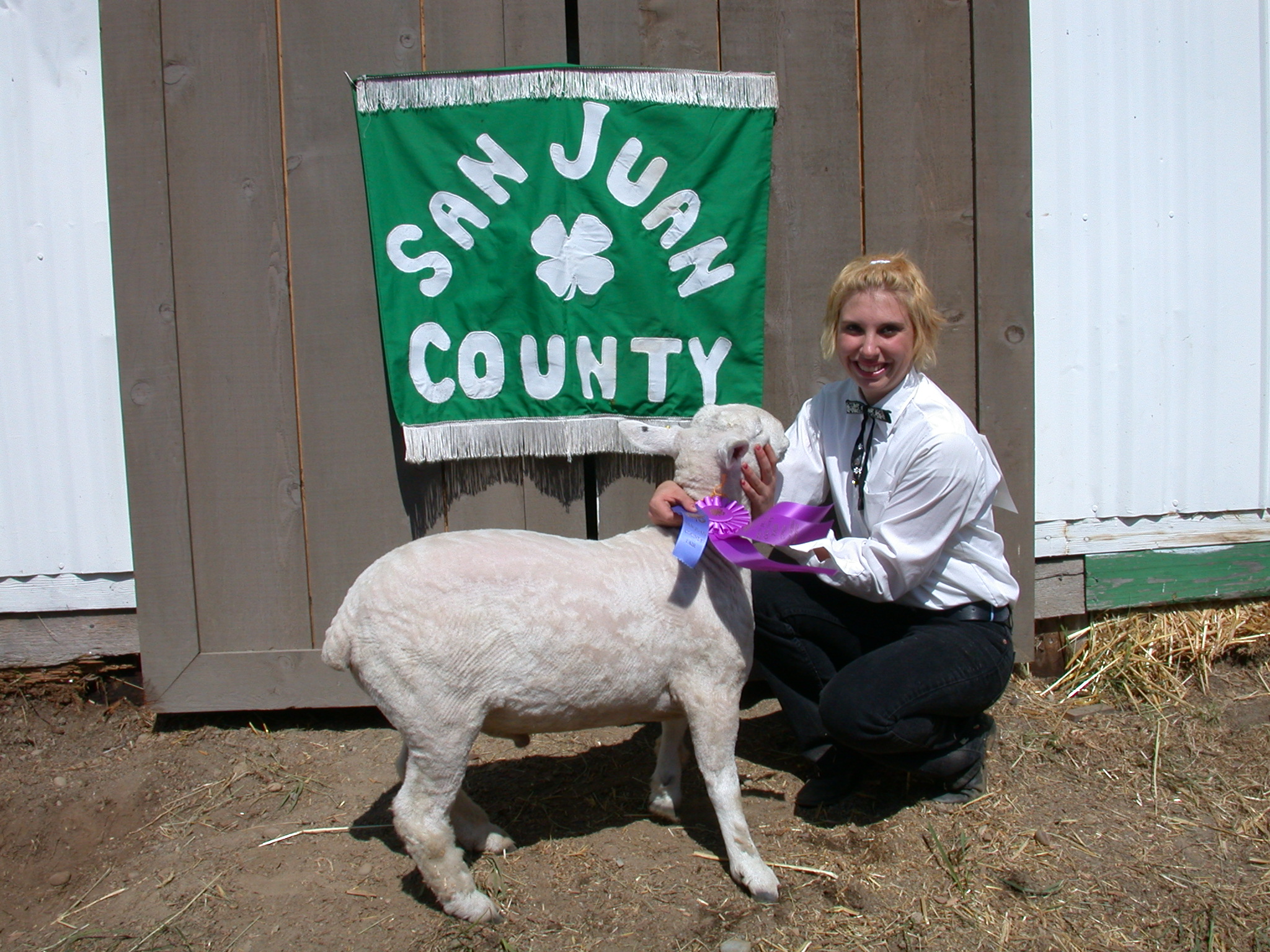
Sara Hurley – Co-Chair
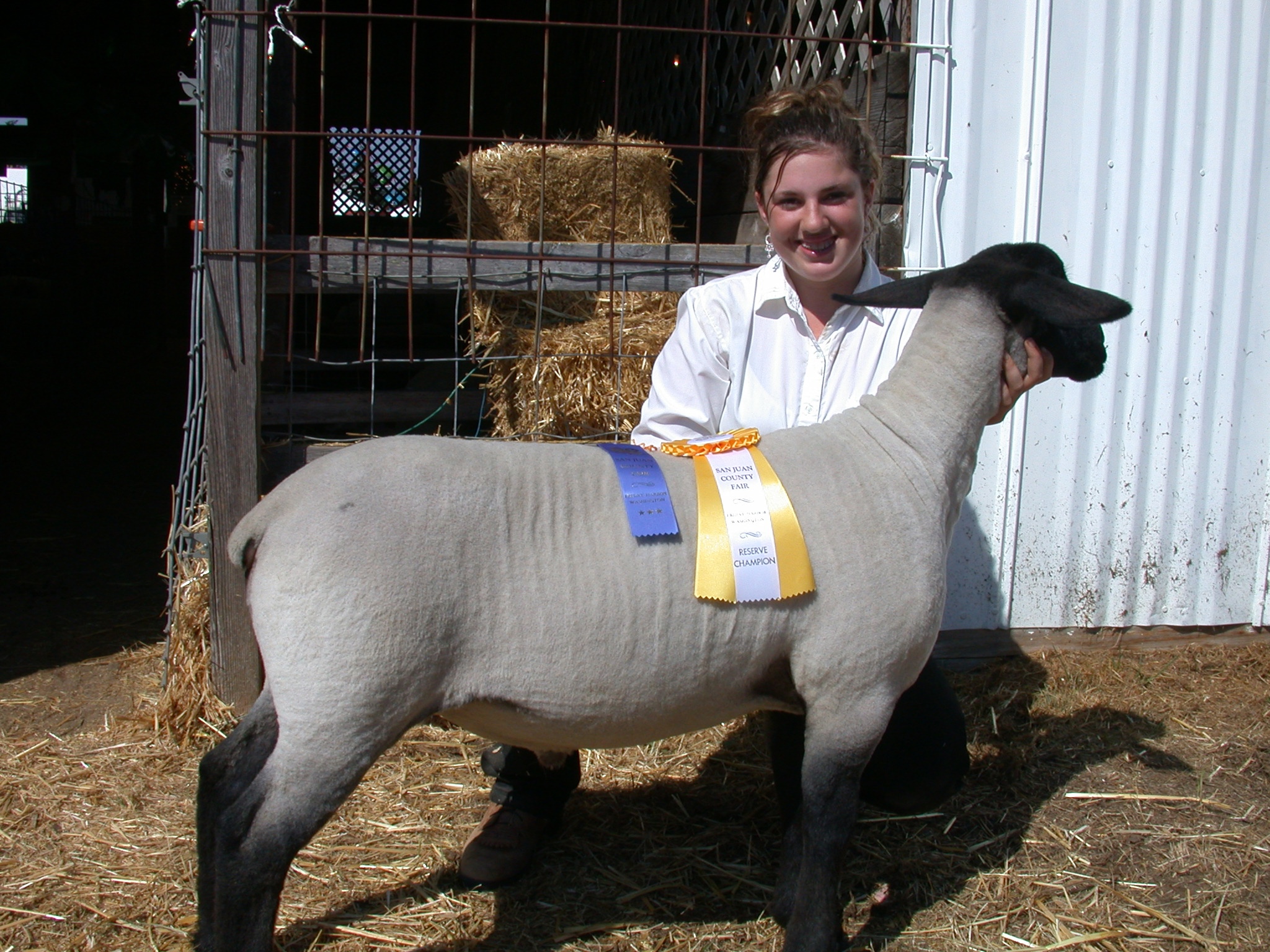
Randi Mayberry – Treasurer
📧 randijanemayberry@gmail.com
San Juan County Extension Office Staff
Caitlin Blethen, Interim Director – cblethen@wsu.edu
Clinton Gauthier, 4-H Coordinator – sanjuan.4-H@wsu.edu
Lucy Graves, Office Manager – lucy.graves@wsu.edu
Office phone: (360) 378-4414
2026 San Juan County 4-H Livestock Market Animal Auction — Buyers Guide
Hosted in partnership with WSU Extension & San Juan County Fairgrounds
Questions? Contact LMAAC Co-Chairs: Clinton Gauthier & Sara Hurley