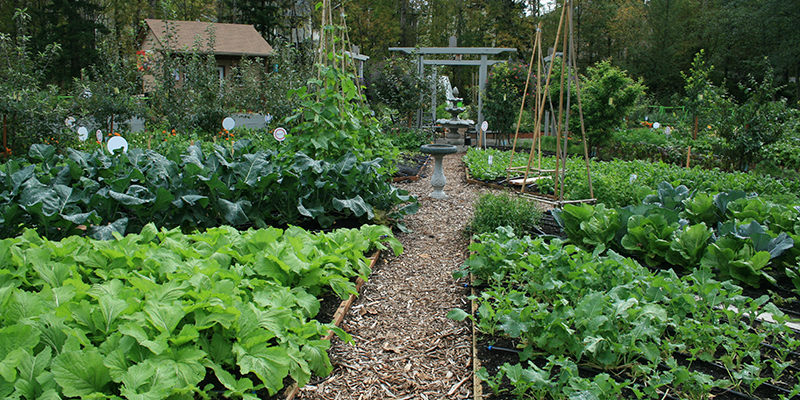
At Home Soil Testing
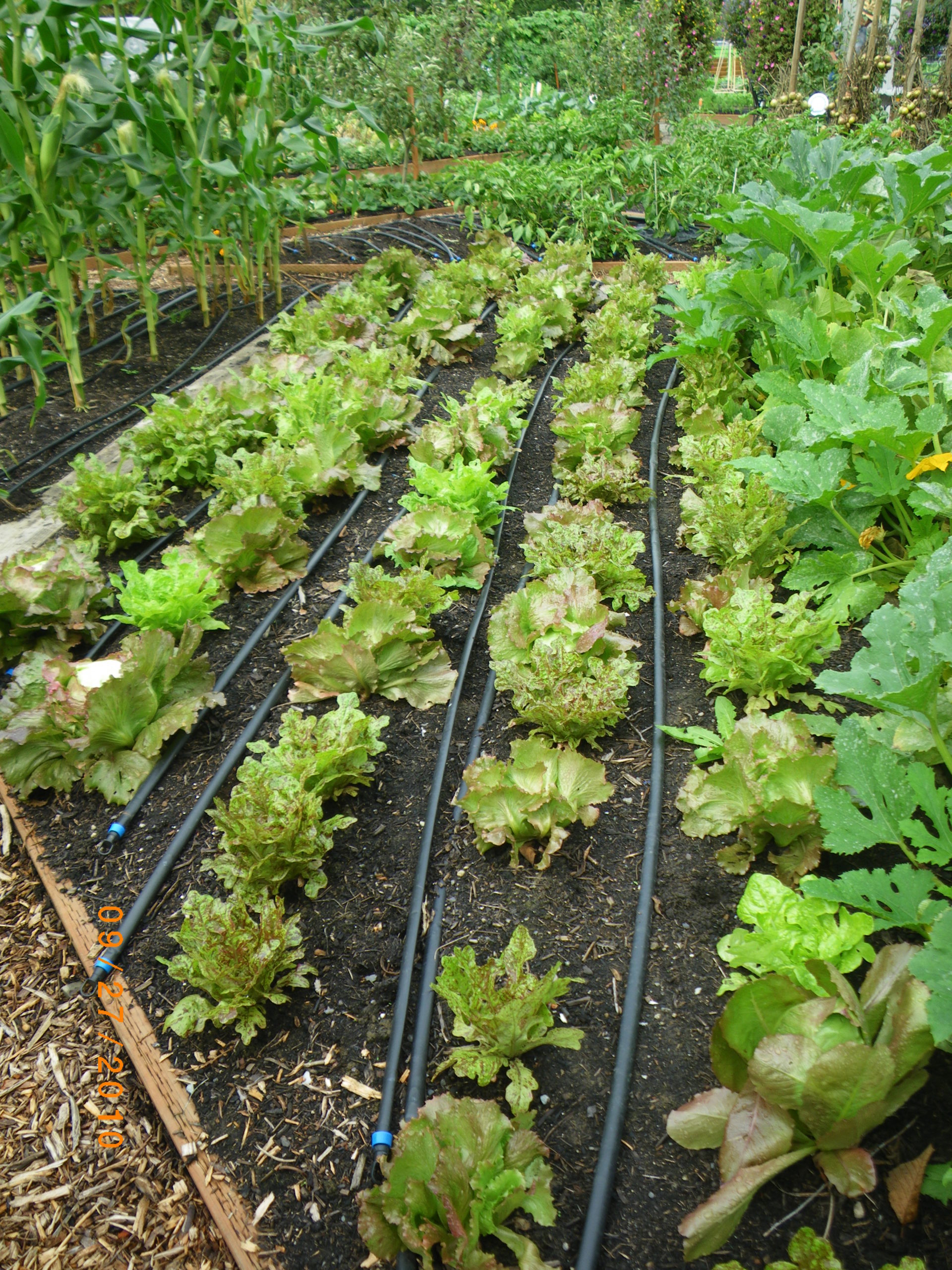
Why test your soil?
Master Gardeners often get the question ‘Why isn’t my plant healthy?’
We often answer, “Have you had your soil tested?’
The benefits of a Soil Test:
- Soil nutrients are not the same across your property
- Avoid adding unnecessary fertilizer
- Provides nutrient application recommendations that your soil needs
- Identifies soil pH and the possible need for liming
- Shows how soil nutrient changes over the years
Having your soil tested gives you a detailed assessment of your garden soil. The analysis provides the nutrients and quantities needed to make your garden flourish!
Soil Testing Labs
Instructions about how to collect and process a soil sample are on each website.
Try to mail out the soil sample to lab the same day you take it. If mailing at a later date, place sample in the freezer to stop microbial activity which can cause varied test results, avoid mailing near the weekend.

Simply Soil Testing
Phone: (360) 202-1086
E-mail: service@simplysoiltesting.com
Website: http://www.simplysoiltesting.com/index.html
For local customers, there is a drop box by the side door.

University of Massachusetts-Amherst
Website: https://ag.umass.edu/services/soil-plant-nutrient-testing-laboratory

Western Laboratories, Inc.
The Snohomish Conservation District
Address: 528 91st Ave NE, Lake Stevens, WA 98258
Phone: 425-335-5634
E-mail: outreach@snohomishcd.org
Website: https://snohomishcd.org/
Additional Information
Video: How to take a soil sample
Guide to taking soil samples for farms and gardens
Home Gardeners guide to soils and fertilizing
Your soil is the key to a successful garden.
Happy soil = Happy plants!