If you are struggling in the wake of a loss, please reach out for help. Call or text 988 if you are having thoughts of suicide, are experiencing a mental health crisis, are concerned about substance use, or are in any other kind of emotional destress.
If you or someone you know has been affected by suicide, support is available.
- Visit the American Foundation for Suicide Prevention to find support groups in your area.
- You can also visit the Alliance of Hope for suicide loss survivors, a group created by survivors for survivors.
- Learn more about action steps to help someone having thoughts of suicide.
Are you interested in learning more about how to support someone who may be experiencing a mental, emotional, or substance use crisis?
- Consider seeking training for yourself or your group with the WSU C.A.R.E.S. team. You can sign up for scheduled trainings on our Education Page or take our interest survey to find the best fit for your group.
- Explore #BeThe1 to to explore 5 steps to help someone in crisis.
Are you interested in volunteering?
- Volunteer with 4-H and work directly with youth in your community.
- Volunteer with the Trevor Project to make a difference in the lives of LGBTQ individuals around the globe.
- Do you live or work in the Seattle area and want to volunteer with the Crisis Line, Teen Link, or Warm Link? Learn more about volunteering through the Crisis Connection.

Quick Links
Safe Storage of Firearms
Request a Storage Device
We at WSU C.A.R.E.S. recognize that individuals own and utilize firearms for a variety of reasons. However, not everyone knows that suicide is the number one cause of firearm related fatalities. Reducing access to firearms within homes is one way that our community can reduce mental health related firearm injuries.
Are you in need of a device to store smaller firearms, ammunition, or medications? We have a limited supply of devices to give away!
You can pick up a device at a distribution site near you. Check the map below for locations and simply fill out this quick anonymous survey to get started. Once completed you will be directed to a second form which collects contact information and instructions on how to pick up your device.
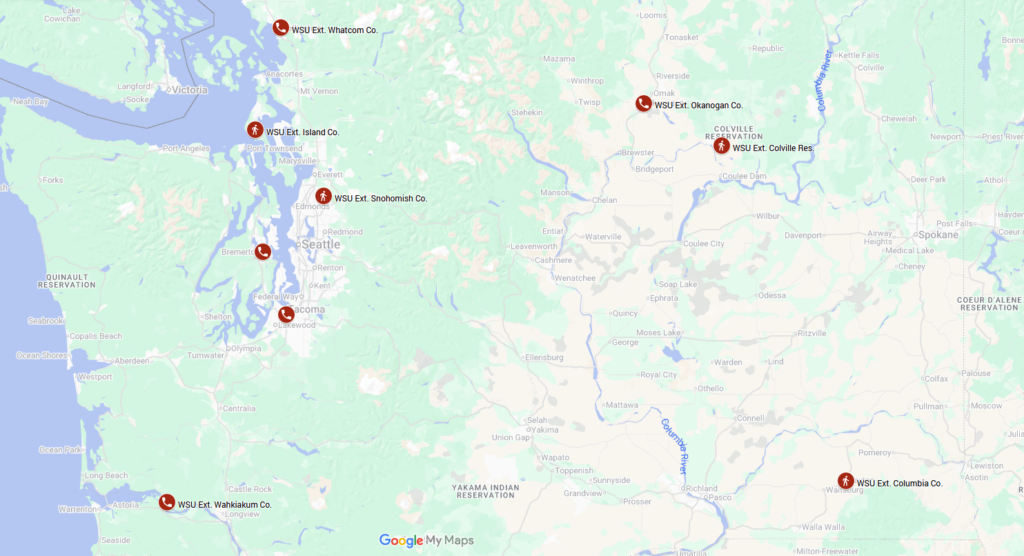
Don’t live near one of our distribution sites? No problem! To have a device mailed to you, simply fill out this quick anonymous survey. You will be directed to a second form which collects your contact information and our staff will let you know when your device is on the way.
Mental Health Resources
There are a variety of mental health resources, including state-funded programs, private therapy options, support groups, and crisis intervention services.
Do you need help now? Call, text, or chat to reach the 988 Suicide & Crisis Lifeline. The 988 Lifeline is confidential, free, and available 24/7/365.
You can contact the 988 Lifeline to get support for:
- Thoughts of suicide
- Mental health crises
- Substance use concerns
- Any other kind of emotional distress
You can also contact the 988 Lifeline if you’re worried about a loved one who may need crisis support.
Quick Links
Call or text 988 or chat online if you are having thoughts of suicide. The Lifeline provides 24-hour, confidential support to anyone in suicidal crisis or emotional distress.
- Veterans Crisis Line: If you are a Veteran in crisis or concerned about one, dial 988 and press 1. You can also chat online or text 838255. The Veterans Crisis Line serves Veterans, service members, National Guard and Reserve members, and those who support them. You don’t have to be enrolled in VA benefits or health care to call.
- Línea 988 de Prevención del Suicidio y Crisis: Los servicios de texto y chat de 988 Lifeline ya están disponsibles en Español.
- You can get support in languages other than English or Spanish by calling the 988 Lifeline and saying the name of the language you need. The Lifeline offers interpretation services in more than 240 languages and dialects. These services are available 24/7/365.
- People who use American Sign Language (ASL). The 988 Suicide & Crisis Lifeline offers ASL services for people in crisis. To get help now in ASL, you can follow these steps: Visit 988lifeline.org. Select the “For Deaf & Hard of Hearing” link. Select “ASL Now” on the next page. You can also call 1-800-273-TALK (8255) from your videophone to get crisis support for yourself or a loved one.
- The Native and Strong Lifeline: is the first program of its kind in the nation dedicated to serving American Indian and Alaska Native people. Operated by Volunteers of America Western Washington, this line is available for people who call the 988 Lifeline and choose option 4. It is specifically for Washington’s American Indian and Alaska Native communities. Calls are answered by Native crisis counselors who are tribal members and descendants closely tied to their communities. Native and Strong Lifeline counselors are fully trained in crisis intervention and support, with special emphasis on cultural and traditional practices related to healing
- The Trevor Project provides free confidential crisis services via counseling support via calls, chats, or texts for LGBTQ+ young people 24/7. If you see a concerning post on social media, social media companies have safety teams that can reach out to connect the person with the help they need.
- Disaster Distress Helpline (disponible en español ) provides immediate crisis counseling for people experiencing emotional distress related to any natural or human-caused disaster. Call or text 1-800-985-5990. The 24-hour, confidential helpline offers interpretation services in more than 100 languages.
- Washington Teen Link is a peer-to-peer support line. You can call or text 1-866-833-6546 or chat with other teens seven days a week from 6-10pm.
- Crisis Connections: Offers a 24-hour crisis line, a King County 2-1-1 line that provides access to community resources and support, as well as other specialized lines for veterans and those experiencing emotional distress.
- HearMeWA.org: HearMeWA is a program for young Washingtonians up to age 25 by the WA State Attorney General’s Office. We are committed to being antiracist, trauma-informed, and youth-centered in the services we offer. Youth and youth-serving organizations are at the center of this program and help inform the work that we do. Trained crisis counselors will field all calls.
- Lifeline Connections – Crisis Stabilization
- Rainier Springs – 24/7 mental health or substance use assessment
- The National Alliance on Mental Illness (NAMI) Washington: Offers support groups, education, and advocacy for individuals and families affected by mental illness.
- Unity Behavioral Health – Crisis Stabilization
- Washington 211: A referral and information helpline that connects callers to a wide range of health and human services, including mental health resources.
- Washington State Community Connectors
- Washington State Department of Health (DOH): The DOH provides information on mental health services, including how to find mental health providers and resources for immediate help.
- Washington State Health Care Authority (HCA): The HCA oversees the state’s public mental health system, offering services to those covered by state-funded health insurance programs like Medicaid.
- Teen Link Resource Guide: Where to Turn for Teens Where to Turn for Teens (WTTFT) is a resource guide INTRODUCTION published each fall. It was created specifically for youth searching for self-empowerment with the support of others. The agencies listed provide a wide variety of services. WTTFT aims to ensure teens are aware of the many youth-friendly resources to serve their unique needs.
- Conéctate Contigo Mismo, a new, free, and completely anonymous online mental health resource in Spanish for young adults in Washington State. Available 24/7 on any device with an internet browser, Conéctate provides personalized support for self-reflection, healthy coping strategies, and overall emotional well-being in Spanish—all while ensuring complete privacy. No personal or identifying information is collected.
For a regional list of resource guides by County, please visit this page, maintained by NW ROTAC.
For the most current and specific information, it’s best to directly contact these organizations or visit their websites. They can provide details on accessing mental health services, including eligibility, locations, and types of services available.