In October 2004, Douglas County Commissioners activated the Douglas County Weed Management Task Force and appointed nine individuals who geographically represent Douglas County agriculture and urban areas. Margaret Viebrock, WSU Extension, was appointed to facilitate this committee and help to develop weed management strategies.
Members of this Task Force include representatives from Douglas County Transportation and Land Services, Foster Creek Conservation District, South Douglas Conservation District, Farm Service Agency, NRCS, and WSU Extension.
Task Force Directives (Defined by the Douglas County Commissioners)
- Develop a communication system with all entities that have weed control programs.
- Gain a better understanding of weed control methods used by other entities.
- Design a system to coordinate weed control efforts.
- Continue the process of developing an informed educational approach to weed management in Douglas County.
- Engage landowners and agencies in a cooperative weed management program.
Proactive Approach to Weed management
The Weed Management Task Force meets quarterly to coordinate and strengthen local weed control efforts. During these meetings, both Task Force members and agency representatives provide updates on their activities and collaborate to develop effective strategies for communicating with landowners, government agencies, and agricultural producers throughout Douglas County.
Education on weed identification and control is delivered through a variety of methods, including one-on-one interactions, direct educational programs, newsletters, and media outreach.
Members have also spent time in Olympia with state legislative groups explaining how the program has been successful in Douglas County.
What Are Noxious Weeds?
Noxious Weeds are non-native plants that have been introduced accidentally or as ornamentals in people’s gardens. Some weeds are poisonous to humans and livestock. Many weeds grow rapidly and are extremely difficult to control. They can reduce crop yields, displace desirable plant species, destroy beneficial native habitat, damage recreational opportunities, clog waterways and diminish land values.
Weed Classifications
Class A Noxious Weeds- defined as non-native species limited in distribution in Washington State. State Law requires that these weeds be eradicated.
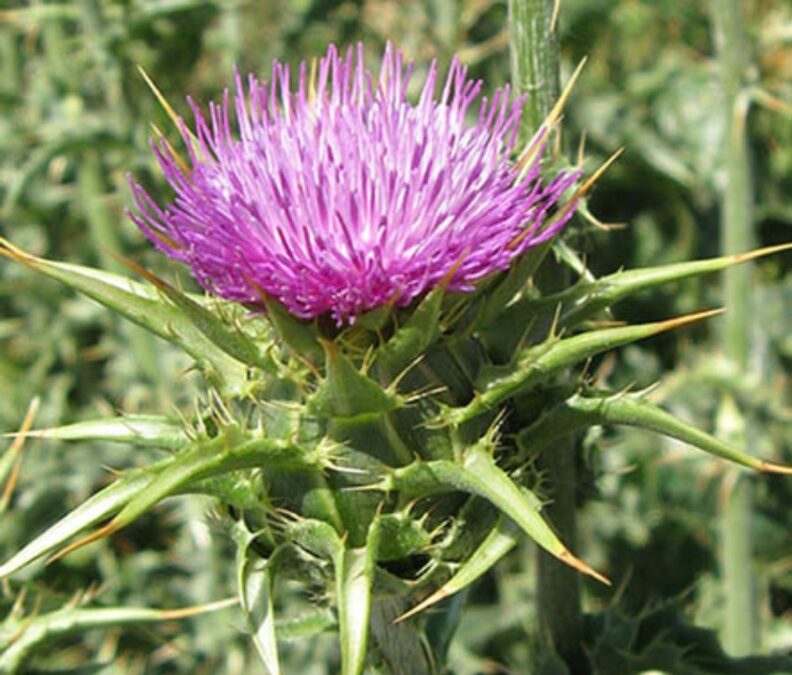
Class B Noxious Weeds – defined as non-native species either absent from or limited in distribution in some portions of Washington state.
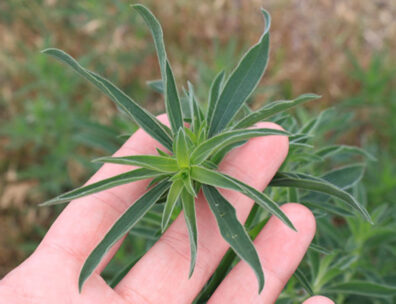
Class C Noxious Weeds – defined as non-native plants already widespread in Washington State. Counties can choose to enforce control or educate residents about controlling these noxious weeds or they can do both.