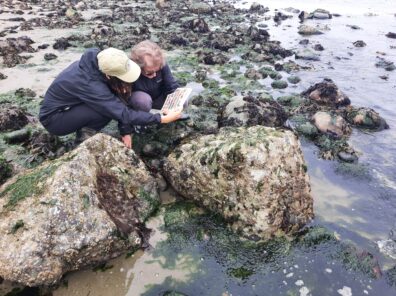
The Beach Naturalists training is open to the public and designed for anyone who is interested in beaches, marine life, and becoming better stewards. In this multi-day training, participants learn directly from researchers and practitioners about our Salish Sea marine habitats and species, restoration and conservation efforts, community science opportunities, and more!
Quick Links
What Will I Learn?
Salish Sea 101 The Salish Sea is one of the world’s largest and most biologically rich inland seas. Learn about ocean dynamics, tides, coastal processes, and the nearshore and marine habitats that make up this special corner of the world.
Seaweeds & Seagrasses Learn from local experts about the wondrous diversity of seaweeds and seagrasses, and their important ecological functions.
Intertidal Invertebrates & Sea Creatures This is always a favorite topic! You’ll learn about the various intertidal zones and the sea creatures that take residence there, with lots of fun facts and some identification skills to inspire your next low tide beach walk.
Restoration, Conservation & Protection Learn about what local Tribes, agencies, and organizations are doing to improve our marine and nearshore ecosystems, and how you can stay informed.
Community Science Find out how you can get involved in your community! Participants will learn about local and regional community science projects and opportunities, to apply and extend their training.
Upon registering for the training, participants commit to volunteering 20+ hours for marine-related programs over the following year. In helping local environmental stewardship organizations, participants extend their learning beyond the training and turn knowledge into action, for example, by learning how to survey Olympia oyster populations and educating public members about our marine environment.
Become a Beach Naturalist!
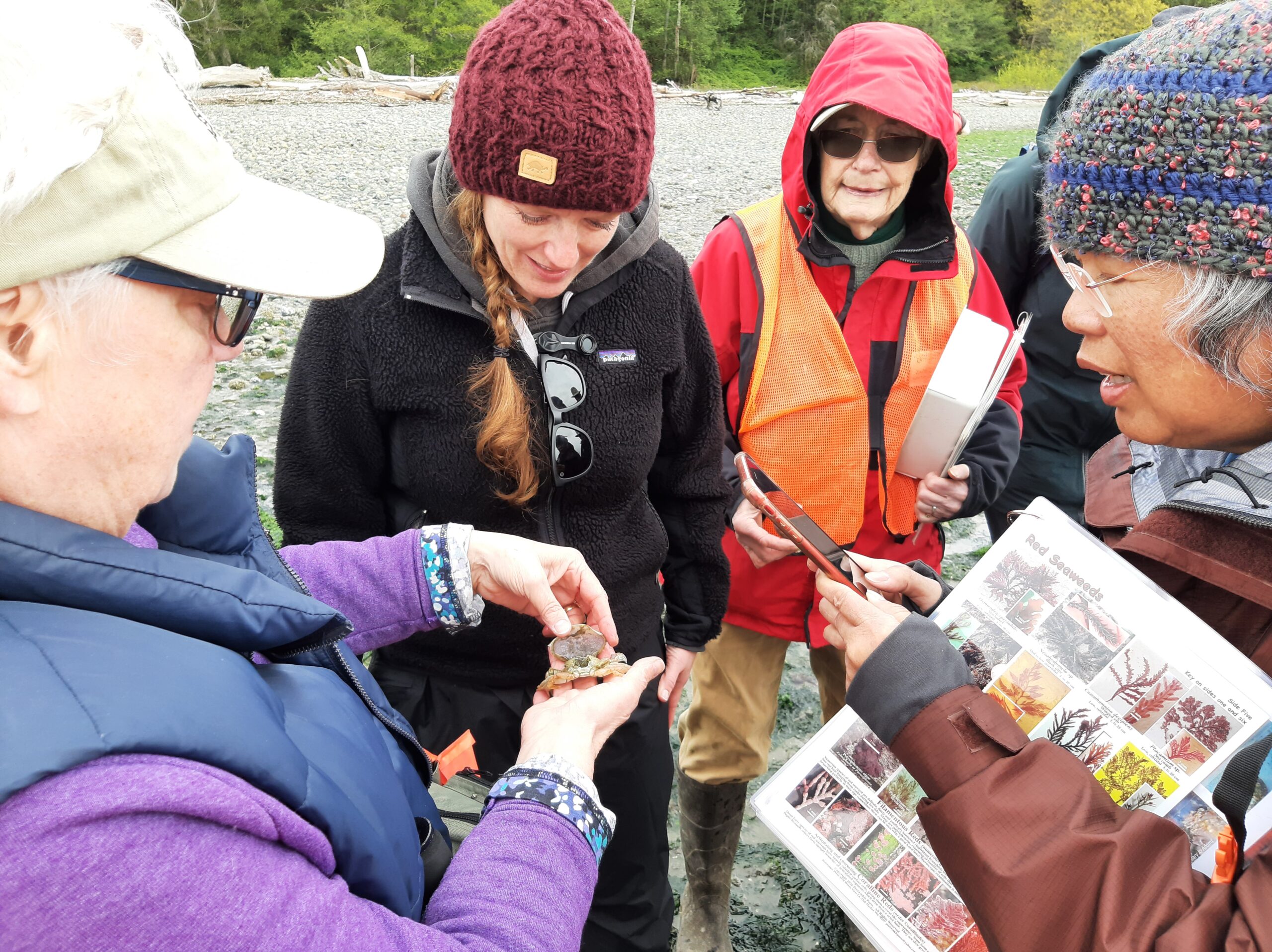
WSU Jefferson County Extension is offering a 6-day virtual training coupled with 5 optional in-person field trips. Learn from regional experts about our marine and nearshore resources, restoration, and conservation efforts, and ways you can get involved!
Zoom sessions: 9:30 a.m. to 12:30 p.m. on April 17, 22, and 24. May 6, 8, & 13 plus optional field trips.
Register by April 5th ($90 early bird before March 15th, $100 after March 15th) at: 2025bn.evenbrite.com.
Spaces are limited! Scholarships are available for qualifying participants. For more information, contact waterstewwardshipjefferson@gmail.com.
Extension Programs are available to all without discrimination. Evidence of noncompliance may be reported through your local Extension office. Reasonable accommodations will be made for persons with disabilities and special needs who contact Katie Kowal at waterstewwardshipjefferson@gmail.com, at least two weeks prior to beginning training.
How Do We Volunteer and Where?
Beach Naturalists volunteer with many organizations in the community. We help with salmon spawning surveys (North Olympic Salmon Coalition); serve as docent volunteers at the Port Townsend Marine Science Center; organize clammer education programs like Digging for Dinner (with WDFW); hobnob with tourists and friends at the annual Wooden Boat Festival; assist with Olympia oyster habitat restoration (Jefferson County Marine Resources Committee) and more! If your volunteer activity is closely related to water resources, it counts!
Reporting Volunteer Hours
Jefferson County Beach Naturalists can report hours volunteered towards environmental stewardship projects, community outreach, and self education with this online form.