The WSU Extension King County Master Gardener Program

Welcome to the WSU Extension King County Master Gardener Program

Who Are We?
Master Gardeners are community educators who work in partnership with Washington State University (WSU) Extension. Their role is to educate the public and enhance community quality of life by promoting science-based gardening practices.
We are your neighbors and members of your communities. Our priorities inform our efforts to create a more resilient Washington. We are actively engaged in teaching research-based gardening and environmental stewardship practices.
The WSU Extension King County Master Gardener program provides a multitude of resources for home gardeners. This gardening information is available to the public and is
- research-based and
- focused on environmentally friendly and sustainable gardening practices
Explore this page and our website for more resources and FREE information available to the home gardener from the Master Gardeners of King County.
Program Contact: Sarah Moore, King County Master Gardener Program Coordinator – 425-738-0109 – king.mg@wsu.edu
More Information
What we do:
Each year we train new volunteers, equipping them with foundational knowledge to become horticultural educators in their communities. Trained volunteers must continue their volunteer and educational development in subsequent years to give back to the community and stay abreast of current research and our ever-changing environment. Volunteer hours and learning requirements ensure that our Master Gardeners’ skills and knowledge are always up to date.
Our Volunteer Hour Requirements
WSU Extension Master Gardener Interns – 40 service hours must include:
- 15 Answer/Plant Clinics hours, minimum, and
- 10 Demonstration Gardens hours, minimum, and
- additional service* hours, as needed, to complete a total of at least 40 service hours
Certified WSU Extension Master Gardeners:
- 25 service* hours, and
- 10 Continuing Education hours
Emeritus WSU Extension Master Gardeners:
- 5 service* hours, and
- 5 Continuing Education hours
*Note: Service hours may include any combination of Answer/Plant Clinics, Demonstration Gardens, Other Educational Delivery, Program Support, and Youth Outreach hours.
For questions about volunteer requirements and policies, please contact the Program Office at king.mg@wsu.edu.
Extension Master Gardener Educational Outreach





Pest Alert
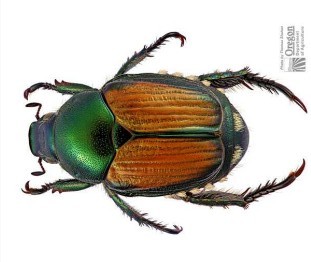
Japanese beetle
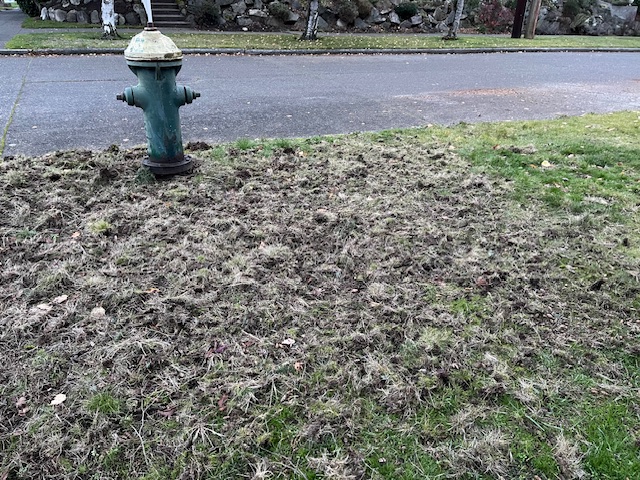
European chafer beetle