King County demonstration gardens

Our outdoor classrooms
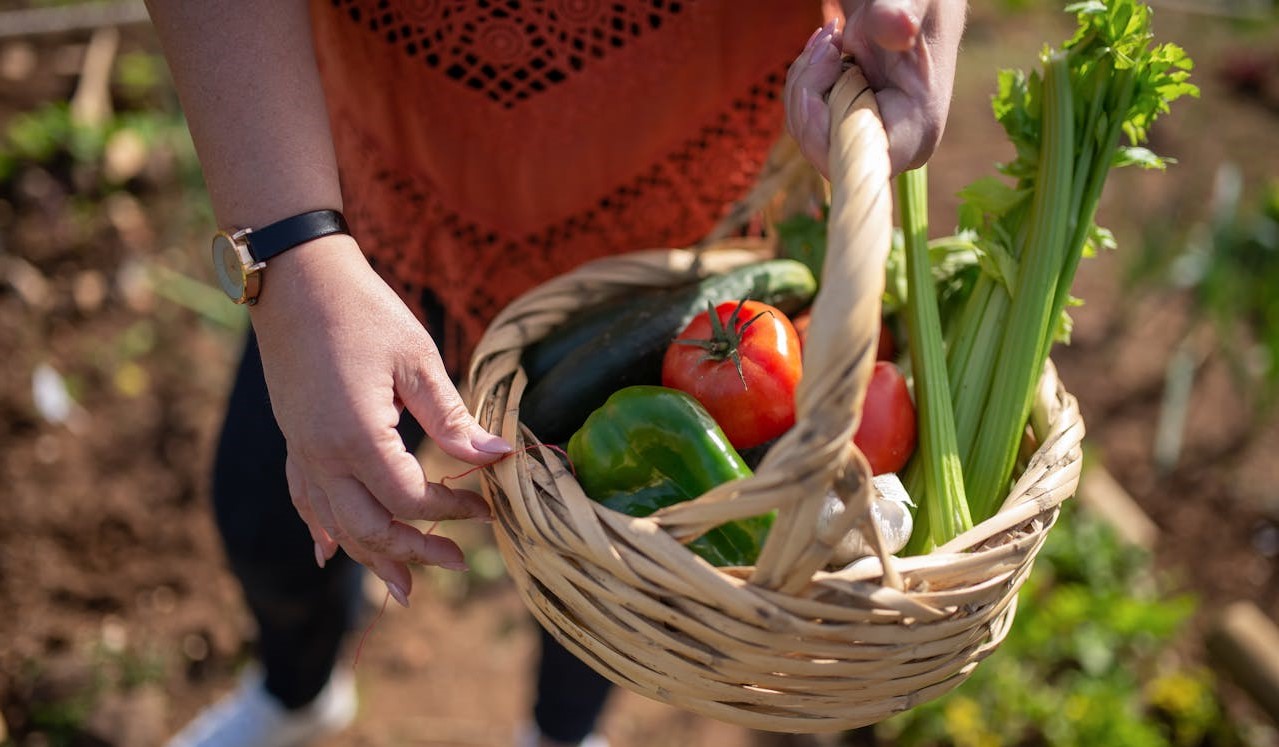
The Master Gardeners of King County maintain ten demonstration gardens, three youth gardens and one outreach garden. In each of these gardens, the community can see firsthand the types of plants that grow well in our area and learn recommended planting practices and overall garden care. Visitors can also enjoy each garden’s unique beauty and large variety of plants. Old favorites grow alongside new experimental varieties. Find the locations of all the gardens on the page King County Master Gardeners map.
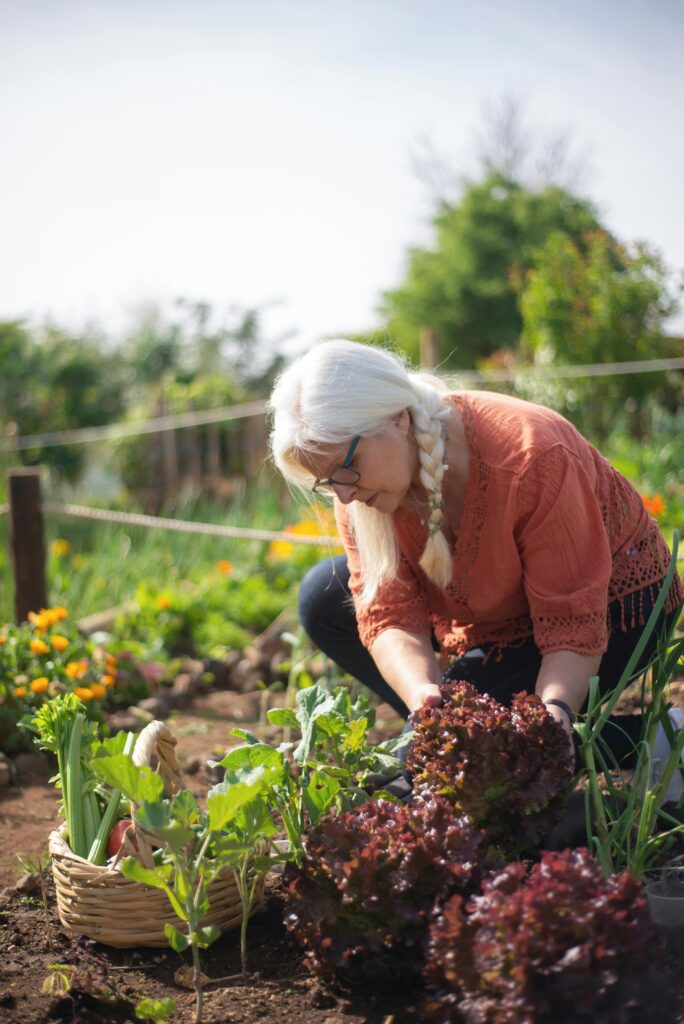
Experience sustainable gardening firsthand in our outdoor classroom gardens. Master Gardeners showcase techniques like water-wise landscaping, native plants, knot gardens, raised veggie beds, composting, containers, espaliered fruit trees, and berry patches through engaging classes and workshops.
More Information
Visit a demonstration garden near you!
Animal Acres Demonstration Garden
The focus of our work is to address food insecurity for our community, expand pollinator corridors using responsible, science informed methodologies, and create community through gardening.
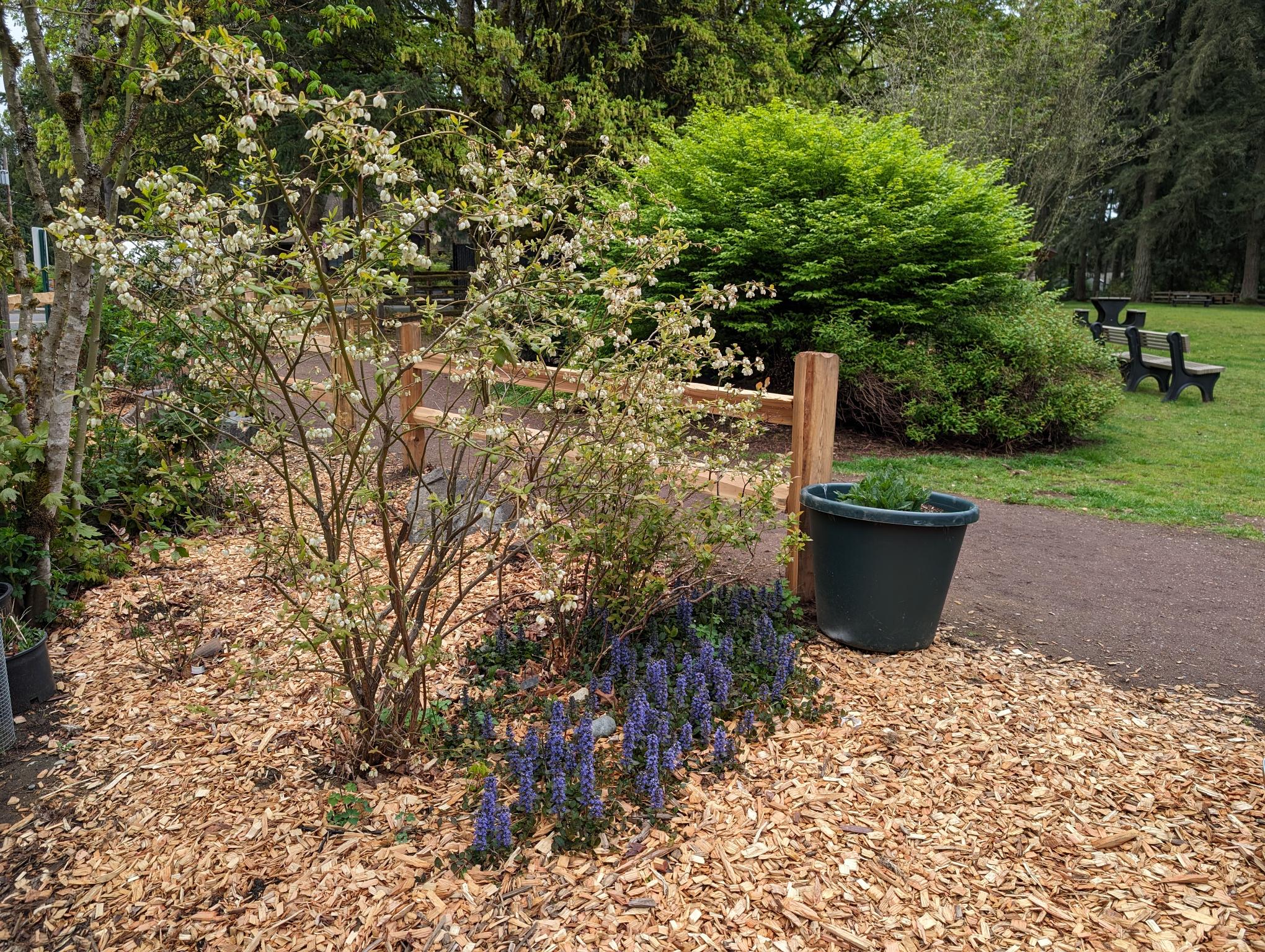
Animal Acres has grown to roughly 4200 sq ft of mixed use gardens. Here you can work in water-wise perennial borders, pollinator and native beds, and a food garden including 230 sq ft of raised beds, a food forest including apple trees, table grapes, fruiting shrubs co-mingled with pollinator friendly perennials.
Full time Work Party Schedule starts in early April and runs through October, every Wednesday from 10am to 12, and 2 Thursday Evenings a month, from 6 pm to 8 pm. We also have ad hoc work parties throughout the year for special projects, which we notify volunteers of through email.
Bellevue Demonstration Garden
This urban demonstration garden has grown from a single P-Patch surrounded by blackberries on a steep, rock-filled slope to the flourishing garden it is today. The hands-on garden is an effective way for Master Gardeners to demonstrate gardening techniques to the community. The garden includes ornamental theme beds, a Northwest cactus garden, a children’s garden, vegetable gardens and more.
Directions to Bellevue Demonstration Gardens: Bellevue Demonstration Garden
Carkeek Park Demonstration Garden
Directions: From the main entrance, turn right immediately into the parking area.
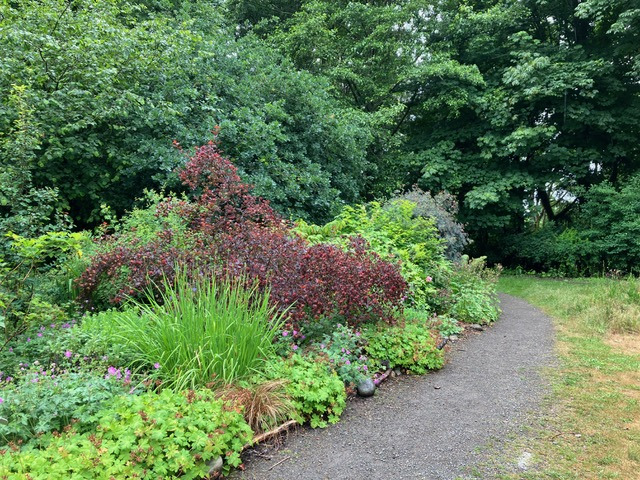
The Carkeek Park Demonstration Garden were designed first in 1996 to surround the Visitors Center. In 2015, it became the largest Master Gardener Demonstration Garden in King County maintained by volunteer all-season gardeners. Now an acre of themed beds joined together by gravel paths, they border a meadow, coastal forest, and the Park’s six-mile trail system.
A one-of-a-kind Seattle park feature, the Gardens’ mission is to help home gardeners envision a backyard wildlife habitat by using natives and adapted non-natives in an informal landscape style. Our plant diversity helps support migratory bird populations and pollinators by providing food, shelter, and nesting materials. As a teaching garden, Master Gardeners and horticulture students can attend gardening sessions and workshops. From the Shady Woodland Garden to the Ethnobotany Garden, visitors can see a wide variety of plants that thrive without fertilizers, pesticides, or herbicides—protecting the Piper’s Creek Watershed and salmon habitat.
Many of the gravel paths are wheelchair accessible with the exception of the gardens that surround the Environmental Learning Center, some of which can be viewed from the paved driveway. There are two picnic tables on the north side of the Visitors Center.
Demonstration Garden at El Centro de La Raza
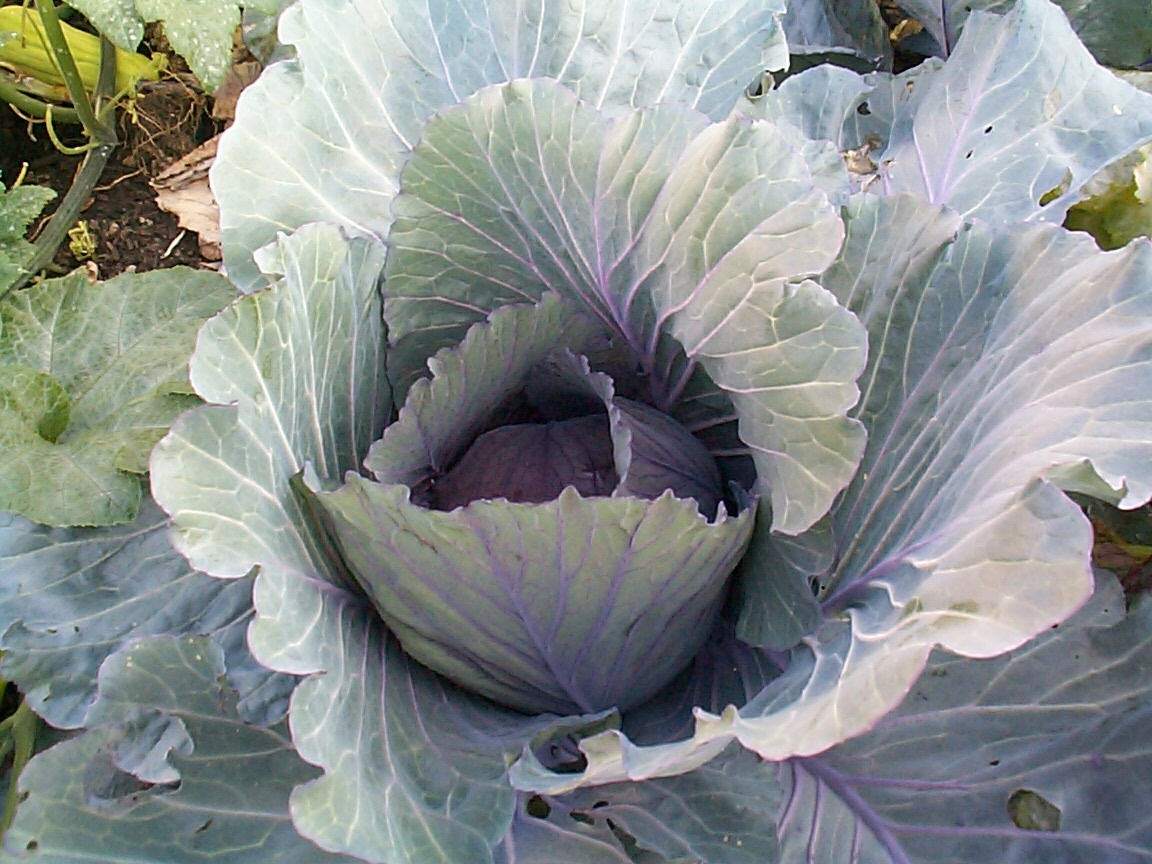
The Master Gardeners have been working at this site since 1985. The garden serves to educate the diverse local community, including students from El Centro, on all aspects related to sustainable and organic gardening. The garden includes raised vegetable beds, composting, a kitchen herb garden, berries and fruit trees, and a greenhouse for seed starting. Master Gardeners also help to maintain the El Centro grounds which include a rain garden and perennial beds. Food raised in the garden is provided to the El Centro food bank.
Habitats at Home Demonstration Garden
Our gardens are becoming the new front lines of conservation. As wild spaces continue to disappear, the survival of Pacific Northwest bees, butterflies, birds and other beneficial wildlife increasingly depends on the refuge we create for them at home. The Habitats at Home Demonstration Garden was designed for you as a living guide for this shift. It shows that whether you garden on a small balcony or a large suburban lot, everyone has the power to restore a piece of our local ecosystem.
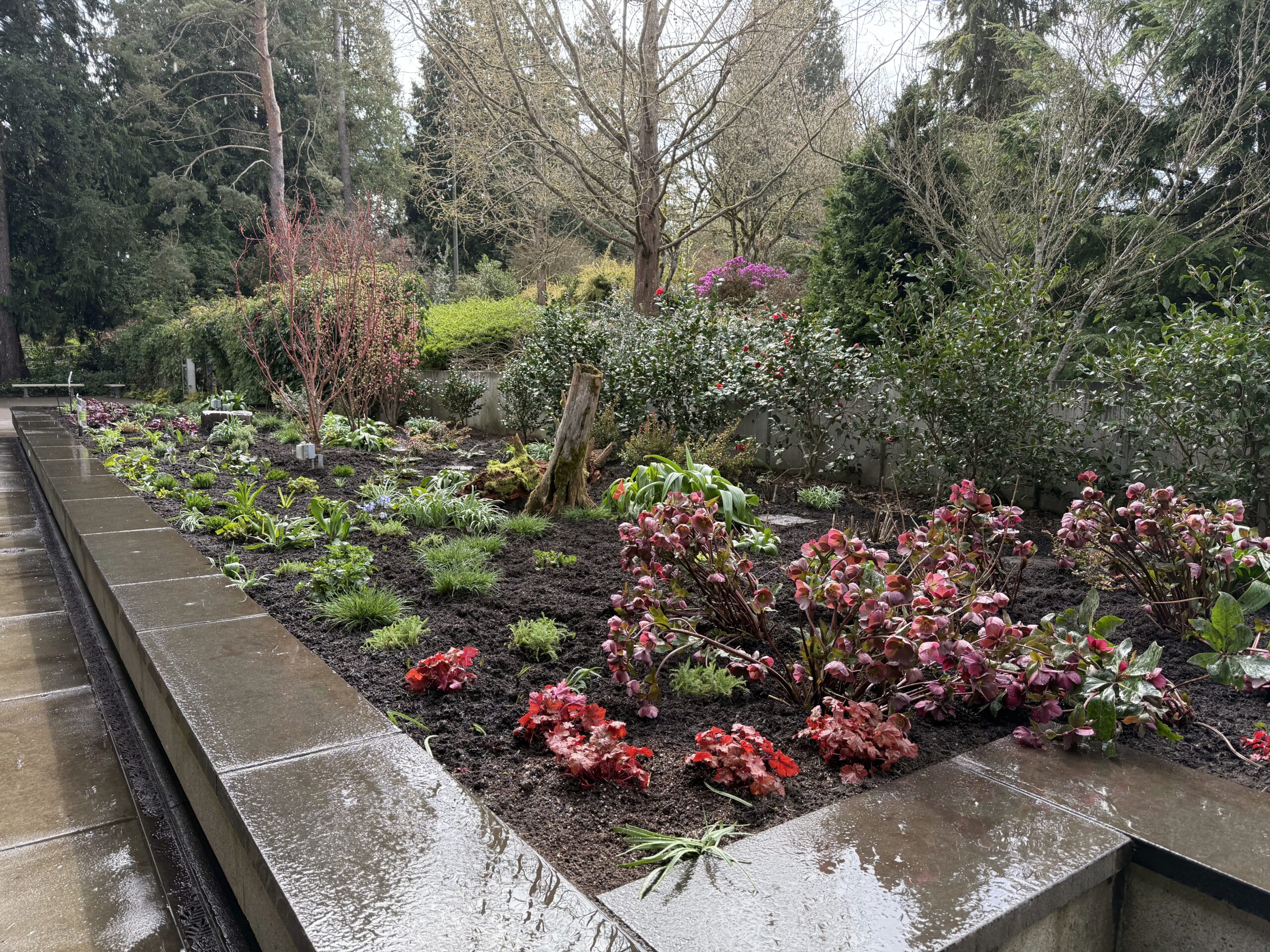
The heart of this garden demonstrates two core themes: the essential role of pollinators and the importance of plant biodiversity. It functions as a true “workhorse” and complete ecosystem, intentionally designed to support the full life cycle of beneficial insects. By providing food, water, shelter, and places to reproduce, the garden demonstrates how thoughtful design can create a meaningful habitat. At the same time, the garden is meant to be a place of beauty and enjoyment for people. A carefully selected mix of native plants, perennials, flowering shrubs and pollinator-friendly species offers seasonal interest, color and texture, showing that ecological function and visual appeal can exist together.
We invite you to come and explore, observe, and take inspirations home with you. Your yard is more than just a landscape—it’s an opportunity to create a habitat, support wildlife and become part of the Habitats at Home movement.
Magnuson Children’s Garden Demonstration Garden
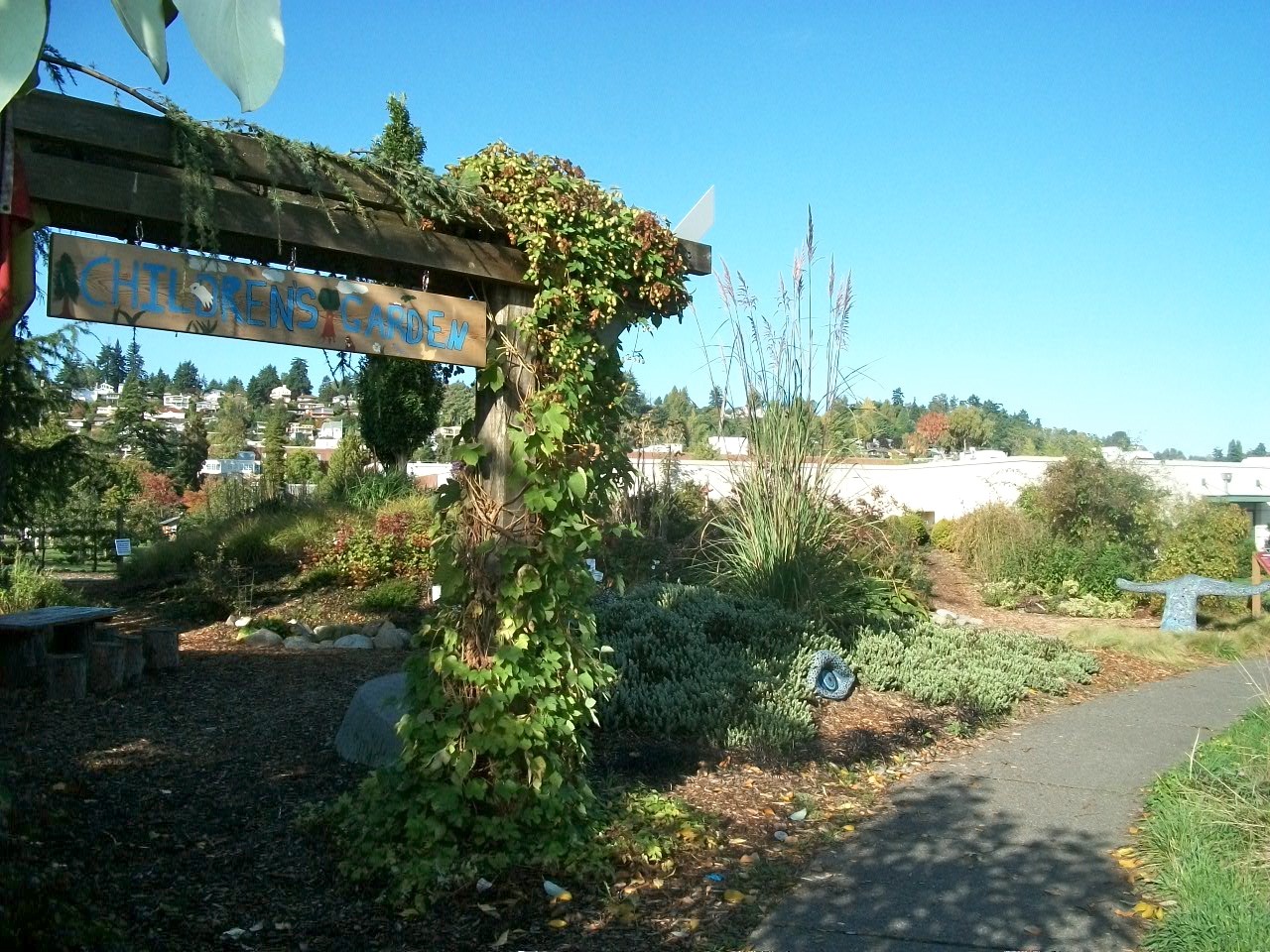
This garden has been created with ideas from the hearts and minds of local children and their parents, beginning in 2001. Those ideas were put together in a design for a 1/4-acre site by the Children’s Garden Committee, a volunteer team of MGs and other horticultural experts. The committee manages the garden, guides community volunteers and organizations in stewardship events and major projects and hosts free family programs from spring to fall. Over the past 18 years, the garden has grown into a local treasure, filled with delightful features such as a life-size Grey Whale Garden, spiral paths that lead up to a Lookout and a Rolling Hill, a Starfish Garden, Willow House, Salmon Survival Path, Pollinator Garden, and much more.
Read more: November 2015 issue of The Connection. Find out more: The Magnuson Children’s Garden
Neely-Soames Homestead Demonstration Garden
Work Parties: Tuesdays 10 a.m. to Noon from April through October with additional ad-hoc work parties organized with our volunteer community
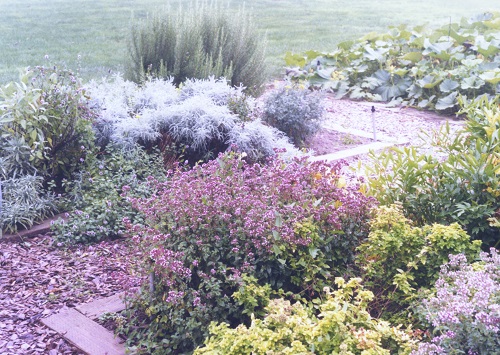
The Neely-Soames Homestead Demonstration Garden was developed with the city of Kent around an existing historic homestead originally built in 1885 along the Green River Trail as public park. The one-acre homestead features a food bank garden containing raised and in-ground beds with drip irrigation and an herb garden. The whimsical and rustic grounds also host a fairy garden, fruit trees, native plants, and several perennial beds. Garden produce is donated to the Kent Food Bank.
Ronald McDonald House Outreach Demonstration Garden
Work Parties: Tuesdays 10 AM, year around, weather permitting.
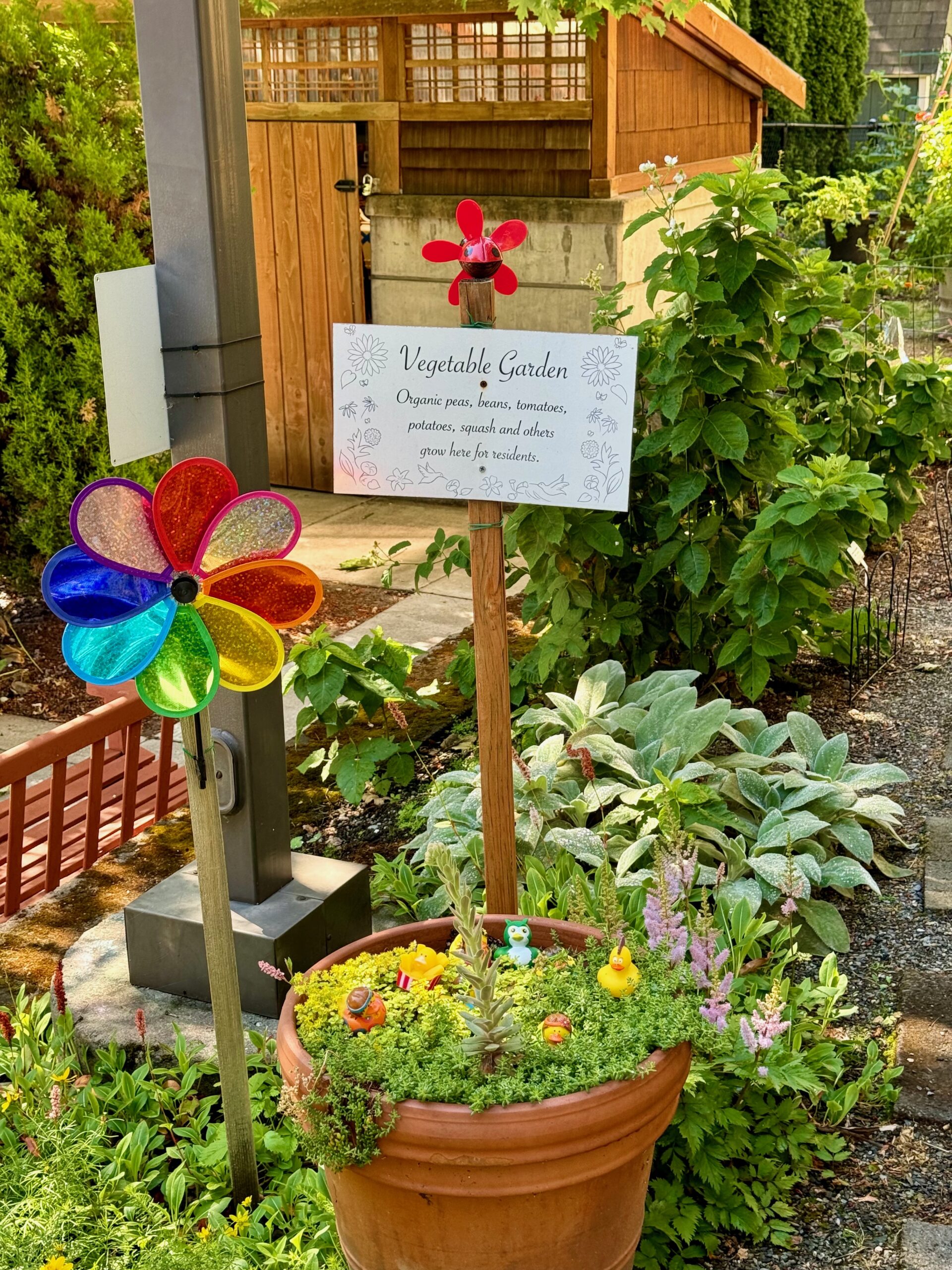
Ronald McDonald House (RMcDH) is three houses providing free housing for families with children with serious medical conditions receiving treatment at Seattle Children’s Hospital. The gardens consist of older mature foundation plantings, vegetable gardens, patio plantings, drought tolerant and native gardens. Residents often complement us on our work and sometimes ask questions. We deliver produce we grow to the RMcDH kitchens, and it is greatly appreciated. Residents can also come and pick and graze if they like. A few times in the growing season corporate volunteers join us and we supervise them working in the garden, giving us opportunity for horticultural education. From pruning to weeding to planting and garden design, there is something here for any master gardener’s interest and skill set.
Shorewood High School Culinary Arts Demonstration Garden
Directions: Enter the school parking lot at the intersection of Fremont Ave N and N 173rd St. The garden is in the NW corner of the school building, near the red sign.
Hours: The garden is open to the public outside of school hours.
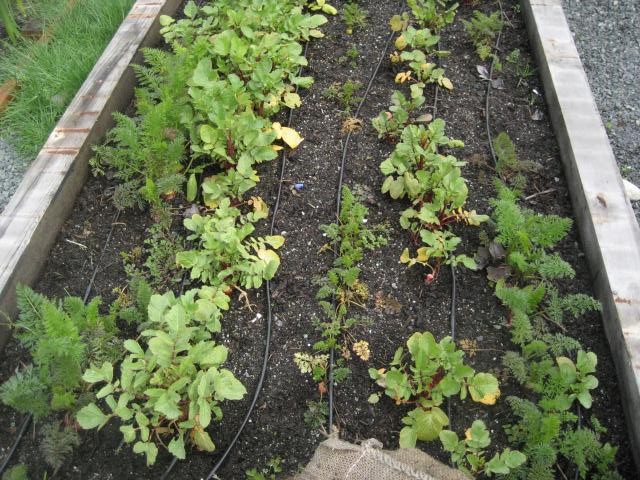
Description: This garden is in a courtyard in a public high school. Master Gardeners collaborate with the Culinary Arts and Work Experience classes to grow and maintain the edible, ornamental, and native plant beds. During the school year, the produce is used by the students. In the summer, the produce is donated to a local church to feed members of the community. The gravel and concrete paths are wheelchair accessible.
Soos Creek Demonstration Garden
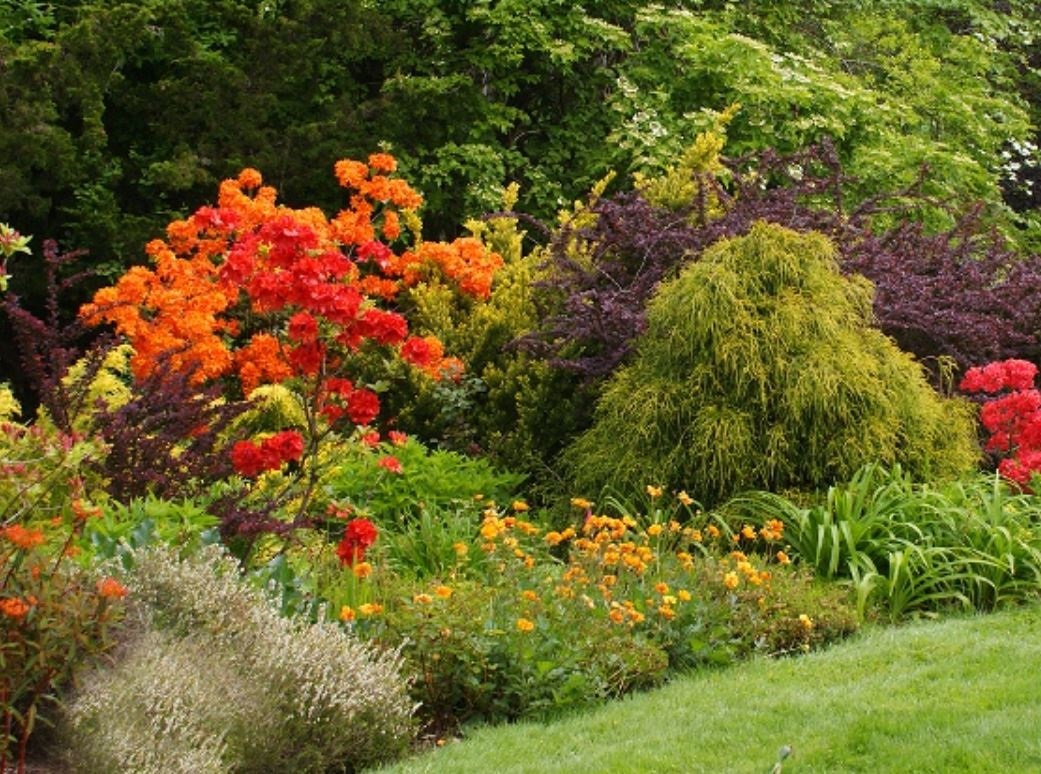
This garden is part of the Soos Creek Botanical Garden which is open to the public March through early November, Wednesday through Saturday, 10 a.m. to 4 p.m. Master Gardeners maintain the vegetable garden and are available as educators to the visiting public. Garden produce is donated to the Auburn food bank.
Thyme Patch Park Demonstration Garden
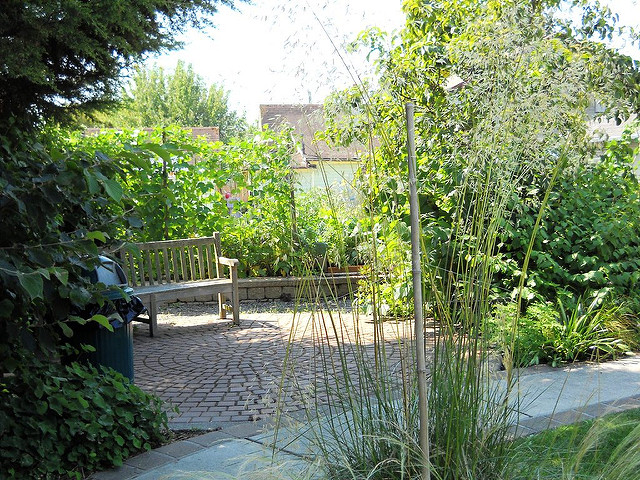
Thyme Patch Park is a display garden on a city lot neighborhood park located in Ballard. Part of the Seattle Park System, the Park features 14 P-Patch plots on the south half and a landscaped display garden maintained by Master Gardeners on the north half. After two years of planning, in January 2003 Master Gardeners began building the planting design for their landscaped portion of the Park. The purpose of the garden is to integrate educational aspects of home garden design, plant selection, pruning and maintenance in a home-like landscape, highlighting those plants found in the neighborhoods of Seattle.
Tribal Life Trail Demonstration Garden
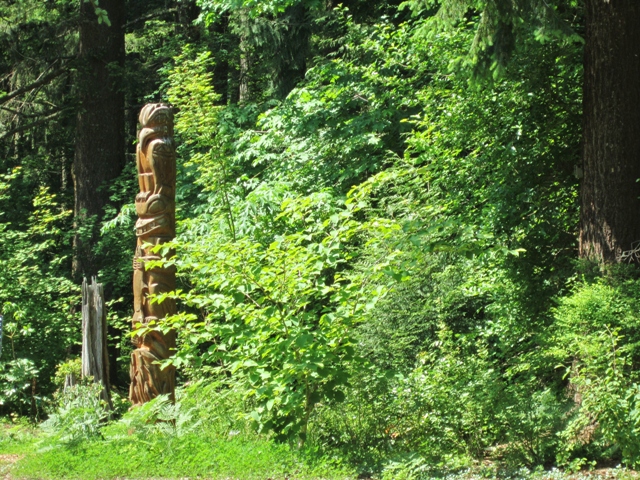
The Tribal Life Trail is a trail-style demonstration garden that focuses on plants used by native peoples of the Pacific Northwest. It is designed to provide an educational platform and understanding of the foods, medicines, and many other practical functions derived from these plants by native peoples. The trail is approximately 270 feet long and meanders in and out of the forest edge along the arboretum meadow. Informational signage identifies plants and their traditional uses.
Vashon Demonstration Garden at Mukai Farm and Garden
Vashon, WA.
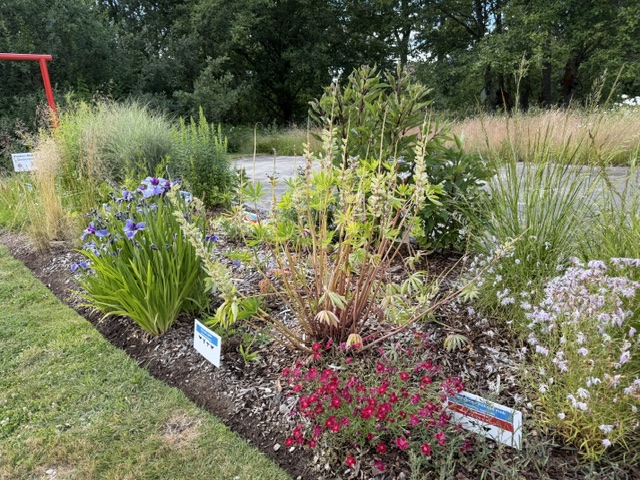
Vashon Master Gardeners’ Demonstration Garden is being developed on the site of Mukai Farm and Garden, on Vashon Island. Working with Friends of Mukai, we are developing, planting, and maintaining a pollinator garden in the West meadow that will incorporate both native Japanese plants and native West coast flowers. Plants have been chosen for deer resistance and drought tolerance. Mukai, a National Historic Register site, consists of a renovated 1930’s home, a beautiful Japanese garden and a fruit barreling plant built in 1926 currently undergoing reconstruction. We welcome you to join us as we grow our new garden. Help us build a beautiful and healthy habitat for birds, bees, and butterflies.