Ask a Master Gardener
Free access to unbiased research-based horticulture advice
Ask a Master Gardener
Gardening advice via email
If you have a gardening issue and cannot get to one of our in-person plant clinics, you can submit your question via email.
There are two options for King County residents to ask a gardening question via email.
- Email us directly at askamastergardener@king.mg.org
- Or, complete and submit the form below
Whether you email us directly or complete the form, please include these important details.
- Type of plant
- Description of damage
- Location of plant
- Care of plant
- Photos

Ask a Master Gardener plant clinic locations
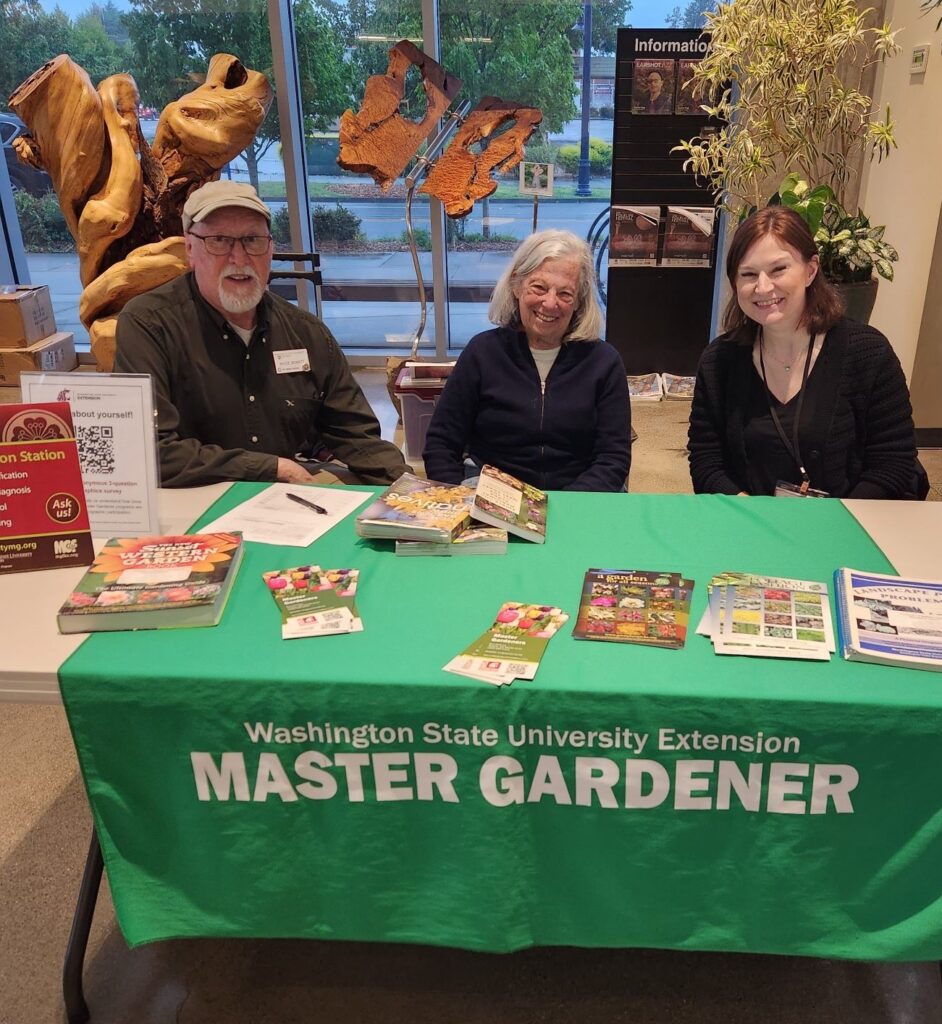
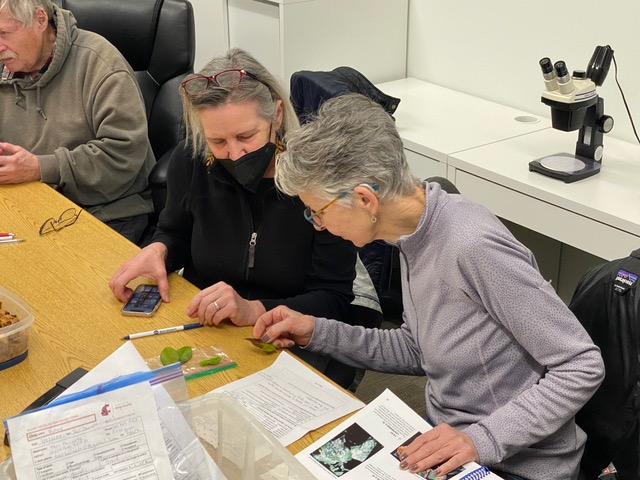
If instead of email, you want to have some back-and-forth question and answer so that, together, we can hone on the difficult to describe issue, then click here for an In-Person Plant Clinic location near you.
Other gardening resources
Find publications and links to a vast library of gardening resources.
Top weeds and pests in our area
Alert: Japanese Beetle
The Japanese beetle was recently found in Washington, with several sightings near SeaTac in King County. WSDA is asking for help in identification and eradication of this destructive pest. You can help by reporting any Japanese beetles to WSDA and treating beetles (if found) to keep populations low. Reporting can occur online at agr.wa.gov/beetles, by emailing PestProgram@agr.wa.gov, or calling 1-800-443-6684. If you are in an affected area, you can sign up for free treatment.
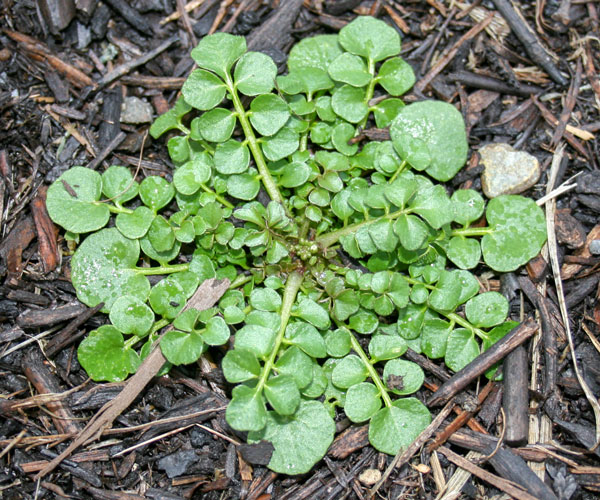
Bittercress (a.k.a.: Shotweed)
Little bittercress blooms in early spring only, typically mid-March to mid-April. Its flowers are tiny and white, borne at the top of the plant. Fruits are slender, thin, and one to two inches long. When mature pods are touched, they split apart explosively, giving rise to the common name “shotweed.”
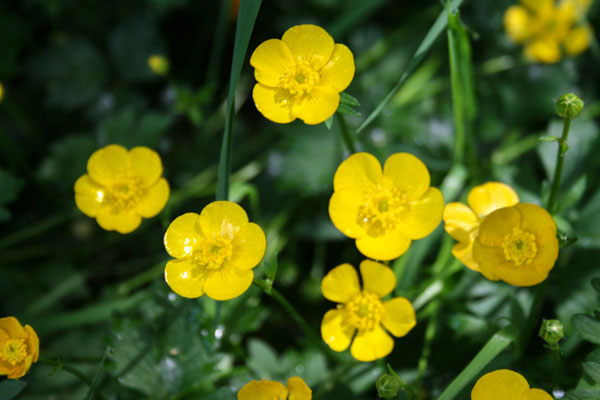
Creeping Buttercup
Creeping buttercup is a creeping perennial plant that is usually fairly low-growing. The stems are hairy and root at the nodes when they contact the soil. The flowers have five (sometimes up to ten) glossy yellow petals and a cluster of yellow stamens in the center. Difficult to eradicate, roots are deep and delicate and the plant grows back from pieces of roots and stems left during hand removal.
European Chafer Beetle
The European chafer is a beetle that causes damage to turf and cereal crops when in its larval (or grub) form. Heavy infestations cause browning and death of turf. Secondary pests such as raccoons and crows peel back turf to feed on the grubs, causing significant damage to lawns.
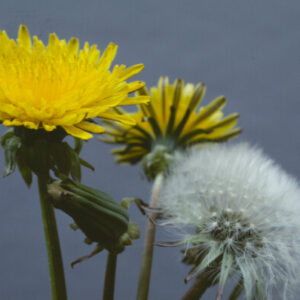
Dandelions
The common dandelion is a persistent tap-rooted plant reproducing by seeds and by short shoots from the crown. It also grows back from roots broken during hand removal.
Horsetail
Horsetails are found primarily in moist to wet areas. Scouringrush is common along roadsides and ditch banks. Field horsetail is found primarily in moist to wet areas but can survive in drier areas once established. Field horsetail is a common weed of gardens, pastures, and home landscapes.
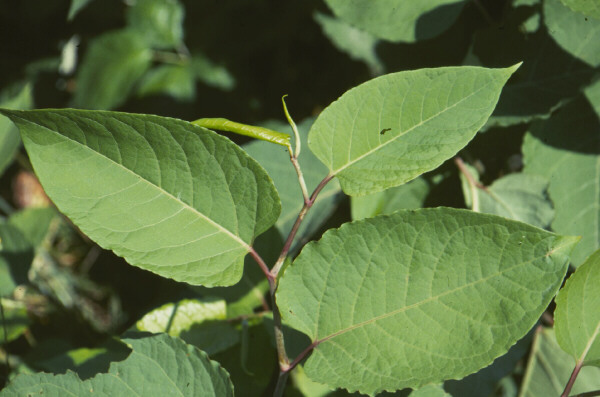
Knotweeds
The giant knotweeds are aggressive plants that spread via long rhizomes and also by seeds. They are deciduous plants, with the woody, reddish-brown stems dying back in winter. Summer growth of Japanese knotweed or fleeceflower can reach nine feet in height..