WSU Extension King County Master Gardener Speakers Bureau
Need a speaker? WSU Master Gardeners offer presentations on gardening topics, sharing research-based knowledge. Request an expert for your club or class on vegetable growing, soil health, attracting pollinators, or custom topics meeting your group’s interests.
More Information
Requesting a Speaker: It’s easy!
Preview our library of presentations below. When you find a topic that aligns with your interest submit a request via email and we will get you scheduled. If you don’t find a topic that interests you, you can request a custom presentation and we will try to accommodate you. Simply fill out the Speakers Request Form by clicking the link below. Instructions provided on the form.
WSU Extension King County Master Gardener Speakers Bureau
Washington State University Extension Master Gardeners speak to groups on the topics listed below as part of their mission to empower and sustain diverse communities with relevant, unbiased, research-based horticulture and environmental stewardship education. If you find a topic that may be of interest to your group, visit the WSU Extension Master Gardener webpage to obtain, complete and submit a speaker request form. Once a presentation has been confirmed, you will receive an evaluation form for the presentation. This completed document helps to ensure the continuing high quality of our speakers.
Master Gardeners speak as volunteers. If you wish to donate to the Master Gardener Program, please make your check payable to the Master Gardener Foundation of King County. We are happy to be of service to your organization and a donation is much appreciated.
Our Presentation Library
Sustainable Gardening
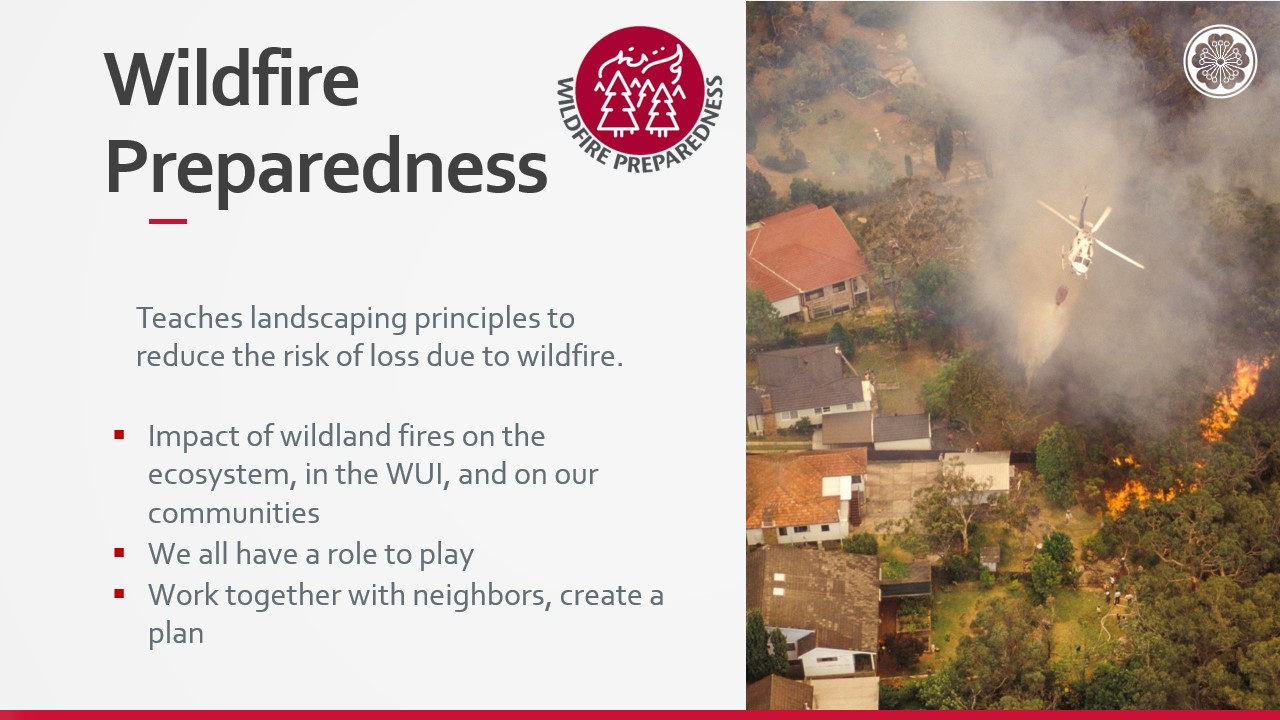
Introduction to PNW Fire Resistant Landscape Sustainable Gardening
Synopsis: Learn how wildfire danger in King County is increasing because of climate change and the human risk. Learn how to get started using Fire-Resistant landscape sustainable gardening at your home. Join Master Gardener Joe Jennings who teaches basic fire-resistant landscape principles and how to apply them to your garden.
Synopsis: Do you want plants that can better handle our changing PNW climate? Discover the unique traits of natives, cultivars, and perennials. Explore how they vary in attracting pollinators, adding biodiversity, and demonstrating climate readiness for a drier PNW region. Learn specific plants from a UW study that have proven to thrive with less water.
The Resilient Yard – Battling Climate Change at Home
Synopsis: Presentation for homeowners who want to know what simple steps they can take in designing and maintaining their yard to battle climate change. The presentation is broken down into sections on climate change, lawn maintenance, garden bed design & growing veggies.
Protect our Pollinators from the Effects of Climate Change
Synopsis: Presentation for homeowners to help them understand the importance of adding pollinator plants to their garden beds and the positive effect this has for native pollinator species. Designed as both a stand-alone presentation and one that could also be a follow-on to “The Resilient Yard” above for either a longer presentation or a return engagement
Synopsis: One-hour presentation covers the need to re-forest urban and suburban areas in order to increase tree canopy and cool cities. Review of several successful projects creating mini forests in urban areas.
Synopsis: The first goal of watering is to make sure your plants get the right amount of water. The next is to learn how to efficiently do that. You will learn how the chemical properties of water molecules influences watering, how water behaves in different soil types and how that helps to effectively water your plants. You will be equipped with the knowledge to help select the most effective watering method and techniques for your site.
Synopsis: Pollination is important for a strong, healthy ecosystem. We all want to support pollinators in our garden. Susan will explain the How, What, Who, When, and Where of pollination and discuss how to protect our native pollinators. She uses live material props, posters, tri-fold, and a PowerPoint presentation in her talk.
How to create an edible garden with maximum pollination and yield
Synopsis: In this presentation the following areas are covered: Who are the pollinators? What edibles are they attracted to? How to properly plant for pollinators. When and where to plant for pollinators. The presentation also includes hands-on garden models.
Masons, Miners, and Thieves—The Real Lives of America’s Bees
Synopsis: Did a bee go extinct because of greenhouse tomatoes? Why is a bee nicknamed Cinderella? Follow a gardener’s adventures into the field with bee scientists and farmers to explore the lives of bees. Tucked into stories where bees build turrets and paint walls are lessons on how bees live—and how our gardens can help them. Based on Paige’s book Our Native Bees.
Meet the Neighbors—Bees and Other Insect Pollinators in the Garden
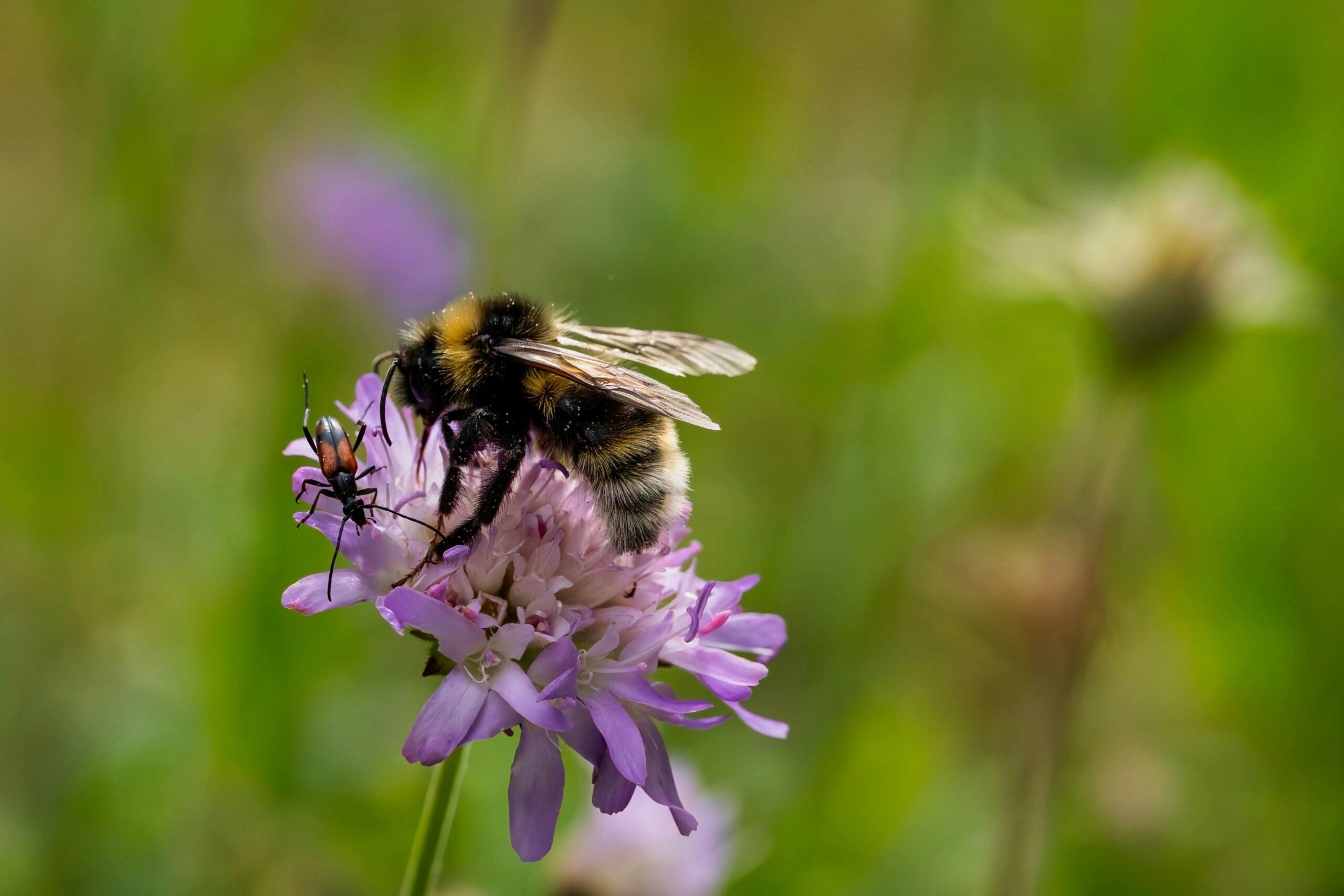
Synopsis: Washington state has over 600 species of wild bees, and Seattle more than 100, but bees aren’t the only insect pollinators out their working over the flowers and hunting for good homes for their babes. A study on western WA farms found that flies(!) accounted for 35% of pollinator visits. Even small gardens can be a haven for an array of pollinators. Learn about our pollinators–who they are, how they live, how to recognize some. Discover hands-on ways to help pollinators both locally, by modifying your garden, and globally, by participating in citizen science projects like the Washington Bee Atlas.
Synopsis: Here is your introduction to our region’s birds and how to happily live with them in our shared urban/suburban neighborhoods and, especially, our gardens. Let’s look at how all of us can live together safely. Learn what garden enhancements will encourage birds to make our yards part of their worlds and what you can do to lessen harm to our shared environment.
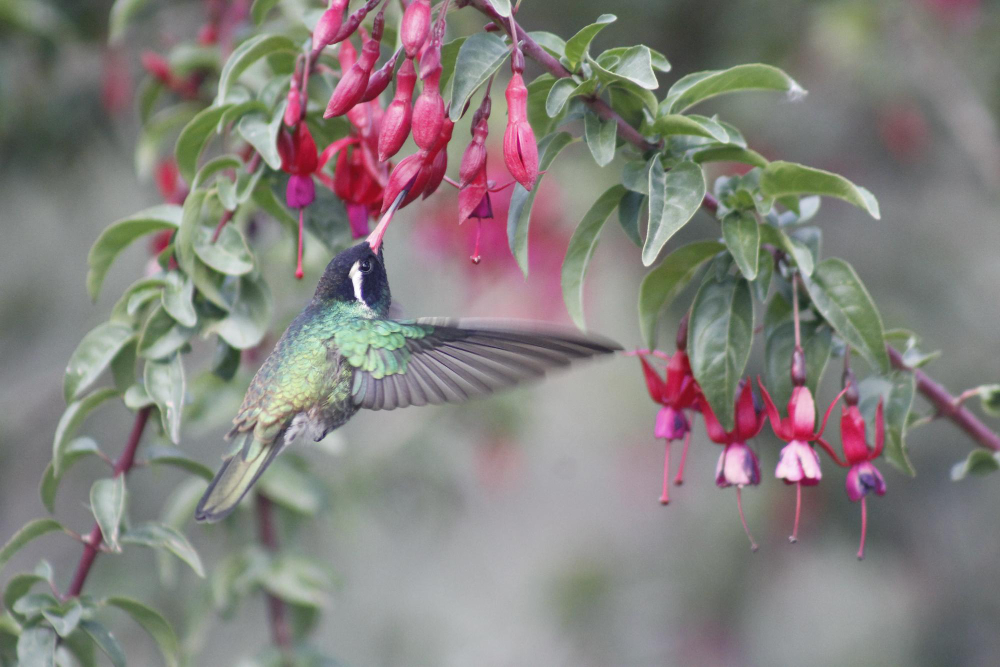
Synopsis: Discover fun facts about our two Pacific Northwest hummingbirds and learn about flowers and native plants to create a hummingbird-friendly garden or container.
Synopsis: There are six keys in successfully growing vegetables in our area of the Pacific Northwest, preparing your planting location, timing of seed starting, key items for caring of plants and how to recognize and treat problems on plants during their path to your plate.
Synopsis: In Western Washington, some members of the Cabbage Family (aka Brassicas/Cruciferae) can be grown throughout the year and show-up on your dinner table when needed. These crops include broccoli, cauliflower, kale, cabbage, arugula, mustard, rutabagas, turnips, radishes, collards, bok choi, and Brussels sprouts. These cool weather vegetables are among the first to be planted each year, as early as March for most transplants and April for direct seeding. Let’s make your vegetable beds productive year-round!
Synopsis: Fresh herbs can be hard to find in stores and are often extremely expensive. Growing your own can give your cooking extra zip and depth of flavor. Learn about growing a wide variety of herbs, from arugula, basil and chives to rosemary, sage and thyme. Edible flowers such as borage, chamomile, chives, nasturtium and calendula petals also can add beauty and flavor to any salad.
Principles of Gardening in the Pacific Northwest for the Intermediate Gardener
Synopsis: Want to get better results from your veggie gardening efforts? In this class, learn how to better understand and use your gardening space, whether in ground or in containers. Also, learn how key practices such as fertilization, irrigation, integrated pest management, plant selection and planting dates, influence your results.
Synopsis: Leafy greens can be crisp or tender, bitter or sweet, tangy or pungent. They can be eaten raw or cooked and are full of fiber. Many prefer the cooler weather of spring and early summer, such as lettuce, spinach, Swiss chard, beet greens, arugula and mesculn mixes. Many can even grow in partial shade. This presentation will focus on some of the most popular greens.
Synopsis: Cucumbers, squash, pumpkins, and melons are members of the Cucumber Family, all of which are warm season crops. Cucurbits can sprawl 3 to 5 feet in all directions. Learn how to use vertical applications to enhance productivity in small spaces. Talk topics include varieties selection, cultural requirements, container growing, fertilizer needs, major diseases and pests, and pest management techniques for each crop.
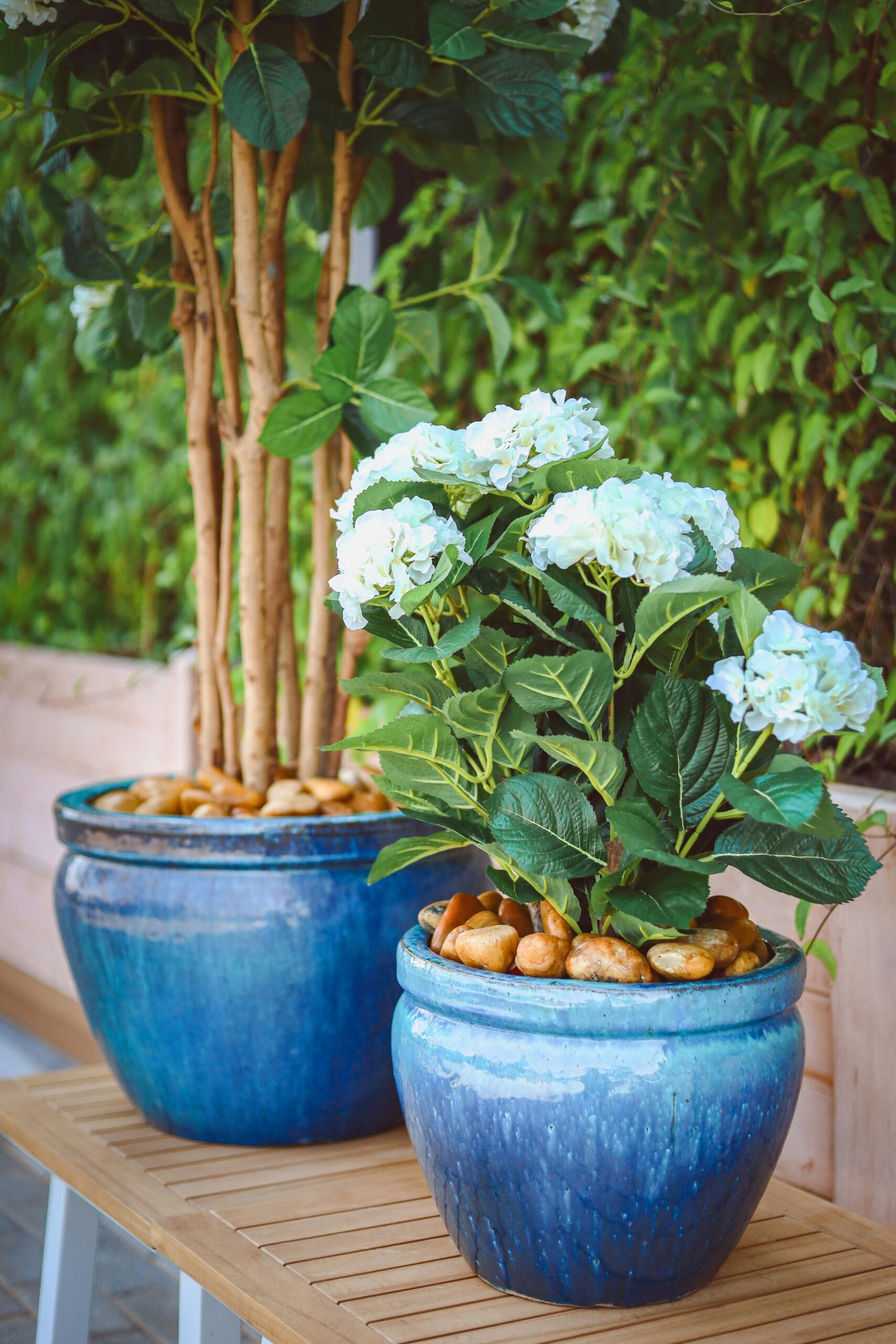
Synopsis: Learn container basics, design ideas, and planting tips to create containers that have year-round pizazz. Specific plant ideas for both shade and sun containers as well as soil and watering recommendations are included with photos to inspire you to create your own container!
Synopsis: Want to grow beautiful plants but don’t have a yard? This talk covers everything you need to know about container gardening, from basics to seasonal updates. Learn how to select the correct vessels, understand soil types, choose the best location for your plants, and keep them thriving all season long. We’ll also show you how to transition your summer containers to stunning fall and winter arrangements. You’ll leave with the knowledge to create and care for your own vibrant, custom container garden.
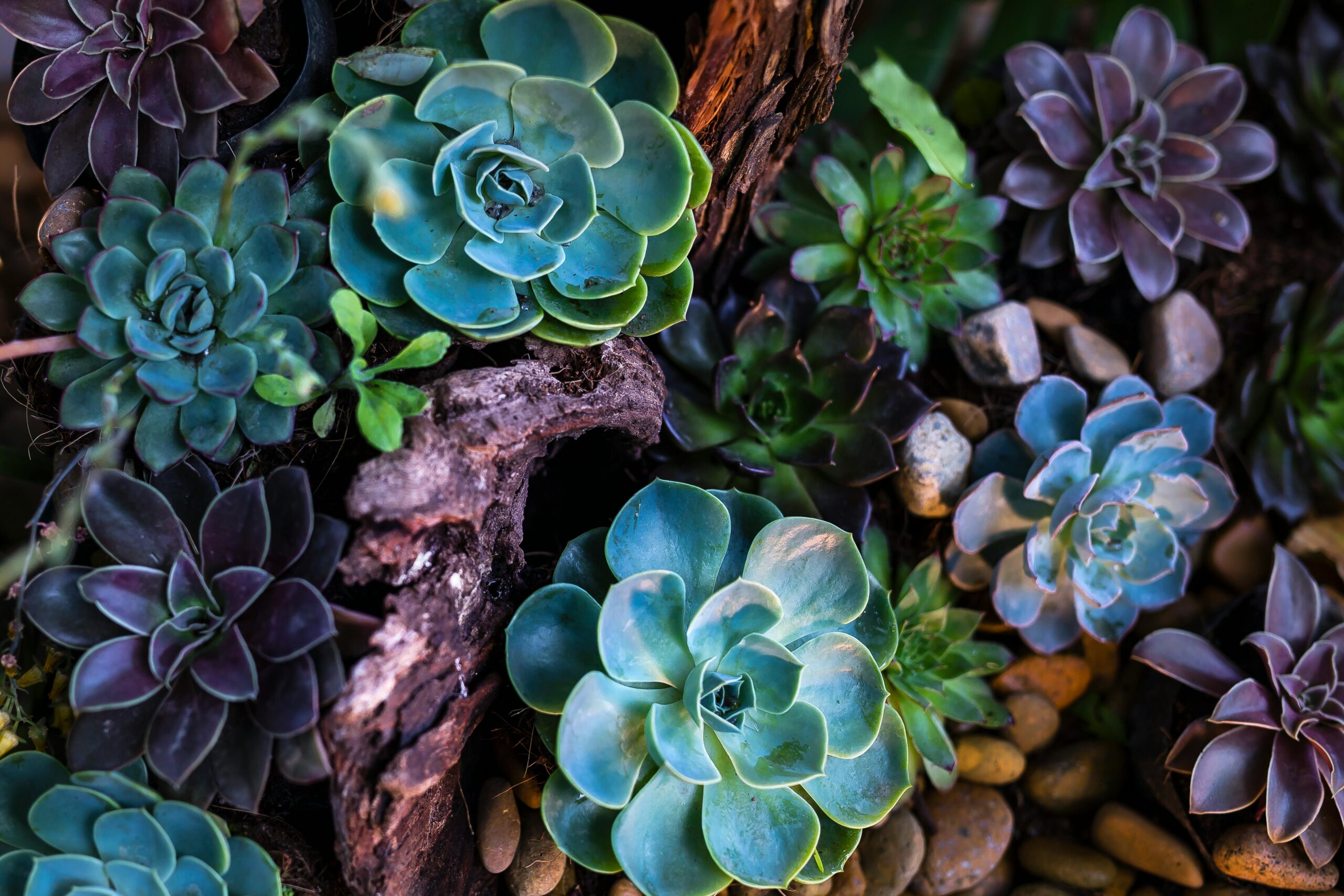
Succulents 101: Your Guide to a Thriving Indoor Garden
Synopsis: Unlock your green thumb with the ultimate guide to succulent care! This class will go over how to keep these trendy, low-maintenance plants healthy and happy. We’ll cover all the essential skills you need to become a successful succulent parent and create your own beautiful, thriving succulent garden.
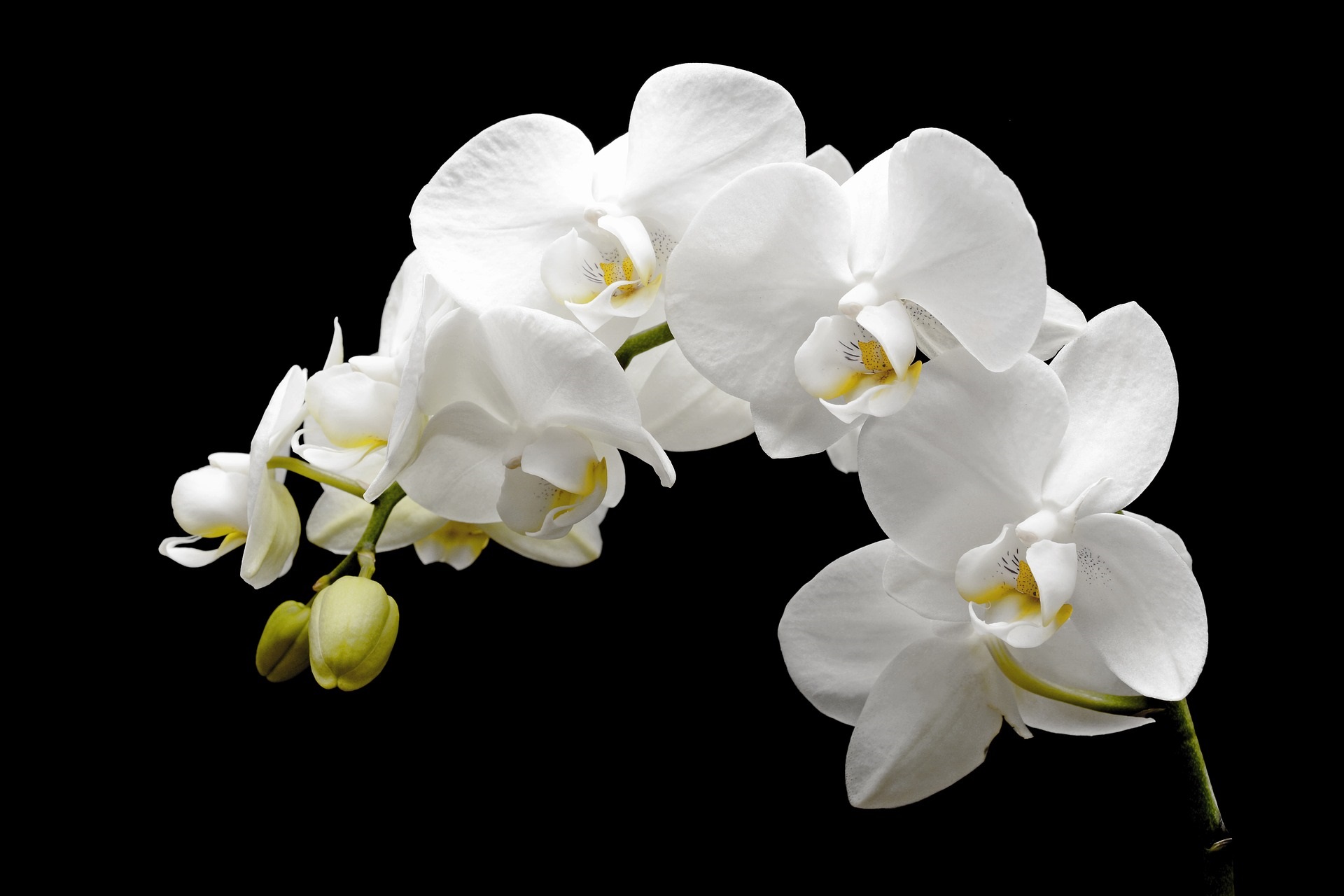
Synopsis: Did you get an orchid as a gift, or buy one for its beauty? Learn the basic practices that will keep your orchids thriving and blooming year after year.
Synopsis: Each month of the year is discussed in this talk and highlights a ‘tried and true,’ ‘new or unusual’ or ‘self-seeders or creepers’ perennial that provides color for the month. Other more colorful perennials are noted which bloom well in our climate in the spring and summer months.
Synopsis: This talk discusses evergreen and deciduous shrubs that grow well in our Western Washington gardens. Highlighted will be several specific varieties that showcase the breadth of a genus. Some varieties are tried-and-true, others are more unusual.
How to combine perennials, shrubs, and small trees for garden color throughout the year
Synopsis: Cleo will use photos to show how you can combine perennials, shrubs and small trees for garden color throughout the year. We will visit garden areas in multiple seasons to show how plants have different impact depending on the season. If you have heard her ‘Perennials for Year-Round Color’ or ’Shrubs that Grow Well in our Gardens’ talks, this is a chance to see how some of those plants actually look in a garden setting.
Synopsis: Not counting the landscaper, how did you get the soil that lives in your yard? This class will discuss soil formation, how to determine texture and its importance and the best testing methods to use when determining soil properties and for soil testing. From there, soil improvement is easier to control. Nutrient advice, fertilizer tips and calculations and manure(s) will all be evaluated in this 90-minute program.
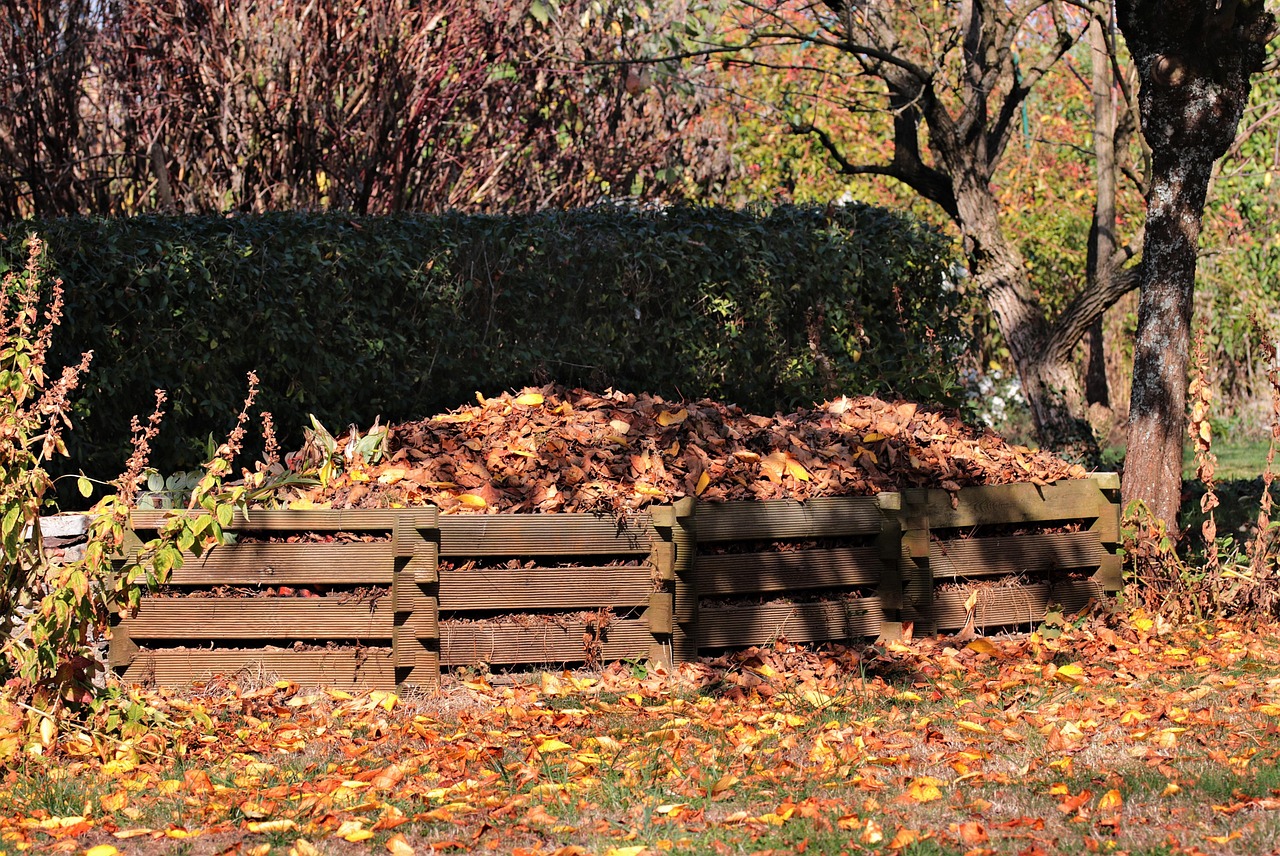
Synopsis: What is compost? What materials can you use (or should avoid) in your home piles? What are the impacts it has on soil and the organisms living in it? What methods and equipment are needed to make ‘black gold?’ We’ll look at examples of fast methods (used at the Belevue Botanical Garden, slow-low-energy methods (used in my yard) and kitchen scraps use and harvesting.
Synopsis: Propagation from cuttings is a fun and money-saving way to create more plants for your garden. Let’s look at the why, the when, the medium and the timing of your next gardening science project. There are new ways to expand what you have in the yard, or, perhaps, want to share with your neighbor. Let’s experiment!
Synopsis: Gordon has spoken on Propagation for many years and will share his experiences with you. He starts by explaining the earliest time of the year to take cuttings, how to take and treat them and why. He covers the different types of cutting, layers and air layers; the various types of rooting hormone preparations, with descriptions of their various uses and properties; different methods of treating cuttings; cleanliness of tools and types of tools. Next step is to grow and harden the cuttings. He does an overview of bulbs propagation and grafting and wraps up with the importance of good record keeping.
Synopsis: Using examples from some of the most famous gardens in Japan, we will focus on three types of Japanese gardens – dry landscape, courtyard, and strolling. Intermingling the garden descriptions with that period in Japanese history, you will experience the spirituality and culture that make Japanese gardens so unique.
Synopsis: This landscape presentation will help to design your garden and landscape before choosing your trees, shrubs and other plants. Creating a plan helps to identify use areas, hide undesirable views or frame those views. Once this task has been accomplished, the plants can be identified based on conditions such as soil, light and other desired preferences, such as maintenance requirements.
These presentations can be given live or by Zoom unless specified differently on the topic line. Most of these lectures are one-hour in length, but a few will differ. Most are supported by PowerPoint presentations. Remember to discuss the logistics of your gathering directly with the speaker, i.e., in-person vs. virtual, venue, projection screen/surface, length of presentation, etc., to avoid any misunderstandings.
Rev. 12/2025
Extension programs and employment are available to all without discrimination. Evidence of noncompliance may be reported through your local Extension office.
Speaker Biographies
Alma Cardenas
Alma Cardenas is a Master Gardener with a passion for learning how to turn everyday yards into thriving, sustainable landscapes. With a background in sustainability and biodiversity conservation technology at Microsoft, she brings big-picture knowledge to small-scale spaces. Alma believes our gardens can not only grow food— they can capture carbon, support pollinators and wildlife, conserve water, and restore native plant communities right outside our doors. She’s on a mission to help fellow gardeners turn their green spaces into tools for climate action and biodiversity preservation, one backyard at a time.
Penny Bolton
Penny Bolton is a 30+ year Master Gardener as well as an Audubon Master Birder. She holds certificates in Professional Dog Training, Applied Animal Behavior and Living and Learning with Animals. Expect to learn as much about human-animal interactions in garden environments as you would learn about creating healthy plant environments in your garden.
Emilie Castle
Emilie Castle became a Master Gardener in 2004. She has been an active member of the Bellevue Demonstration Garden for over 15 years, serving on the steering committee for many years. Currently she is in charge of the Winter and Summer Squash Beds and the Roots and Shoots (Beets, Carrots, Chard & Spinach) Bed. She is a faculty member for the Master Gardener Growing Groceries program.
Andree Hurley
Andree Hurley studied horticulture and landscape design at California Polytechnic State University. Her design firm was active in the Seattle area for a decade and specialized in landscape redesigns and pruning. Now a real estate professional, Andree still takes notice of gardens, how the elements fit together, the extra value they bring to a sale and even stages front yard gardens for improved curb appeal.Carole Bartolini has a love for growing vegetables that began as a young child helping in her grandfather’s garden. A Master Gardener since 2017, Carole is a member of the University District’s Market Clinic, a volunteer at the Finn Hill Demonstration Garden and an instructor for the WSU Growing Groceries Program. She delights in educating future gardeners.
Paige Embry
Paige Embry has been a gardener in Seattle for decades. She attended Edmonds Community College Horticulture program and later taught the soils class there. Over the years, she’s also run a little garden design and coaching business, written a gardening blog, and taught continuing ed classes on gardening and pruning. Currently, she is a freelance science writer who has written for Scientific American, Entomology Today, The American Gardener, Horticulture and others. Her 2018 book (Timber Press), Our Native Bees: North America’s Endangered Pollinators and the Fight to Save Them, was a finalist for the 2019 WA State Book Award
Sue Kraemer
Sue Kraemer is a graduate of the 2014 Master Gardener class and has served on Foundation Board for King County. She has served as an instructor at the University of Washington-Bothell and is, currently, a faculty member of Washington State University’s Growing Groceries Program. Sue volunteers her gardening expertise to Queen Anne Manor and with the Data for Good organization, directing healthcare data projects.
Susan Melgaard
Susan Melgaard Susan Melgaard joined the King County Master Gardeners program in 2020. She received a B.S. from WSU Pullman in Microbiology. She currently volunteers at: Animal Acres Demonstration Gardens in Lake Forest Park (LFP); Kenmore Rhododendron Garden (KRP); Woodinville and Kenmore clinics; Pollinator booths at events located at 21 acres, Bellevue Botanical Garden, KRP, LFP, and others. She provides pollinator presentations to National Wildlife Federation, garden clubs, educational programs, and Rotary organizations. Susan spends her winters volunteering at the national tropical botanical gardens on Kaua’i in the nursery for endangered native plant species, and in the regenerative organic gardens in agroforestry.
Jim Olson
Jim Olson has been a gardener on and off since his elementary school years. He grew his first veggie garden as a sophomore in high school. Years later, after retirement, gardening came back onto the front burner and he joined the King County Master Gardener Program in 2013. Jim currently leads the Redmond Saturday Market Plant Advice Clinic. At home, he grows a bit of everything – berries, apples, many types of veggies, herbs and landscape plants, including natives. He has a special fondness for growing orchids.
Gordon Polson
Gordon Polson has been gardening since he was eight and has been a Master Gardener since 2008. He is a dedicated home gardener and propagator although he reports that he has lost the fight with deer. He has been a docent at the Bellevue Botanic Garden since 2022 and his fingernails always seem to have soil under them.
Cleo Raulerson
Cleo Raulerson has gardened, focusing on perennials and flowering shrubs, for more than 40 years. Her garden has over 750 varieties of flowering plants and the garden has been on the NPA (Northwest Perennial Alliance) Open Garden Tour for many years. Cleo served on the Bellevue Botanical Garden Society Board of Directors and is a King County Master Gardener.
Dawn Rubstello
Dawn Rubstello has been a King County Master Gardener since 2020. During that time she has been involved in education both within the program and for the public. She is a Life Science and Chemistry Teacher and therefore interested in the connections between Living Things (plants, insects, fungi, etc.) and Non-living things (water, air, pesticides, etc.) She works with teachers to bring biotechnology to their classrooms.
Molly van der Burch
Molly van der Burch is a native Seattleite who has served on the Board of Directors for the Northwest Perennial Alliance and the Bellevue Botanical Garden Society. In 2009, Molly became a Master Gardener and volunteers at the Mercer Island and Crossroads clinics. She is a member of the state-wide WSU Climate Action Team. She had a garden consulting business, designing gardens and coaching clients on pruning, containers, and plant choices.
Fred Wemer
Fred Wemer joined the Master Gardener Program in 1999 and spent 40+ years in the UW’s School of Dentistry. If not working in his own yard, Fred spends his time as a volunteer at the Bellevue Demonstration Garden where he gives talks and works with the composting program, edible flowers, perennial vegetables.
Bethany Williamson
Bethany Williamson is a former Elementary educator who has a passion for pollinators. She has studied pollinators for the past year and is currently finishing up the Pollinator Steward Certification program through Pollinator Partnership (https://pollinator.org/). Bethany has a desire to educate everyone on how easy it is to help our pollinators!
Frequently Asked Questions:
A: The Master Gardeners Program is an Extension Program of Washington State University. Part of our charter as a Land Grant University is to provide this type of education, without charge. However, Land Grant Universities also have restrictions on what activities we can fund. So, we have a parallel Foundation organization that helps us fund raise for those activities. So, if you find value in these presentations and have budget, please consider making a donation to our Foundation. The monies contributed go to expanding the programs and reach of Master Gardeners activities within the county.
Ask us for a “Custom” presentation when you submit your request. We cannot promise we’ll do it, but sometimes the topic you are interested in is also an area of interest to one of our Master Gardeners and your request could be the ‘call to act’ for them. Also, we can sometimes ‘lego-together’ modules from related presentations to better map to the topic you want covered. It never hurts to ask.