Youth Garden and Nature Education

Garden-related Environmental Education for Youth in King County
Ignite children’s passion for gardening and nature. If you are a community group, teacher, home-school or a family we have resources for you. We offer youth garden and environmental education programs that allow kids to experience firsthand the wonders of the world around them. While building essential knowledge, these programs primarily aim to cultivate a lifelong love for gardening, nature, and the environment. Nurture the garden and nature lover of tomorrow by immersing them in these resources today.
More Information
Our catalog of kits and activities
Today’s youth are tomorrow’s gardeners. Magic happens when children catch the gardening ‘bug’ and once the interest is sparked, you can generate a passion that lasts a lifetime. Here in King County, the Extension Master Gardener Program is investing in the gardeners of tomorrow. Our teaching kits and activities are ‘hands-on’, literally “getting your hands dirty,” encouraging children and youths to get outdoors and learn about gardening and nature.
Kits for Teaching Children and Youth about Gardening
King County Master Gardener Teaching Kits are classrooms in a box. Each kit focuses on a specific subject with curricula easily adjusted to any age group, from preschoolers to seniors. These Teaching Kits are designed to bring FREE garden-related environmental education to schools, community groups, youth programs, and senior centers. Depending on scheduling, a Master Gardener may be available to make a presentation using the kits.
Some of the special, theme-related items you will find in each of these well-designed teaching kits are included in the descriptions below. Each kit also includes a multitude of supplies such as posters, books, DVDs, hand lenses, Petri dishes, recorded songs with lyrics, hands-on props for the activities, and numerous reference resources. The 3-ring handbook binder includes background information on the kit’s topic, along with diagrams, worksheets, teaching tips, curricula, and lesson plans for educating both children and adults. Each kit is housed in its own storage bin with a folding luggage cart available to make transporting them easy.
The Teaching Kits are available for FREE for a 2 to 3-week loan. For more information on how to reserve a kit, find out more about the kits, or arrange a presentation by a Master Gardener, contact the Master Gardener Program Coordinator in King County, king.mg@wsu.edu, 425-738-0109.
Roots, Shoots and Leaves Teaching Kit
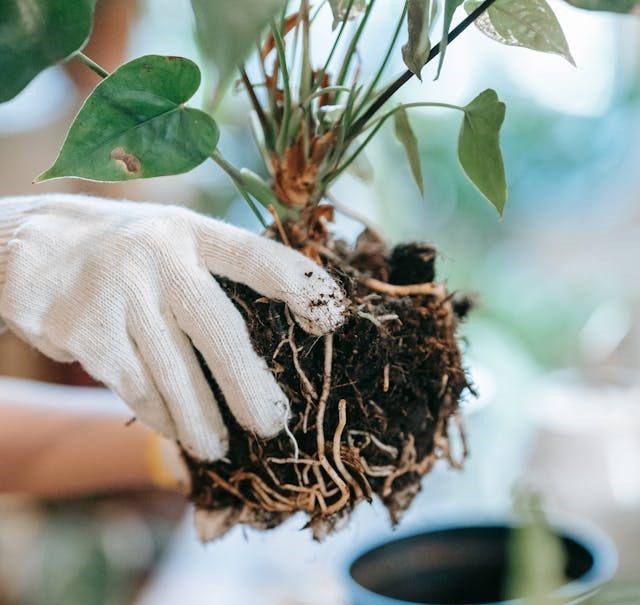
This Teaching Kit introduces the physical structures and functions of roots, stems and leaves. This includes the types of roots, root hairs, the vascular system, herbaceous and woody stems, tree trunks and their branches, evergreen and deciduous leaves, fall color, leaf fall, transpiration, and photosynthesis. The kit includes hands on material to go with activities, such as:
- A plant press
- A sample root viewer, and a set of bark samples
- Potting soil samples, and peat pellet samples
- Food color, sprouting tools, and tree “slices”
The kit also contains background information on food plants, plant adaptations, tree growth, houseplants, propagation, and even growing salad in a pot. There are 11 books, 2 DVDs, plus posters about leaves, roots, photosynthesis as well as instructions for making a bean teepee, collecting and pressing plants, nurturing windowsill herbs and much more to draw on for inspiration.
Insects Teaching Kit
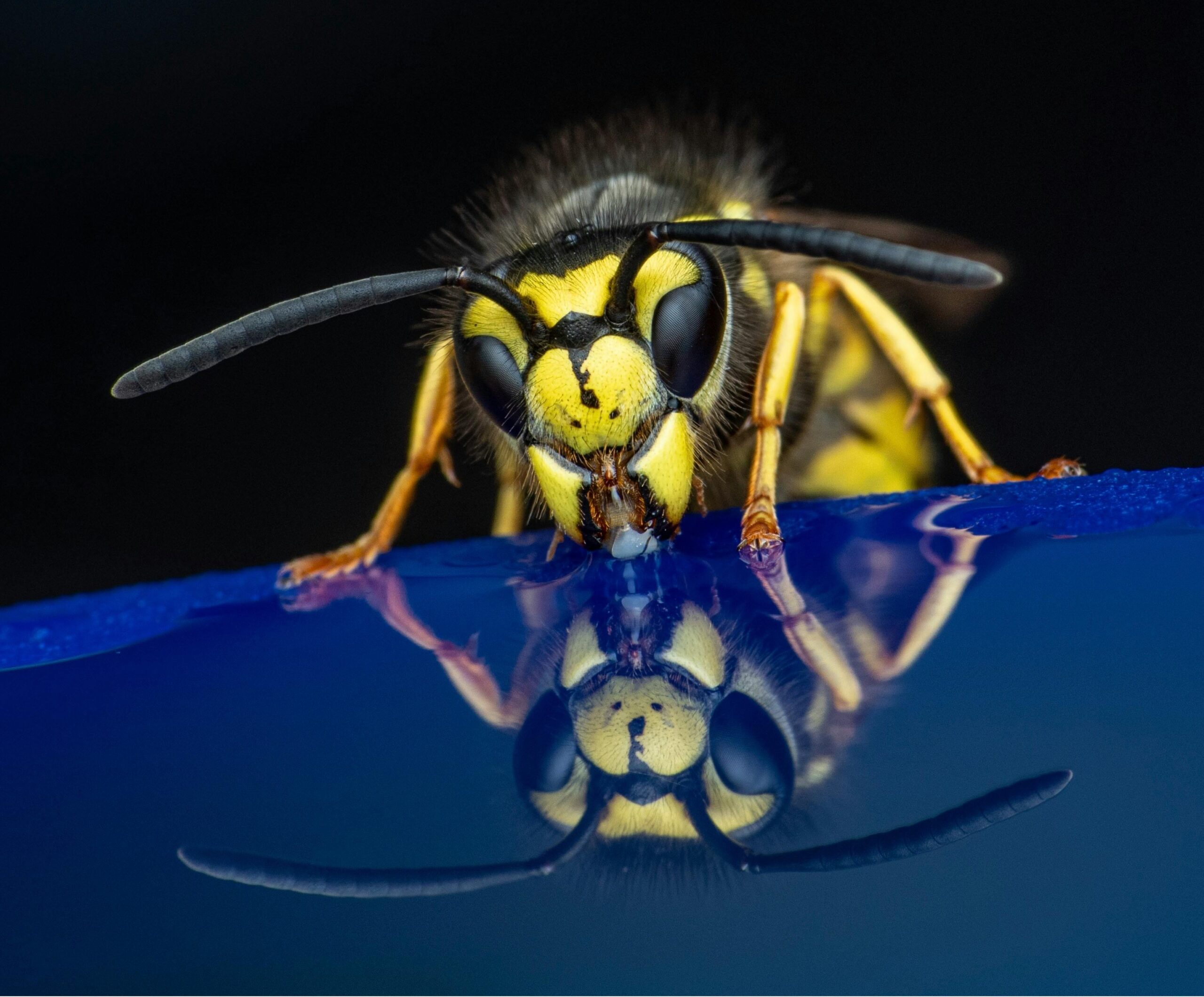
This Teaching Kit covers information related to the diversity of insects, their structures and their functions, metamorphoses, and their location in the environment. The kit introduces “good bugs” and “bad bugs,” which ones might be found in your garden, which ones are a problem, and which are beneficial. The kit includes material that can enhance insect exploration, like:
- Bug viewing boxes, and quadrant survey supplies
- Bug catching cups
- Cloth for a shrub shaking activity
- Dichotomous key activity to the six main orders of insects
- Set of 12 (formerly living) resin-preserved insects
- Lots of plastic insects (and non-insects) for sorting
- Mac’s Field Guides to Good/Bag Garden Bugs of the Pacific NW
The kit also contains background information on insect ecology, insect mouthparts, and organic pest control. There are 2 DVDs, 12 books, and posters about butterflies, insect diversity, anatomy, and insect identification. Additionally, the kit has three K-4 lessons, insect collection instructions, details for making a “pit trap,” and even a “Mini-Beast Journal” to track insect adventures, plus much more.
Seeds, Flowers and Fruit Teaching Kit
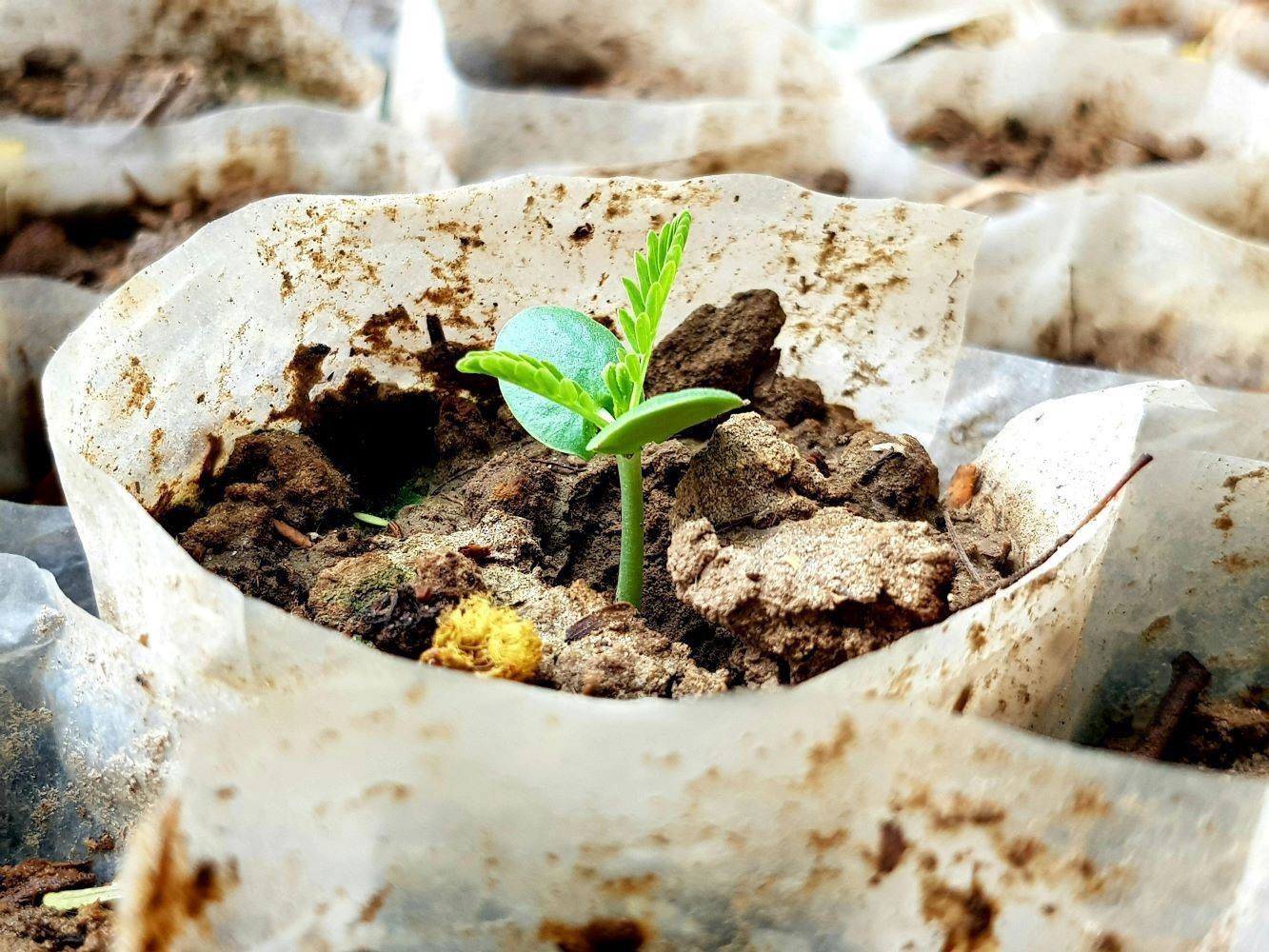
This Teaching Kit explores how plants reproduce, the structures and functions of flowers, fruits, and seeds, planting seeds, seed dispersal strategies, and pollination, as well as seed saving techniques. The kit includes material to increase engagement with the subject, like:
- Herbie the Seed Puppet activity kit
- A box of various seed samples, and a film canister bean game
- A “paper pot” maker, and a plant press
- “Petal Attraction” material for making imaginative flowers to attract pollinators
- Silk flower models
- The Fruit and Seeds activity, and the Order in the Class activity
The kit also contains instructions for dissecting flowers and seeds, “finger play” for preschoolers, and information about world origins of fruit and veggies. There are 2 DVDs, 12 books, and posters that illustrate the anatomy of flowers, pollination, seed germination, as well as seed dispersal strategies. There are many more activities and information to inspire creative explorations.
Pollinators Teaching Kit
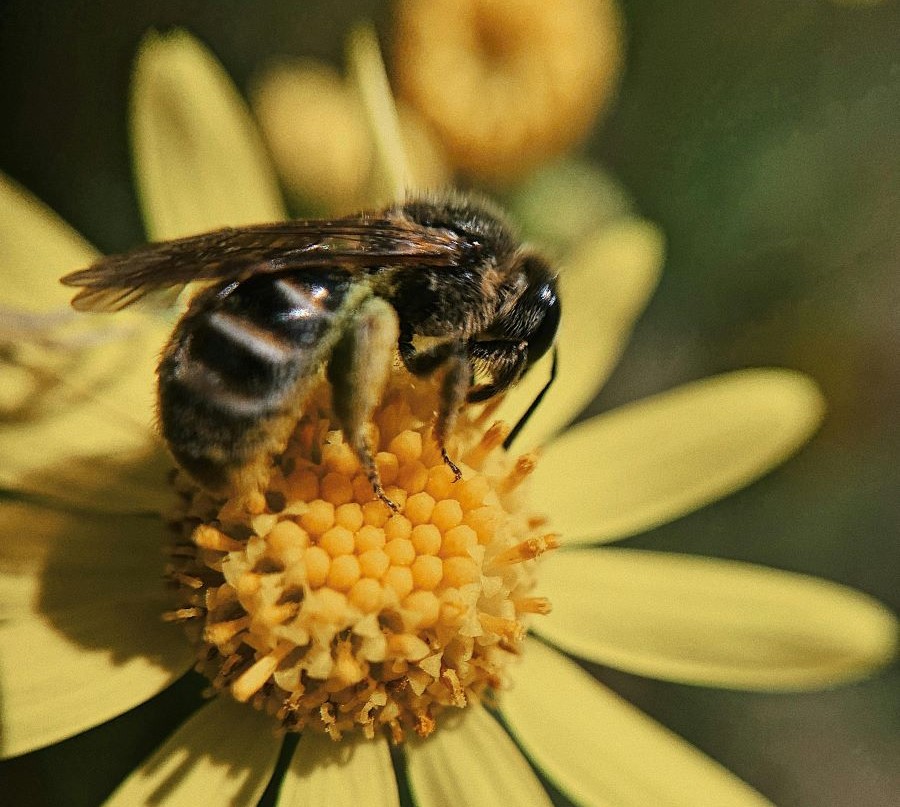
This Teaching Kit is not just about bees, beetles, flies, butterflies, moths, bats, and hummingbirds. It’s also about the habitat they require for survival. The kit introduces users to life cycles, pollinator syndromes (flower preferences), and concepts like conservation, restoration, and preservation. Some of the activities include:
- Hand puppets (bee, butterfly, hummingbird & bat)
- Butterfly life cycle model
- Silk flowers showing pollinator preferences (shape, size, color, nectar guides)
- Pollinator food web activity with cards and yarn
- Sample mason bee nesting tubes
- Get to Know Your Pollinator wheel
- Petal Attraction material for making imaginative flowers to attract pollinators
This kit also contains information about what kids can do to help pollinators, a pollinator field journal, instructions for dissecting flowers, and a pollinator garden food web. It has 2 DVDs, 15 books, and posters illustrating a butterfly’s life, flower nectar guides, and the world’s diverse pollinators. There is plenty of information here that lends itself to many more lessons or activities.
Native Plant/Wildlife Habitat Teaching Kit
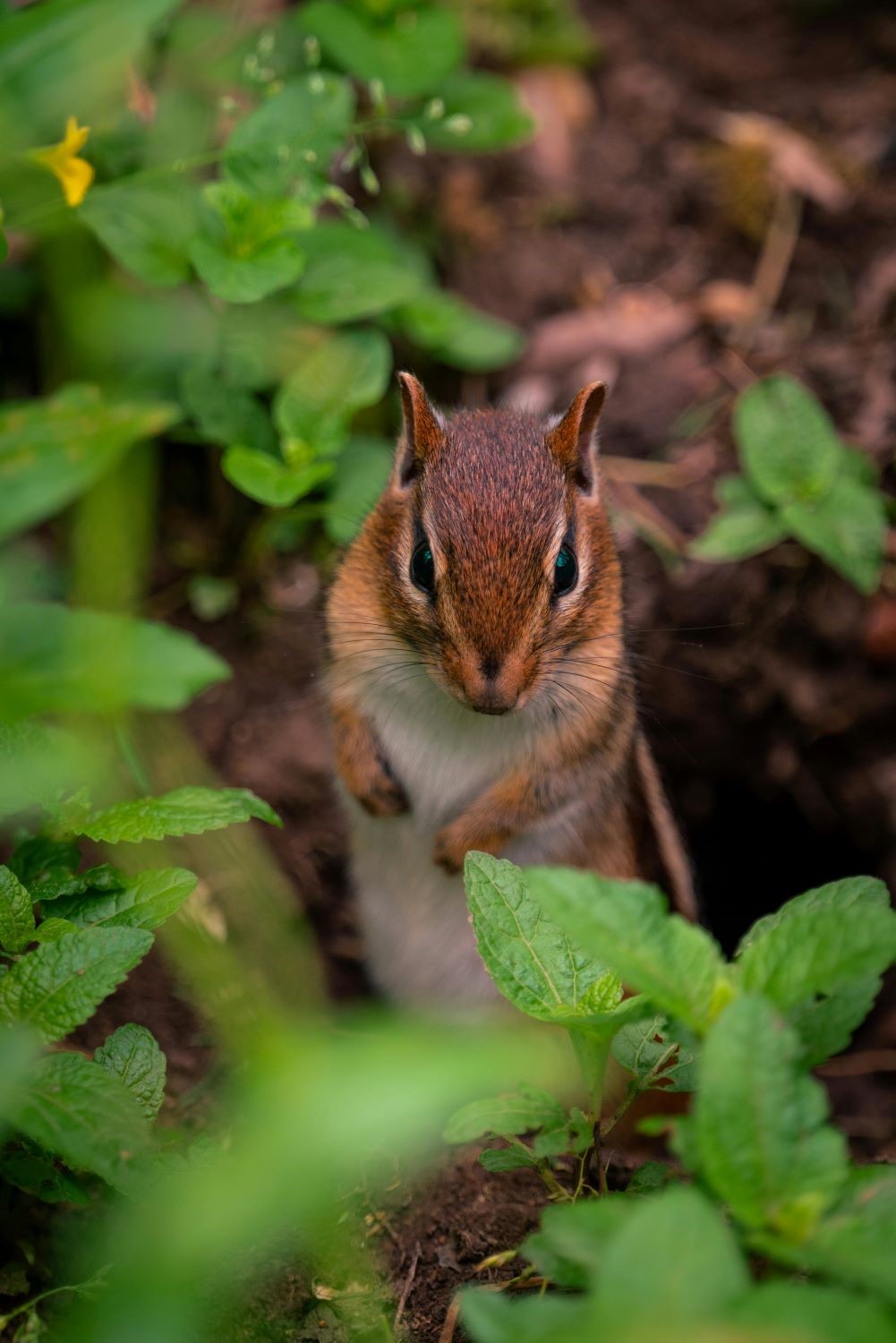
This Teaching Kit explains the interconnectedness of native plants and wildlife, the benefits of native plants, native plant identification, noxious (invasive) weeds, and backyard and schoolyard habitats. To enhance interest the kit includes:
- A plant press
- Gold finch, squirrel, and ladybug finger puppets
- Biodiversity card activity, and Amazing Washington Plants card activity
- A play, field guides, and a teacher’s guide to Seattle parks
- Native plant flash cards
The background information and activities in the kit offer a wide variety of enrichment ideas. There are native plants landscaping ideas, and ideas for creating gardens for hummingbirds, butterflies, other birds, and beneficial insects. There are 15 books, a DVD, and 12 posters illustrating schoolyard habitats, old growth forests, streams, wetlands, wildflowers, urban wildlife, and Trees. These resources are sure to generate more creative ideas.
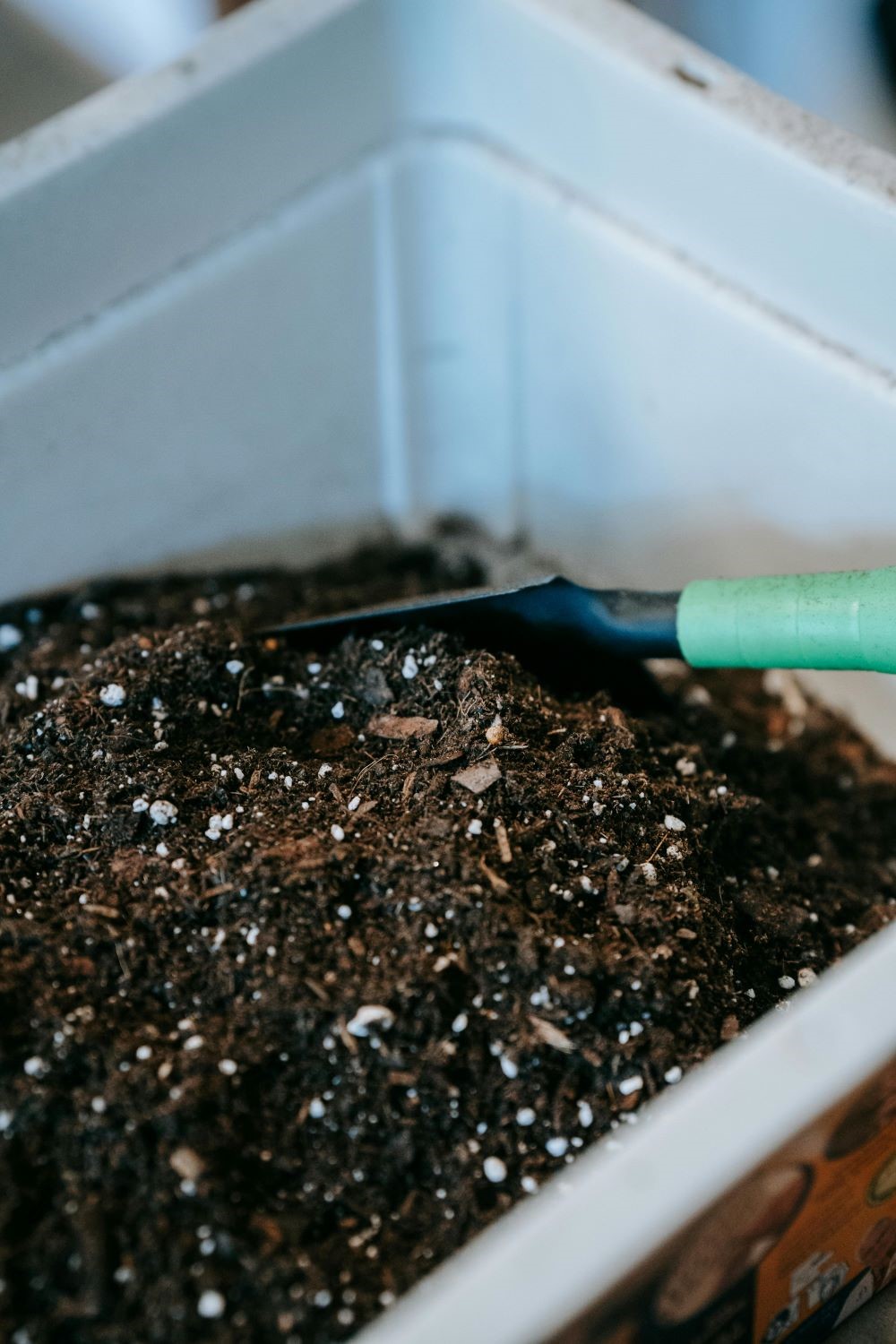
Soil and Compost Teaching Kit
This Teaching Kit focuses on the importance of soil, the soil and compost food webs, decomposition, soil texture and how to build better soil. The kit includes materials like:
- Soil sieves
- A Soil detective activity
- An Educator’s guide to Soil: We Can’t Live Without It
- The Sort It Out: What Makes Soil activity
- A Soil layering activity
This kit provides information for hands-on experiences with soil. There is information about various uses of compost, and its benefits in the garden. There are soil lessons for 1st grade, and a soil unit for 1st and 6th grade study buddies. Additionally, there are instructions for making a Berlese funnel, soil testing, water drainage in soil, and much more. There are 11 books, 2 DVDs (each with a teacher’s guide), and 5 posters illustrating life in a fallen log, decomposition, soils, and compost.
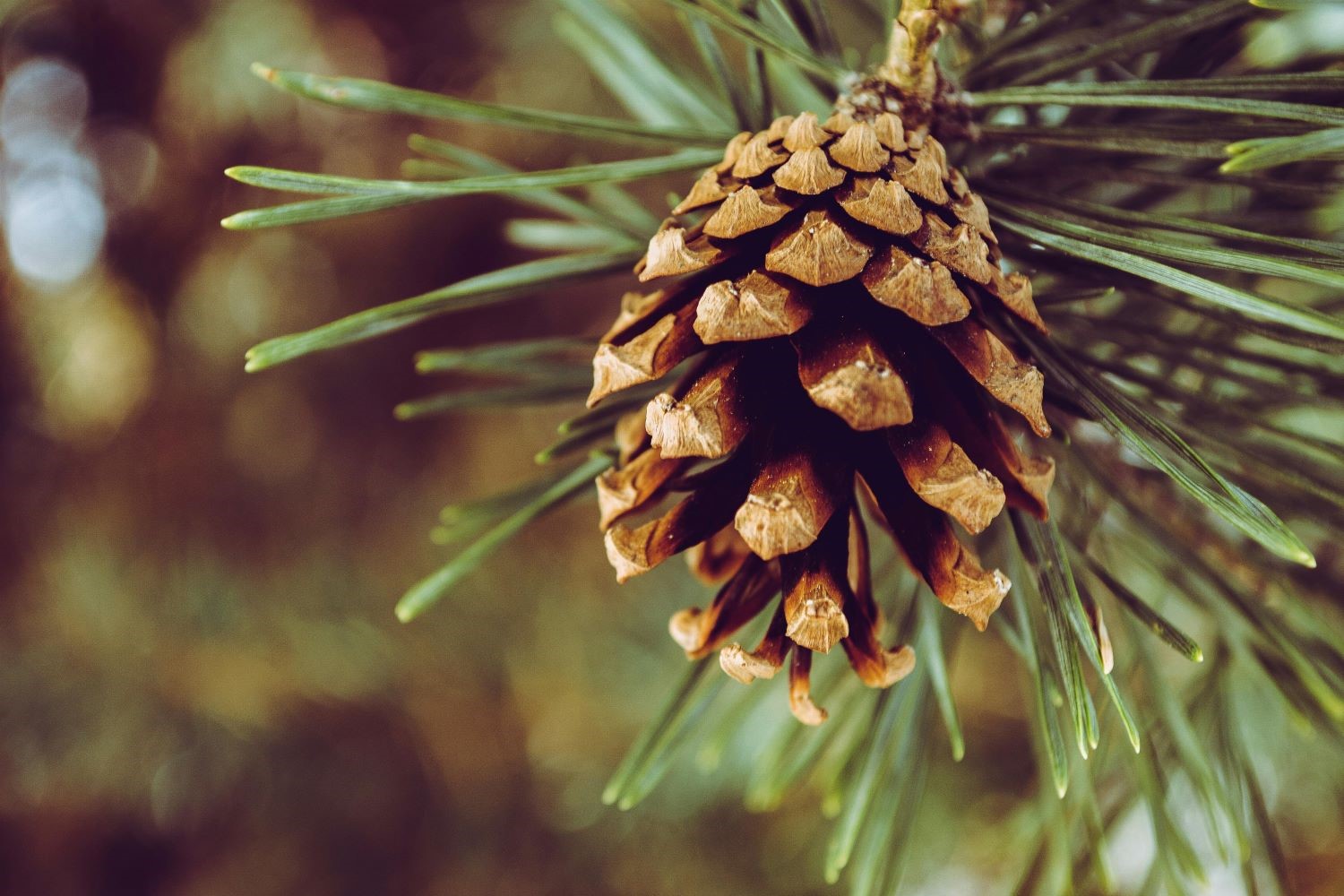
Trees Teaching Kit
This Teaching Kit presents information about the structure and function of each part of a tree, the importance of trees, forest layers and their habitats, the role of wildfire, and tree identification. It also illustrates, how trees are utilized by both animals and humans. The kit includes hands-on material like:
- Tree trunk “slices,” and a variety of cones
- “Ollie the Old Owl” puppet with script
- A sample clinometer to and measure tree height
- A “Cone Hunt” checklist and identification cards
- The “Tree Knowledge” card-matching game
This kit educates users about the criteria for selecting the right tree for the right place, and then how to plant them. It has information on “reading” tree rings, how trees “eat, drink” and “breathe,” directions for making bark or leaf rubbings, Native American legends, and even includes a glossary of tree terms. There are also 2 DVDs, 20 books, and 14 posters illustrating how trees grow, deciduous forests, evergreen (coniferous) forests, old growth forests, autumn colors, life, death & rebirth of a tree, as well as the poster “Tree Our Brother” regarding Native American thoughts about trees.
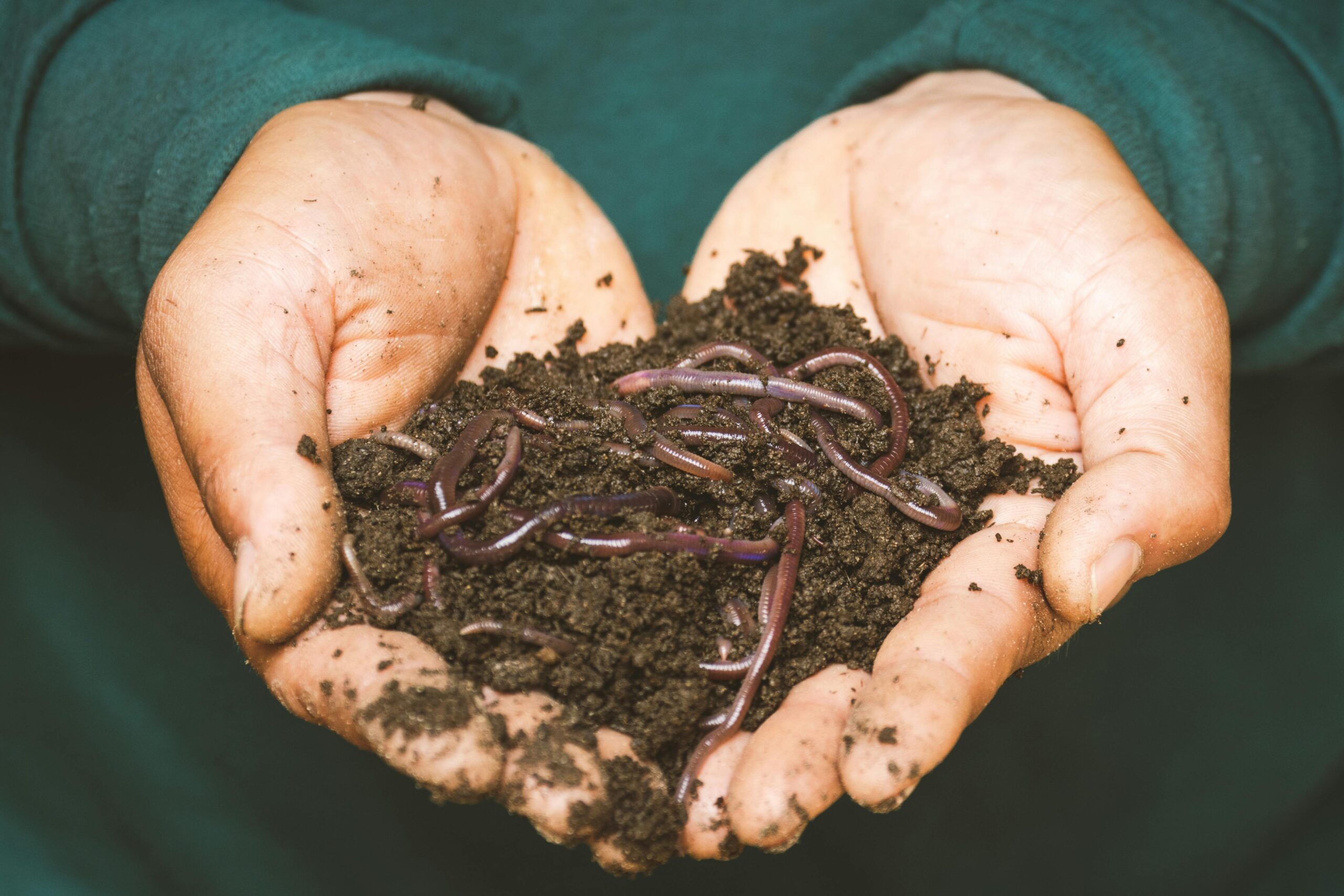
Worms Teaching Kit
This Teaching Kit explains the benefits of worms, their anatomy, and the science of building and maintaining a worm bin, as well as managing food waste indoors. It helps us to understand how worms enrich soil, and how they decompose material on and in the soil, or within our food waste bin. Included in this kit are:
- Seeing Is Believing construction paper “Worm Cave” card activity
- How worms see and hear activity (with flashlight and can)
- The Wonderful Worm Puppet Show with two scripts
- Worm Muscles activity using strips of elastic
- Eyedroppers for hands-on exploration
This kit contains an activity for observing worms in a Petri dish, the Wilma the Worm story, a lesson plan about how worms see, hear and feel, and instructions for making your own worm habitat, worm home, or composter in a plastic bottle. There are also 7 books, a DVD, and posters illustrating a worm’s internal and external anatomy, and what to feed and not feed worms in a worm bin.

Water Teaching Kit
This Teaching Kit introduces users to the concepts of the water cycle, watersheds, water quality, family water use, and water conservation. A sample of activities in the kit include:
- A Drop in the Bucket activity about the tiny amount of fresh water on Earth
- The Incredible Journey activity about the water cycle
- Watershed & wetland model activity
- Water Charades
- Water Cycle Puppet Show
The kit contains information about the actual availability of fresh water on Earth, the physical properties of water, a plant’s vascular system, and a plant’s role in water filtration. There are tips for saving water in gardens and yards, and how to garden to protect water quality, and slow water runoff. There are 9 books (two with teacher’s guides), 2 DVDs, and 18 posters dealing with the water cycle, clouds, precipitation, and ground water. Plus, much more to draw on for inspiration.
Simple Gardening and Nature Activities for Children and Youth
Bug Races (PDF)
Search for bugs, set up a racecourse and watch them go!
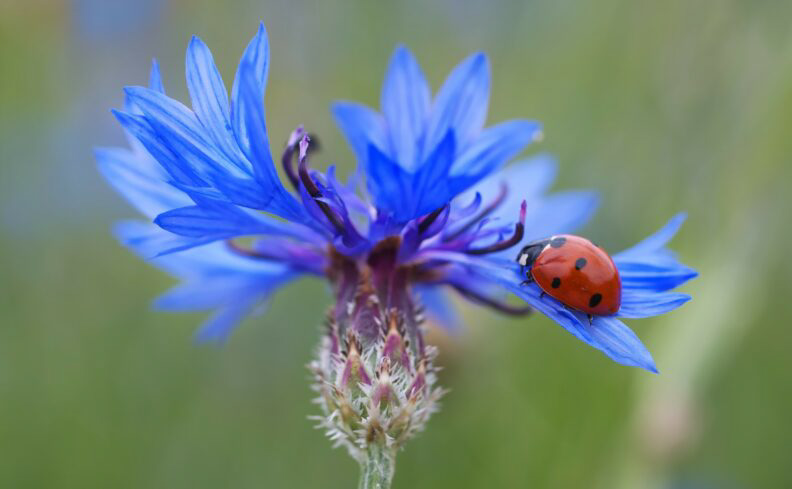
Garden Scavenger Hunt (PDF)
Who can earn the most points exploring the garden or yard?
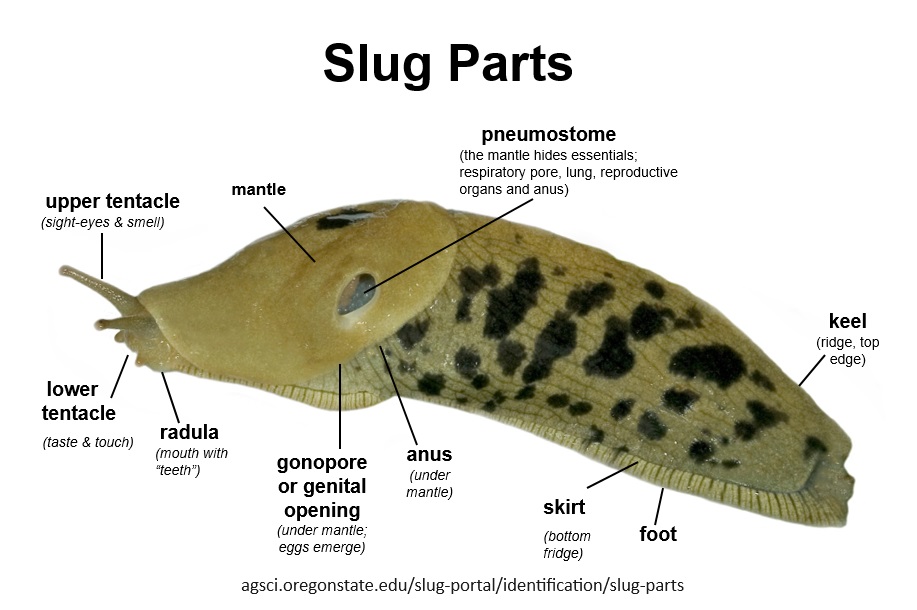
Garden Walk Scavenger Hunt (PDF)
What can you check off on the list while exploring nature?
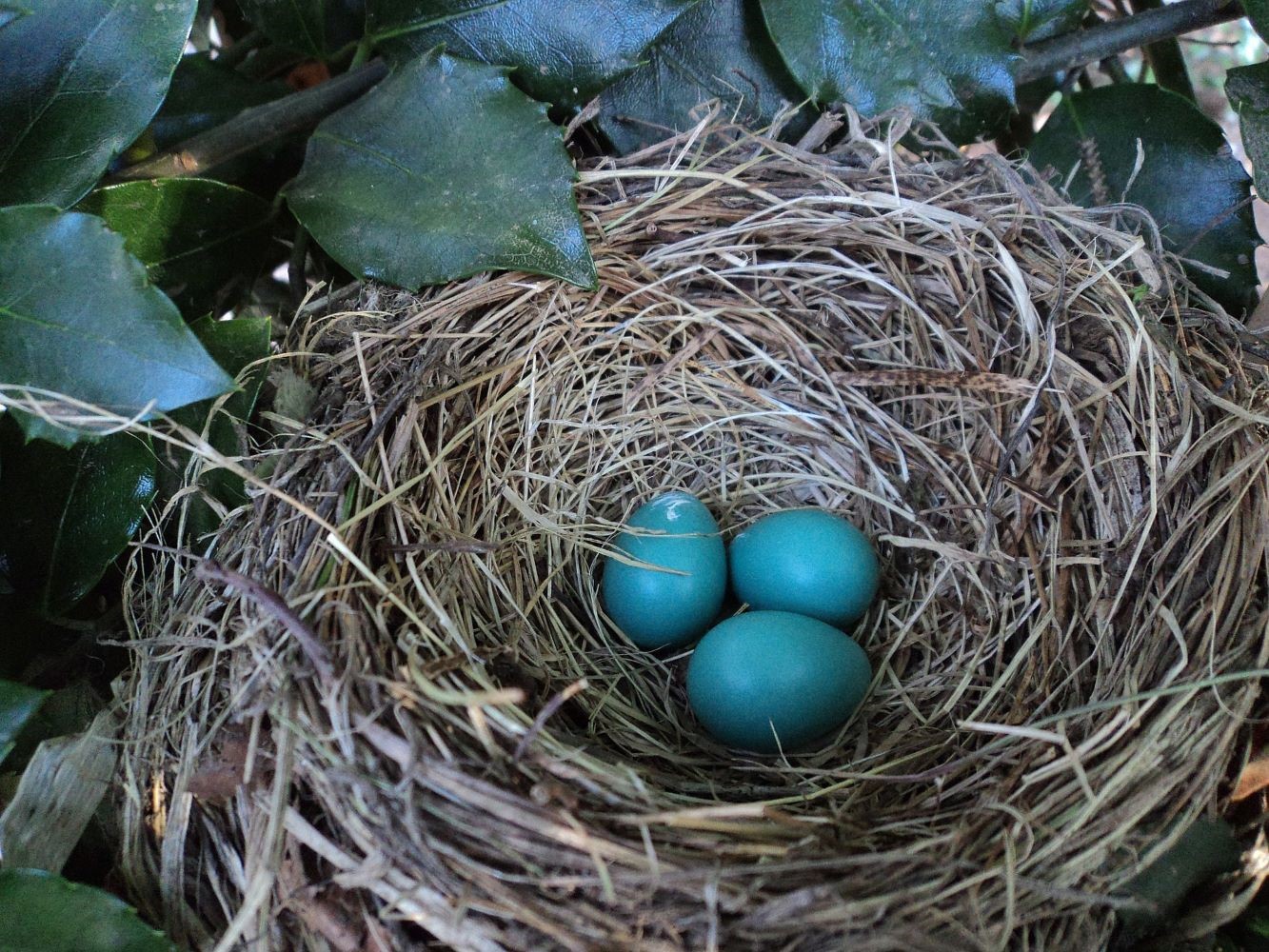
Nature Walk Scavenger Hunt (PDF)
What can you find on your nature walk?
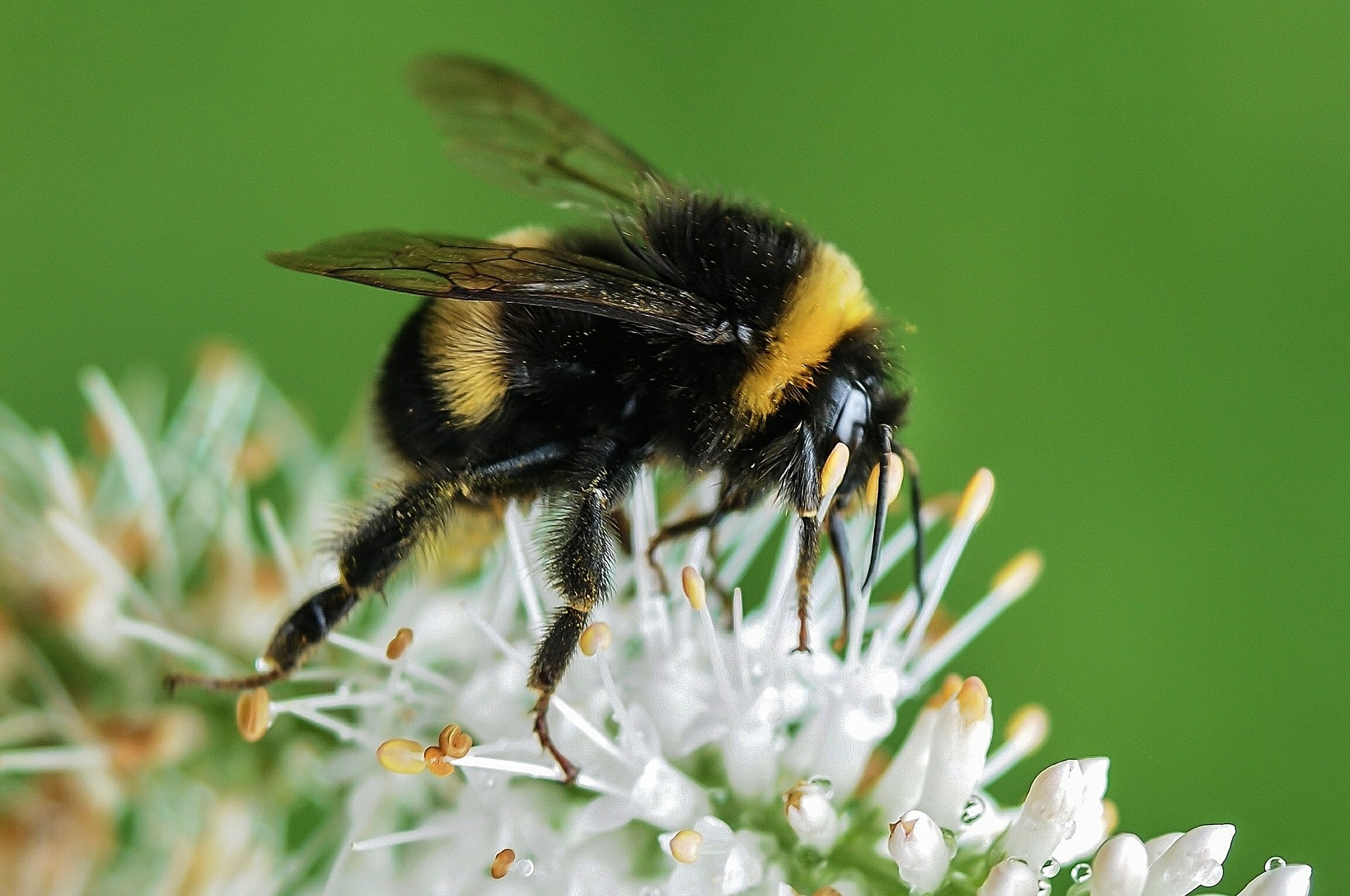
Sensory Scavenger Hunt (PDF)
How many things can you hear and how many different leaf shapes can you find?
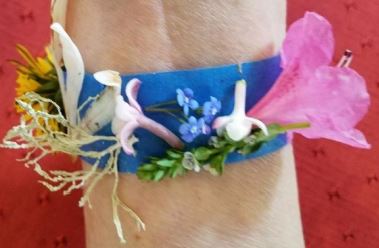
Tape Bracelets (PDF)
Make a decorative bracelet using tape and bits of nature. For ages 3+. The more the merrier. Modified activity from Life Lab.
More Complex Gardening and Nature Activities for Children and Youth
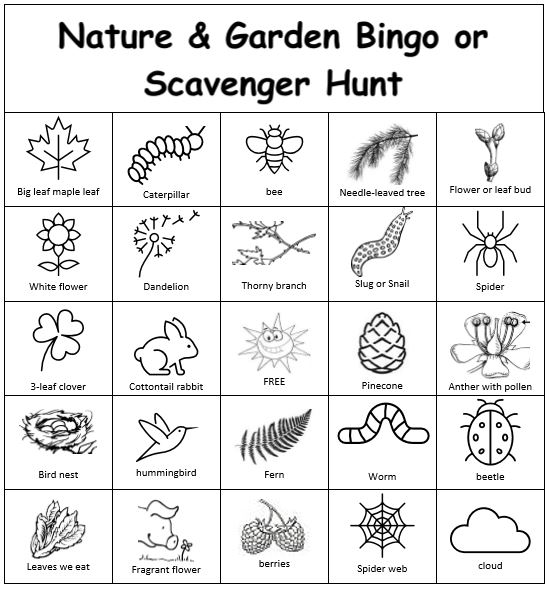
Nature and Garden Bingo or Scavenger Hunt
Play regular bingo indoors with the cards and markers OR play outdoors as a scavenger hunt. Use the cards in a competition, a race, or just a leisurely stroll through the yard, neighborhood or park. All the while, learn how fascinating nature can be.
Ideal timing: Summer.
Available pdfs include:
- Player cards
- Call cards
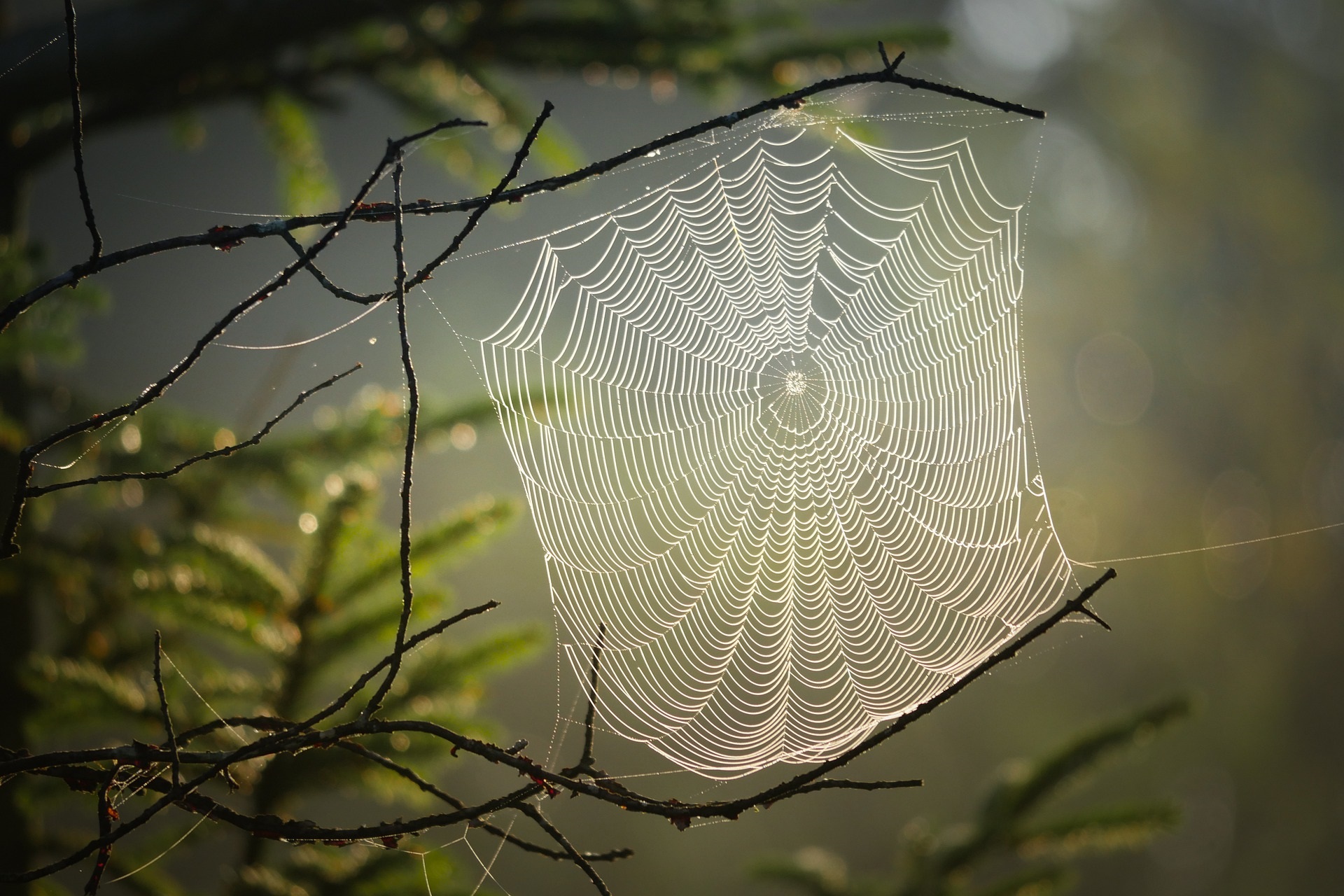
Spiders in the Garden
Review the differences between spiders and insects. Search for, carefully observe, record, and identify the western Washington spiders you find. Build your own spider web and more.
Ideal timing: August-September.
Request the entire lesson or individual activity:
- Spiders in the Garden – entire lesson
- Let’s Make a Spider Web ONLY
- This is a Spider I Found in the Garden Worksheet ONLY
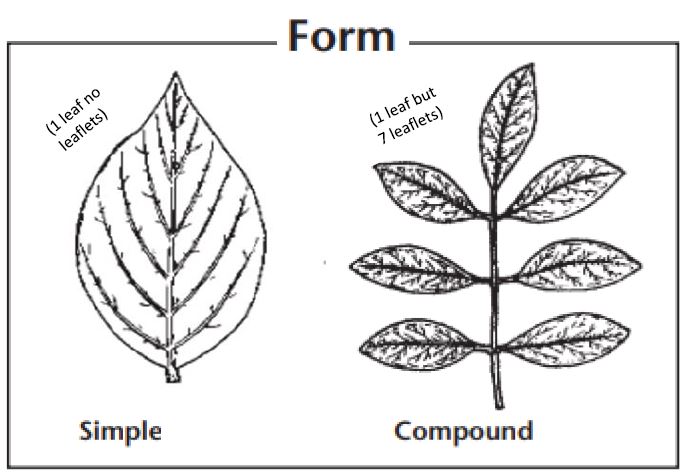
Leaf Exploration
Collect and sort a variety of interesting leaves, learn leaf identification terms, and determine which leaf fell from which tree. Then make a plant press to preserve your leaves and more.
Ideal timing: Fall.
Request the entire lesson or individual activity:
- Leaf Exploration – entire lesson
- Let’s Make a Plant Press ONLY
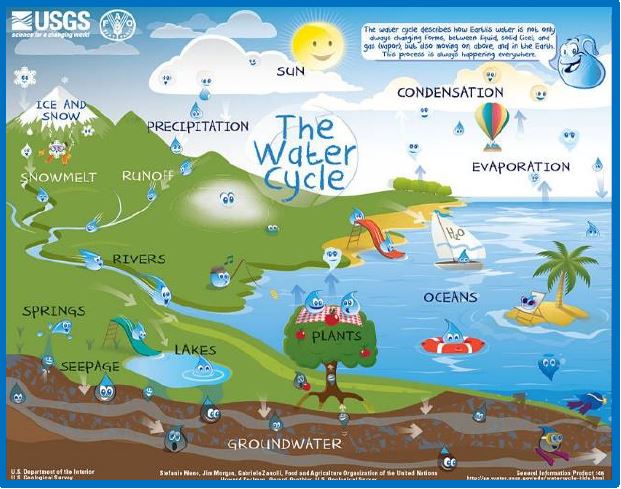
A Walk in the Rain: What Can You Discover About Water?
Using all your senses, experience and identify parts of the water cycle while learning about your watershed. Follow the rain after it falls, locate storm drains, and decide if the water in your watershed is clean.
Ideal timing: September – February
Request the entire lesson or individual activities:
- A Walk in the Rain – entire lesson
- A Walk in the Rain Checklist ONLY
- Create Your Own Water Cycle Model ONLY
- How to Make a Recycled Rain Gauge ONLY
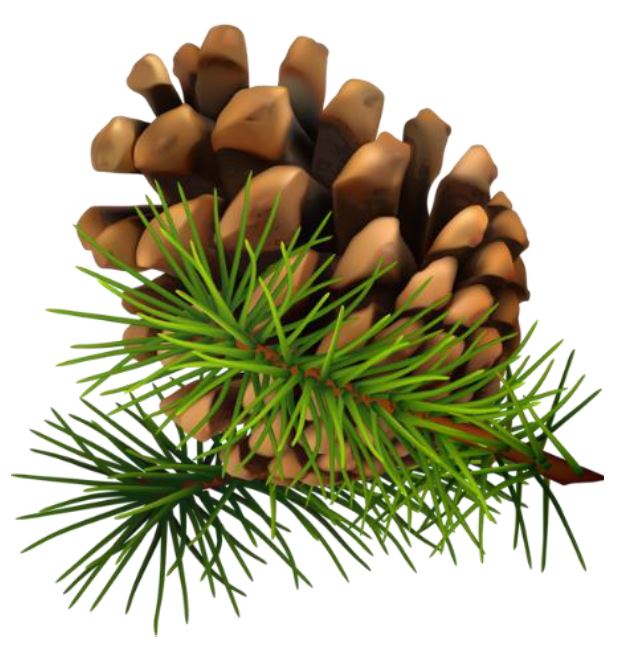
Pinecones are NOT Fruit! But They Are Prehistoric!
Using cones, learn how to identify native conifers, and the fascinating natural history of these local trees. Then search for these trees and their cones as you walk in your neighborhood, the woods or local park. Create a pinecone bird feeder, experiment on a curious cone phenomenon, and more.
Ideal timing: September – February
Request the entire lesson or individual activities:
- Pine Cones Are NOT Fruit! But They Are Prehistoric! – entire lesson
- Going On A Cone and Conifer Hunt ONLY
- Pine Cone Bird Feeder ONLY
- Experimenting with Pine Cones ONLY
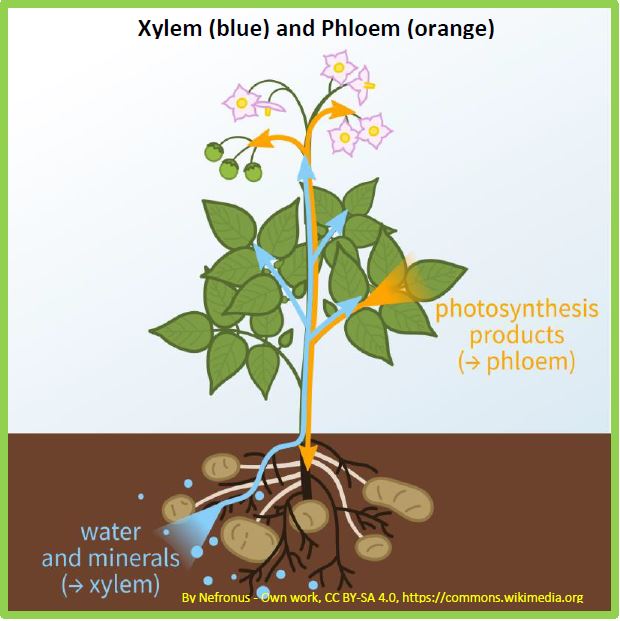
Plants Have Plumbing! The Proof is in the Twig!
Using diagrams and pictures, learn to identify twigs of local leafless trees. Then, go outside to find these trees and discover proof of their “plumbing.” Finally, create a dragon fly using twigs and other natural material.
Ideal timing: November – February
Request the entire lesson or individual activities:
- Plants Have Plumbing – entire Lesson
- Twig Critters ONLY
- Let’s Experiment with Plant Plumbing ONLY
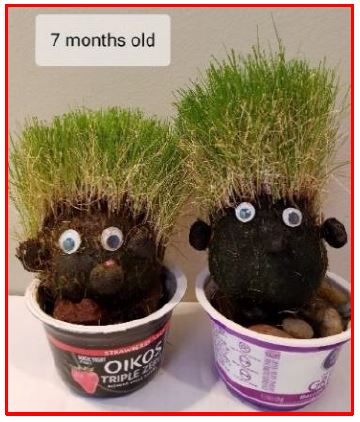
Seeds Are Promises Ready to Sprout!
Split open a seed to discover it wears a protective coat covering a tiny root, leaves, and a lunchbox of food. Plant seeds so that you can watch the root, stem and leaves emerge. Then plant a bunch of seeds to create creatures with “hair” that you can actually cut and style.
Ideal timing: For Scavenger Hunt, February; For Seed Creatures, anytime
Request entire lesson or individual activities:
- Seeds Are Promises Ready to Sprout – entire lesson
- Let’s Sprout Some Pinto Beans ONLY
- Let’s Be Creative and Make Some Seed Creatures ONLY
- Seed Scavenger Hunt ONLY
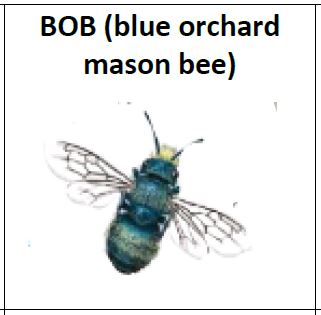
Where Would We Be Without Bees?
Differentiate bees and flies, as well as “social” bees (honeybees) and “solitary” bees (mason bees). Appreciate the important roll bees play in pollination. Get outside frequently in March and April to observe mason bees work. Then create a mason bee nesting house, and more.
Ideal timing: March
Request entire lesson or individual activities:
- The Marvelous Mason Bee – entire lesson
- Bob the Mason Bee Bingo or Scavenger Hunt ONLY
- Make a House for Bob the Mason Bee to Nest in ONLY
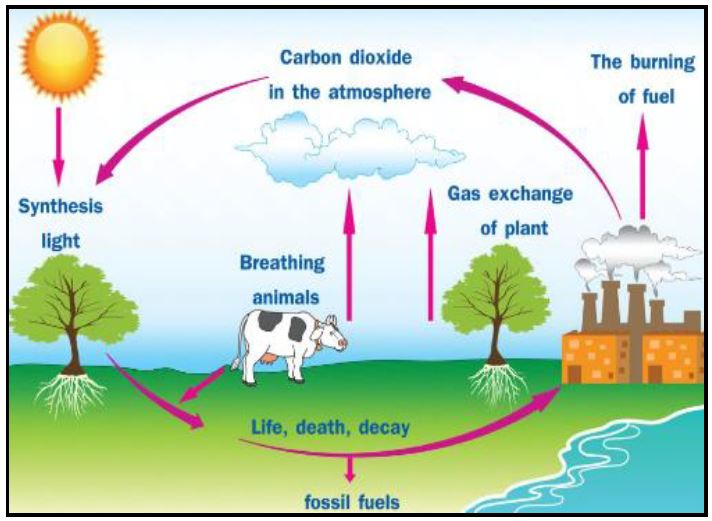
Greenhouses, Atmosphere, Carbon and Climate
Have you ever hopped into a car after it had been sitting in the Sun on a hot day? It was really warm inside, wasn’t it! The car was acting like a “greenhouse.” Learn more about
greenhouses, the atmosphere, carbon and climate.
Ideal timing: For Seed Starting, spring – summer; other activities, anytime.
Request entire lesson or individual activities:
- Greenhouses, Atmosphere, Carbon and Climate – entire lesson
- Make a Four-Layer Model of Our Atmosphere ONLY
- Let the Fun Begin and Make A Solar S’mores Oven ONLY
- Sow Some Seeds for A Better World ONLY
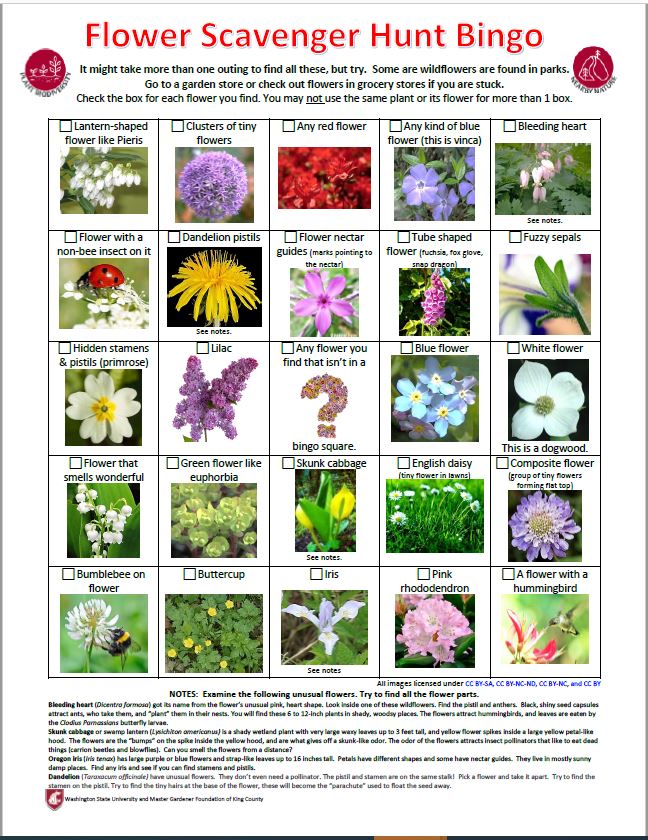
Flowers. . . The Ultimate Advertisement for A Plant and Welcome Mat for Pollinators
Would you believe that plants have the best marketing tool ever ?! Yep, and they are flowers. For the last 200 million years or so, flowering plants, called angiosperms, have been selling their products to whatever buzzed, flapped, or crawled by. They are selling pollen and nectar
to pollinators, and pollinators pay them back by doing chores-using their beak, tongue, or fuzzy bodies to move pollen around.
Ideal timing: Spring and Summer. Scavenger Hunt is best in Spring.
Request entire lesson or individual activities:
- Flowers, the Ultimate Advertisement for A Plant and Welcome Mat for Pollinators – entire lesson
- Flower Fun Activities ONLY
- Flower Scavenger Hunt and Bingo Activity ONLY
Frequently Asked Questions:
A: Yes, please contact the Master Gardener Program Coordinator in King County at king.mg@wsu.edu. Kits can be reserved for future dates. Reserved kits are usually picked up in Renton at our office.
A: You can borrow a kit for up to 3 weeks. Kits are loaned free to groups within King County.
A: Kits contain books, posters, DVDs, and supplies, plus a 3-ring binder that includes background information, teaching tips, diagrams/charts, lessons, activities and resources. Kits are kept in large 12 gallon bins.
A: Kits cover nine topics: Insects; Native Plants and Habitats; Pollinators; Roots, Shoots & Leaves; Seeds, Flowers & Fruit; Soil & Compost; Trees; and Water.