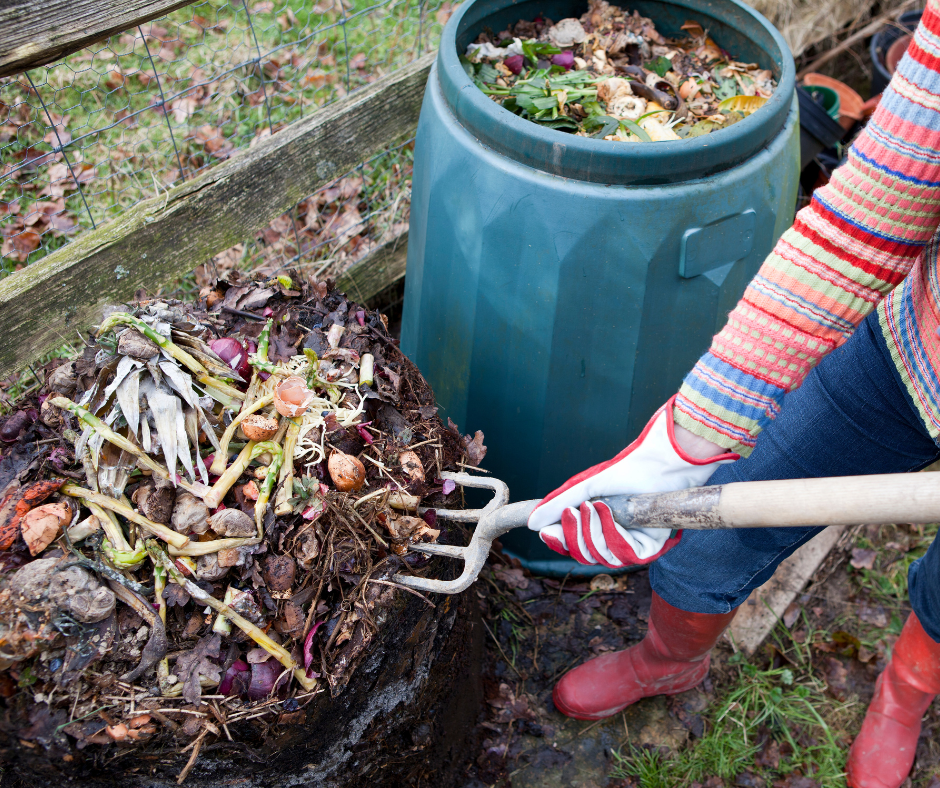
Composting is a commonplace activity not only on small farms, but in the backyards of gardeners and homeowners. Put simply, composting is the act of turning waste such as a leaves, weeds, plants, kitchen scraps or other organic matter into a rich humus than can increase soil fertility, improve soil structure for water and nutrient retention and make for healthier plants. But as participants learned in a recent Living on the Land Workshop, composting can be as simple or complex a practice as one wishes, with many variables and outcomes, depending on the person and their willingness to experiment.
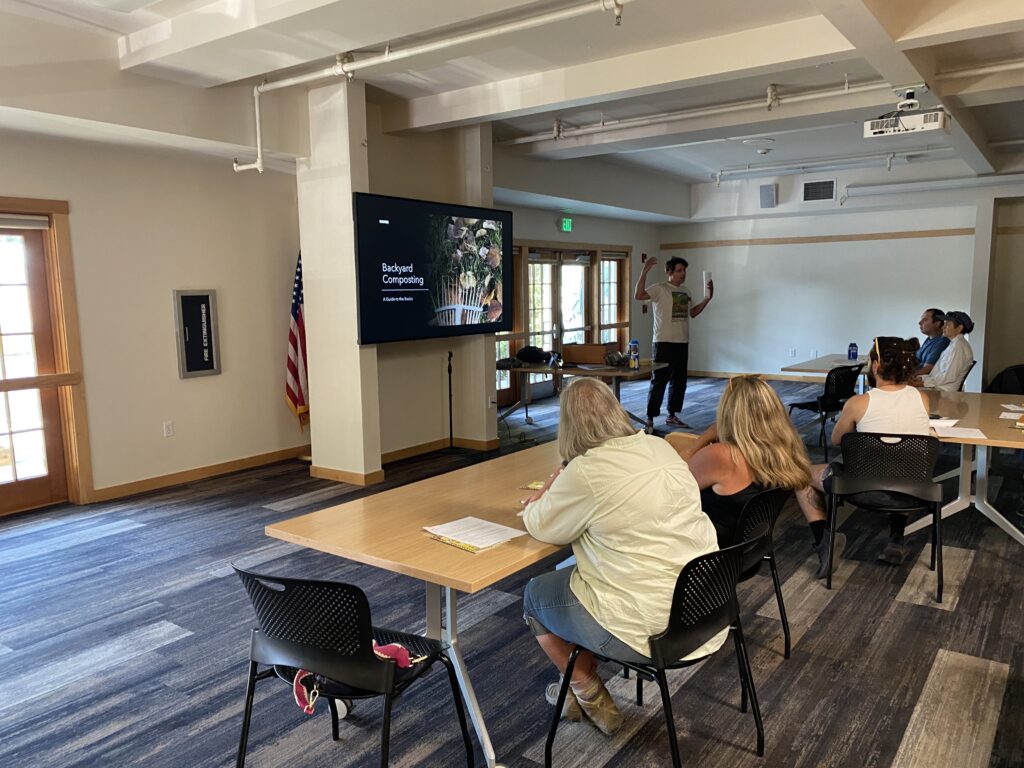
The class was taught by Benji Astrachan, WSU Clallam Extension professional and a farmer who co-owns a composting business in Port Angeles. He brought years of first-hand experience with composting to the class. The first part of the class was spent discussing the benefits of composting as well as the environmental impact of sending so many compostables to the landfill. Among the most striking figures: approximately 40% of all US trash is compostable, 40% of all US food is wasted, and food is the #1 material in landfills in the US. Focusing on some local numbers, one slide highlighted how far our trash has to travel to the landfill; in Kitsap County, it travels over 300 miles to a landfill in Oregon.
Class participants didn’t need any convincing about the positive environmental impacts of composting, but seeing these dramatic statistics helped frame the rest of the class. The focus first turned to the properties of compost. Benji passed around bowls containing various samples of soil and talking about their compositions. For example, dark compost doesn’t always equate a superior product; compost that is dark brown often means it was composted quickly and very hotly, which can harm beneficial microbes, as opposed to lighter colored compost that was composted more slowly.
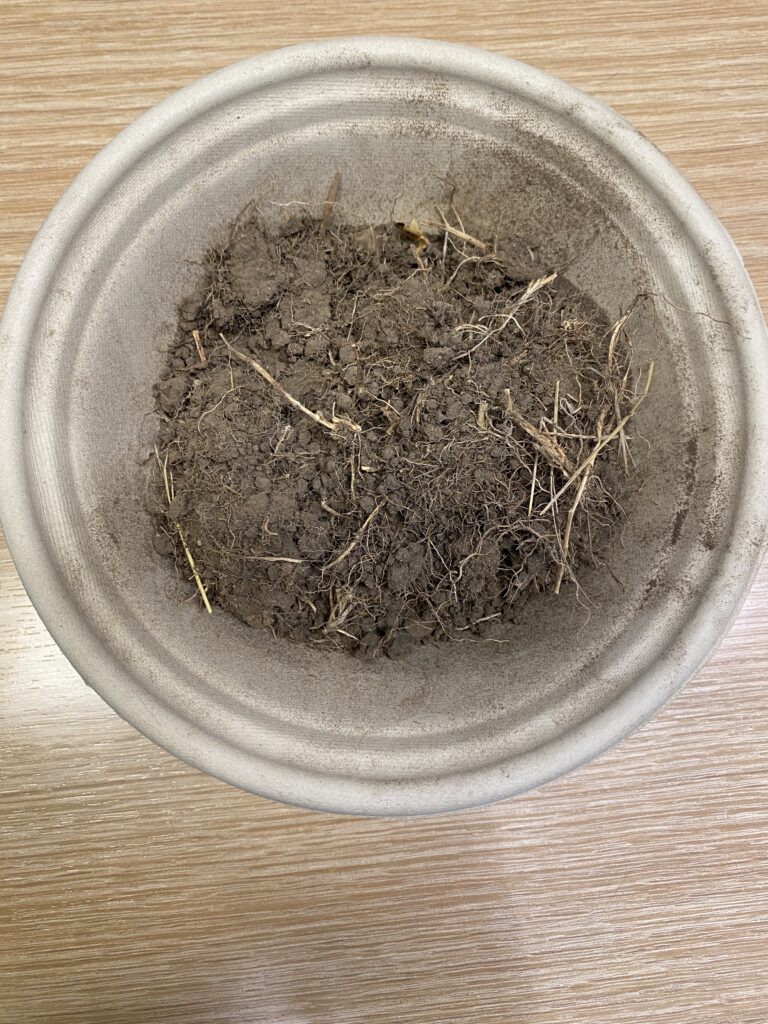
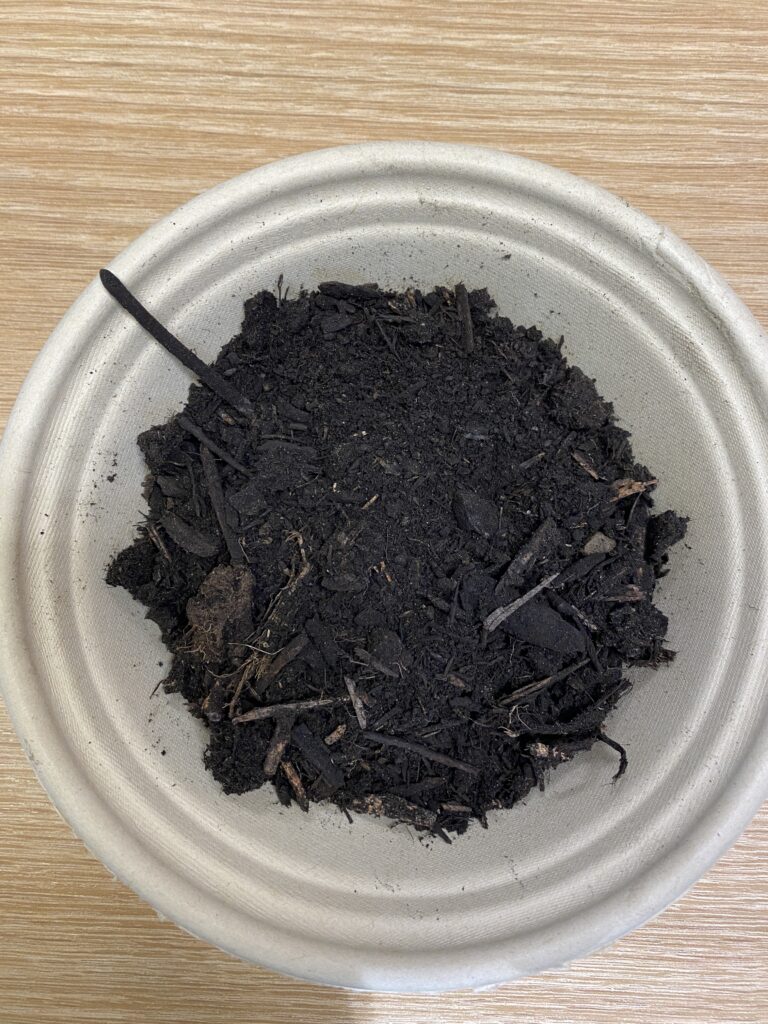
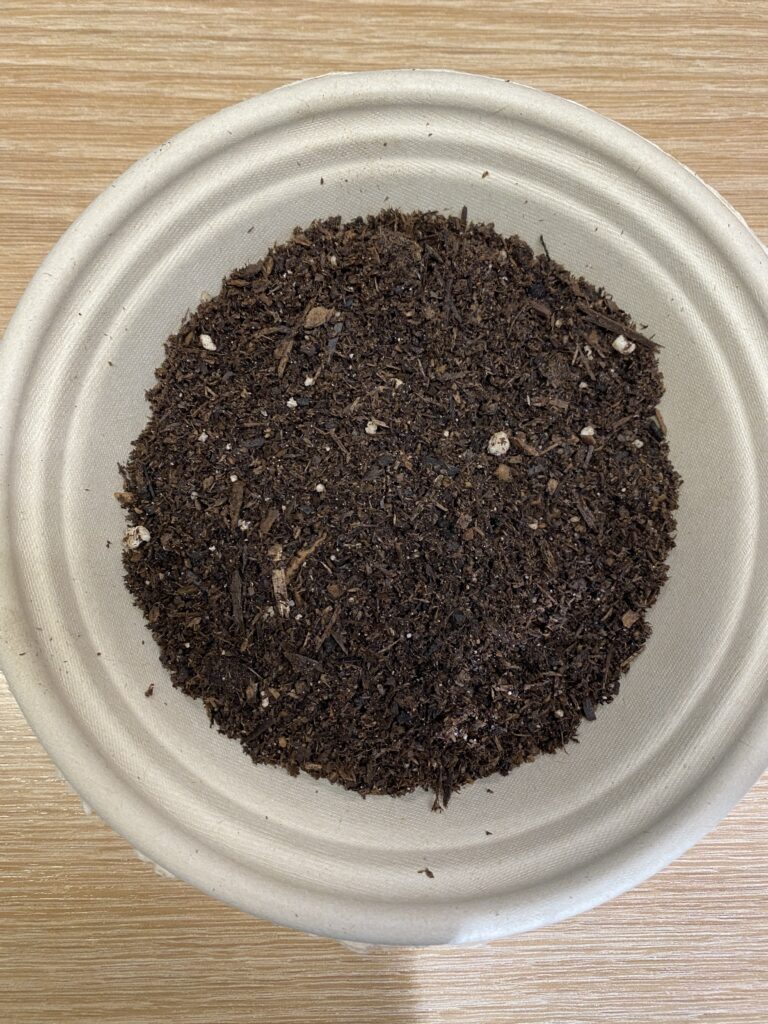
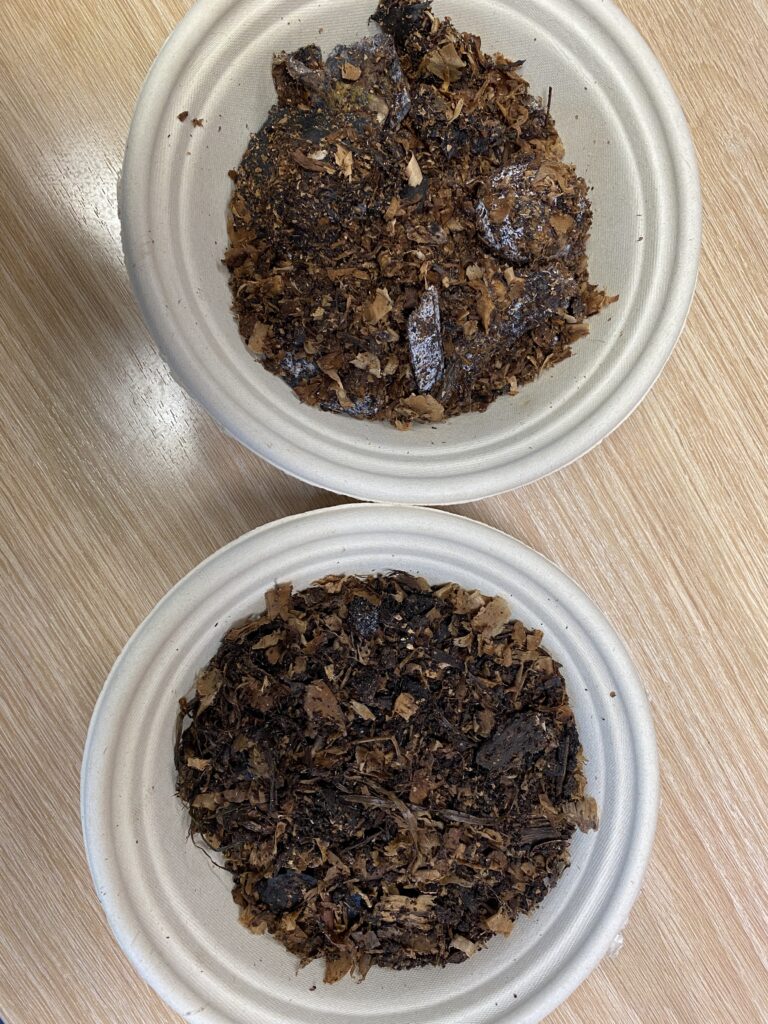
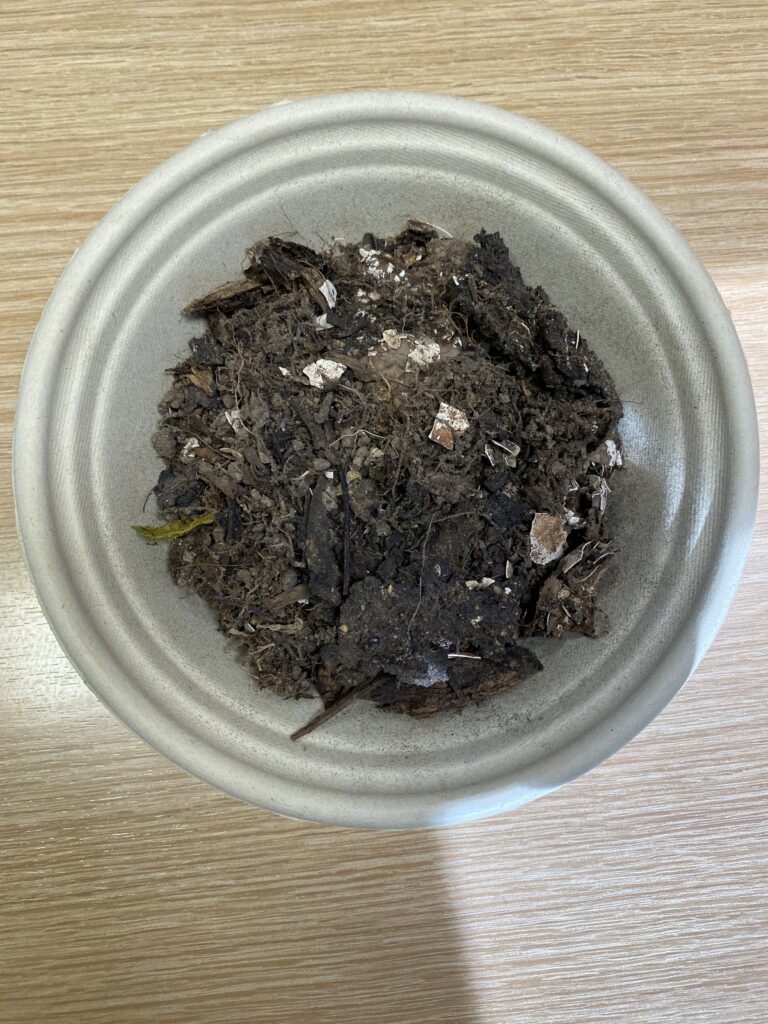
The soil samples also showed the differences between carbon heavy compost—comprised of a higher ratio of branches and other woody material—and compost comprised of more nitrogen rich material like food waste or manure. A proper carbon to nitrogen or C/N ratio is one of the key elements of composting. Carbon heavy compost will compost cooler and more slowly whereas nitrogen heavy compost will compost hotter and break down more quickly. The ideal C/N ratio is 30:1 or 30 parts carbon to 1 part nitrogen by weight. The other key elements to composting are temperature and moisture. This is where systems can become highly technical, using tools like static aeration and moisture sensors to streamline the process.
The topic then turned to different systems of composting. Some people compost with a single bin, whereas others compost with a three bin or bay system, allowing them to easily turn piles as well as have two piles in different stages of composting. There are tumbler composters as well, as an option for smaller land bases and for rodent prevention, and worm bins that can be scaled up or down depending on space constraints.
Throughout the duration of the class, participants asked questions and shared their own experiences with composting and soil health. Some people there were farmers who wanted to improve their existing systems. Some were starting out small and wanted to learn about how to compost their kitchen food waste. At the beginning of the presentation, homage was paid to George Washington Carver, a historically important Black farmer, agricultural scientist and professor and vocal proponent of practices that centered soil health. He framed soil health like this: “Whenever the soil is rich the people flourish, physically and economically. Wherever the soil is wasted the people are wasted. A poor soil produces only a poor people—poor economically, poor spiritually and intellectually, poor physically.” Words like this can easily be applied to the small farm or backyard garden and to sustainable practices like composting, helping reaffirm the importance of soil health on any scale.
To learn more about composting and soil health, see the following resources:
Dirt Talk: On Farm Composting, WSU Regional Small Farms
This 1.5 hour YouTube Webinar provides an overview of composting on a medium scale, including the science behind the process, proper ratios, management best practices to reduce pathogens and risk, including Food Safety considerations, and a discussion with a local farmer who has a passive aeration compost system.
Backyard Composting, WSU Extension
A WSU Extension publication for a backyard-sized compost pile.
Soil Building- Manures & Compost, USDA
See the 90-120-Day Rule for guidance on the time between application of spreading manure and harvest date of crops. This rule is for raw or uncomposted manure specifically on organic farms. Some farmers follow this guidance even with fully composted material, for peace of mind when it comes to food safety and minimizing risk of pathogens.
Safe and Successful Composting Under FSMA, Michigan State University Extension Produce Safety
This 9 minute YouTube video explains how to compost under the Food Safety Modernization Act, the goal being to demonstrate safe composting and avoiding cross contamination when dealing with material of animal origin.
Cheap and Easy Worm Bin, WSU Extension
A simple guide to creating a low-cost worm bin, with a photographic tutorial.
George Washington Carver: A National Agricultural Library Digital Exhibit, USDA National Agricultural Library
Contains the quote cited in the post as well as information about Carver’s impact on agricultural science and practices.
Figures cited during the class:
National Overview: Facts and Figures on Materials, Wastes and Recycling, EPA
Contains data about how much waste in the United States is compostable and what percentage of all material sent to the landfill is food.
Food Waste FAQs, USDA
Contains data about food waste in the United States, with estimates that 30-40% of the food supply is wasted.
If you’d like to stay up-to-date on the latest Living on the Land Workshops, check the homepage and sign up for the Regional Small Farms Newsletter, which sends out a monthly digest of local events and information relevant to farmers as well as emails about upcoming educational opportunities.
WSU Extension programs and employment are available to all without discrimination. Evidence of noncompliance may be reported through your local WSU Extension office.