Livestock Market Animal Auction Family Guide
Key Dates & Timeline
Staying on top of deadlines is one of the most important things your family can do to ensure a smooth auction experience. Missing a deadline can result in your animal being disqualified from the sale. Here is a complete timeline for 2026.
Market Animal Ownership Deadlines
| Date | Deadline / Event |
|---|---|
| 120 Days Before Fair (April 15, 2026) | Beef projects must be in the member’s care and ownership |
| 60 Days Before Fair (June 14, 2026) | Swine, Lamb, and Goat projects must be in the member’s care and ownership |
| 45 Days Before Fair (June 29, 2026) | Poulty and Rabbit projects must be in the member’s care and ownwership |
Market Deadlines
| Date | Deadline / Event | Who |
|---|---|---|
| May 30, 2026 | Early Weigh-In — Beef, Swine, Lamb, Meat Goat highly encouraged. Bring Intent to Sell & Memorandum or submit before July 1. | Large Animal Exhibitors |
| July 1, 2026 | Intent to Sell & Memorandum deadline — Large animal (if not submitted at early weigh-in). Must be postmarked or submitted by this date. | Large Animal Exhibitors |
| July 15, 2026 | Intent to Sell & Memorandum deadline — Small animal | Poultry and Rabbit Exhibitors |
| August 12, 2026 | Final Weigh-In (Wednesday before fair). Bring Producer Affidavit & all health records. Market Animal Declaration is FINAL. | Large Animal Exhibitors |
| August 13-16, 2026 | San Juan County Fair | All Exhibitors |
| August 15, 2026 | Livestock Market Animal Auction – 1:00 p.m. Sellers MUST be present | All sellers |
Important: No Proxies at Weigh-In or Auction
Sellers must be personally present at both the early weigh-in and the final weigh-in. NO PROXIES are allowed without prior written approval from the LMAAC Chairs. Sellers must also be present to bring their animal into the auction ring on auction day.
Quick Check In
New to the auction or feeling overwhelmed? Before continuing, we recommend visiting the First‑Time Families page for a simpler, big‑picture overview to help you get started.
Eligibility & Ownership Requirements
To participate in the auction, every exhibitor must meet the following eligibility requirements. These are non-negotiable — the Sifting Committee reviews all animals and reserves the right to disqualify exhibitors for cause.
Exhibitor Eligibility
- Must be an enrolled 4-H member of San Juan County 4-H.
- Must be actively caring for the animal as a 4-H project.
- Must follow all rules of 4-H, the San Juan County Fair, and the LMAAC.
- Only market stock in official 4-H projects is eligible for auction.
How Many Animals May I Auction?
Each exhibitor may enter:
- One large animal (Market Beef, Market Swine, Market Lamb, or Meat Goat), OR
- One or two small animal exhibits (any combination from: trio of layer pullets/ducks, broilers, turkey, pheasants, dozen eggs, or meat pen of 3 rabbits).
- One large animal AND one small animal exhibit.
To qualify for two entries
The exhibitor must satisfy club requirements for each animal separately.
Important for Rabbit & Poultry Families
Rabbit and poultry market projects may involve the youth exhibitor personally slaughtering, processing, and wrapping the animal at the buyer’s request. Families should discuss comfort level, facilities, and timing early in the project year and contact the LMAAC with questions before submitting an Intent to Sell. Support and guidance are available—families are encouraged to talk with their club leader or LMAAC early.
Ribbon Requirements
Only animals receiving a Grand Blue, Reserve Blue, Blue, or Red Danish ribbon at judging are eligible for the auction. White ribbon animals or projects are not allowed in the auction but may be sold by private treaty.
Weight Standards by Species
All animals must meet minimum weight requirements to be eligible for auction. Animals below minimum weight at final weigh-in will be automatically entered into a feeder class. Animals above the maximum will be sold at the maximum class weight, not their actual weight — the exception is Market Beef, which has no maximum and is always sold at actual weight. If you feel that you are close to minimum or maximum weights, contact your species superintendent early.
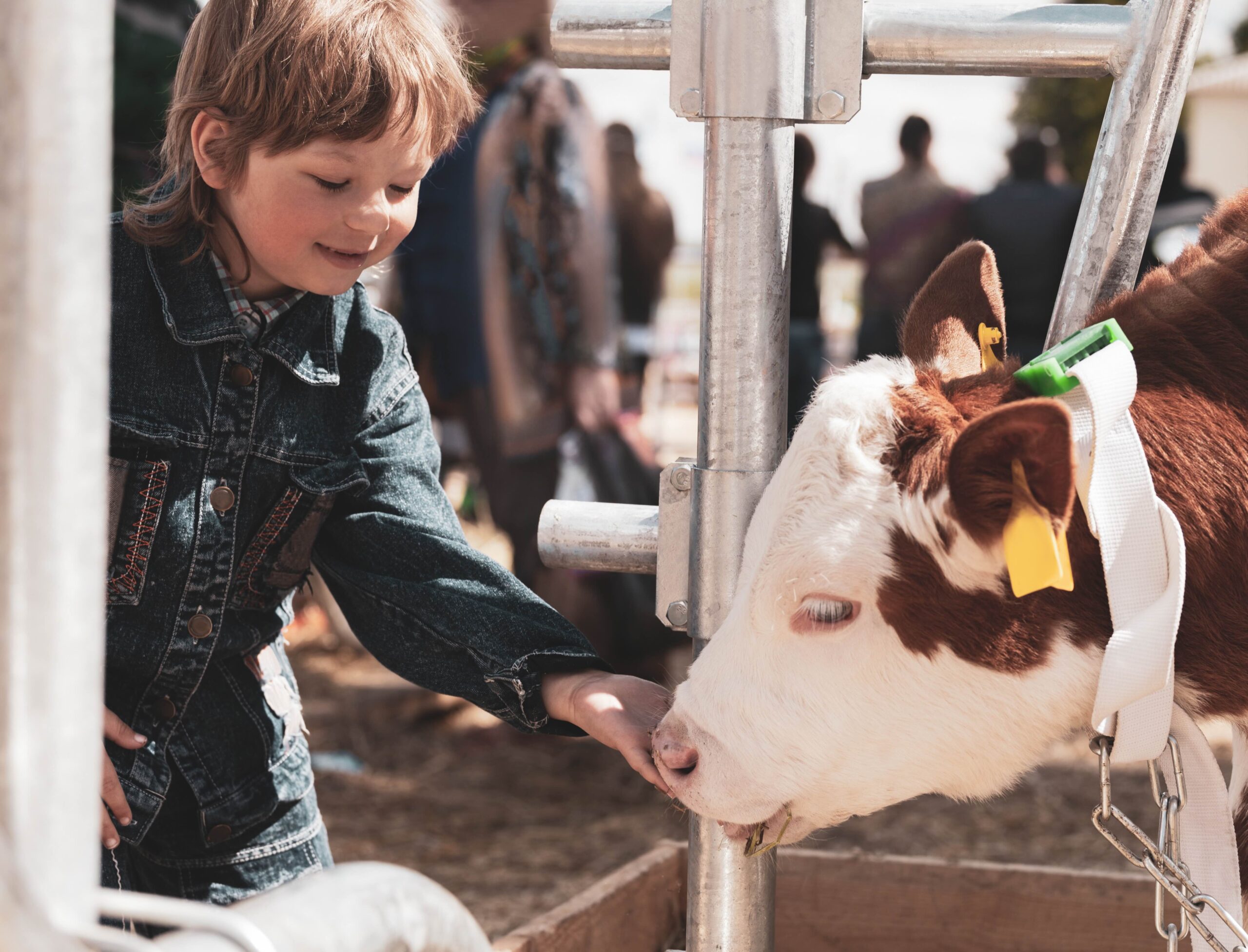
Market Beef
Maximum weight: None
Heifers or steers; steers ideally under 24 months
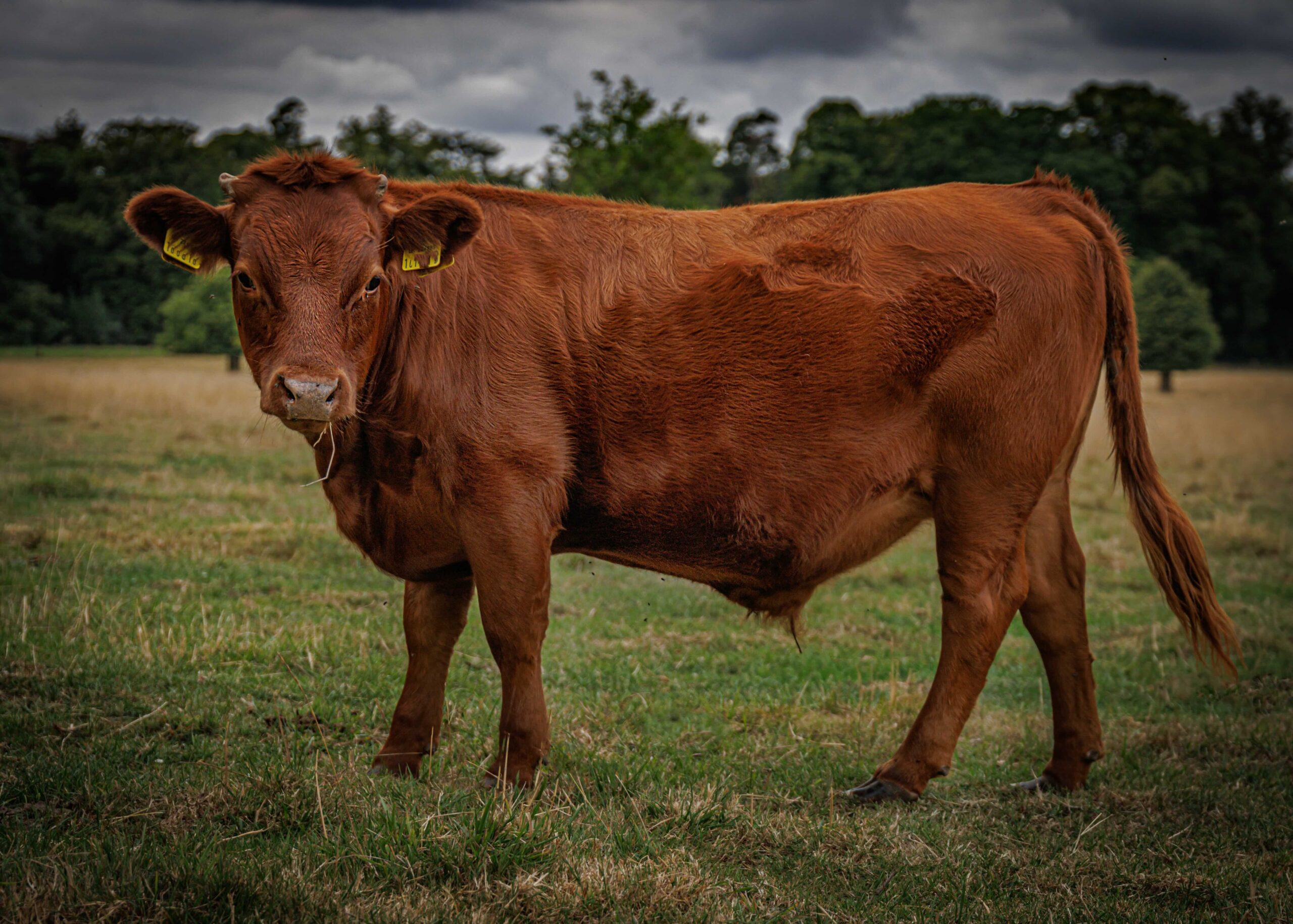
Alternative Market Beef
Maximum weight: 1,000 lbs
Dexter, Lowline Angus or other small breed; 18-30 months
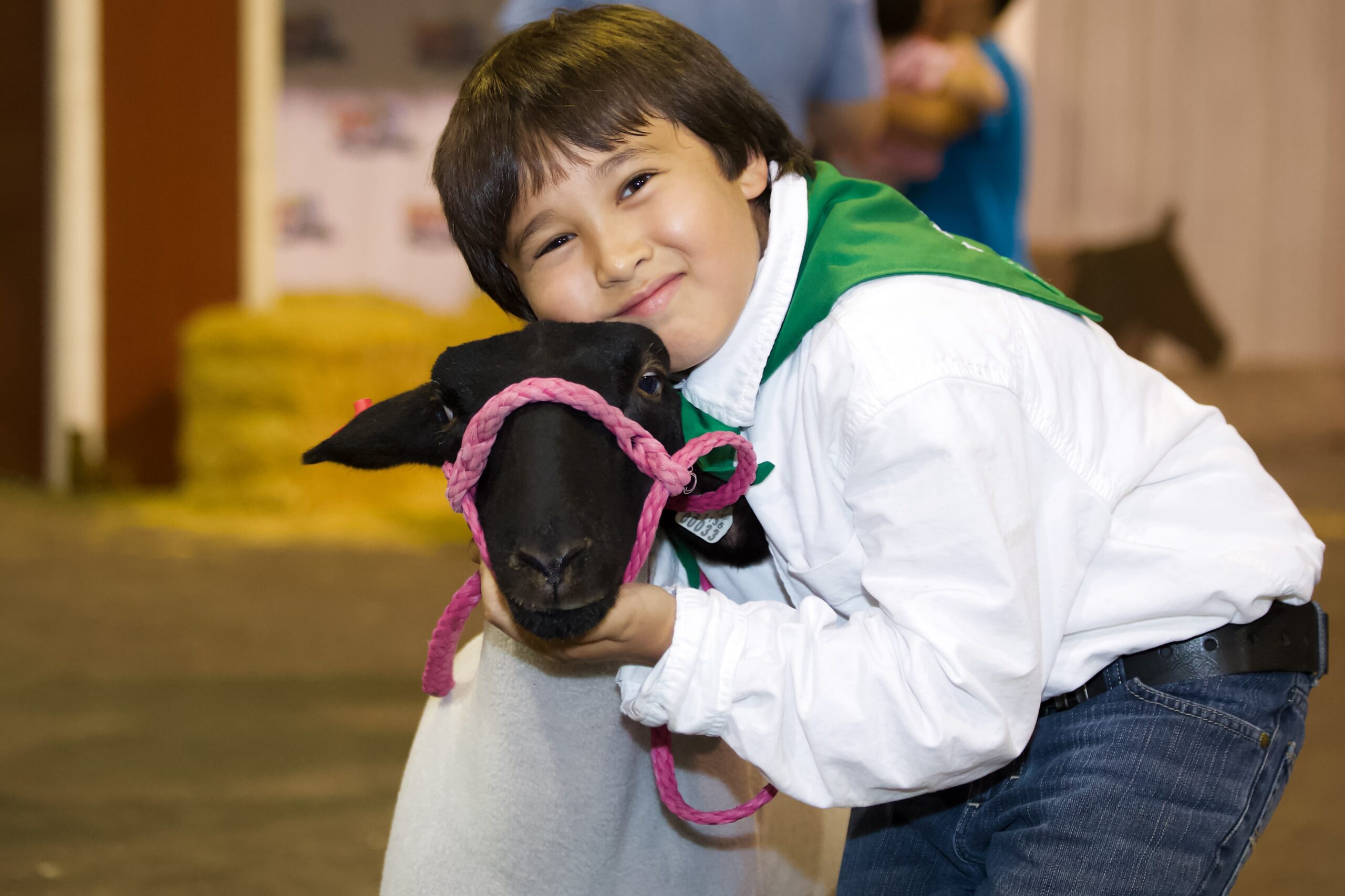
Market Lamb
Maximum weight: 160 lbs
Ewes or wethers; born Dec 1 or later; no permanent teeth; slick shorn 7 days prior or wool under 1/4″
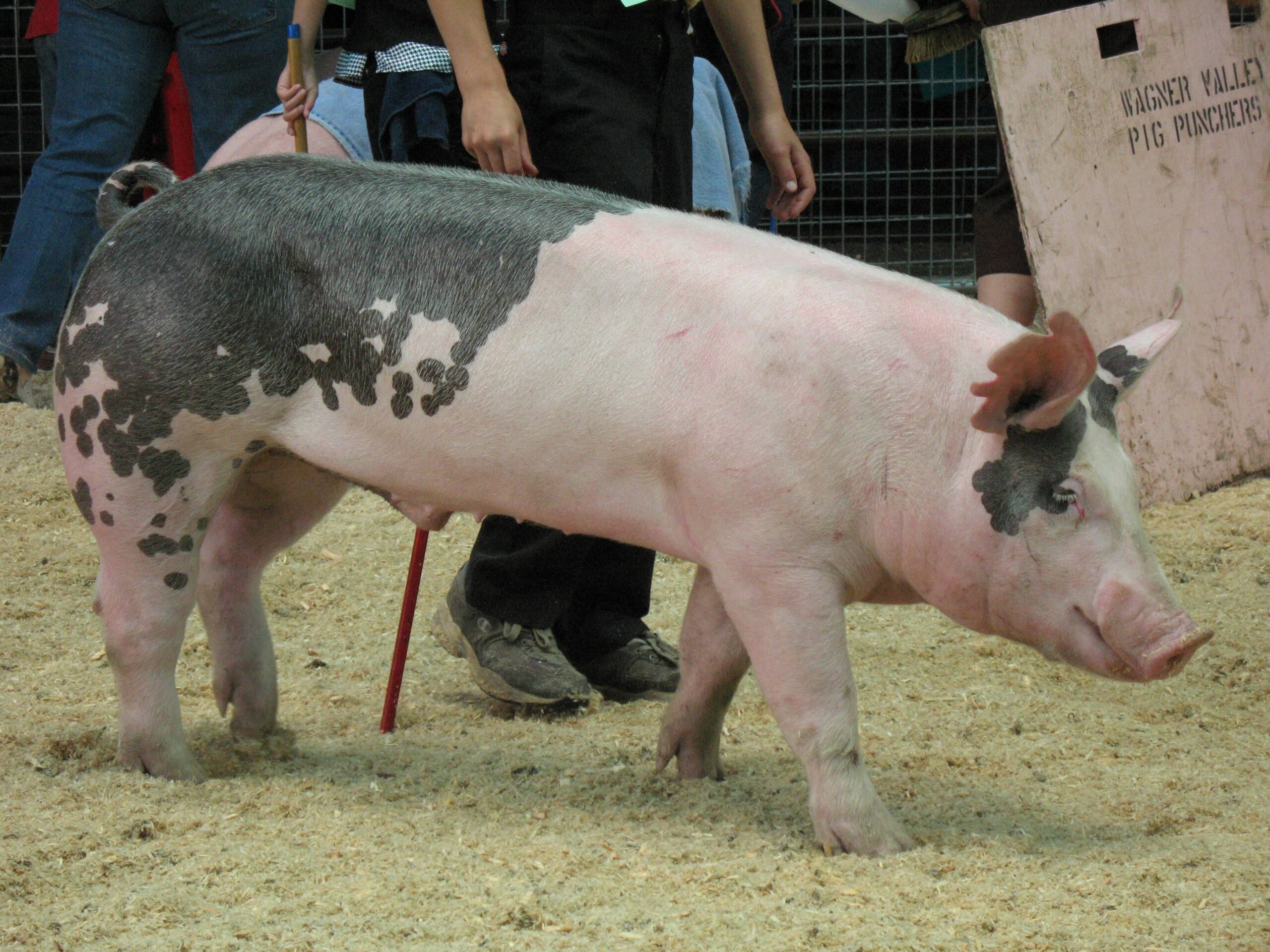
Market Swine
Maximum weight: 300 lbs
Gilts or barrows; born Jan 1 or later of fair year
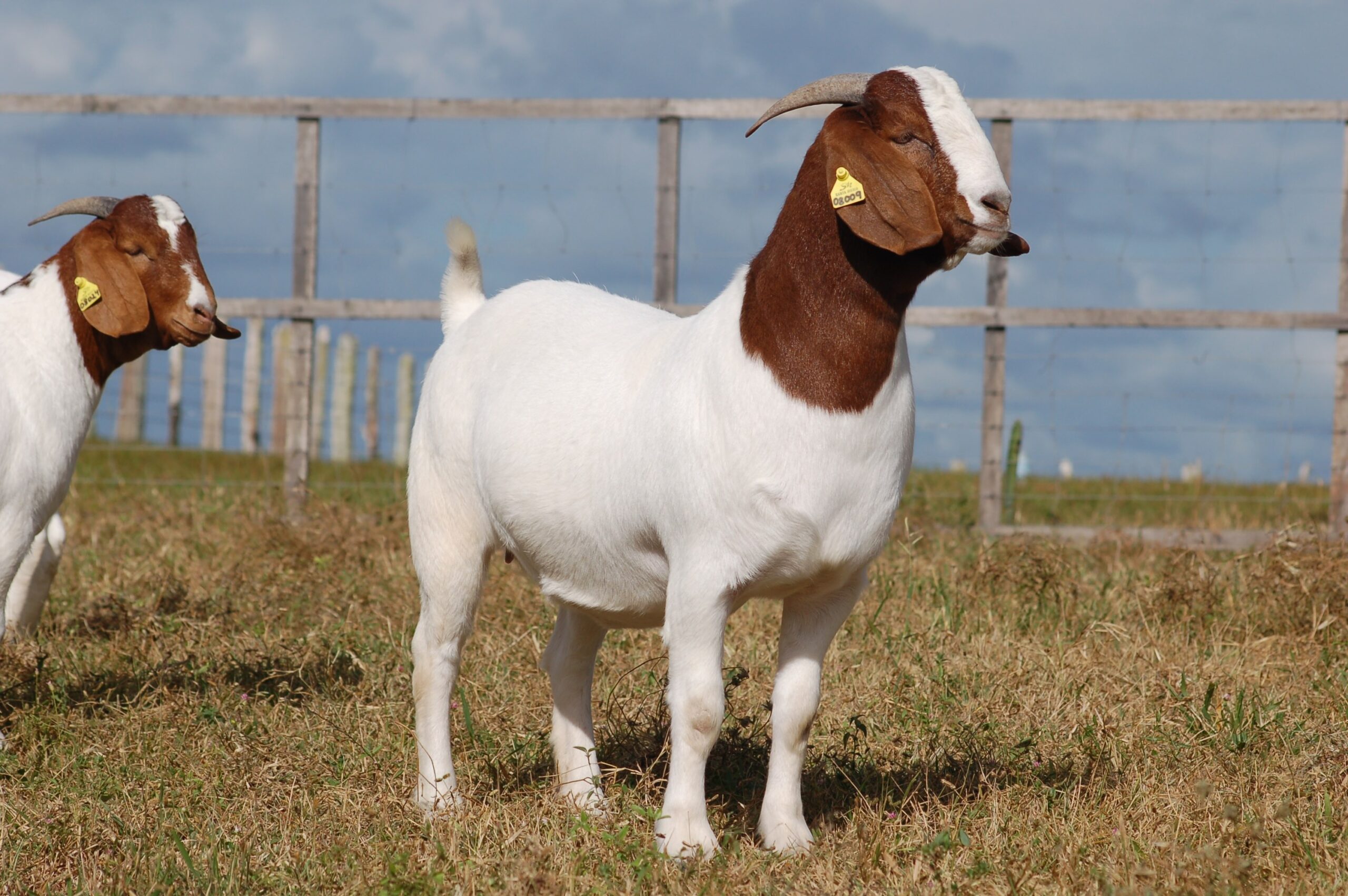
Market Goat
Maximum weight: 120 lbs
Wethers or does; born Dec 1 or later; no permanent teeth; at least 50% recognized meat breed
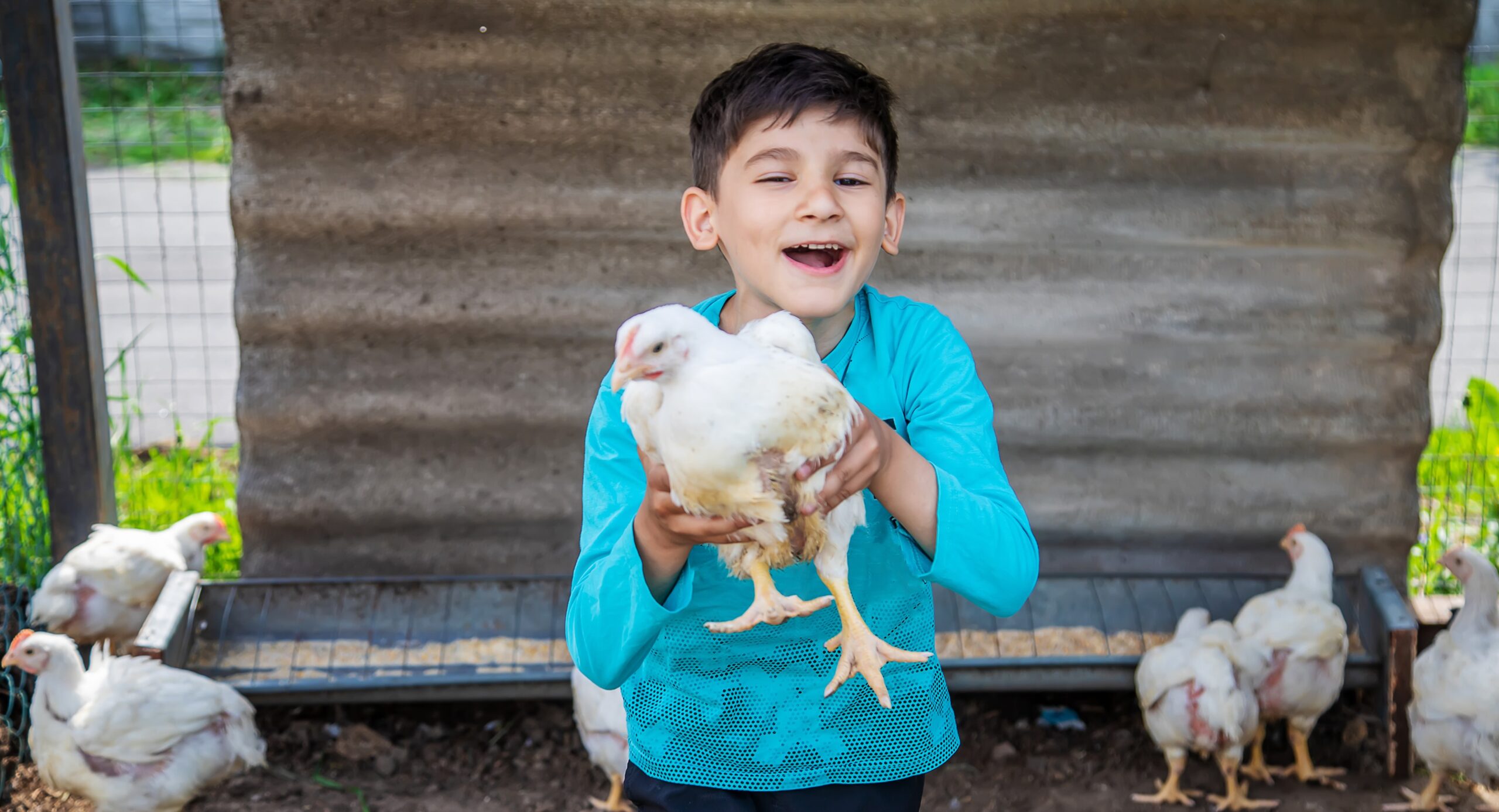
Broiler Chickens
Maximum weight: None
Max 9 weeks of age; sold as trio of same breed
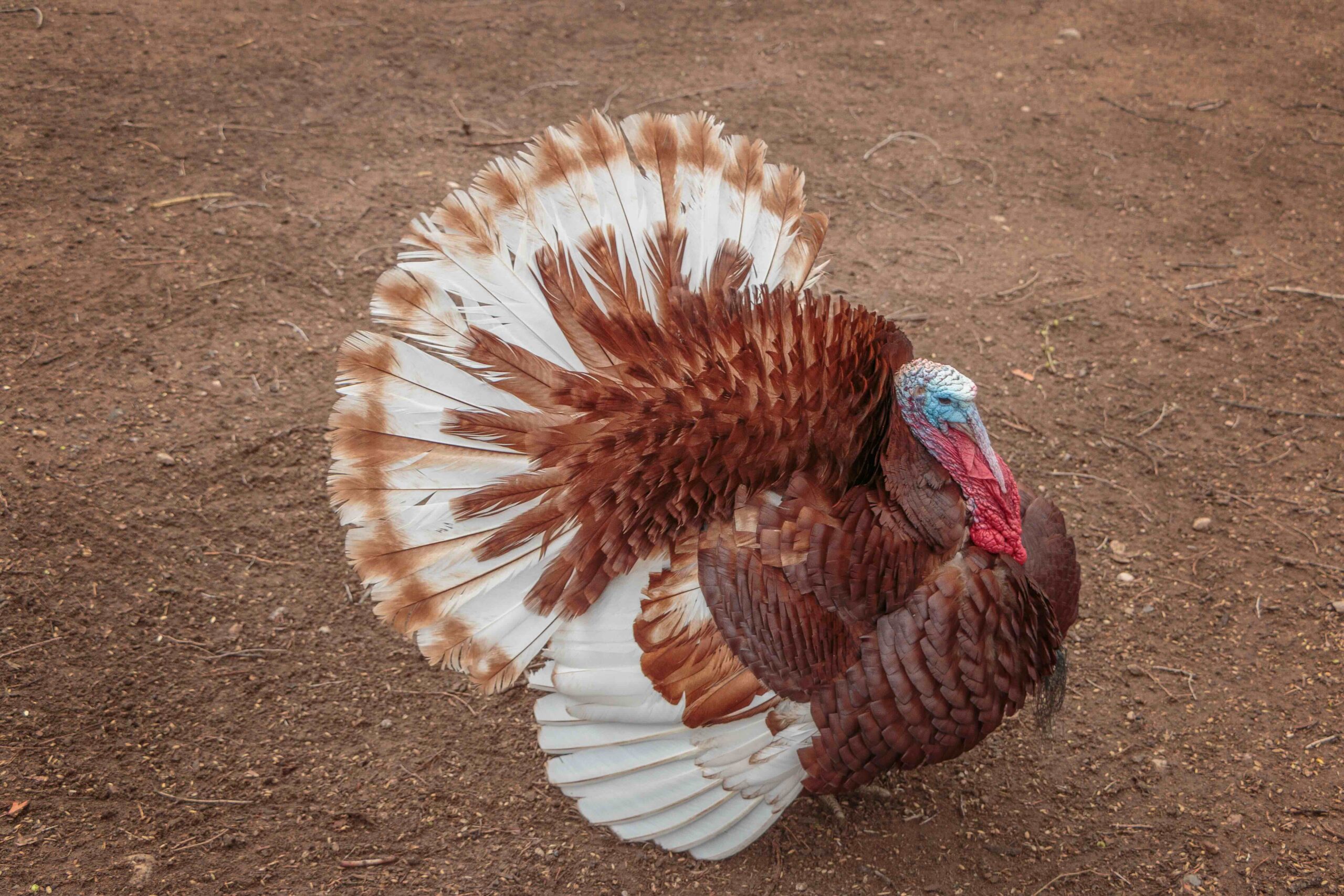
Turkey
Maximum weight: 30 lbs
Max 24 weeks of age; sold as single bird
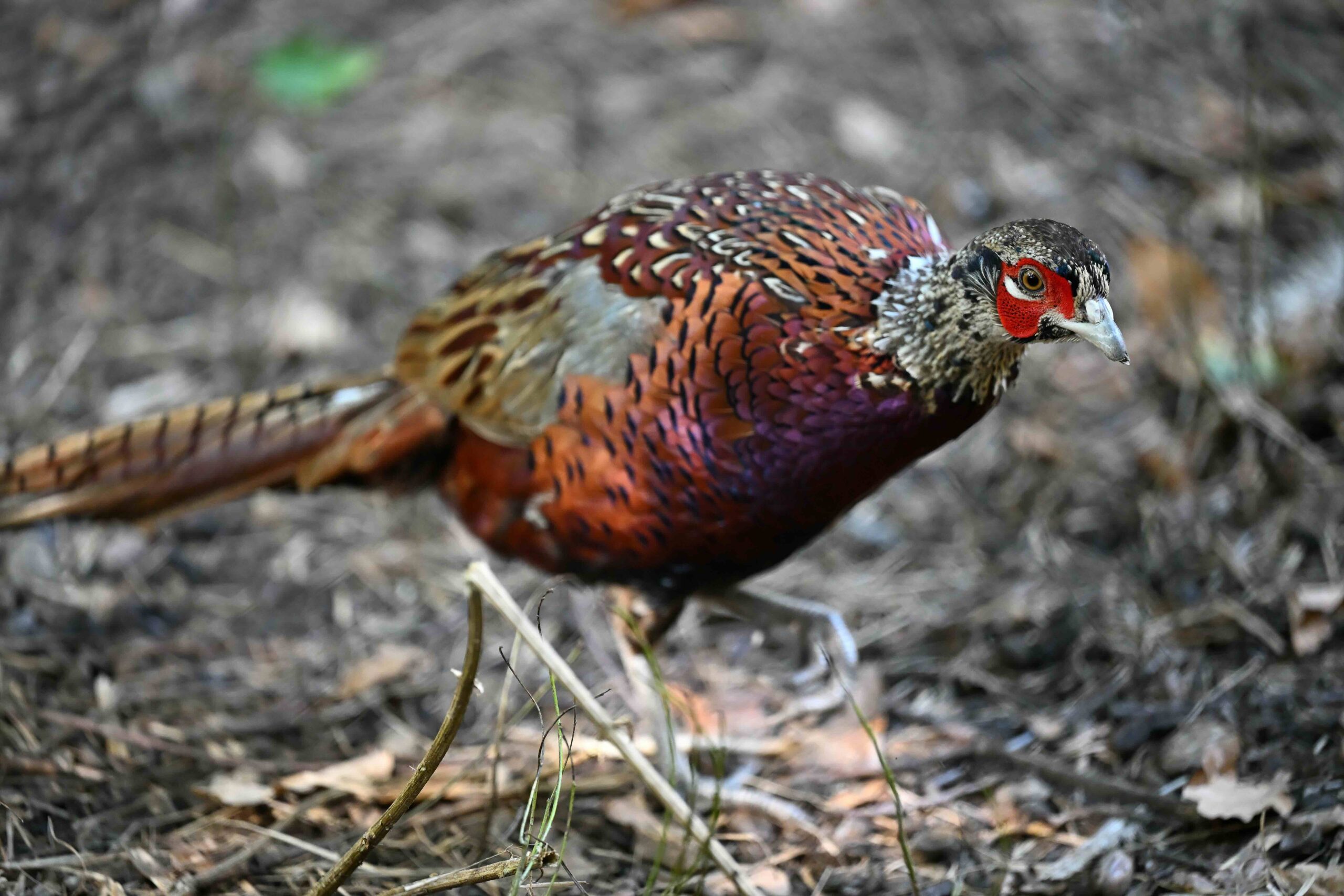
Pheasants
Maximum weight: 3 lbs
Max 18 weeks of age; sold as trio of same breed
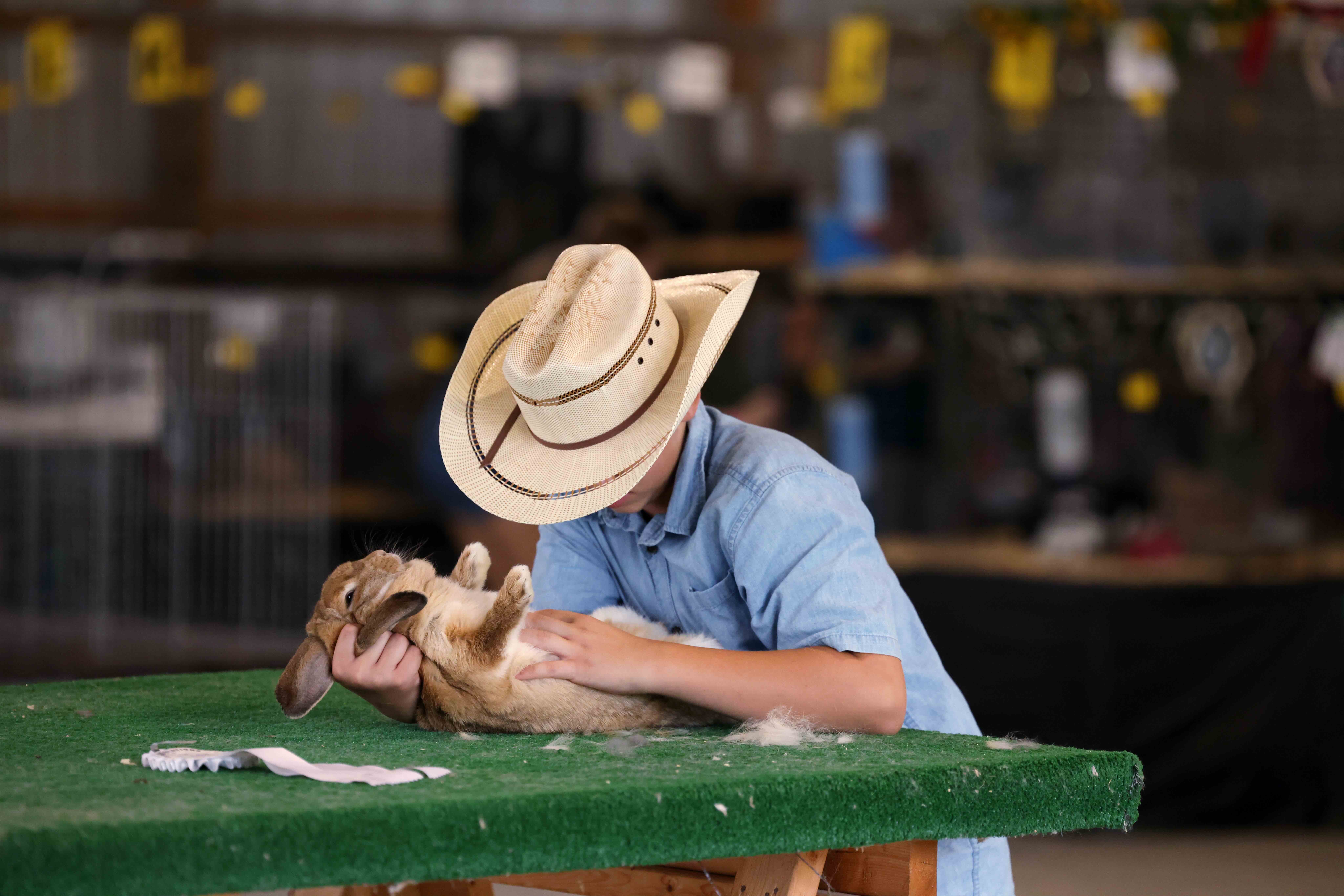
Market Rabbits
Maximum weight: 5.5 lbs
Max 10 weeks of age; sold as trio of same breed
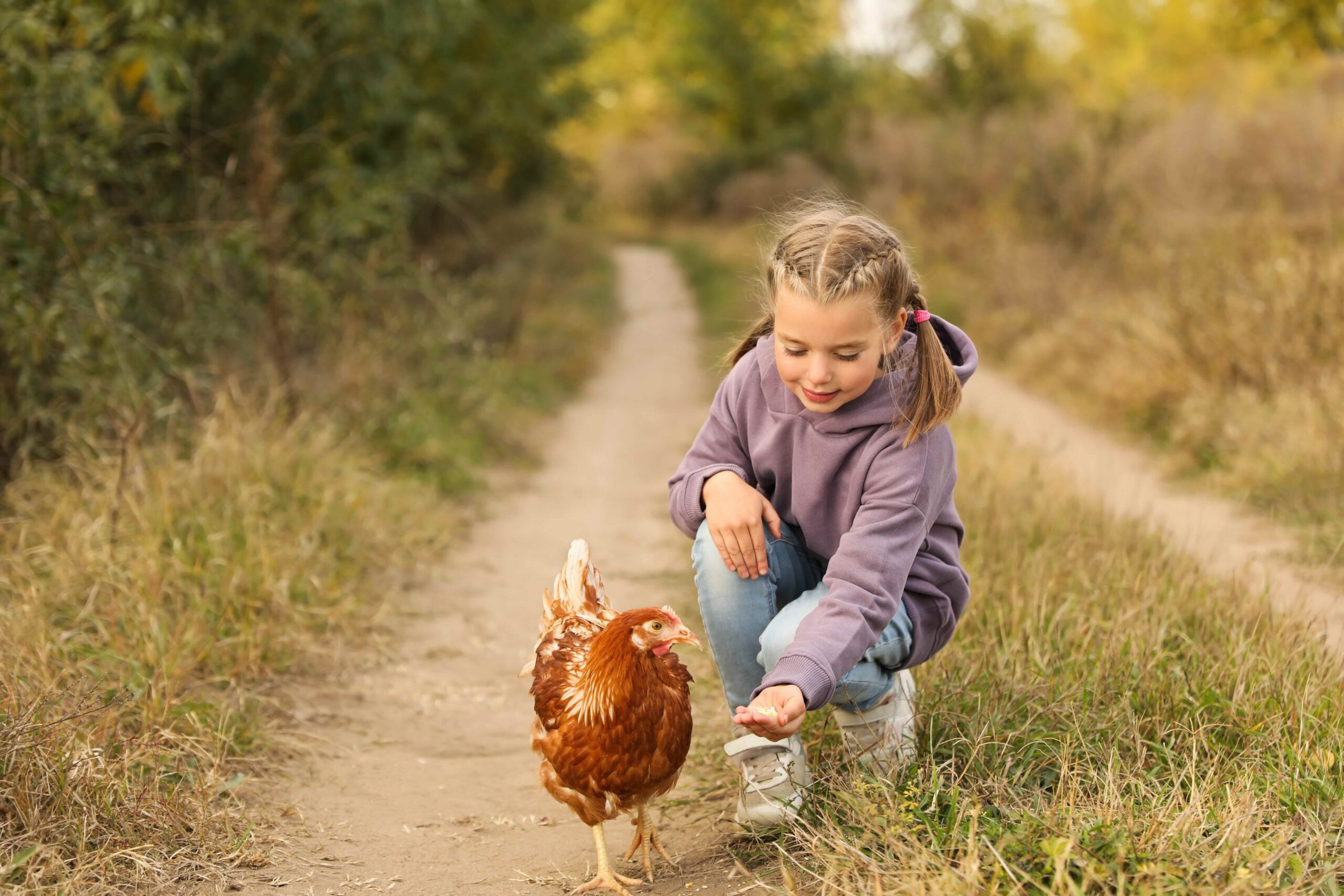
Pullet Layers
Maximum weight: N/A
4-7 months of age; sold as trio of same breed large fowl
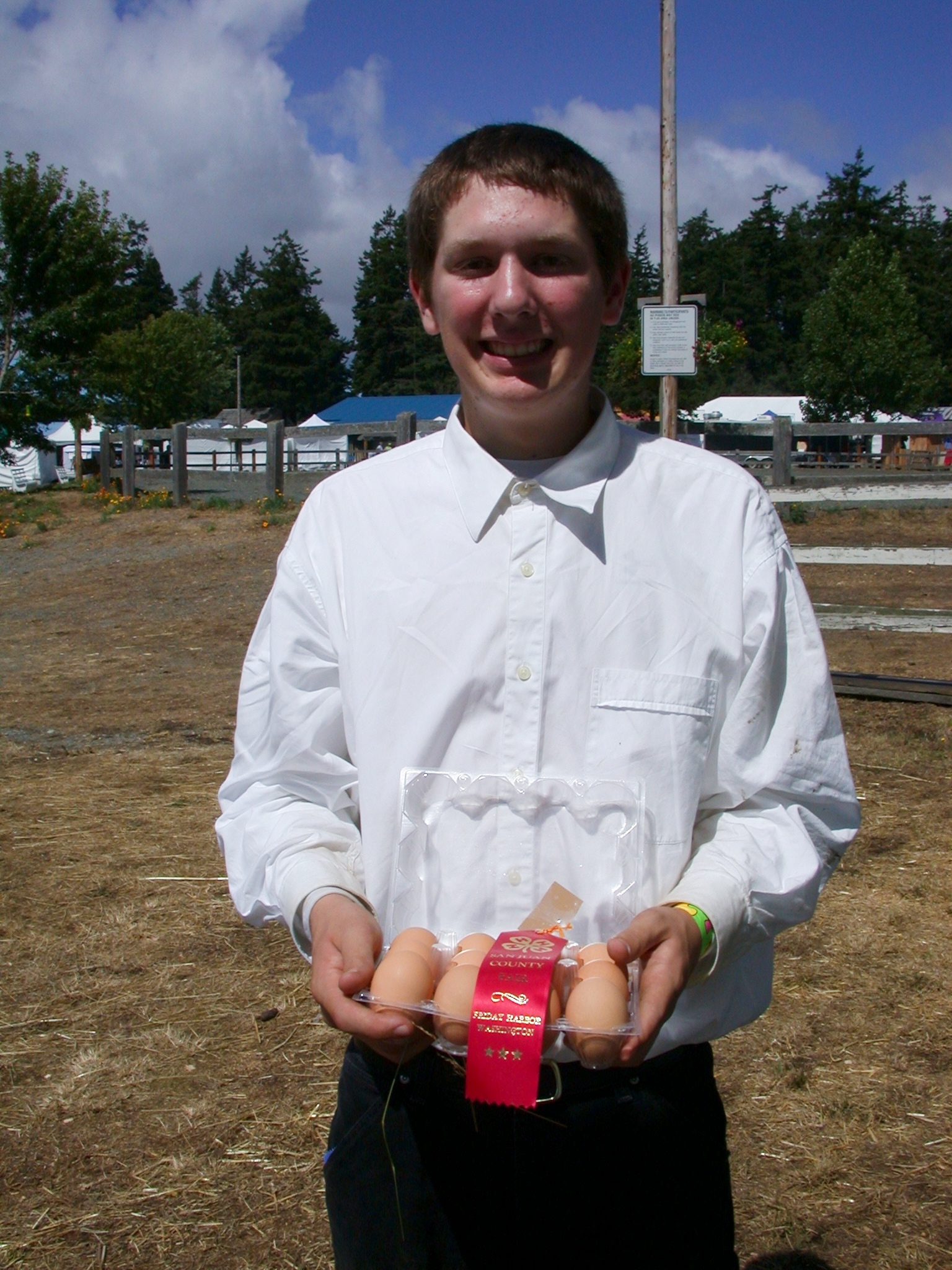
Dozen Farm Fresh Eggs
Youth will provide a fresh dozen to buyer

Alternative Market Poultry
Required Forms & Deadlines
No animal will be sold at auction without all required forms completed and submitted on time. Every form must be signed by the appropriate parties. The table below lists every form, its deadline, and a direct link to the form.
| Form | Due | Who Needs It? | Link |
|---|---|---|---|
| Intent to Sell | May 30 (Early Weigh-In) or by July 1 (large animal) or July 15 (Poultry/Rabbit) | All species | Intent to Sell |
| LMAAC Memorandum of Understanding | May 30 (Early Weigh-In) or by July 1 (large animal) or July 15 (Poultry/Rabbit) | All species – must be signed by exhibitor, parent/guardian, and club leader | Memorandum of Understanding |
| Market Beef Affidavit | Final Weigh-In – August 12 | Beef Exhibitors | C1054E |
| Market Heifer Affidavit | Final Weigh-In – August 12 | Heifer Exhibitors | C1053E |
| Market Goat Affidavit | Final Weigh-In – August 12 | Goat Exhbitors | C1051E |
| Market Lamb Affidavit | Final Weigh-In – August 12 | Lamb Exhibitors | C1052E |
| Market Swine Affidavit | Final Weigh-In – August 12 | Swine Exhibitors | C1055E |
| Supplemental Affidavit | Final Weigh-In – August 12 | As needed | C1113E |
Who Signs What?
- Youth Member – Intent to Sell; LMAAC Memorandum of Understanding; Producer Affidavit
- Parent or Guardian – Intent to Sell; LMAAC Memorandum of Understanding; Producer Affidavit
- Club Leader – LMAAC Memorandum of Understanding
- Producer of Animal – Producer Affidavit (make sure you have this form when purchasing your animals from a producer)
Missed a Deadline?
If you are unable to attend the early weigh-in, you must get written approval from a LMAAC Chair IN ADVANCE. All forms must then be mailed, submitted, or emailed to the WSU Extension office by the stated deadline. Contact Clinton or Sara as early as possible — do not wait until the deadline or fair if you miss a deadline.
Early Weigh-In – May 30, 2026
Early weigh-in is highly encouraged for all large animal exhibitors (Beef, Swine, Lamb, Meat Goat). This is also when auction tags are distributed and animals are officially tagged, banded, or tattooed.
If you are unable to attend the early weigh in, please contact an LMAAC Chair as soon as possible and provide an animal weight as soon as possible.
What to Bring
- Your animal — ready to be weighed and tagged
- Completed Intent to Sell form (or submit by July 1 if approved exception)
- Signed LMAAC Memorandum of Understanding (or submit by July 1 if approved exception)
Tagging
Large animals must be tagged, banded, or tattooed prior to the fair. Tags are available at the early weigh-in. Animals should be tagged at or before final weigh-in. All sheep and goats must also be identified per the USDA-APHIS Scrapie Mandatory Identification Program. All swine should have an RFID tag.
Final Weigh-In – August 12, 2026
Final weigh-in takes place the Wednesday before the fair. This is your last opportunity to get everything in order before the auction. The Sifting Committee will be present to review all animals. Order of species rotates each year — check with the LMAAC for the 2026 order.
What to Bring
- Your animal (should be dry and ready for a final weight)
- Completed Producer Affidavit with Market Health Record for your species (turn in to LMAAC Chairperson by 3:00 pm)
- All health records maintained throughout the project
- Market Beef sellers: completed hauling slip and bill of sale — brand inspection by WA State Brand Inspector required, seller must be present
Sifting Committee Review
The Sifting Committee evaluates every animal for health, medications, age, proper castration, weight, and animal unruliness. Any animal called into question will not be allowed entry until the committee has evaluated it. The committee may disqualify an exhibitor from the fair and auction for cause.
Market Animal Declaration
If you have multiple eligible animals, you must declare which animal you are entering in the Market Class at final weigh-in. Once final weigh-in closes, your declaration is final and cannot be changed. Choose wisely!
No Withdrawals After Final Weigh-In
Exhibitors may not withdraw their animal from the fair or auction after the final weigh-in on August 12. Plan accordingly.
Auction Day – August 15, 2026
Auction day is the moment your youth has worked toward all year. Here is what to expect and what you need to do to have a successful sale.
Auction Order
Animals sell in the following order within each tier. Large animals, small animals, and eggs are interspersed:
- Reserve Champions — Large animal, small animal, then eggs
- Grand Champions — Large animal, small animal, then eggs
- High Blue — Large animal, small animal, then eggs
- 2nd Blue, 3rd Blue, All Remaining Blue — Large animal, small animal, then eggs
- High Red, 2nd Red, 3rd Red, All Remaining Red — Large animal, small animal, then eggs
Auction order sheets will be available by 10:00 a.m. Saturday
Seller Must Be Present
Sellers must be present to bring their animal into the auction ring — no proxies allowed. The only exception is for high school seniors leaving for college during fair dates; a letter must be mailed to the LMAAC Chairperson(s) prior to August 1 for approval.
Securing Buyers
Each exhibitor/seller is responsible for securing at least three potential buyers or bidders for each animal before auction day. This is one of the most important things a seller can do to ensure a strong sale price for their animal. Families new to buyer outreach should contact their club members, club leader, or LMAAC early for guidance and ideas.
How Animals Are Priced
- Large animals (beef, swine, lamb, goat) are sold by the pound.
- Poultry, rabbits, and eggs are sold by the lot.
- Animals above the maximum class weight are sold at the maximum class weight only. Market Beef is always sold at actual weight.
Turn Back Option
A buyer may choose to ‘turn back’ a purchased animal. The animal is resold at the Turn Back Auction at the end of the sale. If the Turn Back bid is higher than the original auction price, the seller receives the higher amount. Turn Back Auction proceeds otherwise go to the LMAAC Fund. The youth are not responsible for holding their animal during the Turn Back Auction an LMAAC member will take control of the animal.
Seller Responsibilities
Participating in the auction is a privilege that comes with important responsibilities. Every seller is expected to fulfill the following:
- Secure at least three potential buyers or bidders before auction day.
- Be personally present at early weigh-in, final weigh-in, and auction day.
- Care for your animal until it leaves the fairgrounds or until livestock release time on Sunday, August 16.
- Market beef sellers must provide buyers with a rope halter, which must remain on the steer in the barn.
- Rabbit, poultry, and egg sellers must contact the buyer to arrange delivery of live or processed animals or eggs. Sellers must be prepared to slaughter, process, and wrap rabbit or poultry at the buyer’s request.
- Write a personal thank-you letter to your buyer after the auction. Your club leader must witness this and notify the LMAAC Treasurer that it has been done.
- Follow all USDA withdrawal requirements for feed additives and medications. If an animal is condemned at slaughter for a violation, the loss is the seller’s responsibility.
Quality Assurance
All 4-H market animal exhibitors are required to be educated on the Quality Assurance program for their project species. Materials are available through your club leader or the WSU Extension Office. Questions about QA requirements? Contact Clinton or Sara directly.
Frequently Asked Questions
Auction checks are sent out after all buyers have paid for their purchases. We do our best to get checks out within 6 weeks of the fair.
A fee of 1.0% of the gross sale will be deducted from each animal. The fee will include the Washington State Brand Inspector fee and check off fee for all beef, hog and lamb.
Animals that do not meet the minimum weight for their class at final weigh-in will be automatically entered into a feeder class under their department. They will not be eligible for auction sale.
No. Exhibitors cannot show auctioned animals at other fairs or sales.
You must declare which animal you are entering in the Market Class at final weigh-in. Once the declaration is made and final weigh-in closes, it cannot be changed. If you are unsure, talk with your club leader or contact the LMAAC Chairs before weigh-in day.
Market steers must be polled or dehorned — any re-growth must not exceed two inches from the hairline. Horned non-dairy goats and sheep may be shown but must have horn tips covered. No horned dairy goat animals are allowed. Refer to 4-H State Program Policy EM0758E section 8.7 for complete details.
The Sifting Committee is a group of at least five members including the Fair Veterinarian, LMAAC Chair(s), Livestock Superintendent(s), a WSU Extension representative, and a 4-H volunteer. They review all market animals at final weigh-in for health, medications, age, proper castration, weight, and behavior. Their decisions are final.
No. Cryptorchid male animals are not allowed for market beef, swine, lamb, or goat.
You must care for your animal until it leaves the fairgrounds or until livestock release time on Sunday, August 16. You are also required to write a thank-you letter to your buyer — your club leader must confirm this was done with the LMAAC Treasurer.
Rabbit and poultry market projects may require youth to coordinate directly with buyers and, if requested, personally slaughter, process, and wrap the animal as part of their 4‑H learning experience. Families should ensure youth are prepared for this responsibility and have appropriate support and facilities before committing to the project.
Questions about auction rules or processes should be directed to the LMAAC chairs. For general 4-H questions please reach out to Clinton.
Questions & Contact
Get in Touch
Don’t hesitate to reach out — we want every family to feel prepared and confident. Questions about auction rules or the process should go to the LMAAC Co-Chairs first. For general 4-H enrollment or program questions, contact the WSU Extension Office.
LMAAC Officers
Clinton Gauthier – Co-Chair
Sara Hurley – Co-Chair
Randi Mayberry – Treasurer
📧 randijanemayberry@gmail.com
San Juan County Extension Office Staff
Caitlin Blethen, Interim Director – cblethen@wsu.edu
Clinton Gauthier, 4-H Coordinator – sanjuan.4-H@wsu.edu
Lucy Graves, Office Manager – lucy.graves@wsu.edu
Office phone: (360) 378-4414
Access the Auction Forms
2026 San Juan County 4-H Livestock Market Animal Auction — Exhibitor & Family Guide
Hosted in partnership with WSU Extension & San Juan County Fairgrounds
Questions? Contact LMAAC Co-Chairs: Clinton Gauthier & Sara Hurley