What is the Livestock Auction?
The Livestock Auction is the culminating event for many 4‑H market animal projects. Youth exhibitors sell their market animals (or products such as poultry, rabbits, or eggs) to community buyers during the San Juan County Fair. The auction is both a learning experience and a fundraising opportunity that helps youth practice responsibility, communication, record‑keeping, and follow‑through.
Participation in the auction is optional, but it comes with specific rules, deadlines, and responsibilities that differ from non‑market projects.
The Big Picture: How the Auction Year Works
While every species has specific requirements, most auction projects follow the same general flow:
- Project Commitment
Youth obtain and care for a market animal for the required ownership period before fair. - Early Weigh‑In & Paperwork
Large animals attend early weigh‑in, are officially identified, and required forms are submitted. - Final Weigh‑In & Sifting
Animals are evaluated for health, weight, and eligibility. Youth declare which animal will go to auction. - Fair Week
Youth show their animals, participate in fair activities, and prepare for auction day. - Auction Day
Youth personally bring their animal into the auction ring and sell to buyers. - After the Auction
Youth care for their animal until release, complete buyer thank‑yous, and follow all final responsibilities.
The Livestock Auction Family Guide walks you through each step in much greater detail.
What First‑Time Families Are Often Surprised By
Families new to the auction often tell us these things were bigger than expected:
- Deadlines matter. Missing a deadline can result in an animal being disqualified from the auction.
- Youth must be present. Sellers must attend early weigh‑in, final weigh‑in, and auction day in person (no proxies).
- Buyer outreach is required. Youth are expected to secure potential buyers before auction day.
- After‑auction responsibilities still apply. Care, delivery coordination, and thank‑you letters are required.
- First‑time families considering rabbit or poultry projects should be aware that youth may be responsible for processing these animals if requested by the buyer.
None of these expectations are meant to be intimidating—they are part of the learning experience. Support is available if you communicate early.
Families who stay in communication with their club leader and Extension staff rarely run into problems — most issues can be resolved if addressed early.
Youth Responsibilities vs. Family Support
The livestock auction is a youth market experience, but families play an important supporting role.
Youth Responsibilites
Because the livestock auction is a youth market experience, the exhibitor is expected to take primary responsibility for their project and participation in the auction. This helps youth build confidence, ownership, and real‑world skills. Here are the most common youth responsibilities:
- Daily care and management of their project animal
- Knowing deadlines and auction expectations
- Securing potential buyers (with guidance)
- Being present and prepared on weigh‑in and auction day
- Writing a thank‑you letter to their buyer
Family Support
Families play an important supporting role by helping youth stay organized, prepared, and successful throughout the project and auction process. Here are some common ways families support their youth in the auction process:
- Managing calendars and transportation
- Helping track paperwork and deadlines
- Supporting buyer outreach efforts
- Assisting with animal care and logistics
- Asking questions early when something is unclear
When youth and families work together in this way, the auction experience is more positive, educational, and successful for everyone involved.
Is the Auction Right for Our Family?
The auction can be a very rewarding experience, but it does require:
- A significant time commitment
- Consistent animal care
- Comfort asking for buyer support
- Willingness to follow strict timelines and rules
If you are unsure whether the auction is the right fit for your first year, talk with your club leader, species superintendent, or contact the LMAAC Chairs or WSU Extension staff. We are happy to help your family decide what makes sense for your situation.
Where to Go Next
If you are a first‑time auction family, we recommend reviewing these sections of the Livestock Auction Family Guide carefully:
- Key Dates & Timeline
- Required Forms & Deadlines
- Weight Standards by Species
- Auction Day – What to Expect
- Seller Responsibilities
Questions are expected. Please reach out early rather than waiting until a deadline or fair week.
You do not have to navigate this process alone—and we are glad you’re here.
Questions & Contact
Get in Touch
Questions about the auction rules or buyer process should be directed to the LMAAC Co-Chairs. For general 4-H or enrollment questions, contact the WSU Extension Office.
LMAAC Officers
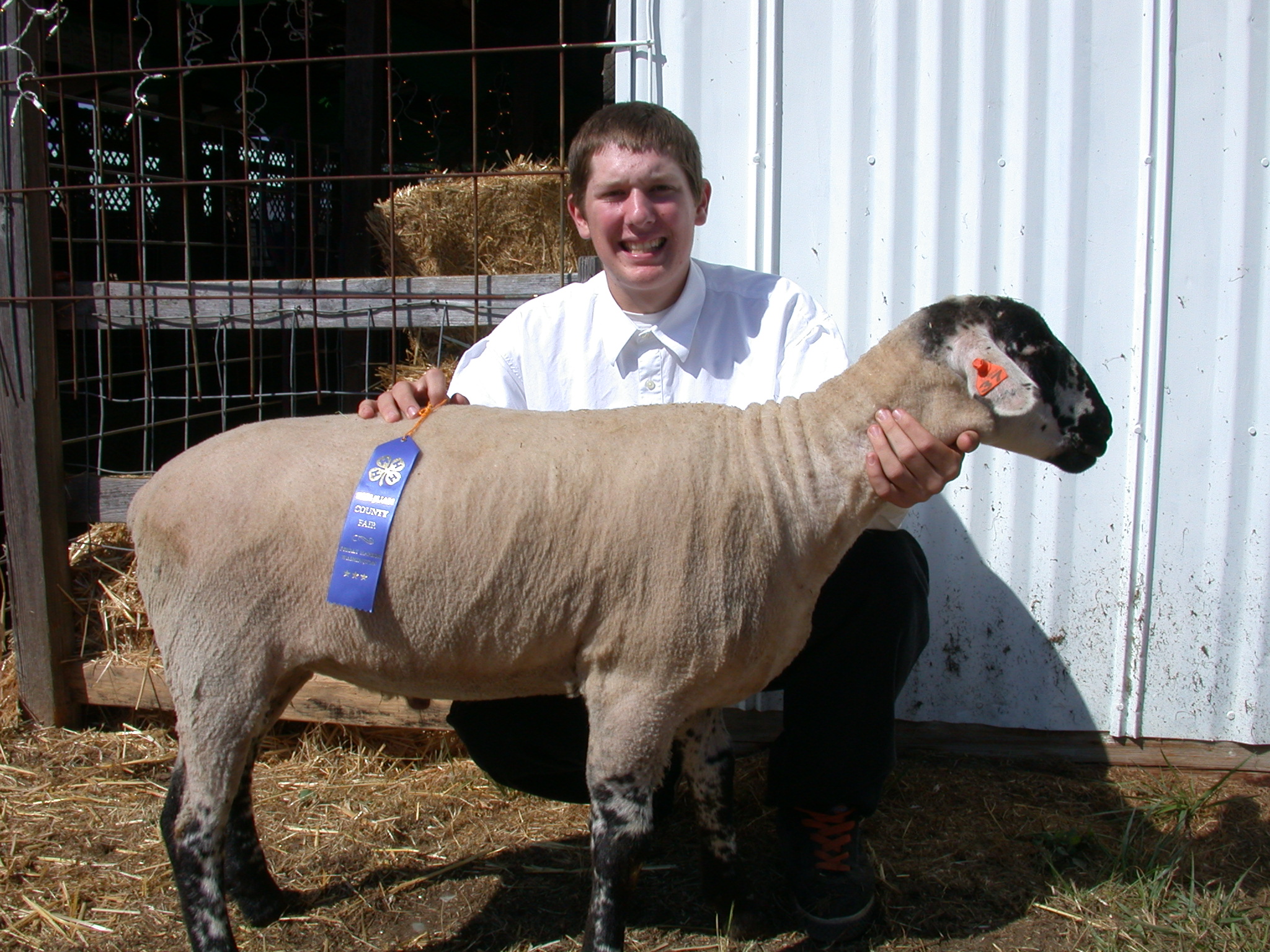
Clinton Gauthier – Co-Chair
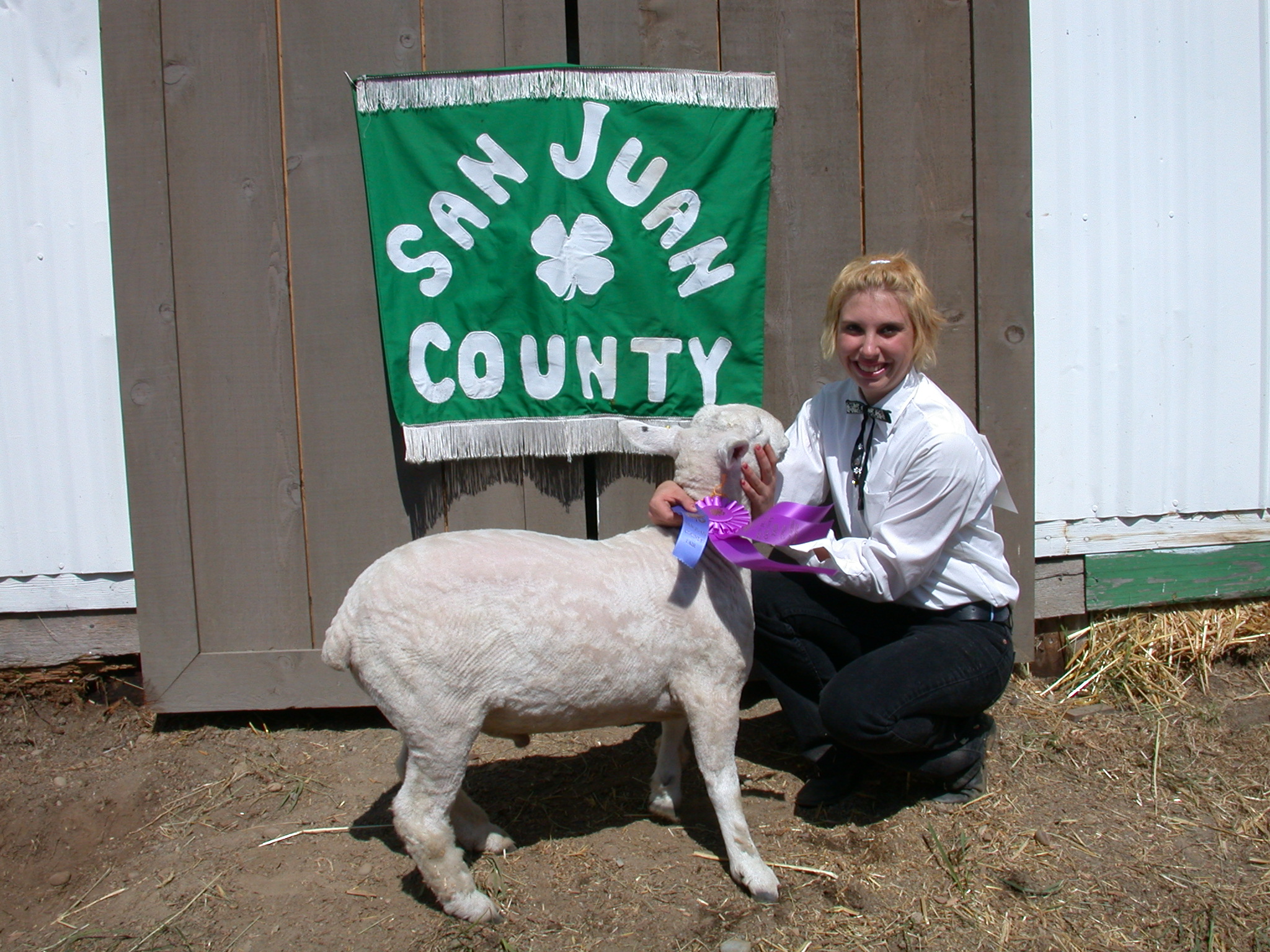
Sara Hurley – Co-Chair
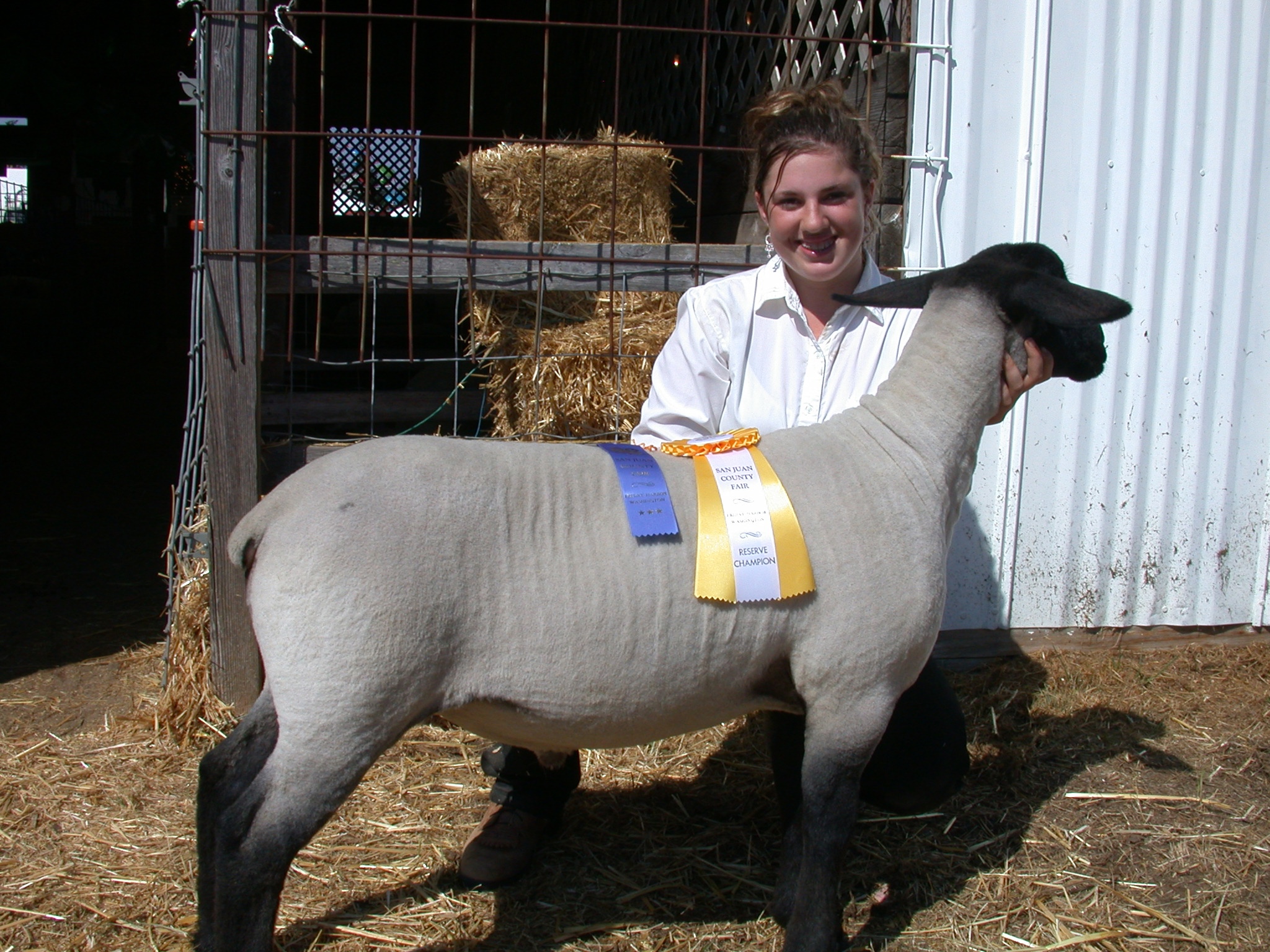
Randi Mayberry – Treasurer
📧 randijanemayberry@gmail.com

San Juan County Extension Office Staff
Caitlin Blethen, Interim Director – cblethen@wsu.edu
Clinton Gauthier, 4-H Coordinator – sanjuan.4-H@wsu.edu
Lucy Graves, Office Manager – lucy.graves@wsu.edu
Office phone: (360) 378-4414