
Parnsips are in season from October through February in Skagit County.
Parsnip Pancakes
Time needed: 20
Servings: About six 4-inch pancakes
Parsnips are a winter and fall root vegetable that offers a sweet and earthy flavor. You can roast them as a healthy substitute for fries, or add them to soups and stews for extra flavor. For a creative breakfast or brunch option, try our parsnip pancake recipe. You can top it with yogurt, honey, or applesauce for added sweetness. This family recipe makes about 6 pancakes.
| INGREDIENTS ½ lb. parsnips, 2 scallions or green onions, green parts chopped 2 eggs ¼ cup of flour ½ tsp. salt ¼ tsp. pepper, or to taste 2-4 Tbs. vegetable oil DIRECTIONS 1. Wash hands with soap and water. 2. Grate root vegetables using the box grater(s) or other grating tool. 3. Chop scallions/green onions. 4. Whisk the eggs in a medium bowl with the salt and pepper. Whisk in flour. 5. Stir in shredded root vegetables. 6. Heat oil in a medium pan or skillet. 7. Working in batches, form the mixture into patties roughly three inches in size and place on the pan, at least two inches apart.* 8. Cook for 2-3 minutes on the first side, then flip and cook for another 2-3 minutes until browned on both sides. 9. Continue cooking pancakes in batches, adding oil as needed. 10. Serve warm with plain yogurt or dipping sauce. If desired, cut each pancake into four pieces to create tastes for children. |
Download Printable version of the Parsnip Pancakes
Kids in the Kitchen
Parsnips offer a wonderful chance to explore with your child, engaging all their senses to discover unique characteristics and fostering curiosity about nutritious foods. Encouraging children in a multi-sensory exploration of fruits and vegetables can boost their comfort and familiarity with healthy options, making them more likely to try new foods.
· Sight: Place the whole and sliced parsnip on a table and encourage your
child to observe the color, shapes, and textures using their eyes.
· Touch: Let your child touch and feel the parsnip. Have them describe the
smoothness or roughness of the skin and the difference between the
skin and the inside of the vegetable.
· Smell: Ask your child to smell the parsnips and describe the aroma.
· Taste: Let your child taste a piece of raw parsnip and have them describe the
flavor. Then, have them try cooked parsnip and compare the taste.
· Sound: Encourage your child to listen to the sounds of parsnips, such as the
crunchiness while slicing or biting into them, or the sound of water
running while washing.
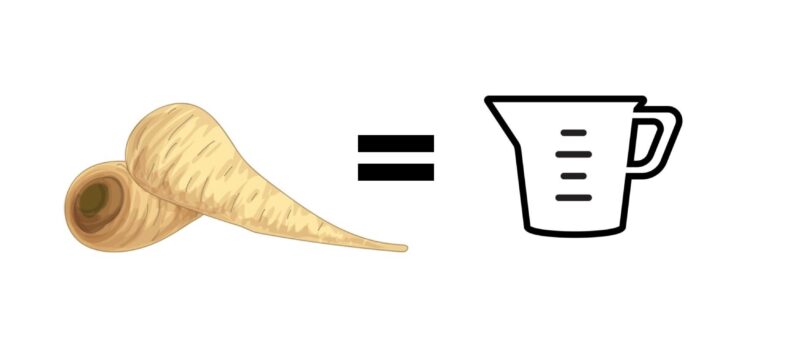
2 whole medium parsnips = 1 cup sliced or cut
How to Store Parsnips
To keep parsnips fresh for at least 2 weeks, you should store them in a cool and humid place. Begin by
removing the leafy green tops, leaving about an inch of stem attached. You can wrap the parsnips loosely in dry paper towels or store them in a plastic bag in the crisper drawer of your refrigerator. Avoid storing parsnips in airtight containers to prevent moisture buildup. Instead, gently scrub and wash just before use to avoid excess
moisture in the storage bag.
The Family Farms to Healthy Kids project is based upon work that is supported by the USDA Award CN-F2S-IMPL-20-WA-3. Any opinions, findings, conclusions, or recommendations expressed on this flyer are those of the author(s) and author(s) and do not necessarily reflect the view of the U.S.D.A. WSU is an equal opportunity provider.