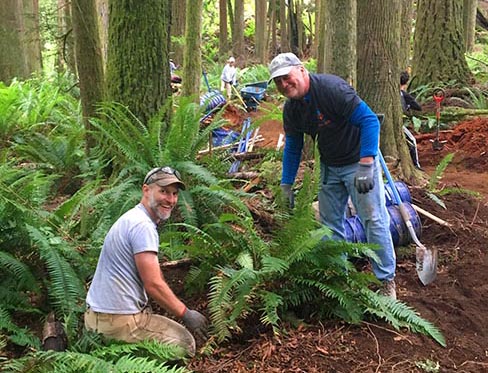
Trees are essential to both our planet’s health and our own well-being. This inspiring article explores the cultural reverence for trees, their scientifically proven environmental benefits, and how they can improve our daily lives—from reducing pollution to creating habitat for wildlife.
Why Are Trees Important?
- Cultural and Personal Impact: Trees have deep roots in human culture, spirituality, and mental well-being. Experiences like “forest bathing” demonstrate how being among trees reduces stress and supports health.
- Environmental Benefits:
- Filter Air & Water Quality: Tree leaves and roots filter pollutants, absorb harmful gases, and intercept particulates from the atmosphere.
- Combat Climate Change: Trees capture and store carbon dioxide, releasing oxygen and helping stabilize atmospheric gases. Mature trees play a critical role in carbon storage.
- Water & Soil Conservation: By slowing and absorbing stormwater, tree roots prevent erosion and mitigate floods and drought.
- Wildlife Habitat: Trees provide food, shelter, and nesting sites for countless animals. Even decaying logs help foster new growth and healthy ecosystems.
- Save Energy & Reduce Noise: Trees provide shade to moderate temperatures and act as natural barriers to wind and noise.
Fun Fact:
Older, larger trees do even more for carbon storage and habitat, making it important to protect established trees as well as plant new ones.
Interested in Gardening with a Purpose?
Join programs like the WSU Washington Green School or apply for the Skagit County Master Gardener Program to deepen your relationship with nature and learn to foster healthy gardens and communities.
Read the full article:
The Importance of Trees – Skagit County Master Gardener Foundation
Questions about home gardening or becoming a master gardener may be directed to Skagit County WSU Extension Office, 11768 Westar Lane, Suite A, Burlington, WA 98233; by phone: 360-428-4270; or via the website: skagit.wsu.edu/mg
Washington State University Extension helps people develop leadership skills and use research-based knowledge to improve economic status and quality of life. Cooperating agencies: Washington State University, US Department of Agriculture, and Skagit County. Extension programs and policies are available to all without discrimination. To request disability accommodations contact us at least ten days in advance.