For a printable version of this webpage: Summer Squash(PDF)
Summer Squash
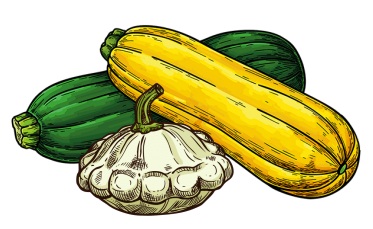
Summer squash has a mild flavor, ranging from sweet to nutty with subtle distinctive flavors. At Skagit farmers markets you’ll find a wide selection – green and yellow zucchini, pattypan, and calabacitas – to list a few. Unlike their winter counterparts, these varieties have soft, thin skin that is perfectly edible, with varying degrees of light to dense flesh.
Nutrition
Summer squash is an excellent source of vitamin A and fiber and contains 40 calories per ½ cup serving. Summer squash contains less than 16 calories with no fat or cholesterol.
Selection
Select shiny uniform squash true to their variety in size, color and shape. Small to medium summer squash that are 4-8 inch are best. Skin should be easily broken or cut the thumbnail. Wilted or soft squash will have lost their flavor and texture. Some other varieties include zucchini, crookneck, and scallops. Note. Large squash (giant zucchini) are a good choice for baking or preservation recipes such as relish. Before processing, rinse the surface of the squash with running water to clean off any dirt.
Storage
Handle summer squash gently because the skin is thin and fragile. Do not wash before storing. Smaller quantities may be stored in the refrigerator in perforated bags for up to a week.
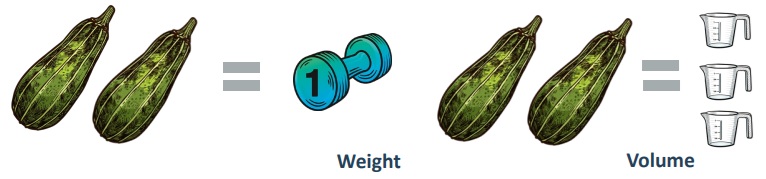
Measurements
Freezing
Slices:
- Choose young squash with tender skin. Wash and cut in 1/2-inch slices.
- Water blanch for 3 minutes, cool in ice water for an equivalent amount of time.
- Drain and pack in moisture/vapor-proof freezer containers or freezer-weight plastic bags, squeezing out as much air as possible, leaving 1/2-inch headspace.
- Seal, label, and freeze.
Grated Zucchini (For Baking)
- Choose young, tender zucchini. Wash and grate.
- If you choose to blanch, steam blanch in small quantities 1 to 2 minutes until translucent. Cool by placing the containers in cold water for equivalent amount of time. It is also safe to freeze grated squash without blanching.
- Pack in measured amounts into moisture/vapor[1]proof freezer containers or freezer-weight plastic bags, leaving 1/2-inch headspace.
- Label, seal and freeze.

Tip: Pack grated squash for freezing in recipe-ready portions. Use grated summer squash in spaghetti sauce or quick breads.
Drying
Preparation:
Wash, trim, and cut into ¼ inch slices.
Pretreatment:
None, or Steam blanch for 2 -3 minutes if squash is to be used in cooking. Do not blanch if using for making chips.
Drying Procedure:
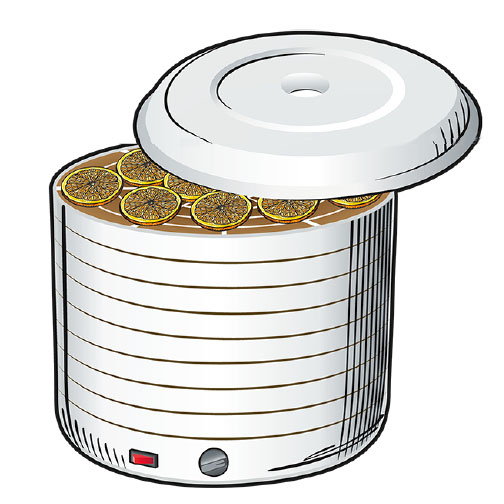
- Spread summer squash in a thin layer on drying trays.
- Dry at 140 °F. until leathery to brittle; approximately 10-12 hours.
- Cool thoroughly. Package dried squash in moisture/vapor proof containers.
- Label. Store in a cool, dark, dry place.
Tip: For added variety, try dipping chips in a diluted barbecue sauce before spreading on the drying tray. They will taste like barbecued potato chips. Adding spices and salt to chips before drying will concentrate the flavor making the dried chips very salty.
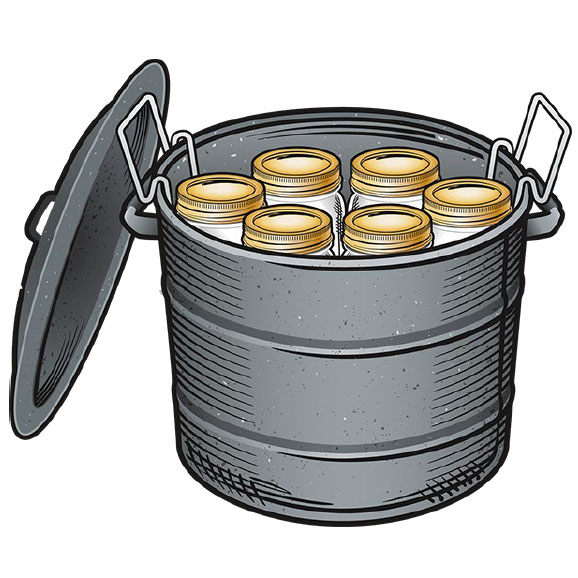
Water Bath Canning

There are no processing times available from the USDA for Summer Squash, with the exception of pickling or a tested jam/preserve recipe which may include zucchini along with fruit.
Pickling
Because Summer Squash is a low-acid food, the proportion of vinegar to water in a pickling recipe is critical. Use only tested, approved pickling recipes and follow instruction for preparation of summer squash.
Pickled Bread-And-Butter Zucchini
Yield: About 8 to 9 Pints
Ingredients:
- 16 cups fresh zucchini, sliced
- 4 cups onions, thinly sliced
- 1/2 cup canning or pickling salt
- 4 cups white vinegar (5% acidity)
- 2 cups sugar
- 4 tbsp mustard seed
- 2 tbsp celery seed
- 2 tsp ground turmeric
Directions:
Cover zucchini and onion slices with 1 inch of water and salt. Let stand 2 hours and drain thoroughly.
Combine vinegar, sugar, and spices. Bring to a boil and add zucchini and onions. Simmer for 5 minutes and fill hot jars with mixture and pickling solution, leaving 1/2-inch headspace. Remove air bubbles; adjust headspace if needed. Wipe rims with a damp clean paper towel. Adjust two-piece canning lids and process in boiling water canner according to directions below.
Once processing is complete, turn off heat, remove canner lid and wait 5 minutes before removing jars. Let cool, undisturbed, for 12 to 24 hours and check for seals. Wipe jars, remove rings, label, and store in a cool, dry place.
Processing Directions for Pickled Bread-And-Butter Zucchini:
| Style of pack | Jar Size | 1–1,000 ft | 1,001–3,000 ft |
| Hot | Pints or Quarts | 10 minutes | 15 minutes |
Water Bath Canning
Summer Squash Relish
Yield: About 5-Pint Jars
Ingredients:
- 4 pounds fresh, firm yellow and/or zucchini summer squash
- ½ cup diced sweet onion
- 2 cups cider vinegar (5% acidity)
- 2¼ cups white sugar
- 2 teaspoons celery seed
- 2 teaspoons turmeric
- 4 teaspoons mustard seed
Directions:
Rinse squash well, remove blossom and stem ends and dice or shred using a grater or in a food processor. Peel onions and remove root and stem ends. Rinse well and dice, or shred using a grater or in a food processor.
Combine remaining ingredients and bring to a boil. Carefully add squash and onions. Return combined ingredients to a boil; boil gently for 5 minutes, stirring often.
Pack hot vegetable mix with liquid into hot jars, leaving ½- inch headspace. Remove air bubbles and adjust headspace if needed. Make sure liquid covers the top of the food pieces.
Wipe rims of jars with a clean, damp paper towel. Apply and adjust prepared two-piece canning lids. Process in boiling water canner according to directions below.
Once processing is complete, turn off heat, remove canner lid and wait 5 minutes before removing jars. Let cool at room temperature, undisturbed, for 12 to 24 hours and check for seals. Wipe jars, remove rings, label, and store in a cool, dry place.
Processing Directions for Summer Squash Relish:
| Style of pack | Jar Size | 1–1,000 ft | 1,001–3,000 ft |
| Hot | Pints or Quarts | 15 minutes | 20 minutes |
Water Bath Canning
Zucchini-Pineapple Preserves
Yield: About 8 to 9 Pints
Ingredients:
- 4 quarts cubed or shredded zucchini
- 46 oz canned unsweetened pineapple juice
- 1½ cups bottled lemon juice
- 3 cups sugar
Directions:
Peel zucchini and either cut into ½-inch cubes or shred. Mix zucchini with other ingredients in a large saucepan and bring to a boil.
Simmer 20 minutes. Fill jars with hot mixture and cooking liquid, leaving ½-inch headspace. Wipe rims of jars with a clean, damp paper towel. Apply and adjust prepared two-piece canning lids. Process in boiling water canner according to directions below.
Once processing is complete, turn off heat, remove canner lid and wait 5 minutes before removing jars. Let cool at room temperature, undisturbed, for 12 to 24 hours and check for seals. Wipe jars, remove rings, label, and store in a cool, dry place.
Processing Directions for Zucchini-Pineapple Preserves:
| Style of pack | Jar Size | 1–1,000 ft | 1,001–3,000 ft |
| Hot | Half Pints or Pints | 15 minutes | 20 minutes |
Preserve Skagit Crop Sheets describe three food preservation techniques—freezing, drying, and boiling water canning—consistent with USDA Food Preservation and Food Safety recommendations. Pressure canning for low acid foods such as meats and vegetables is not included.
Additional resources and recipes, as well as information on Pressure Canning, can be found on the WSU Skagit Food Preservation Website https://extension.wsu.edu/skagit/fam/food-preservation/ or the National Center for Home Food Preservation https://nchfp.uga.edu/index.html.
Copyright 2022 WSU Skagit Extension. Any opinions, findings, conclusions, or recommendations expressed on this fact sheet are those of the author(s) and do not necessarily reflect the view of the USDA. WSU Extension programs are available to all without discrimination