For a printable version of this webpage: Tomatillos
Tomatillos
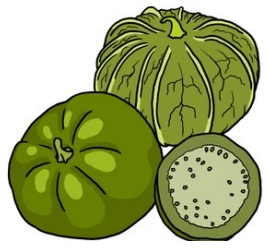
The tomatillo, known as the Mexican husk tomato, is a plant of the nightshade family bearing small, and spherical fruit in colors such as green, yellow, and even purple. The plant originated in Mexico and was cultivated in the pre-Columbian era. Tomatillos have a removable papery husk and a distinctive tart flavor. They grow well in Skagit County, often reseeding and coming back year after year to provide delicious produce. Tomatillos are a key ingredient in the ever popular salsa verde.
Nutrition
Tomatillos are a good source of vitamin A, vitamin C and vitamin K. They are also a good source of iron, potassium, and other important minerals. One cup of chopped tomatillos has just 42 calories and is low fat and cholesterol free.
Selection
Look for tomatillos that are unblemished and firm, with a vivid color and with a dry papery husk. Avoid shriveled, damp, or moist fruit. The husks should cover the fruit snugly and feel fairly tight. Tomatillos have a sticky, protective residue on the skin, which can easily be cleaned foo under running water rinsed off before processing.
Storage
Tomatillos keep well if stored correctly. Refrigerate tomatillos loose or in an open container in the refrigerator crisper drawer for 2-3 weeks. Do not remove husks or wash them until ready to use.
Measurements

Freezing
- To freeze tomatillos, peel the husk, rinse, and dry the fruit.
- Tomatillos can be frozen whole.
- Store in moisture/vapor-proof freezer containers or freezer-weight plastic bags. Label, seal, and freeze.

Tip: Preparations, such as salsa, can be safely frozen.
Drying
Preparation:
Slice tomatillos.
Pretreatment:
No pretreatment is necessary.
Drying Procedure:
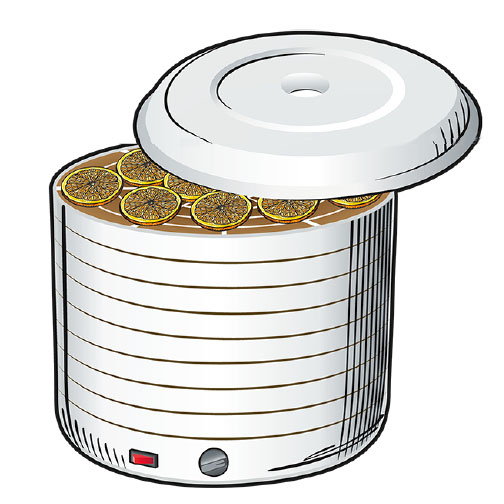
- Arrange in single layers on drying trays
- Dry at 140°F until fully dry, about 6-8 hours until leathery to crisp, and no moist areas remain.
- Cool thoroughly.
- Package dried tomatillos in moisture/vapor-proof containers. Label.
- Store in a cool, dark, dry place.
Water Bath Canning
Canned Tomatillos
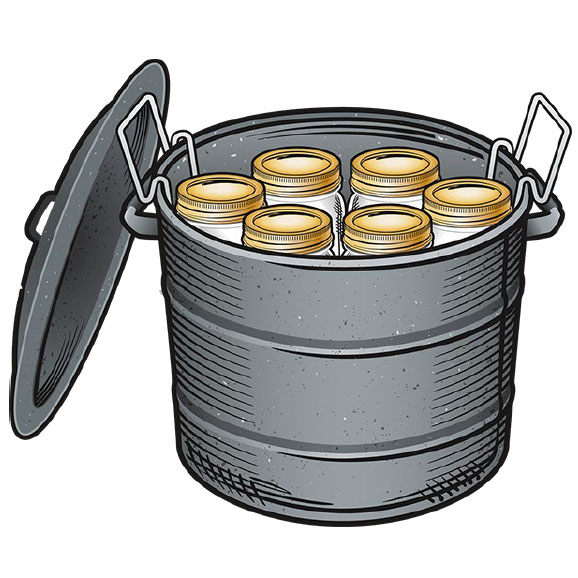
Tomatillos can be safely preserved following the boiling water canning method.
An average of 14 pounds is needed per canner load of 7 quarts; an average of 9 pounds is needed per canner load of 9 pints.
Remove the dry outer husks entirely from the tomatillos and wash the fruit well. Leave whole; do not peel or remove seeds. Add enough water to cover the tomatillos in a large saucepan and boil them gently until tender, about 5 to 10 minutes. Fill hot tomatillos loosely into hot jars, leaving ½ inch headspace.
For pint jars add one tablespoon bottled lemon juice or 1/4 teaspoon citric acid; for quart jars add two tablespoons of bottled lemon juice or 1/2 teaspoon of citric acid.
Cover tomatillos with the hot cooking liquid, leaving ½ inch headspace. Remove air bubbles and adjust headspace if needed. Wipe rims of jars with a clean damp paper towel. Adjust two-piece lids and process in boiling water canner according to directions below.
At the completion of processing, turn off heat and wait 5 minutes before removing jars. Let cool at room temperature, undisturbed, for 12 to 24 hours and check for seals. Wipe jars, remove rings, label, and store in a cool, dry place.
Processing Directions for Canned Tomatillos:
| Style of pack | Jar Size | 1–1,000 ft | 1,001–3,000 ft |
| Hot | Pints | 40 minutes | 45 minutes |
| Hot | Quarts | 45 minutes | 50 minutes |
Water Bath Canning
Tomatillo Green Salsa
Yield: About 5 Pints
Ingredients:
- 5 cups chopped tomatillos
- 1 ½ cups seeded, chopped long green chiles
- ½ cup seeded, finely chopped jalapeño peppers
- 4 cups chopped onions
- 1 cup bottled lemon or lime juice
- 6 cloves garlic, finely chopped
- 1 tablespoon ground cumin (optional)
- 3 tablespoons dried oregano leaves (optional)
- 1 tablespoon salt
- 1 teaspoon black pepper
Preparing Tomatillos: Remove the dry outer husks from tomatillos; wash thoroughly. They do not need to be peeled or seeded.
Preparing Peppers: The skin of long green chiles may be tough and can be removed by heating the peppers. Usually when peppers are finely chopped, they do not need to be skinned. If you choose to peel chiles, slit each pepper along the side to allow steam to escape. Peel skin using one of these two methods:
Option 1. Oven or broiler method to blister skins. Place chiles in a hot oven (400°F) or broiler for 6 to 8
Option 2. Range-top method to blister skins – Cover hot burner (either gas or electric) with heavy wire mesh. Place peppers on the burner for several minutes until skins blister.
To peel, after blistering skins, place peppers in a pan and cover with a damp cloth. (This will help make peeling the peppers easier). Cool several minutes; slip off skins. Discard seeds and chop. (The jalapeño peppers do not need to be peeled, but seeds are often removed.)
Hot Pack: Combine all ingredients in a large saucepan and stir frequently over high heat until mixture begins to boil, then reduce heat and simmer for 20 minutes, stirring occasionally. Ladle hot mixture into clean, hot pint jars, leaving ½-inch headspace. Remove air bubbles and adjust headspace if needed. Wipe rims of jars with a clean, damp paper towel; apply two-piece metal canning lids. Process in a boiling water canner according to directions below.
At the completion of processing, turn off heat and wait 5 minutes before removing jars. Let cool at room temperature, undisturbed, for 12 to 24 hours and check for seals. Wipe jars, remove rings, label, and store in a cool, dry place.

Safety Caution: When handling or cutting hot peppers, wear plastic or rubber gloves and do not touch your face. If you do not wear gloves, wash hands thoroughly with soap and water before touching your face or eyes.
Processing Directions for Tomatillo Green Salsa:
| Style of pack | Jar Size | 1–1,000 ft | 1,001–3,000 ft |
| Hot | Half Pints or Pints | 15 minutes | 20 minutes |
Water Bath Canning
Tangy Tomatillo Relish
Yield: About 6 or 7 Pints
Ingredients:
- 12 cups chopped tomatillos
- 3 cups finely chopped jicama
- 3 cups chopped onion
- 6 cups chopped plum-type tomatoes
- 1½ cups chopped green bell pepper
- 1½ cups chopped red bell pepper
- 1½ cups chopped yellow bell pepper
- 1 cup canning salt
- 2 quarts water
- 6 tablespoons whole mixed pickling spice
- 1 tablespoon crushed red pepper flakes (optional)
- 6 cups sugar
- 6½ cups cider vinegar (5%)
Directions:
Remove husks from tomatillos; peel jicama and onion. Wash all vegetables well before trimming and chopping. Place chopped tomatillos, jicama, onion, tomatoes, and all bell peppers in a 4-quart Dutch oven or saucepot. Dissolve canning salt in water. Pour over prepared vegetables. Heat to boiling; simmer 5 minutes. Drain thoroughly through a cheesecloth-lined strainer (until no more water drips through, about 15 to 20 minutes).
Place pickling spice and optional red pepper flakes on a clean, double-layer, 6-inch-square piece of 100% cotton cheesecloth. Bring corners together and tie with a clean string. (Or use a purchased muslin spice bag.) Mix sugar, vinegar and spices (in cheesecloth bag) in a saucepan; bring to a boil. Add drained vegetables. Return to boil; reduce heat and simmer, uncovered, 30 minutes. Remove spice bag.
Fill relish mixture into hot, clean pint jars, leaving ½- inch headspace. Remove air bubbles and adjust headspace if needed. Wipe rims of jars with a dampened clean paper towel; adjust two-piece metal canning lids.
Process according to the recommendations below. At the completion of processing, turn off heat and wait 5 minutes before removing jars. Let cool, undisturbed at room temperature, for 12 to 24 hours and check seals. Wipe jars, remove rings, label, and store in a cool, dry place.
Processing Directions for Tangy Tomatillo Relish:
| Style of pack | Jar Size | 1–1,000 ft | 1,001–3,000 ft |
| Hot | Pints | 15 minutes | 20 minutes |
Preserve Skagit Crop Sheets describe three food preservation techniques—freezing, drying, and boiling water canning—consistent with USDA Food Preservation and Food Safety recommendations. Pressure canning for low acid foods such as meats and vegetables is not included.
Additional resources and recipes, as well as information on Pressure Canning, can be found on the WSU Skagit Food Preservation Website https://extension.wsu.edu/skagit/fam/food-preservation/ or the National Center for Home Food Preservation https://nchfp.uga.edu/index.html.
Copyright 2022 WSU Skagit Extension. Any opinions, findings, conclusions, or recommendations expressed on this fact sheet are those of the author(s) and do not necessarily reflect the view of the USDA. WSU Extension programs are available to all without discrimination