For a printable version of this page: Winter Squash(PDF)
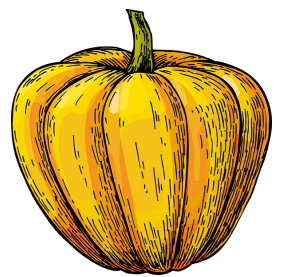
Winter Squash
Pumpkins, Acorn, Butternut, Hubbard, Delicata–to name a few, might better be called fall squash because this is the time they are harvested and generally best-tasting. The colors and varieties are so numerous that it is hard to believe they are all related. Colors range from white to yellow, and orange, green to nearly blue and mottles in between. Unlike summer squash, winter squashes have tough, hard skin, easier to cook with the skins on.
Nutrition
Winter squash is an excellent source of vitamin A and fiber. Usually, the darker the skin is, the higher the beta-carotene content. Squash has only 40 calories in a 1/2 cup serving, with no fat or cholesterol.
Selection
Select winter squash and pumpkins true to variety in size, color, and shape. Rind should be hard and glossy. Color should be fully developed. Avoid immature squash with light color, soft, or damaged rind, or insect or mechanical damage. For best long[1]term storage, make sure squash retains at least 1 to 2 inches of stem. Before processing, scrub the surface of the squash with a clean vegetable brush.
Storage
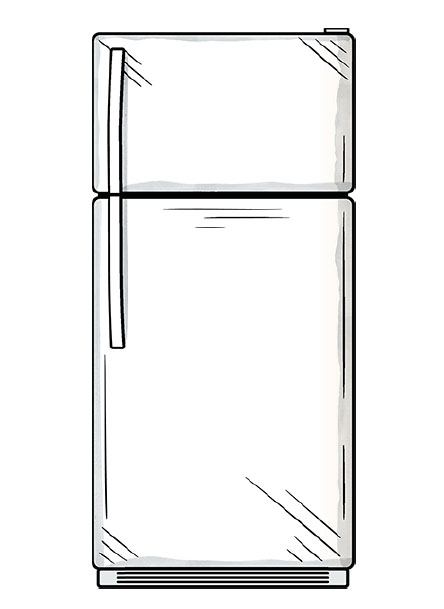
Cut squash can be stored in the refrigerator wrapped in plastic wrap or vapor-proof container for up to 1 week.
For best long-term storage for Winter Squash and pumpkin, store whole, uncut squash in a dry 50-60-degree location such as a basement or closet and arrange in a single layer, spaced out so that air may circulate around the squash. Inspect periodically for soft or discolored spots, removing any damaged items to keep remaining squash healthy for long[1]term storage. Capacity will depend on variety. Some squash, such as acorn, will typically last 2-3 months but others retain their quality for a much longer period and will often last for more than 6 months.
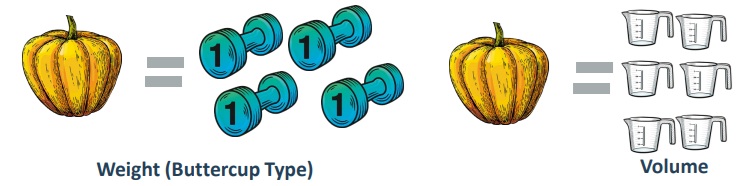
Measurements
Freezing
- Select full-colored mature pumpkin or squash.
- Cut or break into fairly uniform pieces. Remove seeds.
- Cook until tender by steaming, baking in a 350 °F. oven or in a microwave.
- Cool, scoop pulp from rind, and mash or put through ricer.
- Pack in moisture-vapor-proof container or freezer weight plastic bag allowing at least 1-inch headspace for expansion.
- Label, date containers and freeze.
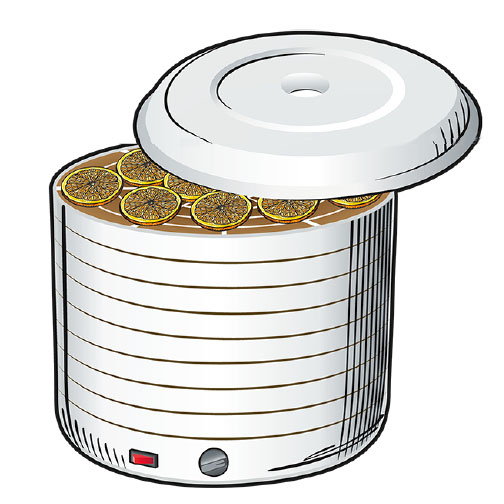
Drying
Preparation:
Cut mature pumpkin or squash into strips 1-inch wide. Peel off rind; scrape off fiber and seeds. Cut peeled strips into pieces about 1/8 inch thick.
Pretreatment:
None, or water blanch 1 minute or steam blanch 2-3 minutes.
Drying Procedure:
- Spread in a thin layer on drying trays.
- Dry at 140°F until tough to brittle, approximately 10 -16 hours.
- Package dried food in moisture/vapor-proof containers. Label.
- Store in a cool, dark, dry place.
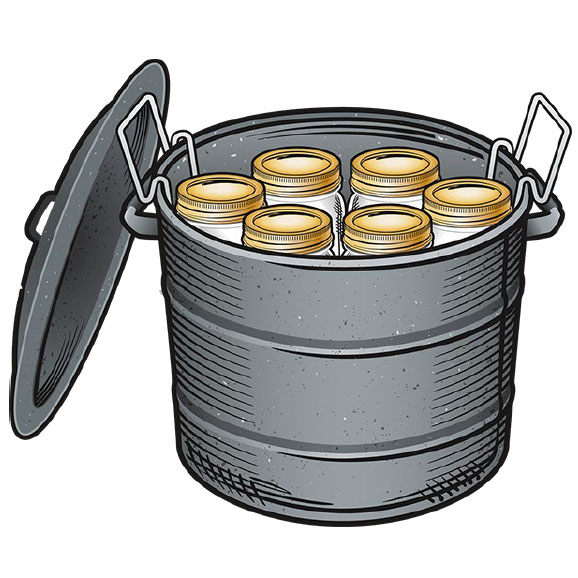
Boiling Water Canning

Pumpkins and winter squash are low-acid foods. Pressure canning is necessary when canning Pumpkins and winter squash to prevent the growth of botulinum bacteria. Refer to the National Center for Home Food Preservation for Pressure Canning instructions.
Preserve Skagit Crop Sheets describe three food preservation techniques—freezing, drying, and boiling water canning—consistent with USDA Food Preservation and Food Safety recommendations. Pressure canning for low acid foods such as meats and vegetables is not included.
Additional resources and recipes, as well as information on Pressure Canning, can be found on the WSU Skagit Food Preservation Website https://extension.wsu.edu/skagit/fam/food-preservation/ or the National Center for Home Food Preservation https://nchfp.uga.edu/index.html.
Copyright 2022 WSU Skagit Extension. Any opinions, findings, conclusions, or recommendations expressed on this fact sheet are those of the author(s) and do not necessarily reflect the view of the USDA. WSU Extension programs are available to all without discrimination