Current Pest Board Targets:
- Spotted Wing Drosophila (SWD)
- Apple Maggot (AM)
- Brown Marmorated Stink Bug (BMSB)
- Potato Psyllid
- Kudzu Bug
- Codling Moth
Spotted Wing Drosophila (SWD)
A grand total of 16,214 adult SWD flies were caught in Skagit County this season. An average of 257 individuals were found on each sampling day, or about 1,158 individuals each week. The numbers this year were higher compared to previous years (Fig. 1). Mean daily temperatures between 50°F (10°C) and 82°F (28°C) are ideal conditions for high activity, high reproduction rates, and sustained high populations. The weather this spring and summer was mild with temperatures and humidity in the perfect ranges for SWD reproduction and development, which may explain the increased populations this year. This year shared a similarity with 2019 and 2023 in that SWD numbers were higher than normal and spiked in late August and late September.

Figure 1. Number of adult SWD captured during the 2017-2025 seasons.
Apple Maggot (AM)
Positive apple maggot infestations have been found in Skagit County since 1998. This year, numbers were similar to previous years except for 2021 (Fig. 2). Unmanaged host trees (including crabapple and hawthorn) are a significant refuge for apple maggot. State laws are in place which require neighbors to manage their trees so as not to impact commercial growers.
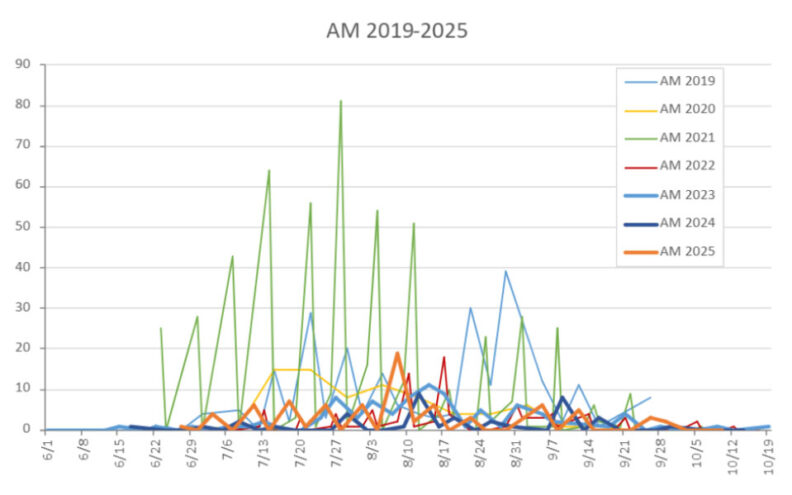
Figure 2. Totals of apple maggot flies for 2019-2025 seasons.
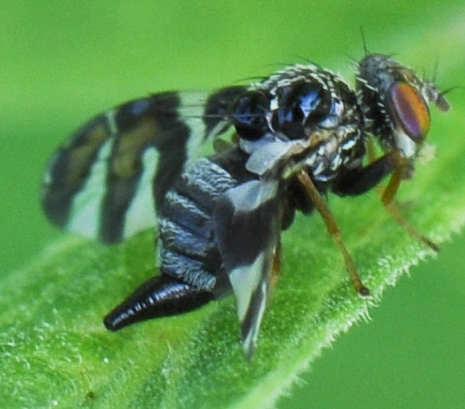
Figure 3. Adult apple maggot (H. Reidl, OSU).
Brown Marmorated Stink Bug (BMSB)
The first BMSB was captured on 22 July 2025. In total, 94 adults and 192 nymphs were collected in traps during the season (Fig. 4). This was higher than in 2024 (118 total) but similar to other previous years (2017: 113 total; 2018: 76 total; 2019: 116 total; 2020: 146 total; 2021: 69 total; 2022: 109 total; 2023: 265 total) (Fig. 5).

Figure 4. Numbers of adult and immature brown marmorated stink bugs collected during 2025.
Figure 5. Number of brown marmorated stink bugs collected each season (2017-2025).
Potato Psyllid
There were zero detections of potato psyllids this year. Potato psyllids were found once before in Skagit County in 2016 and had not been found again until 2024. Potato psyllids may have been present at low levels or in fields that were not surveyed. They may have also moved into the county from nearby populations. In either case, it could still become established in the future. Currently, potato psyllid is not a serious threat to potatoes in Skagit County, but continued monitoring is important for tracking local numbers. Sweep netting can occasionally be more successful than trapping but trapping is generally preferred for monitoring. Potato psyllids are pests on multiple crops within the family Solanaceae, including tomatoes and peppers. Because of their similarity to other common pests (such as scales and whiteflies), and because the symptoms of the bacterium are rather general in presentation on potatoes and tomatoes, it is possible that potato psyllids are present in other fields in Skagit Valley and have gone unnoticed or unreported. Due to the threat that zebra chip represents to the potato industry in Skagit County, the Pest Board still considers potato psyllids a high priority pest.
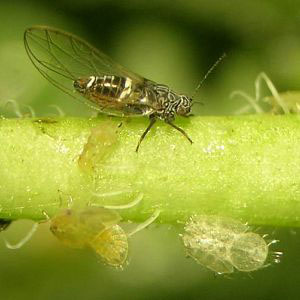
Figure 6. Potato psyllid adult and nymphs (photo by Andy Jensen, NW Potato Research Consortium).
Codling Moth
Codling moth is an established orchard pest in Skagit County. It is considered the most important common pest of apples in Washington. Codling moth can be very difficult to manage, especially if the population has been allowed to build up over a season or two. Moth numbers kept low from the start are easier to control than attempting to suppress a well-established population. Management methods need to begin early in the season. Codling moth larvae feed on apples and other pome-forming members of the family Rosaceae, along with English walnut kernels (family Juglandaceae). Codling moth is an established pest but by controlling home orchards and fruit trees within a mile radius of commercial orchards, growers can be protected. The Pest Board offers trapping upon request to commercial and small growers. Traps are available year-round at the WSU Skagit County Extension office which help with early-season control and assist growers in establishing more accurate codling moth control programs.
Two codling moth traps were requested and monitored this season. Trécé® Pherocon® lures and sticky traps were hung in apple trees where codling moth damage was suspected. Traps were hung approximately 6 feet high in the canopy. Traps were checked once a week. The two monitored traps were requested late in the season, and only one codling moth was found.

Figure 8. Codling moth adult (J. Brunner).