A Community Preparedness and Resilience Guide for Eastern Washington
Prepared in collaboration with resources from: WSU Extension • 4-H Youth Development • County Partners
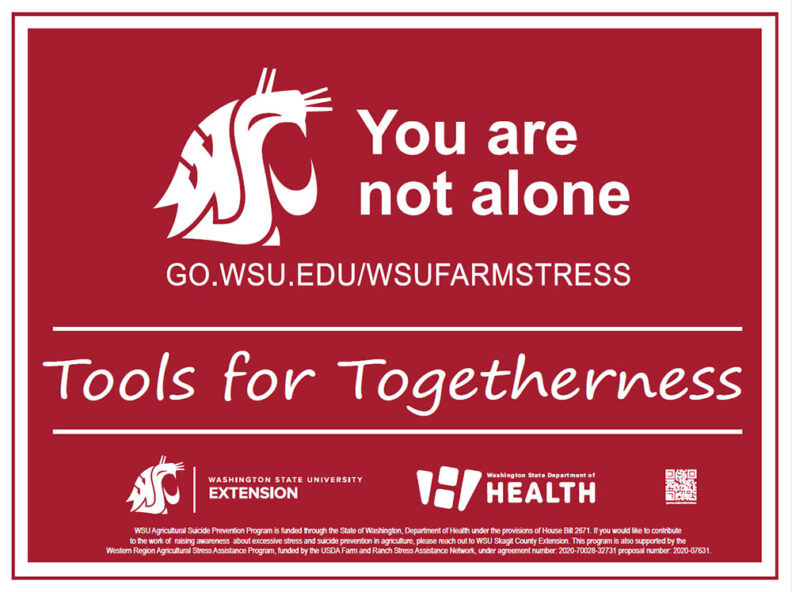
Tools for Togetherness is more than a preparedness guide—it’s a community-centered approach to reducing farm stress by strengthening the one resource rural communities have always relied on: each other.
In Eastern Washington, where agriculture is both a livelihood and a way of life, stress often builds quietly—through unpredictable weather, wildfire threats, financial pressure, and isolation. This program recognizes that resilience isn’t just about reacting to emergencies like wildfires, windstorms, or flooding. It’s about building strong, connected communities before crisis hits.
At its core, Tools for Togetherness weaves practical disaster readiness with human connection. It equips individuals, families, and agricultural communities with clear, actionable tools—like emergency drills, preparedness checklists, and region-specific wildfire strategies—while placing equal importance on relationships, communication, and shared responsibility.
The program emphasizes that knowing your evacuation route is just as important as knowing your neighbor. A stocked emergency kit matters—but so does a phone tree, a shared meal, or a youth group learning new skills together. By encouraging activities like community gatherings, skill-sharing workshops, and youth engagement through programs like 4-H, it turns preparedness into something social, familiar, and sustainable.
This guide also acknowledges a key truth: farm stress is not just an individual burden. It’s a community experience. When people feel connected, supported, and prepared, stress becomes more manageable, and recovery becomes faster and more complete.
Through collaboration with Washington State University Extension, local partners, and public health resources, Tools for Togetherness provides a roadmap for rural resilience that is both practical and deeply human. It helps communities move from isolation to connection, from uncertainty to readiness.
This guide provides practical tools for people living in rural parts of Eastern Washington to foster togetherness in their communities and prepare effectively for potential natural disasters.
Eastern Washington’s rural communities are strong, independent, and deeply connected to history and geography. This guide is built to support these attributes with practical tools that neighbors can use to prepare for emergencies, respond effectively, and recover wholly.
This document focuses on three types of natural disasters in our region:
- Wildfires
- Windstorms
- Flooding
It also emphasizes something just as important as emergency response: community connectionas a connection as a form of resilience.
Includes wildfire, windstorm, and flood preparedness drills for households, neighborhoods, 4-H clubs, granges, churches, volunteer groups, and individual familiarity.
Wildfire Preparedness Drill
Goal: Practice evacuation and communication under time pressure.
Drill Steps:
Set the Scenario
- Fire reported within 5–10 miles
- Winds increasing
- Evacuation Level 2 (Get Ready)
Assign Roles
- Household lead
- Animal handler
- Communications contact
Run the Drill
- Pack go-bags within 10 minutes
- Load vehicles
- Identify 2 evacuation routes
- Check on at least one neighbor
After Action Review
- What slowed you down?
- What did you forget?
Key Takeaways
- Practice loading animals and trailers ahead of time
- Keep vehicles at least half full of gas
- Maintain printed contact lists
Windstorm Preparedness Drill
Goal: Prepare for power outages and blocked roads.
Drill Steps:
- Simulate a 48-hour power outage
- Turn off electricity in the home
- Use only Flashlights
- Consume only stored water
- Use backup heat if available
Practice:
- Cooking without power
- Checking on elderly neighbors
- Clearing a mock “blocked driveway”
Key Takeaways
- Have at least 3 days of food and water
- Keep backup lighting accessible
- Know how to safely use generators
Flood Preparedness Drill
Goal: Practice rapid response to rising water.
Drill Steps:
- Scenario: River rising, flood warning issued
- Move Vehicles to higher ground
- Relocate equipment and documents upstairs
- Practice sandbag placement (if available)
Key Takeaways
- Elevate valuables ahead of time
- Know flood zones and escape routes
- Never drive through floodwaters
Cookoffs, gatherings, and skill-sharing strengthens community connections and facilitates disaster readiness. Building resilience is not just about purchasing durable supplies and materials, it is principally about building and maintaining trusting relationships with the people around you.
Community-Based Activities
Meals
- Recipe cookoffs
- Potlucks
- Harvest dinners
- Wild game nights
- Why it matters: People who know each other respond faster
Skill Building
- Skill-Sharing Gatherings
- Chainsaw safety workshops
- First aid trainings
- EMT Classes
- Radio communication practice
- Volunteer Fire
Youth Engagement
- Drone programs
- Emergency simulations
- Community mapping projects
Build a “Neighbor Network”
- A phone tree
- A shared emergency contact list
- Identified “check-in neighbors”
FEMA assistance is available only after a federally declared disaster.
Confirm Eligibility
- Your county must be included in a federal disaster declaration
- Discover disaster-assistance eligibility
You can apply in four ways:
- Online at DisasterAssistance.gov
- Phone: 1-800-621-3362
- FEMA mobile app
- In person at a Disaster Recovery Center
Prepare required information:
- Social Security number
- Insurance information
- Description of damage
- Income details
- Contact and banking information
File Insurance First
- FEMA does not duplicate insurance coverage
After You Apply
- Inspection may be scheduled
- Decision typically within ~30 days
Types of FEMA Help
- Temporary housing
- Home repairs
- Essential personal property replacement and emergency expenses
State and Local Resources:
If FEMA is not available, state and local resources may help.
Washington Emergency Support
- County emergency management offices
- Washington State Department of Social and Health Services
- Local disaster recovery organizations
FEMA Grant Programs (for organizations)
- Hazard Mitigation Assistance
- Emergency preparedness grants
- Infrastructure resilience funding
General Grant Process
- Identify eligible grant
- Confirm eligibility
- Complete application
- Submit through proper agency channels
Every household should aim to maintain:
Survival Essentials
- 3–7 days of water and food
- First aid kit
- Flashlights and batteries
- Backup heat source
- Printed emergency contacts
Documents Protected and Ready
- IDs
- Insurance policies
- Property records
Community Cohesion
- Know your neighbors
- Have a communication plan
- Participate in local events
Advice for the varied terrain of our region.
Spokane County
Wildland-urban interface areas require defensible space and coordination with Spokane County Fire Districts. Firewise communities and neighborhood fuel reduction projects are strongly encouraged.
Ferry, Stevens, and Pend Oreille Counties
Heavily forested landscapes increase wildfire intensity. Residents should prioritize fuel thinning, evacuation planning, and participation in DNR-supported Firewise programs.
Benton and Franklin Counties
Grassland and agricultural fires spread quickly due to wind. Focus on equipment safety, firebreaks, and rapid response coordination.
Lincoln, Adams, and Grant-style regions (dryland areas)
Large open landscapes require coordination between farms and fire districts. Maintain equipment and establish clear access routes.
Walla Walla and Columbia Counties
Mixed terrain requires both vegetation management and structural hardening. Community planning and communication networks are key.
Whitman County
Agricultural burns and dry conditions require awareness and coordination with local authorities and neighbors.
Garfield and Asotin Counties
Remote terrain increases response time. Emphasis should be placed on self-sufficiency, evacuation readiness, and local coordination.
You are not alone: Togetherness Means Preparedness
Eastern Washington has always relied on a critical human element: neighbors in rural places and agricultural communities who simply show up for each other. Preparedness is not just about reacting to disaster. It is about building trust where:
- Neighbors check on neighbors
- Skills are shared and developed
- Youth are educated and protected
- No one faces solitary hardship
These meaningful traits help foster resilience and tenacity in our communities, add both significance and convenience to our daily lives, and prepare us for disasters.
You are not alone
Free Farm Stress Resources available at farmstress.us
WSU Agricultural Suicide Prevention Program is funded through the State of Washington, Department of Health under the provisions of House Bill 2671. If you would like to contribute to the work of raising awareness about excessive stress and suicide prevention in agriculture, please reach out to WSU Skagit County Extension. This program is also supported by the Western Region Agricultural Stress Assistance Program, funded by the USDA Farm and Ranch Stress Assistance Network, under agreement number: 2020-70028-32731 proposal number: 2020-07631.