Birds: The Unsung Heroes of the Garden
Attracting birds to your garden naturally supports plant health and pest control.
Most gardeners relish getting their hands in the dirt and watching the landscape flourish as a result of their efforts. However, there are days when we wish we had a team of assistants working beside us to lighten the load. Believe it or not, you already have year-round help that doesn’t take a paycheck. Yes, our feathered bird friends are there to help us in many ways that often go unrecognized. Once we realize their value in shaping our landscape, we can home in on specific species to entice them into our yards as our little helpers. Let’s explore.
Birds are marvels at pest control. Protein-rich insects are essential for feeding birds’ young and fledglings in the spring. Some songbirds consume hundreds of insects in an hour. Imagine how many aphids, caterpillars, beetles, ants, earwigs, codling moths, and mosquitoes would still be invading our plants without the help these birds provide. Larger birds of prey, such as owls and hawks, can control rodent populations that are not only destructive but also carry disease. While starlings and blackbirds may not be as popular as songbirds, they do snack on slugs. Something to cheer about!
We often think only of bees, butterflies, and flies as pollinators extraordinaire, but hummingbirds and other nectar-feeding species also play an integral role in pollinating flowers and native wildflowers.
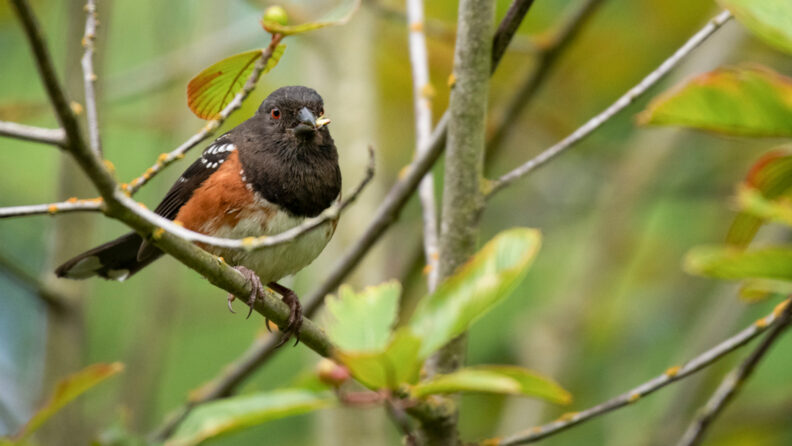
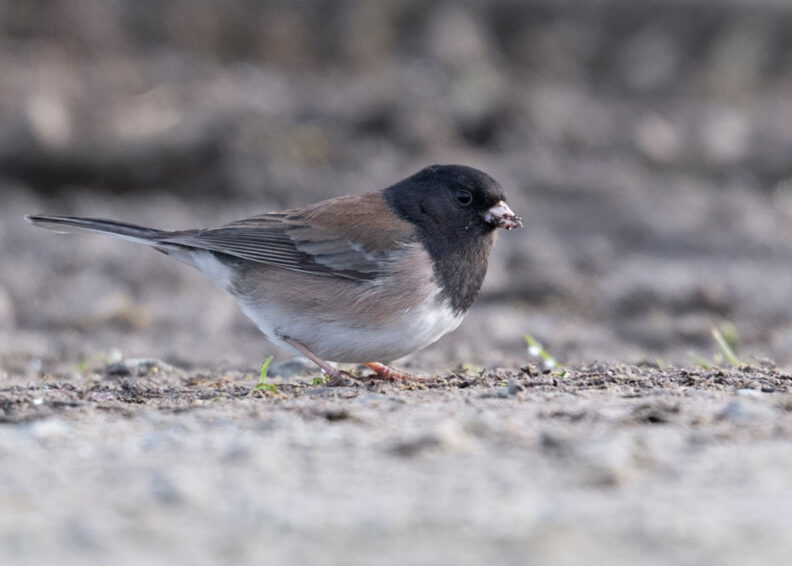
Seed dispersal is another ecological benefit from birds. Songbirds, such as finches, towhees, and sparrows, have a great appetite for a variety of seeds. According to studies by Penn State University, these birds help keep weed populations in check by consuming weed seeds. Because they fly great distances, birds spread a variety of seeds through their droppings, which contributes to biodiversity and resilience of plant communities. In the eye of the gardener, this can be a plus or an annoyance depending on what the seed is and where it chooses to take root.
And don’t discount the psychological benefits birds supply us. Research published in the National Center for Biotechnology Information states that bird watching and hearing bird songs lower stress, anxiety, and depression, and create a rewarding connection to nature.
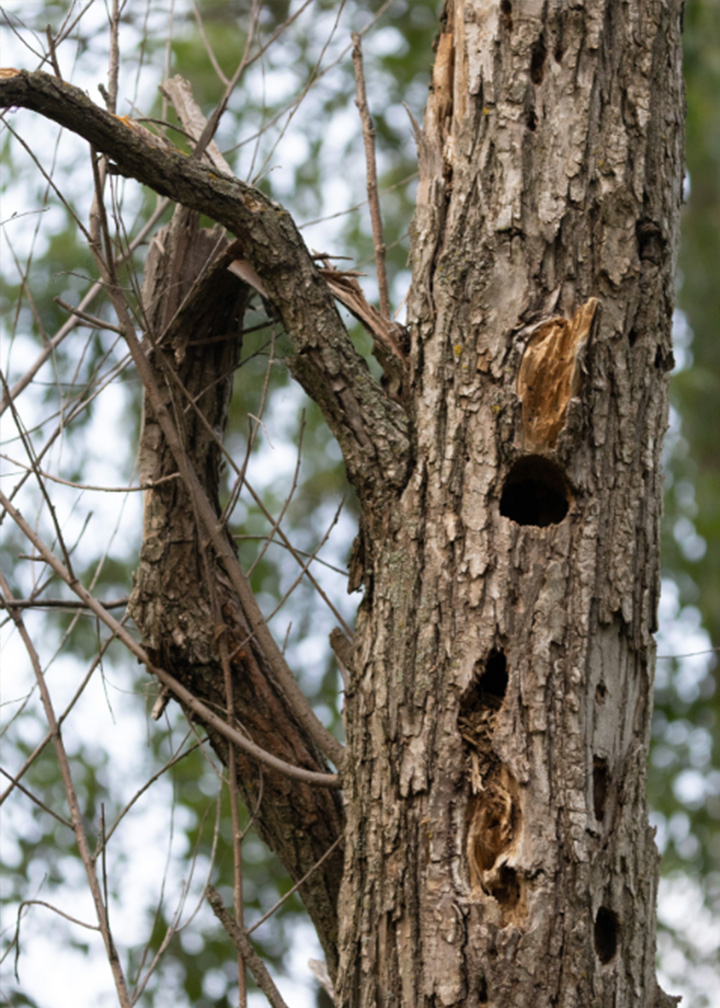
Consider leaving some brush piles and tree snags in your yard to provide potential shelter and attract hibernating insects as bird food. Photo © Adobe Stock
Mark Your Calendar for
These Free Know & Grow Workshops
Prepare Your Garden for Fall and Winter
Tuesday, October 20, 2026
1:00 pm – 2:30 pm
Creating an Award-Winning Display Garden for the NW Flower and Garden Festival
Tuesday, November 10, 2026
1:00 pm – 2:30 pm
Sakuma Auditorium
16650 SR 536, Mount Vernon, WA 98273
Here are some common birds that we might consider recruiting into our garden workforce.
Chickadees: These little cuties are especially helpful in controlling caterpillar populations, and their energetic behavior and familiar song can brighten one’s day.
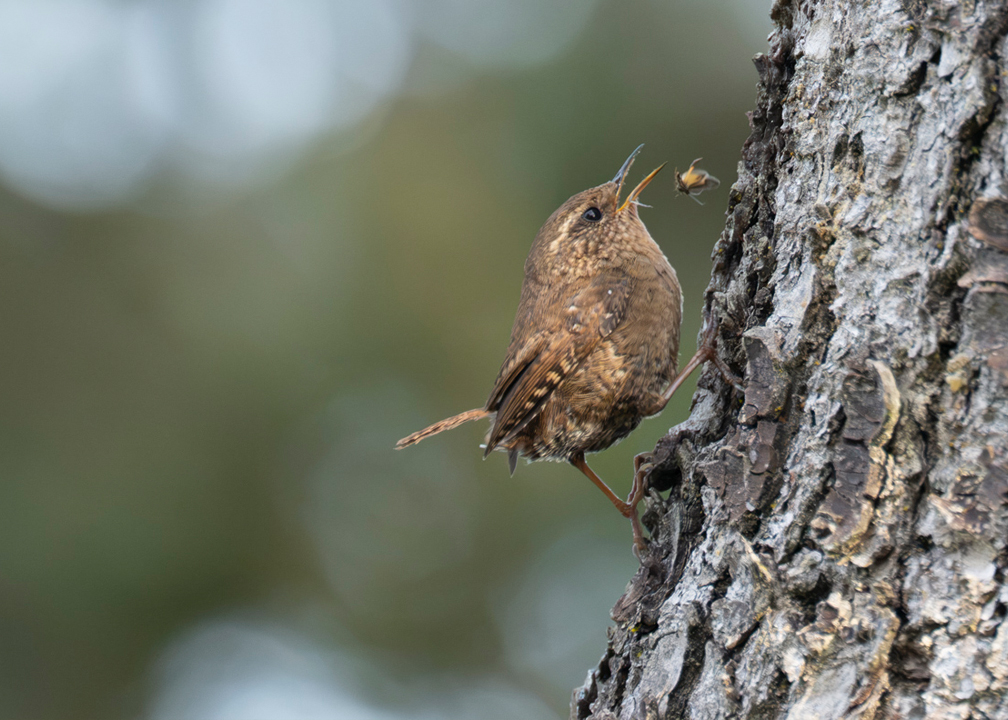
Wrens: While inconspicuous LBBs (little brown birds), wrens are particularly fond of spiders, caterpillars, and other small insects. They prefer dense shrubbery for cover. Consider adding some shrubs to your garden plan.
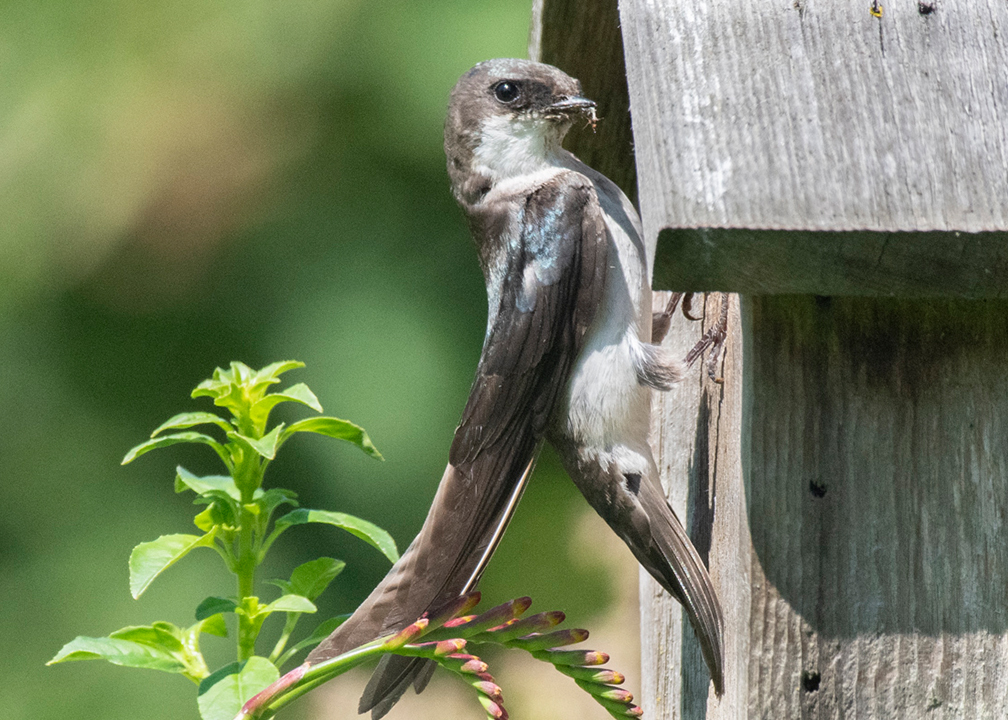
Swallows: Have you ever watched these aerial hunters snatch flying insects like mosquitoes, flies, and moths from the sky? These speedy acrobats are attracted to open spaces like lawns and meadows.
Robins: We often see these recognizable, curious birds hopping around our gardens, cocking their heads as they listen for worms and singing a repertoire of melodious songs to attract mates in the spring. In addition to earthworms, robins eat insects and larvae found in lawns and gardens.
Nuthatches: Look for these agile birds hanging onto tree trunks and branches, foraging for beetles, caterpillars, and ants. Having larger trees in your landscape will attract them to your yard.
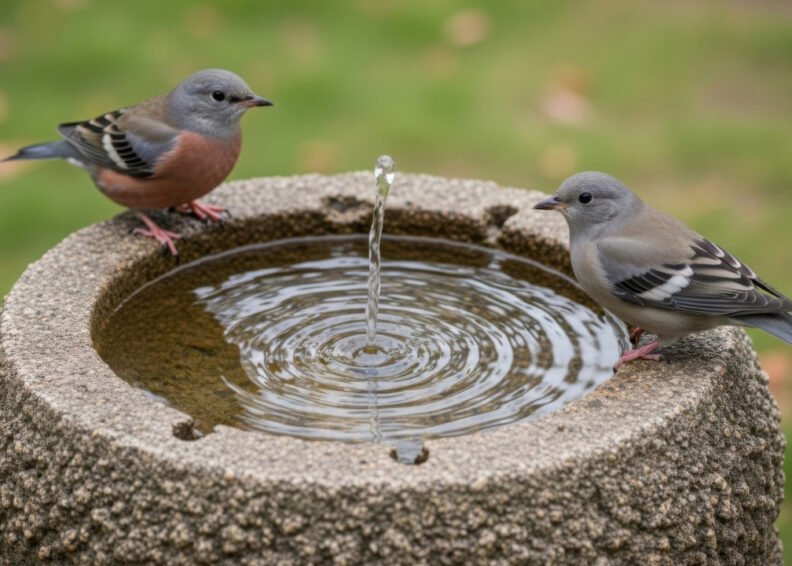
Let’s consider what birds need to thrive in a yard. As with many species, the basics are water, food, and shelter. While birds prefer moving water or a natural pond, a fountain, recirculating water feature, traditional bird bath, or even a shallow dish will suffice. Just make sure to keep the water fresh and the containers very clean to reduce bacterial contamination and the spread of disease.
The subject of feeding birds is becoming controversial. Many of us enjoy drawing the birds that visit our bird feeders so we can observe them closely. Feeders have some disadvantages over natural habitat because they can transmit disease through contaminated droppings and spoiled seed, can make birds dependent on getting fed and reduce foraging skills, can alter migration patterns, which leads to overcrowding and increased competition for food, and can attract predators including rats, squirrels, cats, and hawks. If you are a bird feeding enthusiast or don’t have access to creating your own natural habitat, make sure to keep those feeders clean and remove excess seed from the ground to discourage rotting and vermin. The birds will thank you for that.
How do we start our journey to attract more birds? Start by researching the birds that are already visiting your garden. Are they permanent or migratory? Ground feeders or tree dwellers? Determine what food sources are needed year-round to sustain the birds you wish to attract. Set up protective shelter areas, and ensure the availability of nesting sites and water sources for drinking and bathing. Consider leaving some brush piles and tree snags in your yard to provide potential shelter and attract hibernating insects as bird food. Leave seedheads in your winter garden to provide food when it is scarce, and allow leaf litter to remain for bird scratching.
If you are interested in establishing a bird-friendly ecosystem in your yard, the Pacific Horticulture article “Feeding the Birds, Au Naturel” by Joe Seals, offers an extensive list of large trees, shrubs, and perennials that layer into the landscape to attract a wide variety of birds. He also has many helpful planting tips to kickstart your project. See the link in reference at the end of this article.
Looking for more local plant ideas to add to your garden? Check out the Audubon Society’s Native Plant Database website at Audubon.org to choose the best plants for your area. They also have fact sheets on creating a native plant garden, along with ideas to save you money along the way.
And don’t forget our own Salal Native Plant Society’s offerings of information and plant sales at wnps.org. Visit their garden on the property of WSU Mount Vernon Northwestern Washington Research & Extension Center in West Mount Vernon, 16650 State Route 536, Mount Vernon.
If you aren’t familiar with the Cornell Lab of Ornithology, you are in for a treat. Their new project, “Garden for Birds,” can give you specific guidelines for creating a nourishing garden habitat for birds, bees, butterflies, and other wildlife, no matter how large or small your yard, patio, or balcony is. You can subscribe for free at their website Gardening for Birds.
By attracting more birds to your garden, you may lose a few berries and gain some unwanted seeds in your garden beds. Still, the reduction in pests, the increase in pollination, and the creation of a diverse ecosystem are great benefits. And the joy of the robin’s morning song, the yellow flash of a goldfinch in flight, and the majestic soaring of the red-tailed hawk are worth the price.
Where to Find Native Plants
The annual WSU Extension Skagit County Master Gardener’s Plant Fair on the Saturday before Mother’s Day carries a wide selection of native plants.
Twice a year, the Salal Chapter of the Washington Native Plant Society sells native plants with easy online shopping. All of their plants are suitable for gardens west of the Cascades.
Plantas Nativa in Bellingham, a predominantly NW native specialty nursery, also has online shopping or in-person shopping on Tuesdays, Fridays, and Saturdays.
Local sources such as Christianson’s Nursery and Azusa Garden Centre are carrying more native plants every year due to customer demand.
There are so many beautiful and beneficial native plants in Washington state that it’s difficult to limit the selection, but knowing that all of them provide either nectar, pollen, berries, and/or habitat for birds, insects, and caterpillars, you can’t go wrong in choosing a few or many for your landscape.
References and Resources:
- Smith, M. (updated 2023) “Inviting Birds to Your Garden”, Mandy L. Smith, Extension Educator and Master Gardener Coordinator, Westmoreland County, Penn State University Extension.
- Seals, J. “Feeding the Birds, Au Naturel”, Joe Seals, Pacific Horticulture magazine, Spring/Summer 2023.
- Carson, R. “Avian Ecosystem Services: The Benefits of Birds in our Lives”, Landmark Alliance.
- Hill, J. “Beyond Birdfeeders: How to be a Bird Friendly Gardener”, Rock, Walworth, and Jefferson Counties, Wisconsin Horticulture, a division of University of Wisconsin-Madison.
- “Bird Gardening” William T. Kemper, Center of Home Gardening, Missouri Botanical Garden.
- Lamp’l, J. and Rowden, Dr. J. “How to Create a Bird-friendly Yard”, National Audubon Society, podcast #076, November 1, 2018.

ABOUT THE AUTHOR:
Kathy Wolfe has been a Skagit County WSU Extension Master Gardener since 2002. She can often be found in the vegetable garden at the Discovery Garden on SR 536 west of Mount Vernon. She gardens in Skagit County and enjoys writing about the nature that surrounds us and the health benefits of gardening.
Questions about home gardening or becoming a master gardener may be directed to Skagit County WSU Extension Office, 11768 Westar Lane, Suite A, Burlington, WA 98233; by phone: 360-428-4270
Washington State University Extension helps people develop leadership skills and use research-based knowledge to improve economic status and quality of life. Cooperating agencies: Washington State University, US Department of Agriculture, and Skagit County. Extension programs and policies are available to all without discrimination. To request disability accommodations contact us at least ten days in advance.