Country Living and Modern Homesteading Expo
Ready to grow your skills, build your farm, and connect with a vibrant homesteading community?
Join us Saturday, January 31 for the 2026 Country Living & Modern Homesteading Expo — the Northwest’s premier hands-on learning event for farmers, gardeners, homesteaders, and rural dreamers alike!
For a Complete Listing of 2026 Classes
Don’t miss out — classes fill fast!
Day-Of Register for Country Living Expo
What is the Expo?
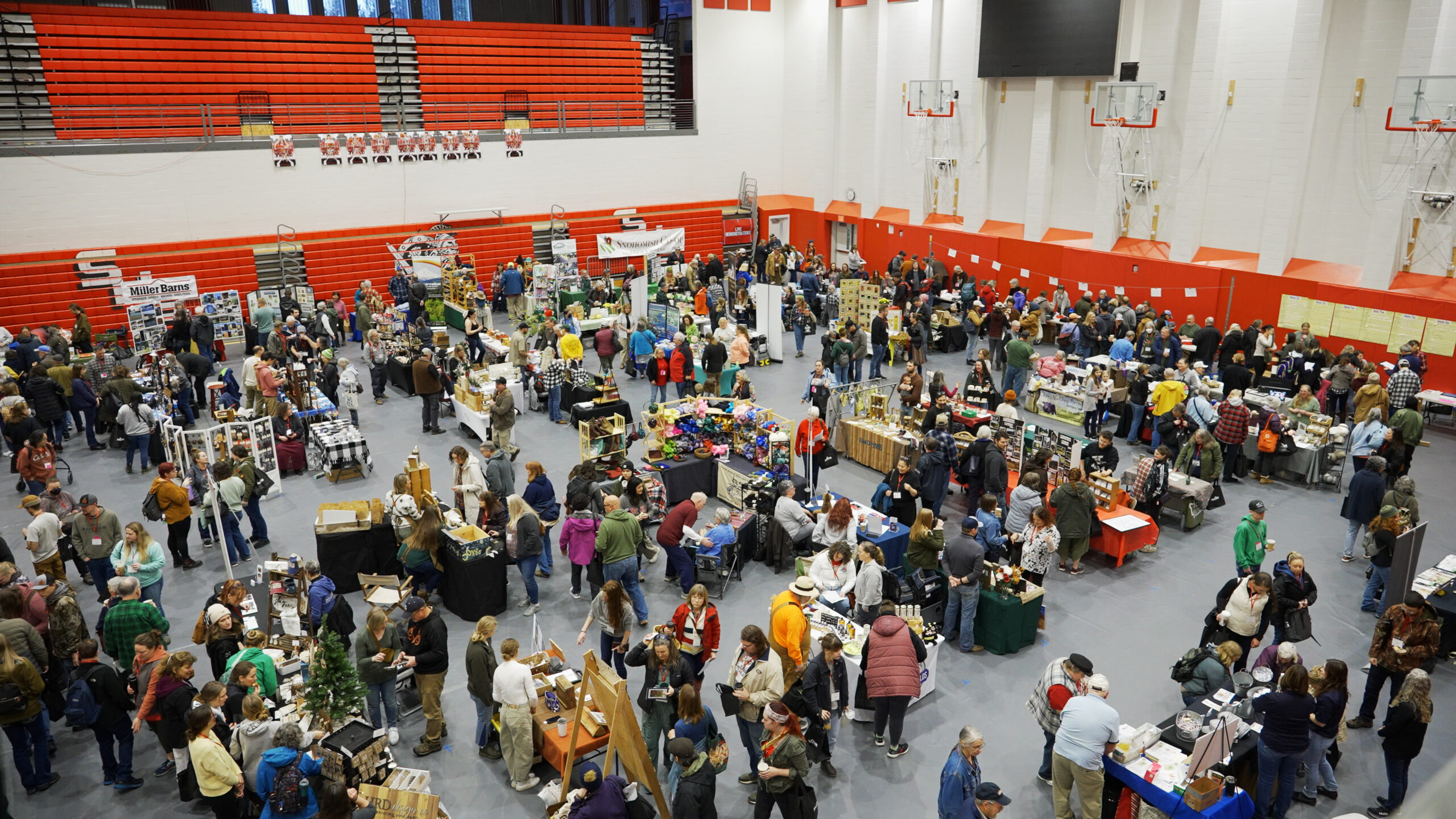
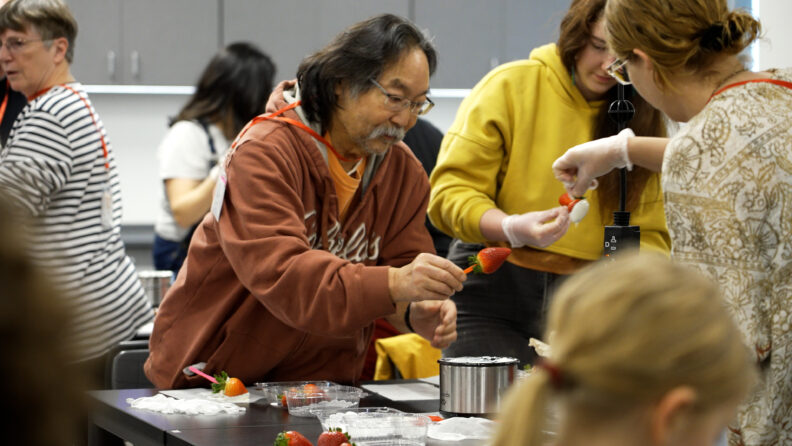
The Country Living & Modern Homesteading Expo is a full-day event offering 100+ hands-on workshops, expert-led classes, demonstrations, and community panels covering every aspect of rural life. Whether you’re raising goats, fermenting food, or building your first root cellar — this is where it all comes together.
Register for Country Living Expo 2026
2026 Class Listings
#101 Designing Regenerative Homesteads & Farms -Part 1 (must take part 2 class #201)
Instructor: Andrew Tuttle & Mary Marshall
Learn how to design productive, resilient spaces that nourish people while regenerating ecosystems. This session guides you through the principles and practices of regenerative design to create homesteads and farms that work with nature, not against it. You’ll explore site
planning, water harvesting, soil building, perennial food systems, and climate-smart strategies tailored to small and larger acreage. Whether you’re dreaming of a backyard food forest, abundant homestead, or production farm this class provides the tools and inspiration to bring your vision to life.
#103 Common Health conditions in Poultry
Instructor: Jonathan Elissa
Backyard flocks can be highly rewarding, but disease management can be equally frustrating. This class will help you keep disease out of your flock and identify when signs of disease are apparent. Learn about common disease conditions in backyard poultry, what symptoms to be aware of, and how to prevent them in your flock. Marek’s Disease, coccidiosis, mites, lice, and many other common afflictions will be discussed.
#104 Understanding and Preventing Mastitis in Livestock
Instructor: Erica DeWaard
Mastitis is one of the most common and costly diseases affecting dairy animals and nursing livestock. In this class, you’ll learn how to recognize early signs of mastitis, understand its causes, and explore both preventive and treatment strategies. Topics include proper milking hygiene, environmental management, nutrition’s role in udder health, and when veterinary intervention is needed. Whether you manage a few goats or a large herd of dairy cows, this class will help you protect animal health and maintain milk quality through practical, science-based care practices.
#105 Hay 101
Instructor: Dr. Scott Waltner
How to inspect, test and acquire the best hay to meet the needs of the species and life-stage animal you are feeding. Whether it’s Cattle, llamas, alpacas, horses, sheep, or goats this class will help you in the decision- making process. Learn how to design productive, resilient spaces that nourish people while regenerating ecosystems. This session guides you through the principles and practices of regenerative design to create homesteads and farms that work with nature, not against it. You’ll explore site planning, water harvesting, soil building, perennial food systems, and climate-smart strategies tailored to small and larger acreage. Whether you’re dreaming of a backyard food forest, abundant homestead, or production farm this class provides the tools and inspiration to bring your vision to life.
#106 Sheep 101: Part 1 (must also take part 2 class #206)
Instructor: Jessica Nemnich
Getting Started with your first sheep. If you are thinking of getting into sheep for the first time, you won’t want to miss this. We’ll talk about the basics of everything you need to know to bring home your first sheep, including hooves, shearing, fencing, housing, handling and medical care.
#107 Introduction to Pasture Management
Instructor: Ryan Gelwicks
Come learn the ins and outs of the basics of pasture management. Learn about rotational grazing, forage demands, practices to benefit your soil and animal health. Designed for pasture manager beginners.
#110 “So, You Want to Buy a Tractor”
Instructor: Steve VanValkenburg
Buying a tractor is one of the biggest investments a farmer can make—so how do you choose the right one for your needs? In this practical class, you’ll learn how to evaluate tractor size, horsepower, implements, and features to match your
operation and budget. We’ll cover new vs. used equipment, maintenance considerations, and what to look for before you buy. Whether you’re starting a small homestead or managing acres of production, you’ll leave confident in making a smart, long-term tractor purchase.
#115 Wool Lab: Skirting/Washing
Instructor: Denise Mor
Let’s talk about fleece! We’ll cover evaluating, skirting, sorting, and different techniques for washing raw wool.
#116 Saddle Fitting for Your Horse
Instructor: Cherie Geerdes
A good fitting saddle is imperative for the comfort of both horse and rider. It improves the way your horse will work, making them more willing. The goal of proper saddle fit is to identify a saddle that fits both participants-the horse and the rider. Cherie will look at the key physical characteristics affecting saddle fit and share critical saddle fitting points.
#117 Farming Smarter, Not Harder: How Artificial Intelligence Can Lighten Your Load
Instructor: Allen Bush
Running a homestead today means wearing a dozen hats — from business manager to marketer to mechanic. But what if you had a digital helper that could take some of that load off your shoulders? In this introduction, we’ll explore how Artificial Intelligence (AI) tools – and other “prompt personas” – can help small farmers save time, make better business decisions, and plan for the future. You don’t need any tech background; just bring your curiosity!
#119 Selecting and Feeding Rabbits for Meat Production
Instructor: Kody Friedrich
A long-time rabbit breeder and Snohomish County 4- H Rabbit Program Leader, will teach you what to look for when selecting rabbits for meat production. We will discuss selection based on breeds, phenotype selection, structure, and have hands-on opportunities to see and feel what to look for, and how good conformation leads to good carcass yield. This is a hands-on class and will give you the opportunity to feel and see a variety of rabbit body types.
#126 Goats 101
Instructor: Kim Wilson
Basic care and keeping of goats for beginners. Benefits of raising goats for dairy, meat or pet. Husbandry skills such disbudding, castration, hoof care, parasite prevention and control. Importance of proper housing, fencing, feeding for your breed
#127 Pigs 101
Instructor: Chris Carlson
Everything you need to know about raising your first pig. Feeding, Housing, and Fencing as well as larger operations.
#130 Arc Welding 101
Instructor: Daryl Main Materials fee: $10
Intro to welding with an opportunity for hands-on training for each student.
#133 Evaluating Livestock for Herd Improvements and Judging Competitions.
Instructor: Marlin Newhouse
This course will provide introductory and in-depth methods for evaluating market & breeding beef cattle, sheep, hogs, and Boer goats for selecting animals in a group to compete in a livestock judging competition or making decisions for herd improvements.
#134 Spindle Spinning
Instructor: Carol Osterman Materials fee: $30
This is a hands-on class to learn to spin yarn using a drop spindle. Each participant will receive a drop spindle and fiber to spin!
#137 Heritage Poultry Breeds
Instructor: Benjamin Janicki Materials fee: $10
Before the advent of large commercial farming operations, there were dozens of poultry breeds that were productive and useful with unique adaptations to different environments and management systems. They also happened to come in many unusual colors and forms. Today, most of these old heirloom breeds are on the brink of extinction. Heritage poultry breeds are naturally breeding, have long and productive outdoor lifespans, and moderate growth rates. We will discuss the history of heritage poultry, showcase breeds for various purposes including eggs and meat, and how to choose a breed, secure stock, and manage your own breeding flock of heritage birds.
#150 Simple Off Grid Solar Power
Instructor: Charles Ihler
Explore considerations for planning and design of small solar power project. Topics include: selection of components such as panels, batteries and inverters. Calculating power output and runtime needs, basic wiring.
#153 Introduction to Mason Bees
Instructor: Raymond Strelecki
This class covers the basics of why mason bees are important to us. Learn from someone who has been raising mason bees for 20 years how easy it is to raise mason bees, where to locate their houses for best results, how many bees you need, what plants attract mason bees, and how our NW weather can affect the bees and your crops.
#155 Noxious Weeds on Your Property: How to Manage Difficult and Undesirable Plants
Instructor: Paisley Blume & Louise Margaret, Snohomish Conservation District
Noxious weeds are invasive plants officially designated as harmful because they impact agricultural production, outcompete native species, degrade wildlife habitat, damage infrastructure, and alter land use. Learn how to identify these plants, understand how they spread, and discover effective ways to manage them.
#157 Beyond Monoculture: Science and Practice of Diverse Forests
Instructor: Stacey Dixon, Snohomish Conservation District
Many landowners are interested in growing a diverse forest, not just a monoculture. This talk will provide you with helpful guidelines and tips for choosing and combining species, along with management considerations when planting them. Participants will also take part in a group exercise on species selection and learn about techniques that support healthy mixed forests.
#158 Livestock Guardian Dogs
Instructor: Laura Faley
Livestock guardian dogs (LGDs) provide an environmentally friendly, effective way to protect livestock from predators. Unlike typical companion dogs, LGDs are bred to live with and safeguard herds—serving as both protectors and partners. Learn about the unique breeds, calm yet vigilant temperaments, and key training principles that make these dogs successful. Discover best practices for managing LGDs and dispel common myths about their behavior and role on the farm. Integrating livestock guardian dogs into your operation supports coexistence with wildlife while keeping your animals safe—naturally and sustainably.
#165 The Un-Bee-Leaf-Able Seed Library: how the Everett Public Library built a seed library and how you can make one too!
Instructor: Aarene Storms
Learn how to start your own seed library and grow community connections through seed sharing. Using Everett’s Un-Bee-Leaf-Able Seed Library as a model, we’ll cover how to get donations, package, and distribute seeds, promote your library, and keep simple records. Perfect for libraries, community gardens, and anyone who wants to help their neighborhood bloom
#166 Farm Building Location, Site Improvements, and Code Compliance
Instructor: Jon Schwegler
First in a three-part series of related, but stand-alone presentations on hobby farm construction. Locating permanent structures in the best spot on your property saves money, time and rework. The goal of this class is to present often overlooked considerations in site planning to save trouble down the line. This series is targeted toward folks who want a smallish structure that does not need a permit, such as a shed, small barn, greenhouse or manure structure. The concepts apply to larger sites also. We will cover the basics of code compliance, industrial engineering, designing for weather, mud control, future expansion, and utilities. Concepts from this class will apply to the second and third classes.
#167 What to Expect When You Are Buying Meat Directly from The Farmer
Instructor: Mary Fuentes
Grass fed and grain fed, knowing the difference and what is best for you and your family. This is a basics in picking cuts that you prefer and getting to know your farmer and finding farmers to buy directly from.
#170 Barn Quilt Painting- Part 1 (must take part 2, class #270)
Instructor: Danisha Miller Materials fee: $10
Discover the beauty and craftsmanship of barn quilt painting in this informative presentation. Learn how artists design and layout barn quilt patterns, use taping techniques to create clean lines, and apply paints to bring these striking designs to life. Through a slide show and discussion, you will gain the knowledge and confidence to plan your own project at home. Participants will also receive a class kit with eight barn quilt–inspired greeting cards to color, offering a fun way to explore color combinations and pattern ideas. Class kit includes Presentation Handout, one package of coloring greeting cards, and a pack of coloring pencils to take home. See our all-day Friday Class #001 if you would to create a full-size barn quilt!
#175 Raising Quail and Partridge for Supplemental Eggs and Meat
Instructor: Seth Smith
Learn how to get started with quail. Hatching, brooding, egg production, meat production. We will cover feeds, water, housing, cost, and profits whether from sales of products or reduction in your home grocery costs.
#181 Flower Arranging 101
Instructor: Nicole Snyder Materials fee: $10
Do you have pretty garden flowers and want to display them in your home? Learn techniques such as greening arrangements, placing flowers that help you create a shape, and keeping flowers alive longer.
#187 Growing Vegetables, Herbs, and Flowers
Instructor: Ada Snyder
This class is for folks interested in learning how to cultivate a vegetable, herb and flower garden. You’ll learn about growing in the PNW- location, soil prep, timing for seeding/transplanting, varieties that work well for the PNW and other tools for a successful and productive garden.
#188 An Introduction to Band Weaving on the Inkle Loom: Part 1 (Must also take part 2, class #288)
Instructor: Heidi Lucey Materials fee: $30.00
Band weaving is a fantastic way to dip your toe into the art of weaving; it’s fun and easy. With endless possibilities in color and pattern, your bands can become lanyards, straps for purses, bags, or guitars, or even decorative edging for clothing.
In this class you will learn the basics and terminology of weaving and pattern development. After warping a few strands yourself, we will spend the balance of the class weaving, learning good tension, consistency, and keeping those edges straight.
#189 All about Lavender
Instructor: Renee Ellsworth
How to grow this ancient herb, process it, and honor its place in your backyard medicinal and pollinator garden. Lavender on the homestead has a myriad of benefits. Find out how the lavender farm and homestead in Stanwood, Our Legacy Fields, uses every bit of this beneficial herb to support the total wellness of the farm, farmer and community.
#189 Clematis, the Queen of Climbers
Instructor: Laura Watson
Learn to bring the amazing beauty and variety of clematis to your garden—with ease. Learn how to how to Select, Grow, and Prune. Using great photos and a friendly speaking style, she will showcase the splendor of clematis and their amazing variety in color, shape, bloom time, and growth habit. Get details about the care of clematis, information about simplified pruning, and recommendations for easy clematis to try.
You will receive an informative and detailed handout.
#199 Intro to Pickling and Fermentation
Instructor: Jennie Goforth
Discover fermentation basics for foods like sauerkraut and learn about the quick pickling process for many different types of vegetable and fruit pickles. This class will also discuss short- and long-term storage methods for both fermented and quick pickles.
#200 Livestock Fecal Exam- Part 1 (must take part 2, class #300)
Instructor: Dr. Tim Cuchna
Learn the foundations of performing livestock fecal exams to monitor animal health and manage internal parasites. In this first session, Dr. Tim Cuchna will guide participants through the principles of parasite identification, sample collection, and preparation techniques. This hands class focuses on understanding why and how fecal exams are used as part of an effective herd health program.
#201 Designing Regenerative Homesteads & Farms -Part 2 (take part 1, class #101
Instructor: Andrew Tuttle & Mary Marshall
Learn how to design productive, resilient spaces that nourish people while regenerating ecosystems. This session guides you through the principles and practices of regenerative design to create homesteads and farms that work with nature, not against it. You’ll explore site planning, water harvesting, soil building, perennial food systems, and climate-smart strategies tailored to small and larger acreage. Whether you’re dreaming of a backyard food forest, abundant homestead, or production farm this class provides the tools and inspiration to bring your vision to life.
#202 What to Look for when you buy or Rent a Piece of Property
Instructor: Charlie Boon & Emmett Wild
You should always go on a second date! Match your farming goals and objectives with potential farm sites. All farms are not created equal. Learn what resources are available for evaluating soil types, land usage, setbacks, regulations and wetlands before you purchase a farm. Careful preplanning begins a strong foundation for meeting your personal and financial goals.
#205 Basic Beef Feeder Cow Nutrition
Instructor: Dr. Scott Waltner
How to plan and execute a simple feeding program for calves, yearlings, breeding stock and finish animals.
#206 Sheep 101: Part 2 (Must also take part 1, class #106)
Instructor: Jessica Nemnich
Getting Started with your first sheep. If you are thinking of getting into sheep for the first time, you won’t want to miss this. We’ll talk about the basics of everything you need to know to bring home your first sheep, including hooves, shearing, fencing, housing, handling and medical care.
#207 Advanced Pasture Management
Instructor: Ryan Gelwicks
Second class in the pasture management series. Come learn the science behind management decisions. If you are interested in the “why” this class is for you. Learn concepts on soil microbial health, how to conduct your own in field soil health assessment, advantages of a wholistic approach to pasture management and how we can control photosynthesis through grazing.
#208 Body Score Condition: Your Livestock
Instructor: Gary Fredricks
How do you know if you feed your animals correctly? Learn how to evaluate your animal’s condition and understand how that relates to their productivity and health.
#215 Wool Lab: Carding/Combing
Instructor: Denise Mor
Turn washed wool into carded batts, roving, or combed top. Demos of tools and techniques, with time for hands-on experience.
#216 Saddle Fitting for Your Horse
Instructor: Cherie Geerdes
A good fitting saddle is imperative for the comfort of both horse and rider. It improves the way your horse will work, making them more willing. The goal of proper saddle fit is to identify a saddle that fits both participants-the horse and the rider. Cherie will look at the key physical characteristics affecting saddle fit and share critical saddle fitting points.
#223 Clipping and Showing Beef Cattle
Instructor: Toth
What does it take to win in the show ring? Learn current trends in the art of clipping and fitting to
stand out in the show ring from professionals.
#225 Cheese Making in the Homestead- Part 1 (must take part 2, class #325)
Instructor: Diana Miller
Learn how to take your food self-sufficiency to the next level by making hard, aged cheese at home. In this class, we will make Alpine Tomme cheese from raw cow’s milk. The process of cheese making involves 4 basic steps; culture the milk, set the curd, cut and cook the curd, and press the curd. I will also cover
bringing your cheese and storing and aging your cheese. I teach all these steps on a homestead level. My goal is to make cheesemaking less daunting. I will also cover starting and maintaining a clabber and how to use a clabber to culture your cheese so that you are not relying on freeze-dried cultures that you purchase.
#230 Arc Welding 101
Instructor: Daryl Main
Intro to welding with an opportunity for hands-on training for each student.
Materials fee: $10
#233 Applying EPD’s (genetic Data) to selection decisions
Instructor: Marlin Newhouse
This course will explain the Expected Progeny Difference data and definitions often considered for making herd improvements and how to utilize the data in livestock judging competitions. We will look at example scenarios and review actual breed data.
#234 Raising Broilers on Pasture
Instructor: Carol Osterman
Learn how to raise your own broiler chickens from start to finish. This class covers choosing chicks, brooding, feeding, and managing birds on pasture for healthy growth and great flavor. Gain the confidence and know-how to produce wholesome, homegrown chicken for your freezer.
#237 Raising Heritage Turkeys
Instructor: Benjamin Janicki
Heritage turkeys are long lived, active foragers that are able to mate naturally and raise their young. Heritage birds grow at a more moderate pace relative to modern commercial turkeys, allowing them to develop a layer of fat beneath the skin which imparts a richer flavor to the meat. They come in many unique color varieties, all of which are in danger of extinction. We will discuss the history of domestic turkeys, describe the varieties, and how to choose and raise your own birds and manage your breeding flock for success.
#239 Beginning Beekeeping: Part 1 (Must also take part 2, class #339)
Instructor: Tamila Morgan
Learn how to keep honeybees successfully in the PNW. You will learn how we successfully keep bees without the use of chemicals and treatments! This class will cover the basics of: shelter and Food, using and setting up different types of equipment, the basic behaviors of bees, how to know when “something” is wrong doing a quick inspection, different diseases and what to do, grading your bees, locating your queen quickly, honey bee nutrition, how to maintain a healthy hive, successful over-wintering in the PNW. This is a hands-on class without the bees!
#241 Rejuvenate! Quick landscape design for homeowners
Instructor: Kathy Anderson
So many people want to work in their own yard but lack design skills. In this class, participants will be guided to create a vision for their landscape and add their own elements to a provided template to get started! Unsure of what you want? Don’t worry. This class will guide you through the actual steps I take when working with a new client. You will leave knowing what you have and what you can do with it!! Remember to bring a picture of an outdoor space that you would like to enhance. All other materials are provided. You can also take class #2 that focuses on layering your landscape for year-round beauty!
#242 The 411 on Cavies (Guinea Pigs) and Rabbits
Instructor: Heidi McCurdy, Jocelyn Rees
Are you curious about Cavies? This class introduces kids and families without large properties to the world of 4-H through small animal care. Designed for those living in urban areas, apartments, or cul-de-sacs, the class highlights ways to participate in 4-H with animals like rabbits, and other small pets. Instructors will demonstrate that, even without a farm, kids can experience the joy and responsibility of animal care, develop new skills, and fully enjoy the 4-H experience! (Farm kids are also welcome!)
#249 Making Your Own Yarn- Spinning Yarn with a Spindle- Part 1 (must take part 2, Class #350)
Instructor: Instructor: Karen Chabinsky & Barbara Seeler Materials Fee: $30.00
Ever wonder if you could spin your own yarn? Isn’t the equipment expensive? Are there not a lot of accessories you also need? Never fear! Learning to spin can cost you from nothing to thousands of dollars. Spindle spinning is a good way to start. This class will include a well-balanced spindle, fiber, and instruction that can take you from start to finish in making yarn on a spindle. We include a good grade of fiber for you to start with and personal instruction to help you become confident with your spinning. We will cover types of fibers, spinning tools, differences and what to look for in a spindle, how to finish your yarn and bring samples of different types of yarn reflecting the spinning methods used. We will also cover “where to go” if you want to join a guild and how to find more fiber to spin. Come join the fun! Barbara and Karen both have over 30 years’ experience in the art of spinning yarn, weaving, dyeing fiber and other related fiber crafts. You’ll receive two different fibers, a well-balanced spindle and instructions covering the spinning process from start to finish to take with you.
#250 Simple Off Grid Solar Power
Instructor: Charles Ihler
Explore considerations for planning and design of small solar power project. Topics include: selection of components such as panels, batteries and inverters. Calculating power output and runtime needs, basic wiring.
#251 Using Essential Oils on the Farm
Instructor: Tamara Shelley
Learn how to use essential oils on your farm, inside the home and out, for you, your family, your pets, your livestock, and more. From natural, effective cleaning in your home and barn, to helping keep your pets and livestock thriving on your farm, this class is for everyone!
#252 Fruit Tree Pruning
Instructor: Gary Moulton
Learn the proper techniques & strategies for pruning fruit trees to maximize fruit production and strengthen the tree from long time successful production grower.
#253 Sourdough Bread Baking for Beginners
Instructor: Carol Frey
Flour, water, and salt. These are all you need to bake sourdough bread at home, but the process can be confusing for the inexperienced. If you’ve tried keeping a sourdough culture without success, or if you’d like to try but are concerned about failure, come to this class on the art and science of sourdough. Come see and smell sourdough cultures at different stages and learn how to keep a thriving culture that will raise tasty bread in your home oven. We’ll also learn ways to fit regular bread-baking into your busy life.
#254 Feeding Swine
Instructor: Jenny Miller
A Feeding Swine class teaches participants the fundamentals of nutrition and feeding practices for pigs at all stages of growth. Topics include understanding swine dietary needs, selecting appropriate feeds, managing feed costs, and promoting healthy weight gain. By the end, students will be able to create balanced feeding plans that support the health and productivity of their pigs.
#255 Common Garden Problems and How to Address Them
Instructor: Virgene Link-New
Join us for ideas on how to manage many of your common garden issues, as well as landscape and orchard problems. Bring your Gardening issue and questions!
#258 Starting a Livestock Guardian Dog Puppy
Instructor: Laura Faley
Puppies are so adorable! And puppies seem so much smaller, easier to manage, and less expensive to purchase than mature working dogs. But what are the training challenges and pitfalls to be aware of to get a Livestock Guardian Dog from puppy to 2-yr-old working maturity? Are there advantages? What training methods are most effective with LGDs? How do I choose which breed? What is my financial commitment? This class is a crash course on the do’s and don’ts, the challenges, the joys, and stages of development when starting with an LGD puppy on your farm. This class is not about pet puppies; it is exclusively about puppies from Livestock Guardian Dog breeds who are needed to work as Livestock Guardians on your farm.
#260 Intro to Landscape Design, Part 1 (must take part 2, class #360)
Instructor: David Malda
This popular class will focus on design fundamentals to help you improve and design your individual landscape from the ground up. Particular emphasis will be given to: site analysis, exploring how you have used or want to use your landscape or outdoor space, and connecting your home to your outdoor living space and the surrounding environment.
#261 Perfecting the Pie Crust: A Hands-On Baking Workshop
Instructor: Krista Cairus
Discover the secrets to creating a flaky, tender, and flavorful pie crust every time! In this hands-on class, you will learn the techniques that make all the difference—selecting the right fats and flours, mastering the mixing process, and handling dough for perfect texture and structure. Participants will make their own crusts from scratch and leave with the skills (and confidence) to bake pies that wow every time. All materials provided.
#266 Bears: myth, magic, and reality coexist with this amazing species.
Instructor: Anne Braaten
We share most of Washington with American black bears, yet much of what people think – and fear – about bears is misguided. This affects how we live with bears and recreate in their habitat. We will learn about black bears’ amazing adaptations, habitat and diet, their boundless brains and resilience. All of these attributes affect people’s interactions with them and through understanding this we can learn how to
#267 How to Grill a Perfect Award-Winning Steak
Instructor: Evan Wiederspohn
Learn how to take your grilling skills to the next level! This class covers everything from selecting quality cuts of meat and choosing the right type of grill to mastering temperature control and using helpful gadgets. You will also explore seasoning and flavor profiles that bring out the best in your meats and gain a better understanding of doneness for perfect results every time.
#270 Barn Quilt Painting- Part 2 (must take part 1, class #170)
Instructor: Danisha Miller
Discover the beauty and craftsmanship of barn quilt painting in this informative presentation. Learn how artists design and layout barn quilt patterns, use taping techniques to create clean lines, and apply paints to bring these striking designs to life. Through a slideshow and discussion, you’ll gain the knowledge and confidence to plan your own project at home. Participants will also receive a class kit with eight barn quilt–inspired greeting cards to color, offering a fun way to explore color combinations and pattern ideas. Class kit includes Presentation Handout, one package of coloring greeting cards, and a pack of coloring pencils to take home.
#275 Plant Propagation on The Homestead
Instructor: Seth Smith
Learn how to successfully create duplicate plants from your existing ones. Having these tips, tricks, and methods will not only build your confidence but also save you valuable time and money.
#277 Forest Health in the PNW: Part 1 (Must also take part 2, class #377)
Instructor: Kevin Zobrist
The class covers what every owner of wooded property needs to know about how forest health works in western Washington. Learn about current and spreading issues affecting the area, risk factors, and how to know how well your forest is functioning. Know what is
normal and what is not, when to be concerned, and what to do if you suspect a problem. The discussion will include root diseases, insects, parasitic plants, and drought, and we will discuss practical strategies for recovering from and preventing problems.
#287 Growing Vegetables, Herbs and Flowers
Instructor: Ada Snyder
This class is for folks interested in learning how to cultivate a vegetable, herb, and flower garden. You will learn about growing in the PNW- location, soil prep, timing for seeding/transplanting, varieties that work well for the PNW and other tools for a successful and productive garden.
#288 An Introduction to Band Weaving on the Inkle Loom: Part 2 (Must also take part 1, class #188)
Instructor: Heidi Lucey
Band weaving is a fantastic way to dip your toe into the art of weaving; it’s fun and easy. With endless possibilities in color and pattern, your bands can become lanyards, straps for purses, bags, or guitars, or even decorative edging for clothing. In this class you will learn the basics and terminology of weaving and pattern development. After warping a few strands yourself, we will spend the balance of the class weaving, learning good tension, consistency, and keeping those edges straight.
Class Fee: $30.00
#299 Root Cellars and Microclimate Storage
Instructor: Jennie Goforth
Root Cellars and Microclimate Storage: Learn about food storage and preservation methods including freezing, dehydration, and using root cellars or other microclimate storage in your home. We will also look at assorted designs for root cellars and basic construction methods. The instructor has utilized a root cellar for twenty years and can offer practical advice and information.
#300 Livestock Fecal Exam- Part 1 (must take part 2, class #200)
Instructor: Dr. Tim Cuchna
Learn the foundations of performing livestock fecal exams to monitor animal health and manage internal parasites. In this first session, Dr. Tim Cuchna will guide participants through the principles of parasite identification, sample collection, and preparation techniques. This hands class focuses on understanding why and how fecal exams are used as part of an effective herd health program.
#308 Pasture Renovation Options
Instructor: Gary Fredricks
Your pasture just is not producing enough grass to maintain your livestock and a change is needed. Plowing a field to start over can be expensive. Find out what other options you can use to invigorate your pasture to maximize grass production on a budget.
#310 Electric Chainsaws
Instructor: Steve Vanvelkenburg
This class will cover the use, care and operation of electric drive chainsaws. We will look at both corded and battery driven electric saws, how they differ from your common gasoline operated chainsaw and how similar they are. We will cover powering the saw, basic maintenance, chain sharpening and safe use. Bring your questions!
#314 Connections for Success: Foundations of Small Herd Cattle Management
Instructor: Anna Groeneveld
Successful cattle management isn’t about the size of the herd-it is about the connections you build, the knowledge you gain, and the care you give every day. With the right who’s, what’s and how’s, you will have the tools to raise healthy, productive cattle and enjoy the journey.
Class is targeted at new and seasoned cattle owners. Beef dairy or homestead cattle owners will be equipped with information and resources to hone their skills for long term animal care and management.
#319 Rabbit Butchery
Instructor: Kody Friedrich
This class is not for the faint of heart. Instructor Kody Friedrich will lead you through processing rabbits for consumption, as well as the do’s and don’ts of dispatch. We will also discuss rough anatomy and warning signs to look for during dispatch. This is a demonstration class only, no hands- on component.
#320 Sheep Showing to Win
Instructor: Tarisa Toth
Join us on this exciting journey to become a skilled and competitive sheep exhibitor. Whether you’re a novice or an experienced showman, this class offers valuable insights, practical skills, and insider tips to enhance your success in the sheep fitting and showing arena. Get ready to showcase your sheep!
#325 Cheese Making in the Homestead- Part 2 (must take part 1, class #225)
Instructor: Diana Miller
Learn how to take your food self-sufficiency to the next level by making hard, aged cheese at home. In this class, we will make Alpine Tomme cheese from raw cow’s milk. The process of cheese making involves 4 basic steps; culture the milk, set the curd, cut and cook the curd, and press the curd. I will also cover
bringing your cheese and storing and aging your cheese. I teach all these steps on a homestead level. My goal is to make cheesemaking less daunting. I will also cover starting and maintaining a clabber and how to use a clabber to culture your cheese so that you are not relying on freeze-dried cultures that you purchase.
#327 Crabbing
Instructor: Chris Carlson
Everything you need to know to spend a day crabbing in the Puget Sound. Discussion will include Licenses, equipment, bait and traps. Helpful techniques to catch your limit every time!
#333 Developing oral reasons for judging selections.
Instructor: Marlin Newhouse
This course will utilize information from classes 133 & 233 to develop the structure and content for livestock judging oral reasons or explaining animal selection criteria along with presentation skills.
#335 Hitting the Sweet Spot with Sweet potatoes
Instructor: Jordon White
Attendees will learn how to grow sweet potatoes on a small scale successfully in the Pacific Northwest Climate, through information on slip production, cultivar selection, harvest, and curing.
#337 Advanced Poultry Genetics and Selection
Instructor: Benjamin Janicki
Already raise poultry, but want to take your breeding operation to the next level? Love genetics and want to learn more about how it works in chickens, ducks, geese, and turkeys? This class will cover a brief history of poultry breeding, overview of poultry genetics, inbreeding, hybridization, and common strategies on breeding for both show and productive qualities.
#339 Beginning Beekeeping: Part 2 (Must also take Part 1, class #239)
Instructor: Tamila Morgan
Learn how to keep honeybees successfully in the PNW. You will learn how we successfully keep bees without the use of chemicals and treatments! This class will cover the basics of shelter and Food, using and setting up different types of equipment, the basic behaviors of bees, how to know when “something” is wrong doing a quick inspection, different diseases and what to do, grading your bees, locating your queen quickly, honey bee nutrition, how to maintain a healthy hive, successful over- wintering in the PNW. This is a hands-on class without the bees!
#341 Fill the Gaps: More Plants, More Beauty
Instructor: Kathy Anderson
The number one request I hear in landscape consultations is simple: “more plants to fill the space!” In this class, I will show pictures to demonstrate how to fill a landscape and what is possible for small spaces, too. Winter, Spring, Summer & Fall…..Visualize your 4-season landscape here!!
#350 Making Your Own Yarn- Spinning Yarn with a Spindle- Part 2 (must take part 1, class #249)
Instructor: Instructor: Karen Chabinsky & Barbara Seeler
Ever wonder if you could spin your own yarn? Isn’t the equipment expensive? Are there not a lot of accessories you also need? Never fear! Learning to spin can cost you from nothing to thousands of dollars. Spindle spinning is a good way to start. This class will include a well-balanced spindle, fiber, and instruction that can take you from start to finish in making yarn on a spindle. We include a good grade of fiber for you to start with and personal instruction to help you become confident with your spinning. We will cover types of fibers, spinning tools, differences and what to look for in a spindle, how to finish your yarn and bring samples of different types of yarn reflecting the spinning methods used. We will also cover “where to go” if you want to join a guild and how to find more fiber to spin. Come join the fun! Barbara and Karen both have over 30 years’ experience in the art of spinning yarn, weaving, dyeing fiber and other related fiber crafts. Materials Fee for two different fibers, a well-balanced spindle and instructions covering the spinning process from start to finish to take with you.
#351 Grow and Process Your Own Tea (WSU Research Project)
Instructor: McKenzie Shelton
“With the right variety selection, you can grow your own tea (Camellia sinensis) in western Washington. Researchers at the WSU Northwestern Washington Research and Extension Center (NWREC) have developed guidelines for tea planting, long-term care and propagation from cuttings. The WSU NWREC tea team has also harvested leaves from locally-grown tea plants and developed at-home processing methods for several different types of tea (e.g., red, green, black, oolong). Learn how to successfully propagate and grow your own tea plants in western Washington. And discover the methods for the homemade teas that were favored in the WSU NWREC tea tasting!”
#353 Versatile Blueberry-Health Benefits, Versatile Uses, and Cooking with Farmer Karen Fuentes
Instructor: Karen Fuentes
Explore the uses, health benefits, and versatility of blueberries and enjoy a fun blueberry cooking demonstration that showcases amazing blueberries with local farmer Karen Fuente
#354 Paws, Patience, and Practice: A Beginner’s Guide to Dog Ownership
Instructor: Jenny Miller
Thinking about getting a dog or just brought one home? Learn the essentials of responsible dog ownership—from choosing the right food and understanding vaccinations to basic training, exercise, and grooming needs. We’ll cover how to keep your dog healthy, happy, and well-mannered so you can enjoy a lifelong bond with your four-legged friend.
#360 Intro to Landscape Design, Part 2 (must also take part 1, class #260)
Instructor: David Malda
This popular class will focus on design fundamentals to help you improve and design your individual landscape from the ground up. Particular emphasis will be given to: site analysis, exploring how you have used or want to use your landscape or outdoor space, and connecting your home to your outdoor living space and the surrounding environment.
#366 Farm Building: Design and Basic Construction Methods
Instructor: Jon Schwegler
Second in a three-part series of related, but stand-alone presentations on hobby farm construction. Many hobby farms have multiple types of animals, and constructing facilities/fencing that keep animal feed separate and exclude predators can be a challenge. The goal of this class is to discuss the needs of participants and develop/share ideas that can fit the needs of each situation. This will be a seminar, not a lecture. Portable and permanent structures will be discussed. General construction methods will be shared to outline the materials and tools that tend to work best for the do-it-yourself hobby farmer.
#377 Forest Health in the PNW: Part 2 (must also take part 1, class #277)
Instructor: Kevin Zobrist
The class covers what every owner of wooded property needs to know about how forest health works in western Washington. Learn about current and spreading issues affecting the area, risk factors, and how to know how well your forest is functioning. Know what’s normal and what’s not, when to be concerned, and what to do if you suspect a problem. The discussion will include root diseases, insects, parasitic plants, and drought, and we’ll discuss practical strategies for recovering from and preventing problems.
#398 Layering for a Dynamic & Beautiful Garden
Instructor: Laura Watson
One of the most important elements of a beautiful & dynamic garden is layering, by staggering foreground, middle-ground, and background to create an alluring and satisfying landscape. Principles include repetition, scale, flow, depth, contrast, and focal points. Learn to bring layering principle into your garden.
#399 Intro to Canning-Learn the basics of safe canning practices as we explore water bath and pressure canning.
Instructor: Jennie Goforth
Learn the basics of safe canning practices as we explore water bath and pressure canning. Discover how to determine which foods may be safely processed with a boiling water bath, which foods require the use of a pressure canner, and why. This introductory class will cover some important terminology, identify different types of equipment, and ways to access safe, tested recipes for canning.
#400 Physical Exam of the Ruminant-Looking Deeper into the Animal
Instructor: Dr. Tim Cuchna
This class will cover a hands-on physical exam of the ruminant animal. My examination is based on a systems approach to the animal. These systems include sensory, reproductive, digestive, mammary plus several more. I will go over equipment needed, safety, normal parameters for the animal, and just as importantly, give you abnormalities for each system. For those animals who are not as cooperative, I will also provide some information for an over-the-fence exam. The goal I have in all my classes is to help owners take a more active role in the management of their animals. One of the most popular classes from last year. Bring your questions.
#401 Beef Calf Necropsy- Part 1 (must also take part 2, class #501)
Instructor: Dr. Chris Mandella
This class will begin with a brief lecture covering specific considerations for performing a field necropsy, identifying lesions, and clarifying treatment successes and failures. Following the introductory lecture a demonstration of field necropsy techniques will be covered in a lab setting.
#404 Raising Calves
Instructor: Erica DeWaard
This class teaches the essentials of caring for young cattle, from birth through weaning. Participants learn about feeding, housing, health care, and managing growth milestones to raise healthy, strong calves. By the end, students will have the knowledge and skills to confidently raise calves for dairy or beef production.
#405 Goat and Sheep Hoof Care
Instructor: Ali Maynard
Temperate climates are typically lush, but wet winters are hard on hooves. Ali Maynard, the Farm Program Coordinator at Farrel – McWhirter Park will walk this class through some best practices that the City of Redmond follows for mud mitigation, rotational grazing, nutrition, enrichment, and hoof trimming for Goats and Sheep. Get the basics of hoof health from the perspective of inside and outside the animal. Leave the class feeling empowered to start trimming your own animals’ hooves or set goals for your facility management now and into the future.
#430 Arc Welding 101
Instructor: Daryl Main Materials fee: $10
Intro to welding with an opportunity for hands-on training for each student.
#442 Rabbit Showmanship
Instructor: Amy Graham
This class will go over the basics of fitting and showing for beginners. Topics will include grooming, handling, and knowledge. Class is geared towards youth competing in 4-H and FFA.
#443 Cold Process Soap– Everything you wanted to know: Part 1 (must also take part 2, class #543)
Instructor: Karen Corey
Have you been thinking about making cold process soap but are afraid of lye? Or have you tried, and it wasn’t a success? I will go over everything you need to know chemistry, materials, safety, process, and more. We will make a small batch in class so you can see what ‘trace’ looks like.
#455 Gardening for Pollinators
Instructor: Virgene Link-New
The importance of our pollinators is in the news. Pollination of plants is responsible for 1 of every 3 bites of food we consume and is essential for our varied diet. Come learn some important ways you can attract and support those that “buzz” in your own garden space.
#460 Garden Tool Selection, Sharpening and Maintenance
Instructors: Don Ham & Diana Wisen
With such an array of garden tools available, how do you choose what’s right for you and your gardening needs? Learn how to select, care for and sharpen your own garden tools. which will make gardening easier and more fun for you.
#461 Krumkake~ A Scandinavian Specialty Cookie
Instructor: Krista Cairus
This session is a demonstration on how to make a Scandinavian Sweet Treat. Come observe and then taste these fabulous cookies!
#470 Beginning Dog Psychology 101
Instructor: Cristine Cameron
Does your dog growl? It doesn’t always mean aggression. Do you have to bribe your dog to “Come”? He wants to play “fetch” so why doesn’t he bring the ball to me? Why does he run off? Jumping up on people? What does that have to do with “submissive peeing”?? Are you encouraging the very thing you desperately try to discourage?! Do you believe that dogs crave boundaries? Are some breeds always a certain way no matter what you do? What types of psychologies are best with children? Down vs down vs down………… Please join us for an hour of discussion that will hopefully lead to a better understanding of how your dog thinks and that way to a more enjoyable and rewarding relationship with your dog or dogs. Nothing makes me happier than helping folks have a better relationship with Man’s Best Friend.
#473 Invasive Insects in Washington State
Instructor: Charlie Coslor
Learn about the invasive insect species posing risks to Washington’s forests, farms, and gardens. This class will help you identify key pests, understand their impact on local ecosystems and agriculture, and know what actions to take if you spot them. Participants will gain practical tools for early detection and prevention, helping protect the state’s natural and agricultural resources.
#477 Forest Resilience for Wildfire and Climate Change
Instructors: Nolan Kitts and Paisley Blume, Snohomish Conservation District
Resilience is a forest’s ability to recover from disturbances like fire, drought, and disease. In this session, you will be introduced to concrete tools you can use to bolster your property’s resilience against the mounting pressures of wildfire and climate change. We will also introduce cost-share programs that are available to landowners to help them manage their property.
#480 Totally Tomato
Instructor: Sheri Rylaarsdam
Totally tomato. We will start at the beginning with a quick overview of how to start tomatoes from seed, discuss soil preparation, fertilizer, watering, pruning, types of supports and diseases. Come with ideas to share on which cultural practices work for you and what to do with your bountiful crop. We’ll even make time for you to give a quick promo on your favorite variety. Go away with printed handouts, a freebie or two, and inspiration for the pending tomato growing year.
#481 Flower Arranging 101
Instructor: Nicole Snyder Materials fee: $10
Do you have pretty garden flowers and want to display them in your home? Learn techniques such as greening arrangements, placing flowers that help you create a shape, and keeping flowers alive longer.
#488 Small Loom Weaving: Continuous Weave on a Zoom Loom
Instructor: Heidi Lucey Materials fee: $10
Discover the joy of small loom weaving using the versatile Zoom Loom! In this hands-on class, you’ll learn the continuous weave method to create seamless woven squares—perfect for combining into scarves, blankets, or creative projects. Perfect for beginners or experienced fiber artists looking to expand their skills.
#500 Raising Leaders: A Parent’s Guide to 4-H and FFA
Instructor: Nicole Jones
Curious about getting your child involved in 4-H or FFA? This session will introduce families to the wide range of opportunities these youth programs offer—from hands-on projects and leadership development to community service and career skills. We’ll cover what participation looks like, the time and support needed from parents, and how to help your child make the most of their experience.
Whether you’re brand new or just want to learn more, this class will help you confidently take the next step in raising tomorrow’s leaders!
#501 Beef Calf Necropsy- Part 2 (must also take part 1, Class #401)
Instructor: Dr. Chris Mandella
This class will begin with a brief lecture covering specific considerations for performing a field necropsy, identifying lesions, and clarifying treatment successes and failures. Following the introductory lecture a demonstration of field necropsy techniques will be covered in a lab setting.
#502 Raising Ducks on the Homestead
Instructor: Emmet Wilde
Ducks are the ultimate homesteading super species! You can manage crops biodynamically with their superpower pest control of slugs, snails and other insects. Get delicious eggs that are great for baking and eating. Keep them as comedic and fun pets or have meat for your holiday table. Regardless of your reasons for wanting ducks, this class will walk you through current best practices for care and infrastructure needs, physiology and behavior, breeds and uses, and will help you develop a sustainable flock of your own. So come quack about ducks with us!
#503 Poultry Necropsy- Part 1 (must also take part 2, class #603)
Instructor: Dr. Jonathan Elissa
Learn how to perform a post-mortem examination of poultry in this hands-on workshop designed for poultry owners and anyone interested in understanding basic poultry anatomy and physiology. Common findings will be discussed.
#505 Basic Beef Cow Nutrition- Cow/Calf
Instructor: Dr. Scott Waltner
How to plan and execute a simple feeding program for calves, yearlings, breeding stock and finish animals. Find the best solutions for you.
#506 Cheese Making: Mozzarella
Instructor: Jessica Nemnich
After home dairying for years, I make all of my own dairy products. Learning all of it takes a lifetime, but in this class, I can get you started making fresh Mozzarella. I work full time and farm, but I have learned to make delicious dairy products in my kitchen on a regular basis. In this class, we will make mozzarella, from start to finish.
#508 Feeding Dairy Goats
Instructor: Gary Fredericks
Feeding your goats should maximize production, maintain the health of the animal and should not be costly. If you are not achieving these three goals, come learn feeding tips that will help both you and your herd.
#510 “So, You Want to Buy a Tractor”
Instructor: Steve VanValkenburg
Buying a tractor is one of the biggest investments a farmer can make—so how do you choose the right one for your needs? In this practical class, you’ll learn how to evaluate tractor size, horsepower, implements, and features to match your operation and budget. We’ll cover new vs. used equipment, maintenance considerations, and what to look for before you buy. Whether you’re starting a small homestead or managing acres of production, you’ll leave confident in making a smart, long- term tractor purchase.
#511 Fundamentals of Livestock Fencing
Instructor: David Lucy
Fencing is a big expense! How and where you install it will affect the cost and time to build and maintain it. In this class we’ll discuss the ‘how’s, why’s, and ‘when’s’ of fence construction, suiting your fencing to your needs, fence placement, upkeep, and patching. Methods and materials will be discussed; from the way the fencing contractor does it to how the rancher avoids breaking the bank.
#512 Processing Chickens Part 1 (must also take part 2, class #613)
Instructor: Aaron Silves Materials fee: $35
In this hands-on class, participants will learn the step-by-step process of humanely and efficiently processing chickens for personal use or small-scale production. Topics include safe handling, proper equipment use, slaughter techniques, scalding, plucking, evisceration, and carcass cleaning. Emphasis is placed on food safety, respect for the animal, and compliance with current regulations. By the end of the class, students will gain the confidence and skills to process poultry from start to finish with care and professionalism. Each participant will take home their processed chicken—please bring a cooler with ice for transport home.
#513 Preparing for Lambing and Kidding- Part 1 (must also take part 2, class #613)
Instructor:
Don’t be caught unprepared in an emergency during the most important time of the year! Assess your pregnancy nutrition and vaccination plans, check your inventory for important medicines, prepare a gear bag with critical tools near-at-hand, and assess your infrastructure in the weeks ahead, so you are ready for anything! *TWO HOUR CLASS* First hour is focused on preparing for mama issues, 2nd hour is focused on preparing for baby issues.
#515 Wool Lab: Quick and Easy Dyeing with Kool-Aid and other Food Coloring Part 1 (must take part 2, class #615)
Instructor: Denise Mor
In this hands-on class we’ll explore a few different methods for using common household tools and materials to achieve unique effects on yarn and carded fiber. Bring your creativity and leave with samples of custom dyed yarn and wool roving. All materials provided.
#519 Selecting and Feeding Rabbits for Meat Production
Instructor: Kody Friedrich
Instructor Kody Friedrich, a long-time rabbit breeder and Snohomish County 4- H Rabbit Program Leader, will teach you what to look for when selecting rabbits for meat production. We will discuss selection based on breeds, phenotype selection, structure, and have hands-on opportunities to see and feel what to look for, and how good conformation leads to good carcass yield. This is a hands-on class and will give you the opportunity to feel and see a variety of rabbit body types.
#526 Growing Great Pastures
Instructor: Jon Jarvis
This class will cover all aspects of Pasture Management from establishing a new pasture to renovating and existing needing help. Other topics covered will include soil sampling, seed selection, nutrient management, fertilizer time, weed control techniques, and various harvest methods.
#530 Arc Welding 101
Instructor: Daryl Main Materials fee: $10
Intro to welding with an opportunity for hands-on training for each student.
#534 Raising Market Pigs on Pasture
Instructor: Carol Osterman
Pastured pigs are great pasture renovators, learn the steps to get them from weaner to market weight while they do what nature intended them to do.
#535 Hitting the Sweet Spot with Sweet potatoes
Instructor: Jordon White
Attendees will learn how to grow sweet potatoes on a small scale successfully in the Pacific Northwest Climate, through information on slip production, cultivar selection, harvest, and curing.
#536 Wildlife in our Lives- How to Enjoy and Tolerate Coexistence, Management, and Conservation for Washington Landowners
Instructor: Ken Bevis
Wildlife is a great joy to have as a part of our rural living experience, except when they are not. Wildlife exists as an expression of available habitats. In this talk I will explore species and their local habitats, and how we can better live with (enhance and tolerate) our wildlife neighbors. Also featured will be programs available to small forest landowners from DNR and other helpful agencies.”
#537 Enhancing Farm Education and Online Agritourism
Instructor: Andrew Tuttle & Mary Marshall
Learn about new tools and strategies you can use to tell your farm’s story, reach a wider audience online, and strengthen farm education programs. Edge Perma uses advanced technology to develop virtual farm experiences, making farm education more accessible. Gain an understanding of why these methods of site documentation can benefit local farmers and connect more consumers with farms. Leave this session with a list of affordable drones, cameras, and software programs you can utilize right away to expand your reach.
#539 Natural Beekeeping Class- Part 1 (must take part 2, class #639)
Instructor: Tamila Morgan
How to Keep Bees Naturally: A Practical Guide for Busy Homesteaders offers a simple, sustainable approach to beekeeping focused on pollination over honey production. Learn how to support resilient, low-maintenance colonies that work in harmony with your land and gardens. This two-hour class is perfect for homesteaders who want the benefits of bees without the intensive management.
#543 Cold Process Soap– Everything you wanted to know: Part 2 (Must also take part 1, class #443)
Instructor: Karen Corey
Have you been thinking about making cold process soap but are afraid of lye? Or have you tried, and it wasn’t a success? I will go over everything you need to know chemistry, materials, safety, process, and more. We will make a small batch in class so you can see what ‘trace’ looks like, and you will go home with some fresh soap.
#545 The Living Grain: Milling & Baking at Home
Instructor: Kerry Higgins
Learn how to unlock the full potential of wheat by milling it fresh in your own kitchen. This workshop explores the differences between soft and hard wheats, as well as red and white varieties, highlighting their unique baking qualities and nutritional benefits. We’ll cover how freshly milled flour differs from store-bought, tips for long-term grain storage, and the best techniques for baking with it. Whether for bread, pastries, or everyday cooking, discover how fresh flour brings wheat back to life.
#550 Have you Talked to Your Spinning Wheel Lately AKA: Listening to The Fiber VS Your Comfort Zone: Part 1- (must also take part 2, class #650)
Instructor: Karen Seeler & Barbara Chabinsky Materials Fee: $30.00
Skill Level is Intermediate. We will teach techniques for successful spinning of cotton, silk noil, silk sliver and silk hankies. Techniques will include working with staple length, degree of twist and plying. Sufficient amounts of fiber to teach the concepts will be provided. Student Required Skills: Are comfortable spinning a singles yarn, does not have to be perfect yarn, have spinning wheel in good working condition. You should have an understanding of how your wheel works. What do students need to bring to class? You should bring a small amount of hand cream to use before spinning silk. It keeps the silk from catching on your hands. Bring spinning wheel in working condition, several extra bobbins, extra drive band, oil, niddy noddy if you have one, scissors, paper and pencil, and normal spinning accoutrements.
#551 Herbal Oils and Salves: A 2-session experience Part 1 (must also take part 2, class #651)
Instructor: Rachel Witt Materials Fee: $10
Herbal infused oils have many uses that include internal consumption, topical aromatherapy as well as external uses such as body moisturizers, salves, and creams. Join community herbalist, Rachael Witt, for a class delving into herbal infused oils and salves. Highlighted herbs may include lavender, rosemary, yarrow and calendula. We will first address how to best infuse each herb based on their healing actions as well as ways of processing them for potent and therapeutic oils. In the second class participants will learn how to use herbal infused oils to make therapeutic salves. Additionally, we will teach about what types of oils to use, different oil infusion methods, oops! cautionary tales of oils, combinations for salve making and various ways to incorporate both herbal oils and salves into your life. Each participant will go home with an in- class oil preparation, herbal salve, a handout with recipes, and, most importantly, hands on experience with making an herbal infused oil and salve.
#552 Home Orchard Pest Control
Instructor: Gary Moulton
Learn how to control your fruit pests using organic, conventional, and mechanical means. Timing is most important and with dwarf trees it is possible to almost eliminate pesticides using mechanical control.
#553 The Versatile Blueberry-Health Benefits, Versatile Uses, and Cooking with Farmer Karen Fuentes
Instructor: Karen Fuentes
Explore the uses, health benefits, and versatility of blueberries and enjoy a fun blueberry cooking demonstration that showcases amazing blueberries with local farmer Karen Fuentes.
#554 Canine First Aid: Hands-On Emergency Care For Your Dogs
Instructor: Jenny Miller Materials fee: $35.00 (for home emergency kit to take home)
Learn how to stay calm and take action when your dog faces an emergency. This class covers the essentials of canine first aid—including how to handle cuts, choking, heatstroke, poisoning, and other common injuries—until you can reach a veterinarian. Participants will gain the confidence to care for their dogs when every minute counts. This will also include building and taking home a basic first aid kit to have on hand.
#555 Backpacking Washington
Instructor: Craig Romano
Come backpack Washington with award winning guidebook author, Craig Romano. Drawing from his book, Backpacking Washington 2nd edition (The Mountaineers Books), Craig will be spotlighting spectacular backpacking destinations from the wild Olympic Coast to the sun-kissed canyons of the Blue Mountains. Highlights include Mount Olympus’s Glacier Meadows, Mount St Helens’ Loowit Trail, the Pasayten Wilderness’s Cathedral Lakes, Northeastern Washington’s Salmo-Priest Wilderness—and so many more stunning trips.
#556 Processing and Smoking Fish
Instructor: Jim Fagerlie
Learn the time-honored techniques of curing and smoking fish to create flavorful, perfectly preserved delicacies. This class covers the full process—from preparation and brining to drying, smoking, and safe storage. Whether you’re new to smoking or looking to refine your skills, you’ll gain the knowledge to produce your own mouthwatering smoked fish at home.
#560 Garden Tool Selection, Sharpening and Maintenance
Instructor: Don Ham & Diana Wisen
With such an array of garden tools available, how do you choose what’s right for you and your gardening needs? Learn how to select, care for and sharpen your own garden tools. which will make gardening easier and more fun for you.
#562 The Sharpening Principles-How to Sharpen Your Knife or Garden Tool
Instructor: Alex Nugent
Learn the essential skills to keep your knives and garden tools performing their best. This class will cover the fundamentals of sharpening, apexing, and deburring a variety of blades—from kitchen knives to pruners, shears, and other gardening tools. Participants will gain an understanding of blade angles, sharpening techniques, and proper maintenance practices to extend the life and efficiency of their tools. Bring a few of your own blades and have them sharpened throughout the day.
#566 Farm Building: Concrete Work
Instructor: Jon Schwegler
Third in a three-part series of related, but stand-alone presentations on hobby farm construction. Need a place to hide the bodies? Pavement is forever, so concrete pads are the perfect solution to many farm problems such as manure management, rodent control, mud control and creating dry storage. With the main focus being a 10×12 slab, we’ll cover budgeting, design, ground prep, forming, reinforcing, crack prevention, where to buy, installation, basic finishing, drying, tools, protective equipment, how to chip up and remove, and if it all goes to hell: cost to hire a pro. If we have time, we will also cover repair, so bring a photo of your problematic slab.
#567 Noxious Weeds
Instructor: Cassidy Wheat
Noxious weeds can be costly, annoying, and downright mean. Whether you’re dealing with a particular weed or just want to keep your land as productive as possible, weed management starts with a good plan. Join us in learning more about some of the worst weeds of Western Washington, how to effectively control them and how to make your land more resistant to these unwelcome guests in the first place
#575 Getting Figgy with Figs
Instructor: Seth Smith
How to start and stay successful at growing fig trees in the PNW. Figuring out site selection, soil requirements, varieties, pruning, and propagating figs.
#577 Know Your Native Trees
Instructor: Kevin Zobrist
Western Washington is home to a wonderful assortment of native trees. If you are new to Washington forests or otherwise unfamiliar with the tree species of the region, this class will teach you about these indigenous sylvan denizens to enrich your next walk in the woods. We’ll cover identification, growth traits, and habitats.
#589 All about Lavender
Instructor: Renee Ellsworth
How to grow this ancient herb, process it, and honor its place in your backyard medicinal and pollinator garden. Lavender on the homestead has a myriad of benefits. Find out how the lavender farm and homestead in Stanwood, Our Legacy Fields, uses every bit of this beneficial herb to support the total wellness of the farm, farmer and community.
#599 Seed Saving for Home Gardens
Instructor: Jennie Goforth
People save seed for many different reasons, including the preservation of genetic diversity and cost reduction. We will learn the basics on what can be saved, best practices, seed processing, and storage options. The instructor is the director of Finney Farm Seed Distro, which has provided free seed to local schools, food banks, and community gardens for a decade. Packages of local, organic, heirloom seed will be made available to all participants.
#600 Roots and Resilience: Women Shaping the Future of Farming
Instructor: Krista Cairus, Erica DeWaard, Karen Fuentes, Mary Fuentes, Anna Groeneveld
Celebrate the strength, resilience, and innovation of women in farming. This engaging session features a panel of local women who are successfully running (or actively involved) their own agricultural operations. They’ll share their personal journeys, challenges, and triumphs, offering real- world insights into what it takes to build and sustain a farm business. Attendees will have the opportunity to ask questions, exchange ideas, and gain inspiration from these remarkable women who are shaping the future of agriculture in their communities.
#602 Lefse!
Instructor: Katie Wood
Learn to make lefse the way your grandmother used to do it–-an easy, time- tested recipe made from whole potatoes. You’ll learn the entire process of lefse making, from potato preparation to mixing, rolling, folding, and storing, as well as the equipment used to be successful. Plan to sample your fresh, warm creations with traditional fillings! Take your newfound skills home with you to recreate this wonderful addition to a well-placed Scandinavian meal.
#603 Poultry Necropsy-Part 2 (must also take part 1, class #503)
Instructor: Dr. Jonathan Elissa
In this informative class, participants will learn how to perform a poultry necropsy to better understand causes of illness, injury, or death in their flock. The class covers external and internal anatomy, identifying common disease signs, collecting samples for lab submission, and interpreting findings to improve flock health and management. Whether you’re a backyard poultry keeper or a small-scale producer, this class will help you build confidence in recognizing health issues early and making informed decisions to protect the wellbeing of your birds.
#608 How to Give a Memorable Presentation
Instructor: Gary Fredricks
Being asked to give a presentation for the first time can feel daunting—but it’s also a great opportunity to share your ideas with confidence and impact. In this class, you’ll learn how to plan, organize, and deliver an engaging presentation that captures your audience’s attention. By the end, you’ll have the tools to craft a presentation that’s both memorable and uniquely yours.
#610 Tractor Maintenance
Instructor: Steve VanValkenburg
A well-maintained working tractor is the mainstay of many small farms. Learn routine preventative maintenance to keep your tractor starting up on the first turn.
#611 Fundamentals of Livestock Fencing
Instructor: David Lucy
Fencing is a big expense! How and where you install it will affect the cost and time to build and maintain it. In this class we’ll discuss the ‘how’s, why’s, and ‘when’s’ of fence construction, suiting your fencing to your needs, fence placement, upkeep, and patching. Methods and materials will be discussed; from the way the fencing contractor does it to how the rancher avoids breaking the bank.
#612 Processing Chickens Part 2 (must also take part 1, class #512)
Instructor: Aaron Silves
In this hands-on class, participants will learn the step-by-step process of humanely and efficiently processing chickens for personal use or small-scale production. Topics include safe handling, proper equipment use, slaughter techniques, scalding, plucking, evisceration, and carcass cleaning. Emphasis is placed on food safety, respect for the animal, and compliance with current regulations. By the end of the class, students will gain the confidence and skills to process poultry from start to finish with care and professionalism. Each participant will take home their processed chicken—please bring a cooler with ice for transport home.
#613 Preparing for Lambing and Kidding- Part 2 (must also take part 1, class #513)
Instructor: TBD
Don’t be caught unprepared in an emergency during the most important time of the year! Assess your pregnancy nutrition and vaccination plans, check your inventory for important medicines, prepare a gear bag with critical tools near-at-hand, and assess your infrastructure in the weeks ahead, so you are ready for anything! *TWO HOUR CLASS* First hour is focused on preparing for mama issues, 2nd hour is focused on preparing for baby issues.
#615 Wool Lab: Quick and Easy Dyeing with Kool-Aid and other Food Coloring- Part 2 (must also take part 1, class #515)
Instructor: Denise Mor
In this hands-on class we’ll explore a few different methods for using common household tools and materials to achieve unique effects on yarn and carded fiber. Bring your creativity and leave with samples of custom dyed yarn and wool roving. All materials provided.
#617 Farming Smarter, Not Harder: How Artificial Intelligence Can Lighten Your Load
Instructor: Allen Bush
Running a homestead today means wearing a dozen hats — from business manager to marketer to mechanic. But what if you had a digital helper that could take some of that load off your shoulders? In this introduction, we’ll explore how Artificial Intelligence (AI) tools – and other “prompt personas” – can help small farmers save time, make better business decisions, and plan for the future. You don’t need any tech background; just bring your curiosity!
#619 Common Rabbit Diseases and Conditions
Instructor: Kody Friedrich
This class will focus on common diseases, conditions, and parasites that can affect rabbits in a commercial rabbitry setting. We will discuss hygiene, disease prevention, common conditions and their prevention and treatment, as well as managing internal parasites in rabbits. This is a classroom/presentation class and will not feature hands-on activities.
#624 Practical Manure Management for Healthy Animals, Productive Pastures, and Clean Water
Instructor: Jenna Hunter and Whit Barrett, Snohomish Conservation District
Having a plan for managing manure can directly improve your animals’ health, save you money on fertilizer, dramatically increase chore efficiency, and help keep nearby waterways clean. In this session, we’ll explore practical strategies for turning manure into a valuable resource for your farm. Learn how to safely store, compost, and apply manure to build healthier pastures, reduce odors, and make the most of the nutrients already available on your property.
#626 Growing Great Pastures
Instructor: Jon Jarvis
This class will cover all aspects of Pasture Management from establishing a new pasture to renovating and existing needing help. Other topics covered will include soil sampling, seed selection, nutrient management, fertilizer time, weed control techniques, and various harvest methods.
#630 Fresh Starts, Old Roots: A Guide to Relocating & Rebuilding your Homestead
Instructor: Larry Littrell
Whether you’ve just relocated or are dreaming of a new piece of land, this class will help you see property through a homesteader’s eye. Learn how to evaluate your land for long-term success, adapt to new climates and growing zones, and reestablish your garden, livestock, and infrastructure
systems with confidence. We’ll explore common mistakes to avoid when starting over and share real- life examples from families who’ve successfully rebuilt their homesteads after a move. Perfect for anyone beginning again—or planning ahead for their next chapter in country living.
#633 Breeding and Farrowing Swine: How to Make it a Success!
Instructor: Kombol / Stoffel
Come experience the wisdom from a family who has been raising pigs for over 4 generations, as they discuss their trials and tribulations of breeding and farrowing. Together they will help you explore the importance of dam and sire selection, live breeding vs. artificial insemination, heat cycle detection, preparation for farrowing, must have items for successful farrowing, and also talk about how difficult farrowing can be. As a family who has raised pigs for over 40 years let us help you understand the do’s and don’ts of farming as we share our education and discuss our success and losses of breeding and farrowing.
#636 Wildlife in Our Lives: How to Enjoy and Tolerate
Instructor: Ken Bevis
Our relationship with wildlife has changed much in the past decades, from being viewed as obstacles to progress, to commodity, to nuisance, and amenity. Sometimes all of these apply, but how do we live with the various and fascinating creatures that share our land? In this class we will discuss some of the key species that live in Washington, including those common and controversial, and landowner strategies for attracting, co-existing and repelling when needed. I will also mention the DNR’s Service Forestry programs and what is available through WSU and DNR for small forest landowners.
#639 Natural Beekeeping Class- Part 2 (must also take part 1, class #539)
Instructor: Tamila Morgan
How to Keep Bees Naturally: A Practical Guide for Busy Homesteaders offers a simple, sustainable approach to beekeeping focused on pollination over honey production. Learn how to support resilient, low-maintenance colonies that work in harmony with your land and gardens. This two-hour class is perfect for homesteaders who want the benefits of bees without intensive management.
#641 The Science Behind Companion Planting
Instructor: Rae Barto
Based on research by horticultural scientists such as Dr. Linda Chalker-Scott and Dr Jeff Gillman, you will learn natural ways to prevent or lessen pest and disease problems in your garden. There are plant combinations and other science-based practices for a healthier garden. Master Gardener Rae Barto will share these findings and advice.
#642 Rabbits 101
Instructor: Amy Graham
This class will discuss the basics of rabbit care including feeds, housing, and handling. Everything you will need to know to keep your rabbit healthy and happy!
#644 Soil Sampling 101
Instructor: Rosy Smit
Come learn the basics of how and why you should take a soil sample from your pasture or crop field. Soil testing not only will provide valuable insight on the nutrient levels of your soil but will also help
inform you of how best to manage the nutrients for the crop you are planning to grow. Learn how to pull a sample accurately, where to send it in for analysis and how to interpret the results.
#645 The Living Grain: Milling & Baking at Home
Instructor: Kerry Higgins
Learn how to unlock the full potential of wheat by milling it fresh in your own kitchen. This workshop explores the differences between soft and hard wheats, as well as red and white varieties, highlighting their unique baking qualities and nutritional benefits. We’ll cover how freshly milled flour differs from store-bought, tips for long-term grain storage, and the best techniques for baking with it. Whether for bread, pastries, or everyday cooking, discover how fresh flour brings wheat back to life.
#650 Have you Talked to Your Spinning Wheel Lately? AKA: Listening to the Fiber VS Your Comfort zone Part 2- (must take part 1, class #550)
Instructor: Karen Seeler & Barbara Chabinsky
Skill Level is Intermediate. We will teach techniques for successful spinning of cotton, silk noil, silk sliver and silk hankies. Techniques will include working with staple length, degree of twist and plying. Sufficient amounts of fiber to teach the concepts will be provided.
Student Required Skills: Are comfortable spinning a singles yarn, does not have to be perfect yarn, have spinning wheel in good working condition. You should have an understanding of how your wheel works.
What do students need to bring to class? You should bring a small amount of hand cream to use before spinning silk. It keeps the silk from catching on your hands. Bring spinning wheel in working condition, several extra bobbins, extra drive band, oil, niddy noddy if you have one, scissors, paper and pencil, and normal spinning accoutrements.
#651 Herbals Oils and Salves: A 2-session experience (Part 2 must also take part 1, class #551)
Instructor: Rachel Witt
Herbal infused oils have many uses that include internal consumption, topical aromatherapy as well as external uses such as body moisturizers, salves, and creams. Join community herbalist, Rachael Witt, for a class delving into herbal infused oils and salves. Highlighted herbs may include lavender, rosemary, yarrow and calendula. We will first address how to best infuse each herb based on their healing actions as well as ways of processing them for potent and therapeutic oils. In the second-class participants will learn how to use herbal infused oils to make therapeutic salves. Additionally, we will teach about what types of oils to use, different oil infusion methods, oops! cautionary tales of oils, combinations for salve making and various ways to incorporate both herbal oils and salves into your life. Each participant will go home with an in- class oil preparation, herbal salve, a handout with recipes, and, most importantly, hands on experience with making an herbal infused oil and salve.
#652 Perfect Pairing: Chocolate & Strawberries
Instructor: Kim Fox Materials Fee: $10
They may seem like the ultimate fancy party food, but chocolate covered strawberries are actually very easy to make. In this class learn how to create gourmet dipped berries– a deliciously sweet gift for any occasion
#655 Day Hiking the Central Cascades
Instructor: Craig Romano
Come take a slideshow hiking tour of Washington’s breathtaking Central Cascades with award winning guidebook author Craig Romano. Drawing from his recently released Second Edition Day Hiking Central Cascades (Mountaineers Books); Craig will introduce you to trails along the US 2 corridor, the Icicle River Valley, Lake Wenatchee area, Blewett Pass, Wenatchee foothills, Entiat River Valley, and Lake Chelan including the remote Stehekin River Valley.
#656 Processing Wild Game & Making Biltong & Jerky
Instructor: Jim Fagerlie
Learn safe and effective ways to preserve your wild game harvest for year-round enjoyment. This class covers a variety of home preservation methods—including freezing, curing, smoking, dehydrating, and pressure canning—along with best practices for food safety and flavor retention. Whether you’re a seasoned hunter or new to processing your own meat, you’ll gain the knowledge and confidence to turn your hard-earned harvest into delicious, shelf-stable meals.
#660 Building Healthy Soil For your Home Garden
Instructor: Diana Wisen
We’ll cover simple, science-based practices for improving your garden soil health—such as composting, mulching, and managing fertility naturally—so you can grow productive, nutrient-rich vegetables year after year
#664 Cover Crops that Work: Building Soil and Boosting Production
Instructors: Louise Margaret and Whit Barrett, Snohomish Conservation District
Cover crops do more than fill space between cash crops—they build healthier soil, reduce fertilizer costs, and protect your fields from erosion. By choosing the right species or mixes, you can add nitrogen, improve water retention, and keep nutrients working for your crops instead of washing away. In this session, we’ll discuss the science of cover cropping and share recommendations for managing them effectively.
#670 Beginning Dog Psychology 101
Instructor: Cristine Cameron
Dog Psychology 101: Does your dog growl? It doesn’t always mean aggression. Do you have to bribe your dog to “Come”? He wants to play “fetch” so why doesn’t he bring the ball to me? Why does he run off? Jumping up on people? What does that have to do with “submissive urination”? Are you encouraging the very thing you desperately try to discourage?! Do you believe that dogs crave boundaries? Are some breeds always a certain way no matter what you do? What types of psychologies are best with children? Down vs down vs down Please join us for an hour of discussion that will hopefully lead to a better understanding of how your dog thinks and that way to a more enjoyable and rewarding relationship with your dog or dogs. Nothing makes me happier than helping folks have a better relationship with Man’s Best Friend.
#675 Starting with Elderberries
Instructor: Seth Smith
Discover how to successfully grow and make the most of elderberries in our regional climate. From choosing the right varieties for Pacific Northwest conditions to understanding spacing, pollination needs, and ideal planting locations. Participants will also learn proper pruning techniques to encourage vigorous growth and abundant fruit production. Finally, we’ll explore how to harvest and prepare elderberries for home use, including safe handling and basic processing methods.
#680 Totally Tomato
Instructor: Sheri Rylaarsdam
Totally tomato. We will start at the beginning with a quick overview of how to start tomatoes from seed, discuss soil preparation, fertilizer, watering, pruning, types of supports and diseases. Come with ideas to share on which cultural practices work for you and what to do with your bountiful crop. We’ll even make time for you to give a quick promo on your favorite variety. Go away with printed handouts, a freebie or two, and inspiration for the pending tomato growing year.
#697 Owls: Have A Hoot in Your Barn
Instructor: Brennan VanLoo
Description: Barn owls can be a primary method of rodent control in orchards, vineyards and fields. But even more importantly they are beautiful and amazing creatures. This class will dive into the beauty, biology and behavior of barn owls, as well as how to build and maintain nest boxes to attract these impressive, awesome and enjoyable predators.
#698 Grow the Heck Up! Embellish Your Garden with Vines:
Instructor: Laura Watson
Learn to embellish your garden with the beauty of vines that do well in our area. Using great photos and a friendly speaking style, Laura Watson will provide details about their care and pruning. Receive an informative, detailed take-home handout
#699 Herbology for Beginners, how to grow and use medicinal herbs
Instructor: Jennie Goforth
Learn the basics of growing medicinal herbs in the PNW including propagation, maintenance, harvesting, and storage. We’ll also discuss some easy preparation methods for using herbs including poultices, tinctures, infusions, and salves.
Why Attend in 2026?
- Learn New Skills: Gain practical, take-home knowledge in small group settings
- Connect with Experts: Ask questions, get feedback, and network with regional pros
- Hands-On Experience: Many classes are demonstration-based with live animals, tools, or food.
- Build Your Community: Join panels, local clubs, and connect with people who share your values
- Youth & Family Program Training: Special 4-H & FFA Educator sessions, beginner teaching tracks, and youth program preparation.
Sample Topics You Can Expect in 2026
Homesteading & DIY
- Off-Grid Solar Basics
- Root Cellars & Microclimate Storage
- Arc Welding & Farm Construction
Livestock & Farming
- Managing the 7 Wastes on Your Farm
- Sheep 101 & Advanced Goat Ailments
- Poultry Genetics & Rabbit Showmanship
Gardening & Food
- Growing Tomatoes in the PNW
- Edible Landscaping with Vines & Figs
- Seed Saving & Garden Tool Maintenance
Home & Kitchen Arts
- Sourdough & Traditional Baking
- Cheese Making: Mozzarella
- Cooking Like Grandma in a Waste-Free Kitchen
Sustainability & Nature
- Heritage Poultry & Turkeys
- Beekeeping and Hive Health
- Herbology for Beginners
- Know Your Native Trees
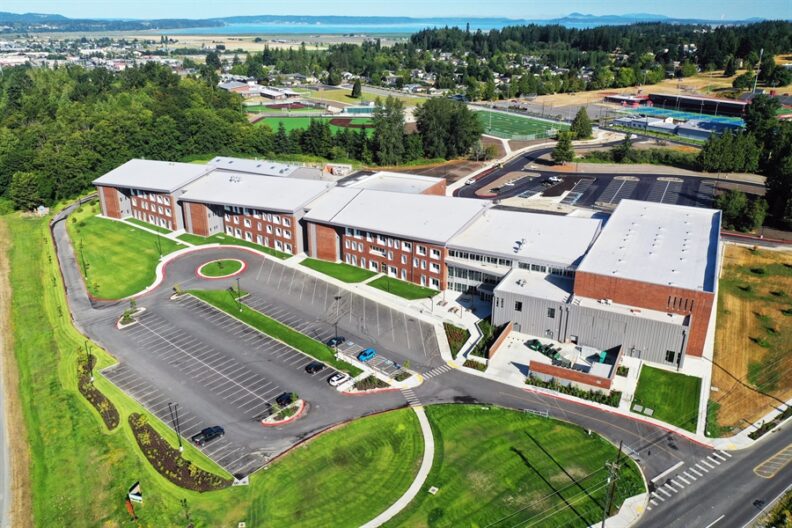
Location & Details
Date: Saturday, January 31, 2026
Location: Stanwood Highschool
Cost: $85
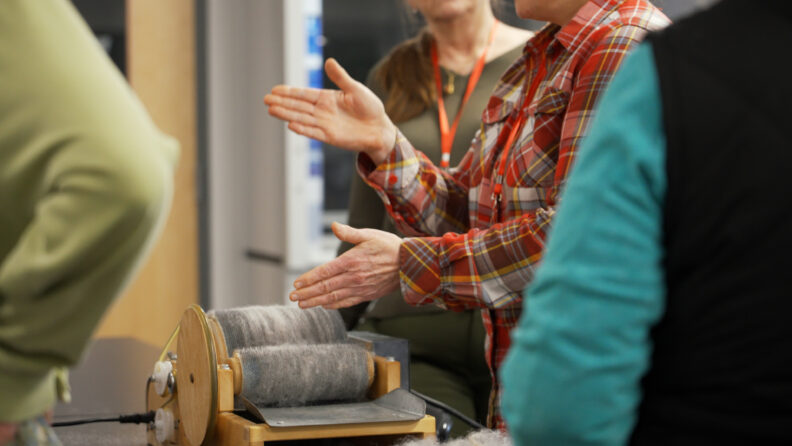
Bring Your Curiosity. Leave with Confidence.
The Country Living & Modern Homesteading Expo is more than an event — it’s a movement. Whether you dream of owning land, expanding your farm business, or simply want to raise rabbits or spin your own yarn, your journey starts here.
Register now to get your hands dirty, sharpen your skills, and join the rural renaissance