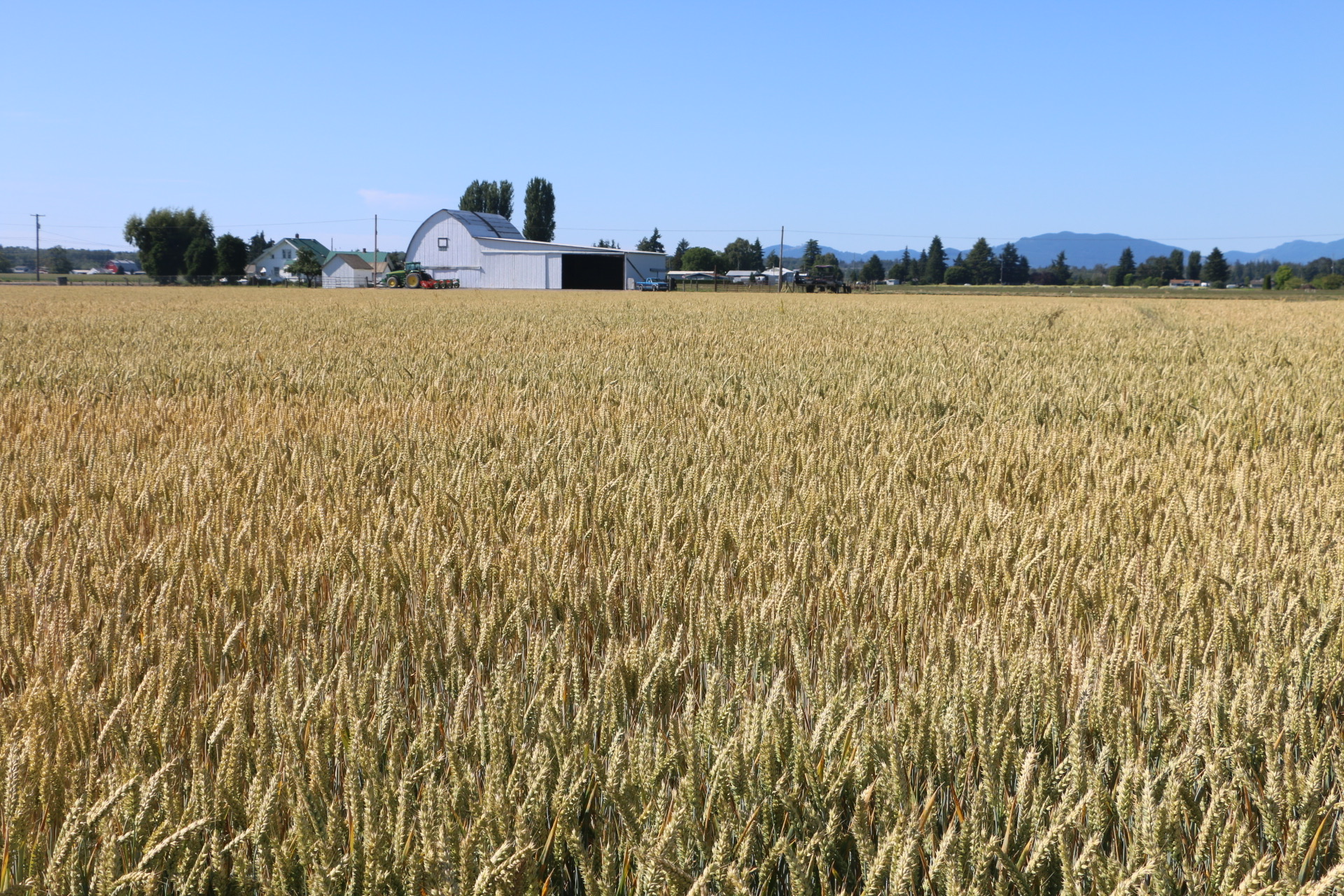
Skagit Valley Wheat Field

What can I do to help?

Health & Safety in Rural Communities

Signs of Agriculture-Related Stress

The last few years have been difficult for agriculture workers and their families. Many are experiencing financial and emotional stress as a result. There are several signs or symptoms when a farm family may be in need of help. These signs include:

  • Change in routines.
    Stops attending church, drops out of 4-H, Home makers or other groups, or no longer stops in at the local coffee shop or feed mill.
  • Care of livestock declines.
    Livestock may not be cared for in the usual way; they may lose condition, appear gaunt or show signs of neglect or physical abuse.
  • Increase in illness.
    Individual may experience more upper respiratory illnesses (colds, flu) or other chronic conditions (aches, pains, persistent cough).
  • Increase in farm or ranch accidents.
    The risk of farm accidents increases due to fatigue or loss of ability to concentrate; children may be at risk if there isn’t adequate childcare.
  • Appearance of farmstead declines.
    The farm family no longer takes pride in the way farm buildings and grounds appear, or no longer has the time to do maintenance work.
  • Children show signs of stress.
    Children may act out, decline in academic performance or be increasingly absent from school; they may also show signs of physical abuse or neglect.

Warning Signs of Suicide Risk

  • Talking or writing about suicide or death
  • Feeling hopeless, trapped, or like a burden
  • Giving away prized possessions
  • Stockpiling pills or obtaining a weapon
  • Saying goodbyes
  • Isolation from others
  • Loss of interest in favorite activities
  • Sudden cheerfulness or calm after a period of despondency
  • Acting recklessly
  • Increased drug and/or alcohol use
  • Changes in sleep patterns
  • Being anxious or agitated

What can I do to help?

Friends, extended family members, neighbors, milk haulers, veterinarians, clergy persons, school personnel or health and human service workers can help by first learning the common stressors that they face from one month to another. Asking for help is difficult. By understanding the warning signs of suicide risk, you can learn to identify if a person or family needs help and connect them with appropriate resources as soon as possible. Familiarize yourself with the resources available and have a plan to follow-up if the conversation comes up.

“Farming is a noble calling and many farmers see their occupation as a key part of their identities. When that occupation is threatened- by drought, flooding, disease or a down farm economy- people can feel like their meaning of life is disappearing.” – Michael Rosmann, PhD

Washington farmers produce over 300 commodities with ag production valued over 10.6 billion dollars in 2016 (WSDA, 2016).

Despite the large economic impact of ag, over half of Washington farmers work part time off farm (WSDA, 2016).

Farmers and Ranchers have 15th highest rates of suicide according to the CDC, 2018.


If you are concerned that someone you know may be at risk, have a direct conversation. Asking about suicide does not cause harm or elevate risk.

We’re here to remind our neighbors, friends, co-workers, and loved ones that they are not alone. If you or someone you know is struggling, call the National Suicide Prevention Lifeline at 988 or 1-833-897-2474

Additional Resources

Logo for the Agri Stress Help Line, illustrating a commitment to providing mental health resources for the agricultural community.

AgriStress Helpline

AgriStress HelpLine is a free 24-hour, 7-days-a-week hotline designed for the agricultural community and their families.

If you or someone you know is struggling, 
call or text 833-897-2474


Do you have agricultural related issues that are causing you stress?
Access the two resources below that can help:

WRASAP Banner
Farmaid number 1-800-327-6243, free ag recources in your area

Leading Partners in Washington State

Visual representation of the Washington State Department of Health, highlighting its commitment to health services and safety.
Skagit County Extension logo, illustrating a commitment to agricultural education and community resources in the region.

WSU Agricultural Suicide Prevention Pilot Program is funded through the State of Washington, Department of Health under the provisions of House Bill 2671. If you would like to contribute to the work of raising awareness about excessive stress and suicide prevention in agriculture, please reach out to WSU Skagit County Extension.

This webpage is also supported by the Western Region Agricultural Stress Assistance Program, funded by the USDA Farm and Ranch Stress Assistance Network, under agreement number: 2020-70028-32731 proposal number: 2020-07631.

WSU and the Agricultural Suicide Prevention Program is not a crisis center.

If you are in need of immediate assistance, reach out to the National Suicide Prevention line, at 988 or call or text 833-897-2474 (8255)