Help Us Use Food Well!
Help us better understand community needs and develop resources to help households Use Food Well. The survey below takes approximately 3–5 minutes to complete.
Help Us Use Food Well Survey!
Enter to Win!
Complete the survey for an opportunity to enter a drawing for food saving tools like a silicon freezer trays and cookbooks.
- No purchase or payment is required to enter or win.
- One entry per person/household.
- Only one prize winner per household.
- WSU employees are not eligible to participate in the prize drawing.
- Your name and contact information collected for the prize drawing will be used only to administer the drawing and contact the potential winner
- Prize-drawing information will be kept separate from your survey responses whenever possible.
- Drawing deadline October 30, 2026
- Winners will be notified November 1, 2026. Prizes must be picked-up at WSU Skagit County Extension office located at Westar Lane, Suite A, Burlington 98233
Participation in the survey is voluntary. You may skip any question you do not wish to answer.
Washington State University is an equal opportunity educator and employer.
Prevent Food Waste Entries
The Skagit Food Waste Prevention Coalition
Skagit Gleaners: Food Recovery & Community Food Access Partner
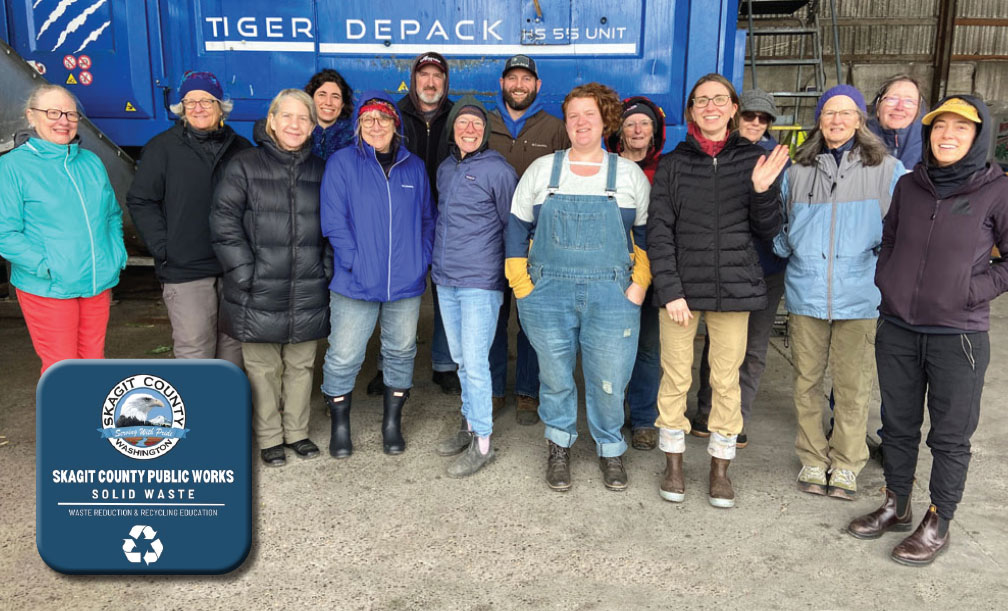
Skagit Solid Waste: Helping turn wasted materials into better community and environmental outcomes.
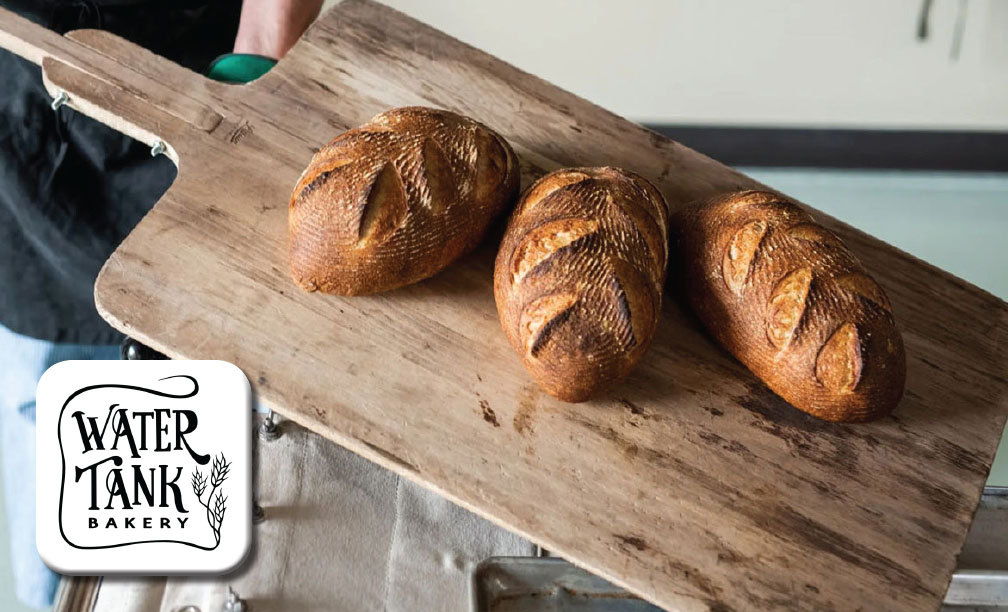
Water Tank Bakery: Local Grain & Food Craft Partner
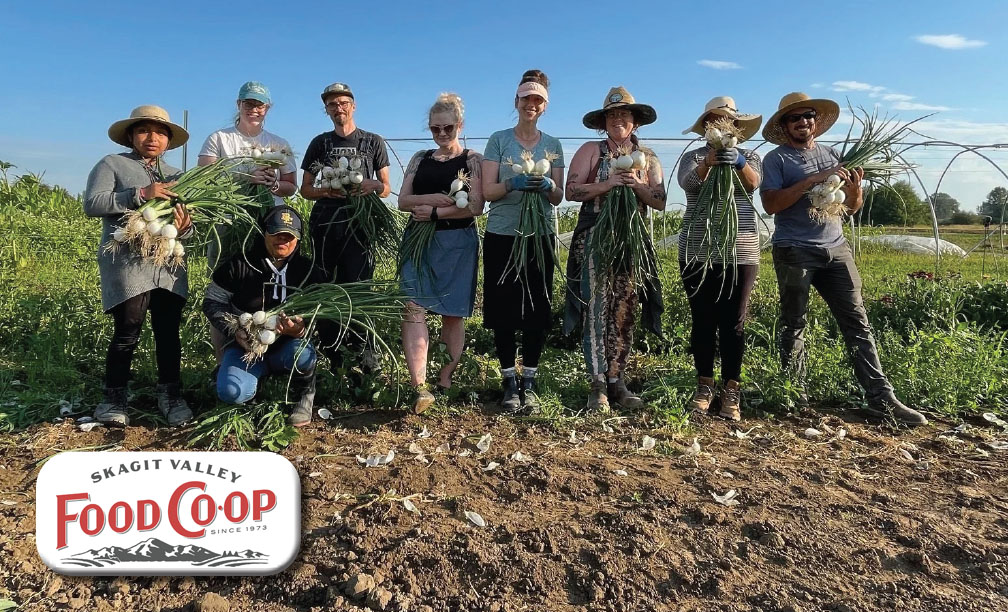
Skagit Valley Food Co-op: Local Food Access & Community-Owned Grocery Partner

Skagit Valley College: Education & Workforce Partner
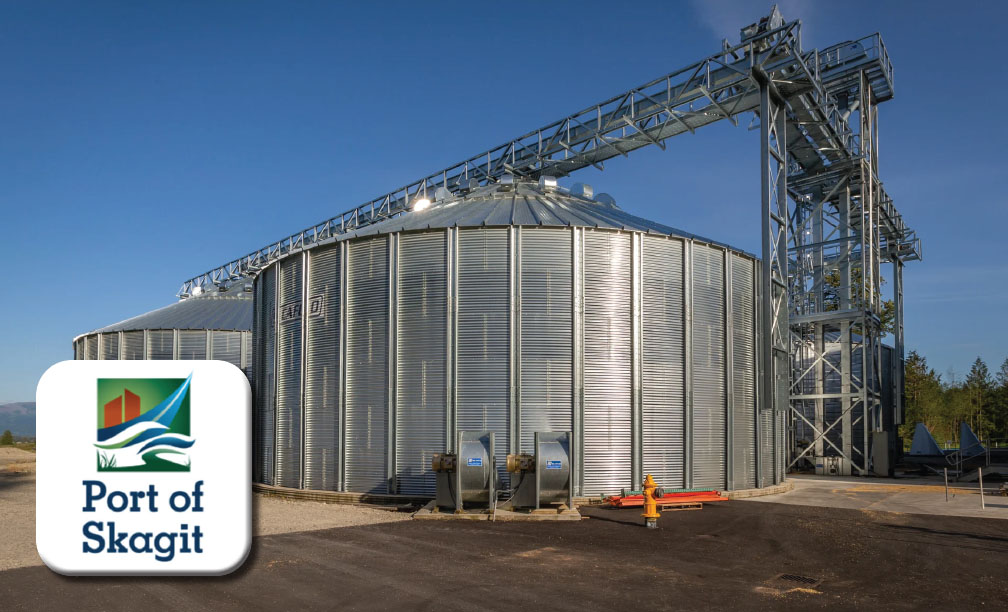
Port of Skagit: Food System Innovation & Economic Development Partner
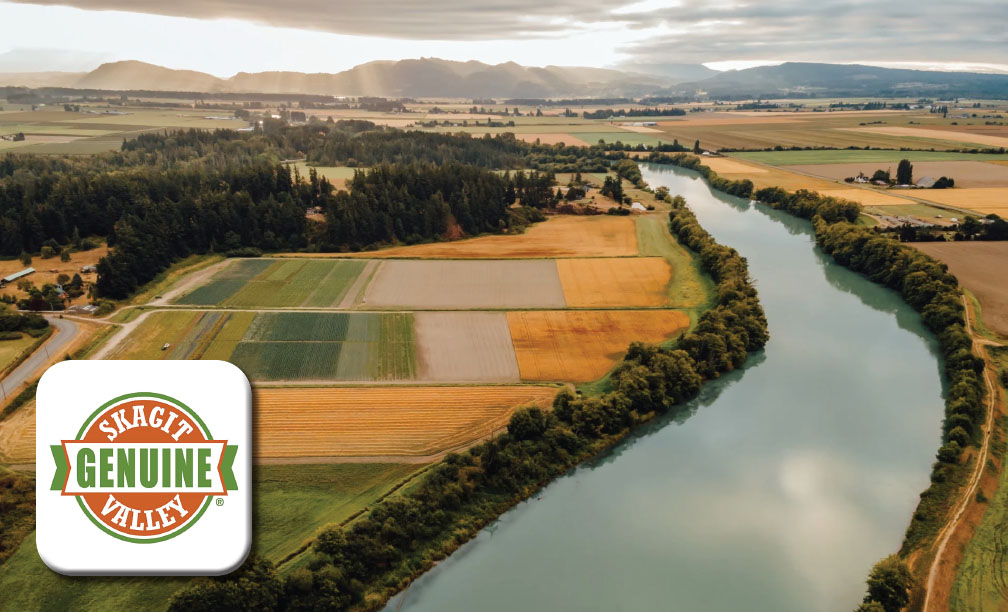
Genuine Skagit Valley: Local Food Identity & Farm Promotion Partner
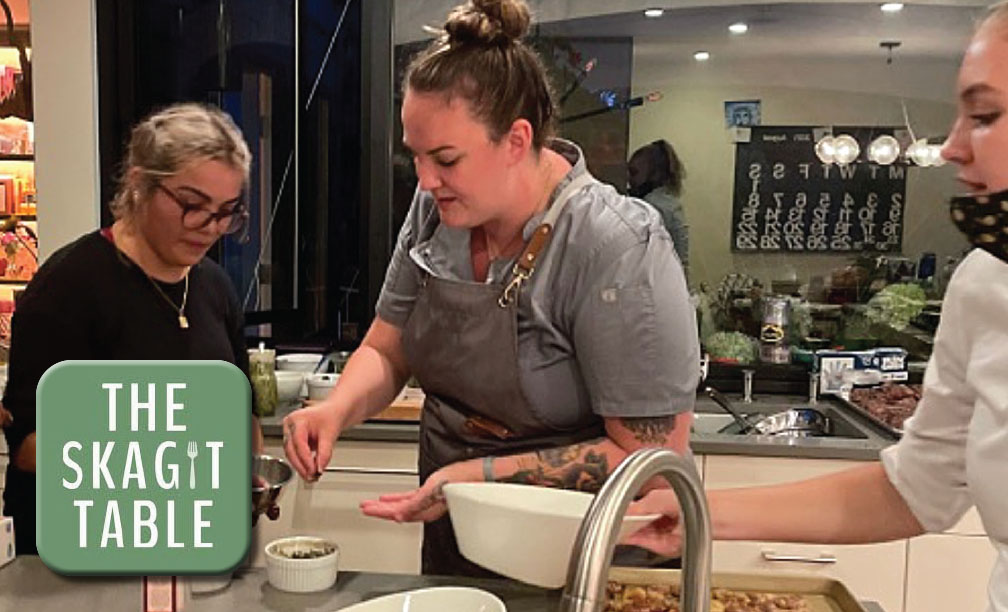
The Skagit Table: Local Food Access & Prepared Foods Partner
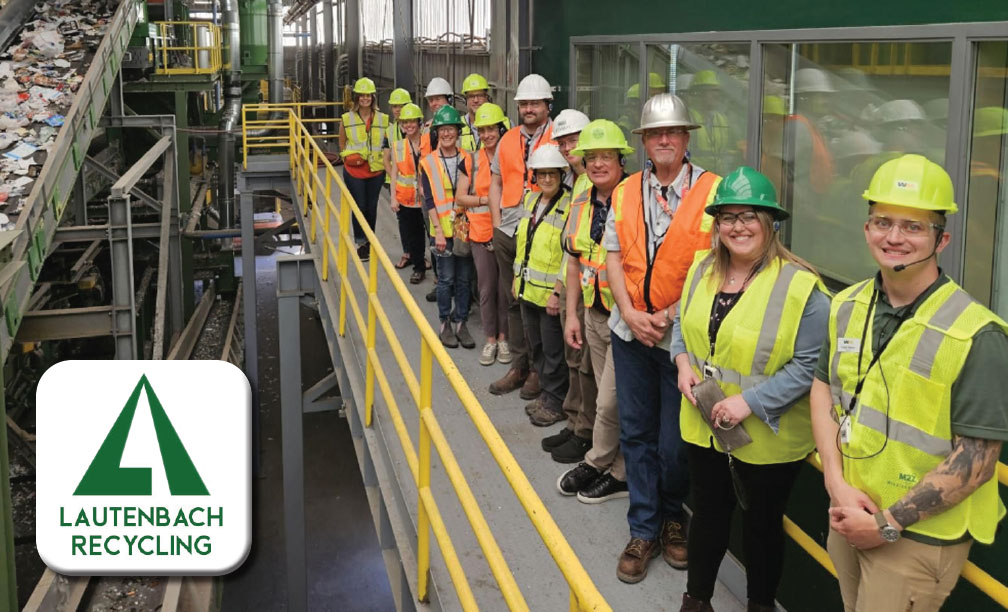
Lautenbach Recycling: Organics Diversion & Composting Partner
WSU Food Systems Program: Research, Education & Statewide Food Systems Partner
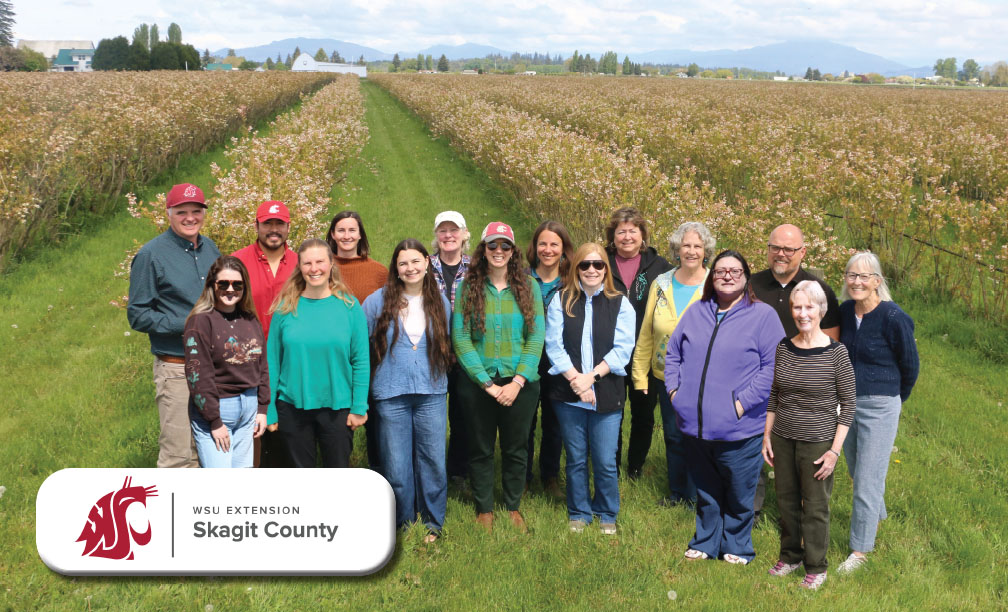
WSU Skagit County Extension Food and Health: Community Education & Food Waste Prevention Partner
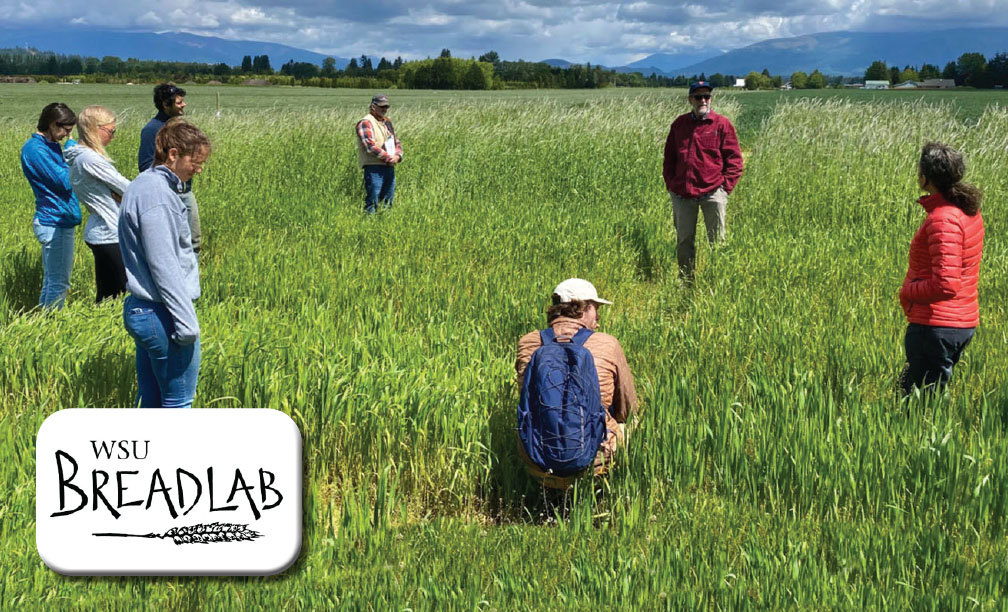
WSU Breadlab: Regional Grain Innovation & Food Systems Partner
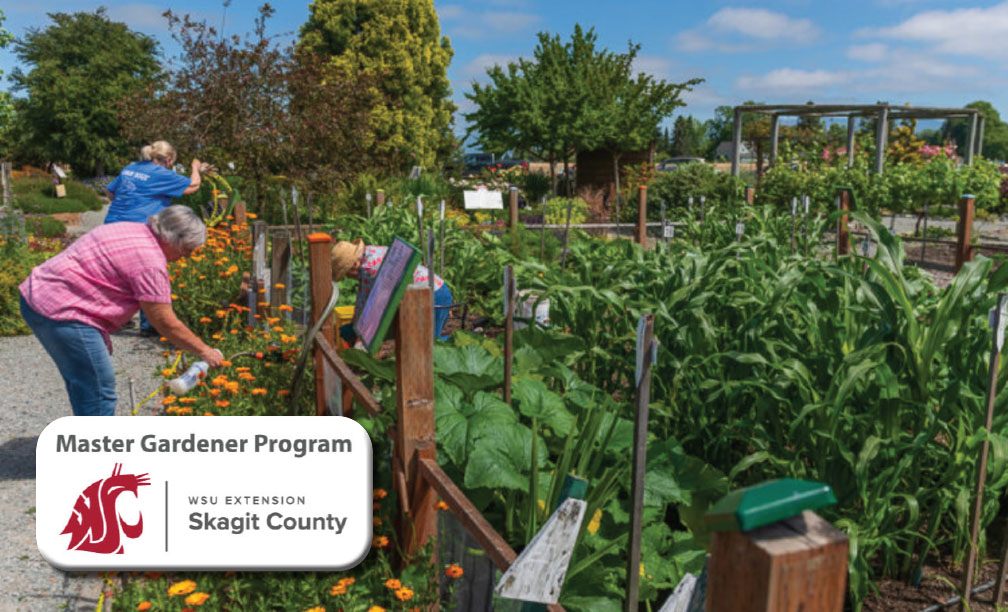
WSU Skagit County Master Gardeners: Home Gardening, Composting & Community Education Partner
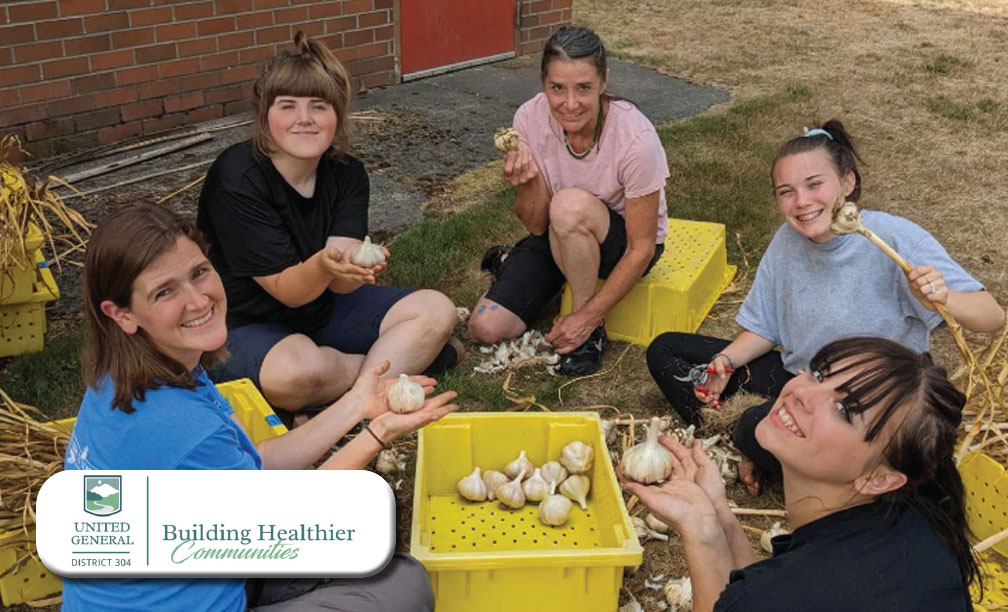
United General District 304: Healthy Eating, Nutrition Access & Community Wellness Partner
Skagit Soils: Organics Diversion & Composting Partner
Skagit Food Waste Prevention Events
Know the cost of Food Waste.
On our own, our efforts may feel like nothing…but when we all make small changes – the results can be huge!
Buy Wisely
Cook Carefully
Eat It All
Did you know?
- The average Skagit County resident disposes of nearly 4 lbs. of waste every day, or 1,460 lbs. a year.
- A family of four can save an average of $1800 per year by preventing food waste.
- An estimated 25% of the food lost or wasted could be saved, it would be enough to feed 870 million people.
- Here in the United States, 40% of all food is wasted. In contrast, one out of every eight people is food insecure, one in six being children.
- In Washington, the Department of Ecology found that 17% of all garbage sent to landfills is food waste, and up to 8% was edible at the time of disposal.
- Food waste prevention strategies reduce the amount of food waste being created.
- Food Rescue and Skagit Composting reduce the amount of edible food that is discarded in a landfill.
Prevention is the priority, and now is the time to take action!
What are the words used to describe food waste prevention?
- Wasted Food: the edible portion of food waste.
- Prevention: refers to avoiding the wasting of food in the first place and represents the greatest potential for cost savings and environmental benefits for us all.
- Rescue: refers to the redistribution of surplus edible food to other users.
- Recovery: refers to processing inedible food waste to extract value from it, through WSU Composting or Vermiculture.

On our own, our efforts may feel like nothing – but when we all make small changes – the results can be huge!
Complete the scorecard to assess your food waste prevention habits.
Use Food Well SCORECARD
Your Journey toward a Waste Free Kitchen
| Action | Points |
|---|---|
| One night a week, have a “Leftover Night.” Check Save the Food Prep Mate for inspiration! | 5 |
| Designate an “Eat this Now• area in the fridge for food that needs to be eaten soon. | 5 |
| Use your senses to decide. If food is still good to eat, rather than just the date on the label. Dates on food labels typically indicate peak quality, not safety. | 5 |
| Make the right amount of food for your family and for events – Use Save the Food’s Guest-imator to help calculate amounts at SaveTheFood.com guestimator | 10 |
| Learn how to store food correctly. SavetheFood.com storage is a great resource. | 10 |
| Reorganize your fridge to store items for maximum freshness. Visit Cook Carefully for helpful tips. | 10 |
| Use a food saving or sharing app such Fridge Night, Flashfood or Too Good to Go | 10 |
| Look up ways to eat parts of fruits and veggies that you have traditionally thrown out. Did you know that carrot greens and cooked potato peels are edible? | 15 |
| Teach your family or friend a food waste reduction skill. For example, you could show them how to creatively repurpose leftovers, or how to store different types of food to extend the food’s shelf life. | 15 |
| Makea meal that helps you use the food that might have been tossed. | 15 |
| Your Total |
5-25 Points+ Great Start
25-50 = Keep Going!
50-75 = Keep it Up!
75-100 = You’re aFood Waste Hero