Upcoming Workshops
Register Now for a 2-Part Pasture Management Course*
March 16th & April 14th from 6:30-8:30 PM
WSU Extension Office
11768 Westar Ln. Suite A
Burlington, WA 98233
- Receive a certificate for a free soil analysis upon completion.
- 50 pounds of pasture seed that has been developed for this area.
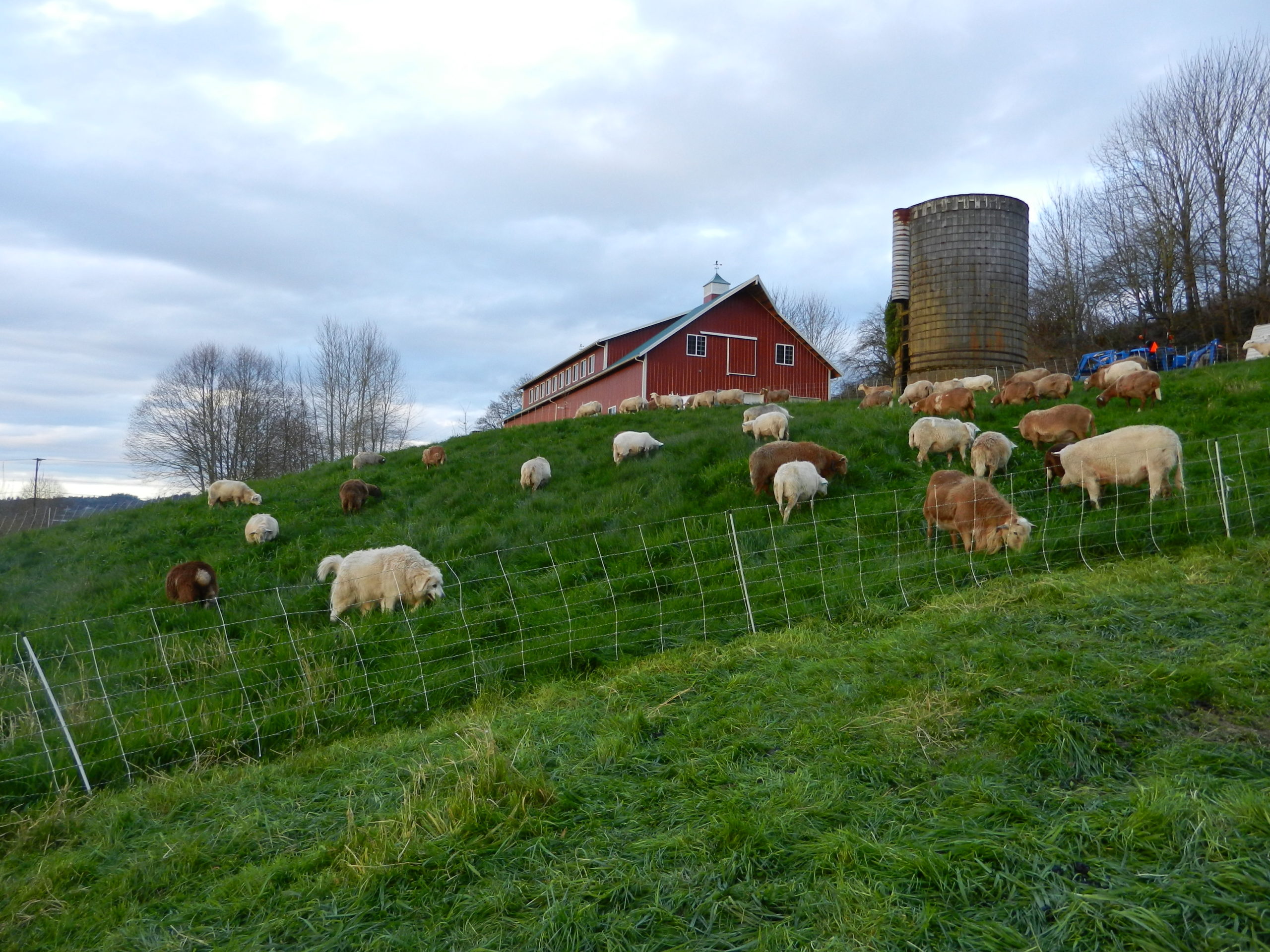
Livestock Resources Library
Program Workshop Archive
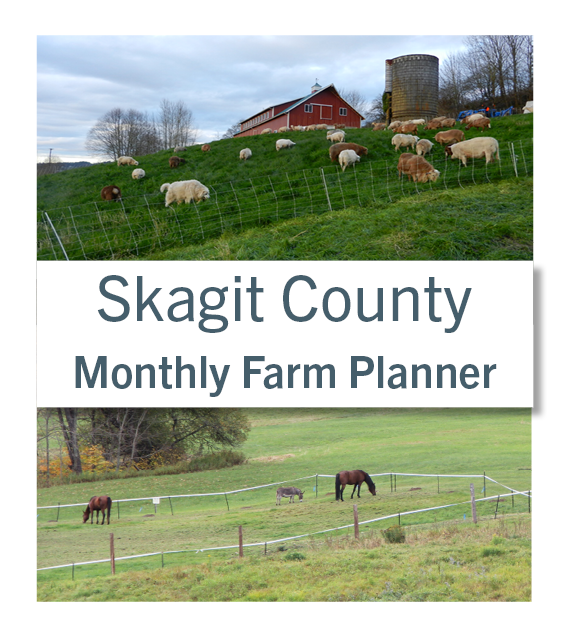
Monthly Farm Planner
www.poopsmart.org videos
Skagit County Pasture Management Outreach & Technical Assistance Program
Working Together for Cleaner Water & Healthier Shellfish Beds
In partnership with WSU Skagit County Extension & Skagit Conservation District
About the Program
The Skagit County Pasture Management Program is a coordinated effort to improve water quality and restore shellfish bed vitality in the Samish, South Skagit, and Padilla watershed areas. Funded by a $750,000 grant from the U.S. Environmental Protection Agency (via the Washington State Department of Health), this program supports outreach, education, and hands-on assistance for small farms and rural landowners.
- Funding Source: U.S. EPA Grant PC-01J18001
- Target Areas: Samish Bay, Padilla Bay, and South Skagit Bay Watersheds
“This project has been funded wholly or in part by the United States Environmental Protection Agency under Assistance Agreement PC-01J18001 to the Washington State Department of Health. The contents of this document do not necessarily reflect the views and policies of the Environmental Protection Agency, nor does mention of trade names or commercial products constitute endorsement or recommendation for use.”
What We Are Doing
We’re tackling the upstream sources of fecal coliform pollution by bringing education, technical support, and community outreach directly to landowners.
Outreach Activities:
- Hosting hands-on pasture management workshops
- Tabling at farm and livestock stores
- Engaging at local fairs & community events
Upgrading Your Farm or Ranch
We offer free technical assistance to help you develop a personalized Best Management Practice (BMP) plan tailored to your land and livestock.
Cost-Share Funding is available to help eligible landowners install improvements such as:
- Manure composting systems
- Pasture reseeding
- Fencing and rotational grazing setups
Contact us today to see if your farm qualifies!
Why It Matters
Without proper pasture management, excess nutrients and bacteria enter our watersheds. This harms:
- Shellfish beds
- Groundwater quality
- Swimming beaches
- Toxins in fish
- Orca health
What You Can Do
Whether you own livestock, horses, pets, or backyard chickens, your land care practices matter.
- Learn more about pasture management
- Attend a workshop
- Implement BMPs with our help
- Protect our water and shellfish
Program Success Stories
“I saw a flyer at a farm store and decided to attend a pasture class. After that, I worked with the Skagit Conservation District to install a composting bin for manure runoff. I rented equipment from the lending library and used grant-provided seed to restore my pasture. The process was simple and empowering.”
Local Landowner
By the Numbers
Project Accomplishments (2019–2023):
- 121 Best Management Practices (BMPs) implemented
- 44 customized farm plans developed
- 27 rentals from our pasture equipment lending library
- 2,542 attendees at educational workshops and events
- 2,000 lbs of seed distributed to over 100 landowners
- 109 new landowners brought into our programs
Looking Ahead
This program has laid a strong foundation, but our work isn’t finished. We’re committed to:
- Reaching new and diverse landowners
- Continuing to educate and support our rural communities
- Expanding our lending library and cost-share opportunities
- Protecting our shared watershed resources for generations to come
Contact Us
Let’s work together to protect Skagit’s waters—from pasture to Puget Sound.
Program Partners


This project has been funded wholly or in part by the United States Environmental Protection Agency under assistance agreement PC-01J89801 to the Washington State Department of Health. The contents of this document do not necessarily reflect the views and policies of the Environmental Protection Agency, nor does mention of trade names or commercial products constitute endorsement or recommendation for use.