by Caroline Crolley, Master Gardener
Did you know that when you step into your garden, you are standing on a vast, living world of small creatures that dwell in the soil?
Healthy soil is a complex biological community consisting of familiar species you probably see regularly in your garden such as earthworms, earwigs, and pill bugs, as well as huge networks of microscopic fungi and bacteria, and, of course, the plants growing in it. Soil is a dynamic habitat that provides plants with physical support, water, nutrients, and air, all of which plants need for healthy roots and growth.
If you have tended your garden correctly, but it is not thriving and producing the flowers or edibles that you would like to see, chances are good that the problem lies in the soil.
The first step in caring for your garden soil is to have it tested. Testing will tell you important information such as soil composition, pH, and nutrient levels. The process is simple. You collect soil samples from various places around your property and send them to a lab, which will produce a detailed report. Once you have that information, you can work on correcting whatever is necessary. For suggestions on what testing services are currently available, please contact the Master Gardener Answer Clinic.
Beyond soil testing, gardeners can care for their soil by amending it with organic materials which will break down into humus. This is vital in our dry climate because humus retains water in the soil, so you don’t need to water as often, and when you do water, the soil absorbs it more readily, so there is less waste and run off of water. When establishing a new garden or bed, work in four inches of amendments like compost, well-aged manure, or a commercially packaged soil conditioner.
Organic mulches are ones that originate from plants. One of the most useful for flower and vegetable gardens is compost. The black appearance of commercial compost is attractive, while homemade compost is usually more brown and perhaps not as completely broken down, but it is longer lasting. Apply a two inch layer in the fall and spring and around any new plantings for best results. Grass clippings from your lawn also make a good, no-cost mulch, although some may not like the look. Apply thinly or it will mat together and prevent water from reaching the soil and may start to rot. A one-inch layer of fresh clippings will soon dry and shrink to about a quarter to half inch of mulch, which is just enough to cover the surface of your soil. Straw is another good economical choice, especially in vegetable beds. Avoid hay because it will contain weed seeds. Wood chips and bark chips are durable and suitable for around trees and shrubs and for garden pathways.
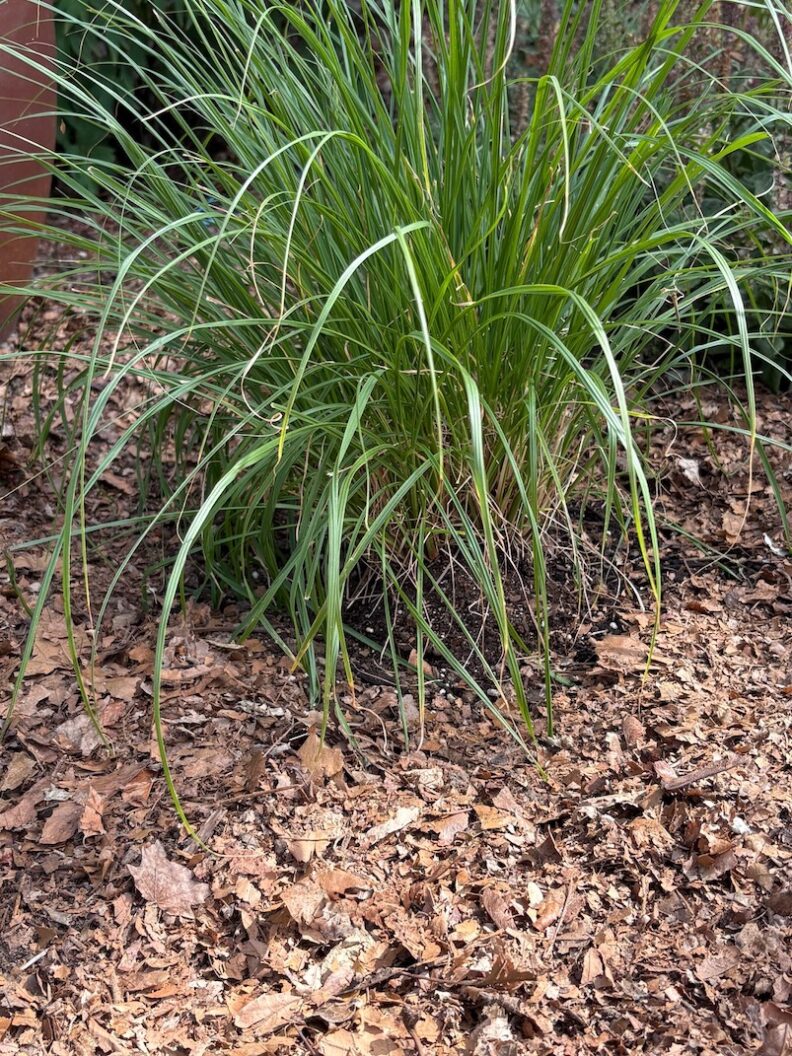
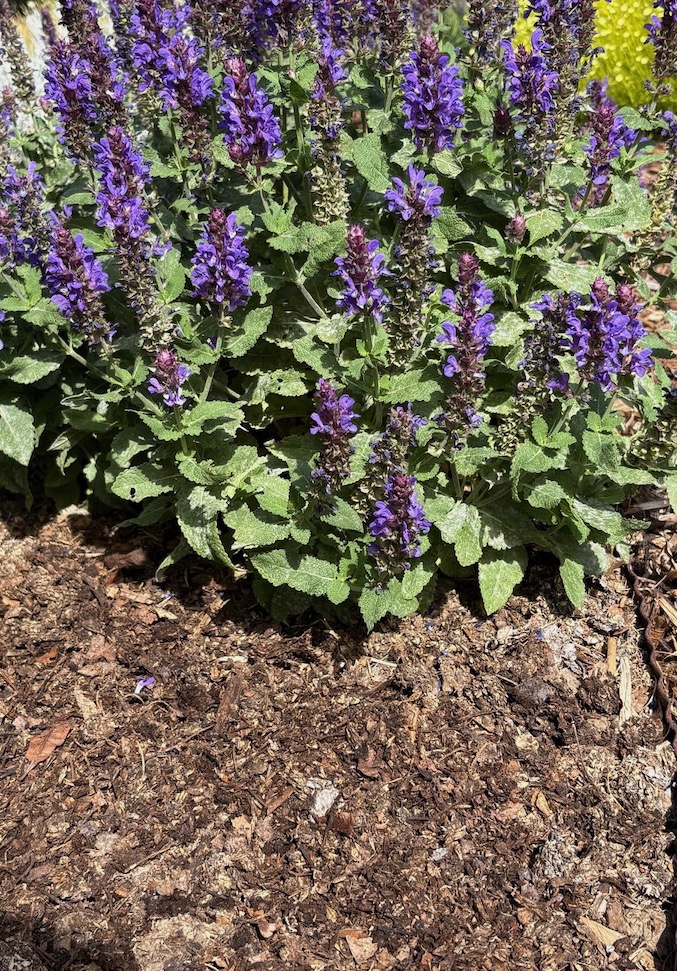
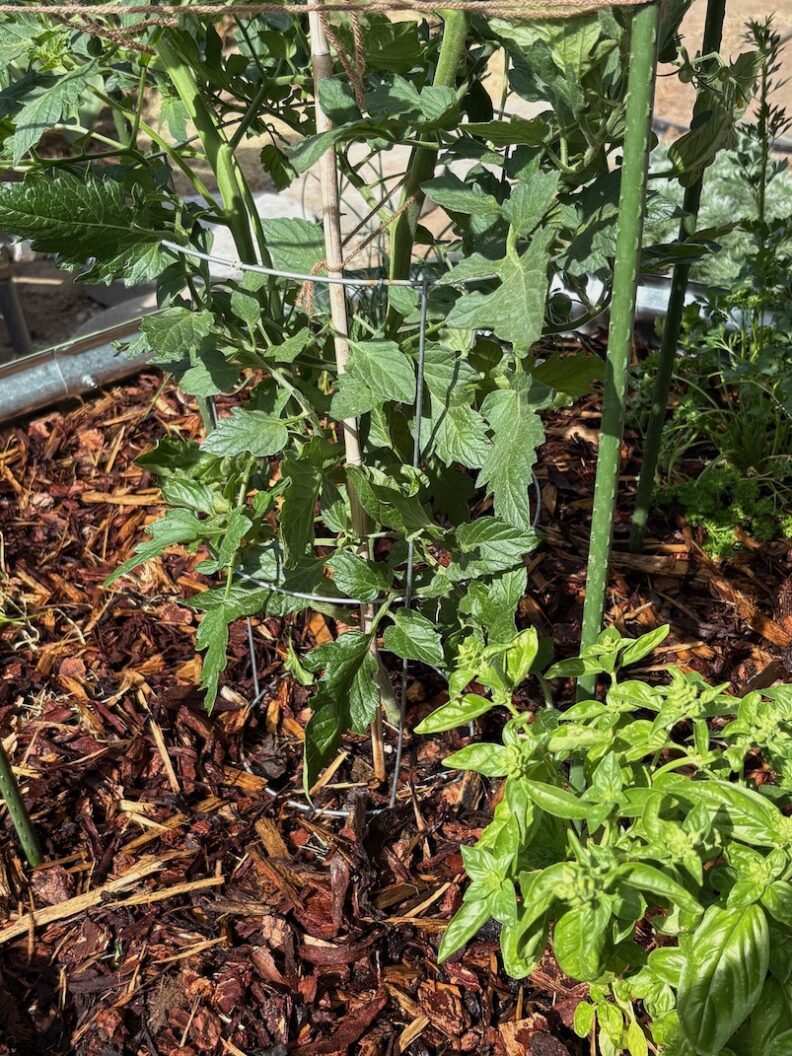
Apply mulch around and between all your plants to cover the bare soil. As the mulch breaks down, it will add humus to the soil and earthworms will transport it from the surface to deep into the ground.
Another way to care for your garden soil is to mulch. Many old-time gardeners had a rule of ‘no bare soil’ and that is still a good practice. Mulch is any covering for the soil, with the multiple purposes of reducing watering needs, protecting the soil from compaction, moderating soil temperatures, and preventing weeds from sprouting. Many materials may be used as a mulch, each with pros and cons.
Keep the mulch well away from the crown of plants, at least three to six inches. Do not let mulch contact the stems or trunk of a plant as it may trap moisture and cause rot. If you don’t like the appearance of a bare circle around your plants, you can feather a thin layer of mulch closer to the base of the plants, and it will look better but it won’t harm them.
Inorganic mulches such as gravel, river rocks, or rubber chips may block water and air from the soil and end up suffocating it and killing the living creatures in it. These mulches may have a purpose in a garden, but they do not promote soil health like organic mulches do. Likewise, landscape fabric will likely harm soil underneath it.
Mulch will also help to control weeds. Most weed seeds require light to germinate, so with a nice layer of mulch, the weed seeds that are already in the soil won’t be able to sprout. Weed seeds that blow in and sprout on top of the soil are easy to pull out of the loose mulch material.
An additional way to protect the health of your soil is to reduce or eliminate the use of chemical fertilizers and herbicides. Many gardeners who regularly mulch with compost find that their plants don’t require additional fertilizers, or if they do, a light application of an organic fertilizer is all that is needed. Consistent mulching can help control weeds so effectively that herbicides or pre-emergent weed preventers are not needed.
One last suggestion for caring for your soil is to avoid compacting it by stepping on it more than necessary. Create a path or place a few stepping stones in a large perennial bed so you always step in the same spots and don’t compact wide areas of the bed. Raised beds also minimize soil compaction.
If you take care of your living soil and treat it kindly, it will repay you many times over with a healthy and productive garden.