Pumpkins
by Kelly Klingman, Yakima Master Gardener
In two days, we’ll close the book for October and for many of us, the countdown to Christmas will begin.
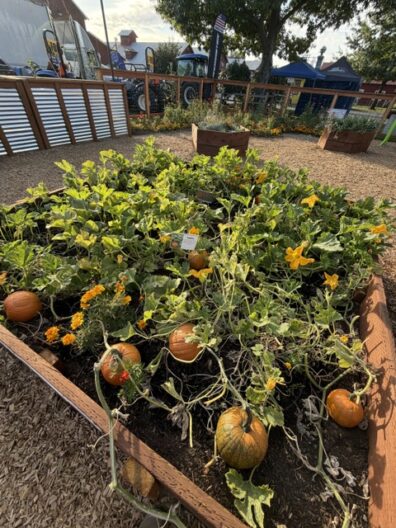
Don’t throw away all those pumpkins you used at Halloween or for autumn decor.
Uncarved and unpainted smaller pumpkins (sometimes called pie pumpkins) that you won’t be eating can be donated to local food banks. Pumpkins have a long storage life and offer families an array of meal options. There are many recipes on-line for pumpkins and their seeds.
Whole pumpkins up to 10-12 pounds, especially the smaller softball to volleyball-sized varieties, are also very tasty. They can be served as a savory ‘veggie’ side-dish or sweet dessert.
Many larger-sized Jack o’ Lantern pumpkins are wonderful for carving but less so for eating. They are edible, but not as tasty.
Carved or painted pumpkins can go into the compost.
Whether you are all about pumpkin lattes, pumpkin muffins, or pumpkin decor, it’s all sourced from hundreds of different pumpkin varieties.
Here in Washington, our farmers grow over 50 million pounds of pumpkin each year. That may seem like a lot, but we rank 7th on the list of top pumpkin growing states.
The largest pumpkin grown in Washington State was recorded in 2017 at 2,363 pounds. So far nationally, the largest pumpkin came from Minnesota and weighed 2,749 pounds.
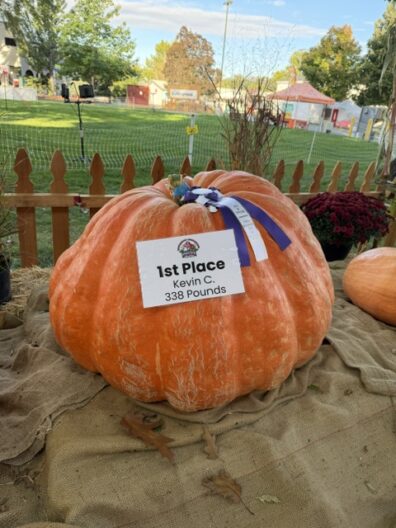
By comparison, the largest pumpkin entered at the Central Washington State Fair this year weighed 338 pounds. Not bad considering that’s still a lot for your average gardener to move!
Nationally, farmers grow 1.5 billion pounds of pumpkin per year. That’s enough for 6 pounds for every American, but we only eat 15% of that. The rest is used for decoration or as a part of agrotourism.
Pumpkins are a type of squash and members of four different plant species. Cucurbita pepo includes acorn squash as well as the common field pumpkins which make up the typical jack o’lanterns. Cucurbita moschata includes the butternut squash and some other pumpkin varieties which are often blended into canned pumpkin. Curcurbita maxima are large winter squash like Hubbard and pumpkins like “Big Max” and “Dill’s Atlantic Giant.” Finally, Cucurbita mixta includes cushaw-type pumpkins which are a larger squash with round bottoms and longer necks. Picture a ‘butternut,’ but bigger. Most notably these squash have green and white stripes.
When their vines die back and pumpkins have reached their full color for their variety, it’s time to harvest. Another test of maturity is to press a fingernail into the skin. If it doesn’t leave a mark or cut, it’s ready. If not, just give the pumpkin a little longer to mature. If your test left the skin pierced, it will heal over.
Try and harvest pumpkins before night time temperatures are consistently in the 40’s if you can’t protect them with frost cloth or blankets.
When harvesting, be sure to cut the vine with a knife or pruners, leaving at least 2-3 inches of stem. Never carry a pumpkin by the stem. Pumpkins will last longer with intact stems.
After harvesting, it’s important for pumpkins to cure. Curing helps the skin harden, which protects the fruit. Curing also helps heal any small wounds in the skin. It allows time for starches to change to sugar, making for a sweeter fruit. Before you cure your pumpkins, wipe off any loose soil or debris. You can take the extra step of wiping them down with a cloth dipped in water and vinegar and then wiped dry. This will help kill any molds or spores that have landed on your pumpkin. Avoid hosing down a pumpkin because excess water and moisture can penetrate the skin, feed mold and bacteria, and cause the pumpkin to rot from the inside out.
Curing works best at 80 degrees and 80% humidity. If you don’t have a greenhouse, try a sunny window, porch, or just leave the pumpkins out where they get some sun as the temperatures are cooling down. Give them at least two weeks.
After curing, pumpkins store best at 50-55 degrees. Not all of us have that option, so we just do our best. A basement is ideal, but a closet or pantry area will work. You can store in your garage if it is well insulated and does not get too cold.
Set the pumpkins and squash in a single layer with enough space in-between to allow for good air circulation. This will help them stay dry and prevent molding. Properly cured pumpkins will store for 3 or more months. Be sure to check them often for any signs of decay.