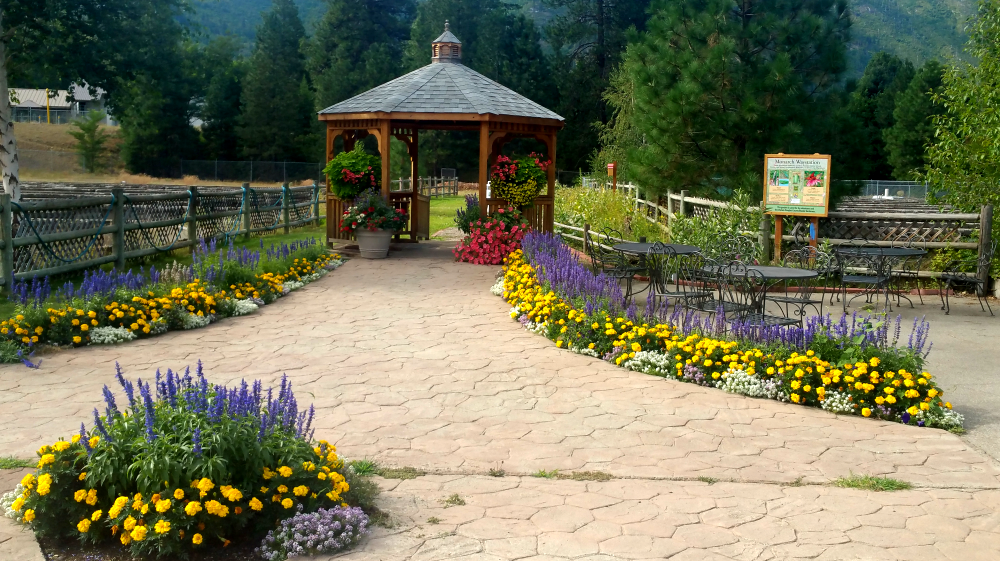
Pollinator Garden Leavenworth Fish Hatchery
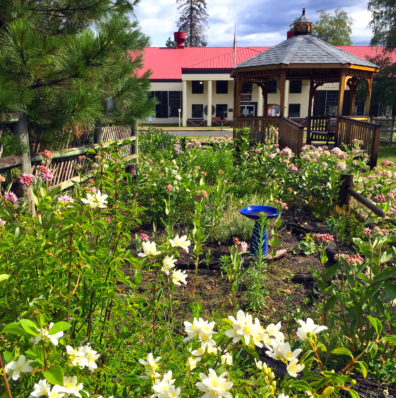
Experience sustainable gardening firsthand in this outdoor classroom garden. Learn about attracting pollinators in our engaging classes.
More Information
The Pollinator Garden at the Leavenworth Fish Hatchery was established in 2016 to create a safe pollinator and monarch butterfly habitat for educating students and the public. All the plants within the garden were chosen to provide nectar to pollinators, including over 200 milkweed plants and numerous plants native to Washington state.
Our Chelan-Douglas County Master Gardener Program has a partnership with the fish hatchery to help maintain the garden and interpretation. You can usually find Master Gardeners working here Tuesday mornings during the gardening season. Stop by to talk to them about pollinators and the plants that attract them, such as those listed below. Visit the garden in front of the main hatchery building at 12790 Fish Hatchery Road in Leavenworth, WA.
Learn more about the history of the pollinator partnership with the hatchery: pollinator partnerships.
Watch our 2024 YouTube presentation: Lifecycle of the Monarch Butterfly

| Common name | Common yarrow |
| Scientific name | Achillea millefolium |
| Plant type | Herbaceous perennial |
| Flower color | White with flat top or dome shape |
| Flower season | May thru July |
| Plant size | 2-3’ H x 2-3’ W |
| Hardiness | Zones 3-9 |
| Light preference | Full sun |
| Pollinators | Butterflies |
| Winterizing instructions | Let flower stems overwinter to provide bird seed, insect cover and to promote self-seeding. Clean debris in spring before new growth if needed, otherwise leave as mulch and insect nesting sites. |
| Additional comments | Native to temperate regions of North America as well as Europe and Asia Frost and drought tolerant. |
| Common name | Nodding onion |
| Scientific name | Allium cernuum |
| Plant type | Herbaceous perennial |
| Flower color | Pink to white bell-shaped flowers in nodding clusters |
| Flower season | May-July |
| Plant size | 15-20″ |
| Hardiness | Zones 3-9 |
| Light preference | Full sun |
| Pollinators | Butterflies and other insects |
| Winterizing instructions | None needed |
| Additional comments | Grows in expanding clumps. Host to hairstreak butterfly caterpillars. Leaves, bulbs, and bulblets are edible. |
| Common name | Western serviceberry |
| Scientific name | Amelanchier alnifolia |
| Plant type | Deciduous Perennial Shrub |
| Flower color | White |
| Flower season | Spring/summer (April-July) |
| Plant size | 3-15 feet high, 3-10 feet wide |
| Hardiness | Hardy to USDA Zone 2 |
| Light preference | Full sun, partial shade, shade |
| Pollinators | Butterflies, Bees, Hummingbirds |
| Winterizing instructions | Add mulch, compost or composted manure before snowfall in cold areas. Prune dead limbs and low-lying shoots. Prune to shape after blooming. |
| Additional comments | Use for erosion control, hedgerow, thicket-forming, windbreak, provides berries for birds |
| Common name | Pearly everlasting |
| Scientific name | Anaphalis margaritacea |
| Plant type | Herbaceous perennial |
| Flower color | Yellow-white. Known for drying easy and keeping well. |
| Flower season | June to August |
| Plant size | 3’x2’ |
| Hardiness | Zones 2-8 |
| Light preference | Full sun, tolerates partial shade |
| Pollinators | Bees, butterflies, and moths |
| Winterizing instructions | Let flower stems overwinter to provide bird seed, insect cover and to promote self-seeding. Clean debris in spring before new growth if needed, otherwise leave as mulch and insect nesting sites. |
| Additional comments | Drought tolerant once established. |
| Common name | Golden columbine |
| Scientific name | Aquilegia chrysantha |
| Plant type | Herbaceous perennial |
| Flower color | Yellow |
| Flower season | Late spring |
| Plant size | 2-3’ H x 1-2’ |
| Hardiness | Zones 3-8 |
| Light preference | Full sun to part shade |
| Pollinators | Butterflies, bumblebees |
| Winterizing instructions | Let flower stems overwinter to provide bird seed, insect cover and to promote self-seeding. Clean debris in spring before new growth if needed, otherwise leave as mulch and insect nesting sites. |
| Additional comments | Deadhead to prolong blooms. |
| Common name | Desert Columbine |
| Scientific name | Aquilegia desertorum |
| Plant type | Herbaceous perennial |
| Flower color | Orange red with yellow center |
| Flower season | Summer |
| Plant size | 1.5’ H x 1.3’ W |
| Hardiness | Zone 5-8 |
| Light preference | Full sun to partial shade |
| Pollinators | Hummingbirds and bees |
| Winterizing instructions | Let flower stems overwinter to provide bird seed, insect cover and to promote self-seeding. Clean debris in spring before new growth if needed, otherwise leave as mulch and insect nesting sites. |
| Additional comments | Native to Arizona, Utah, and New Mexico. Deadhead to prolong blooms. |
| Common name | Kinnickinnick |
| Scientific name | Arctostaphylos uva-ursi |
| Plant type | Evergreen groundcover with green, small shiny leaves |
| Flower color | White or pink |
| Flower season | Spring |
| Plant size | 0.5’ H x 3-6’ W |
| Hardiness | Zones 2-7 |
| Light preference | Full sun |
| Pollinators | Bees |
| Winterizing instructions | Water if needed at temperatures above 40F. |
| Additional comments | Also known as Bearberry. Good erosion control. Grows in arctic conditions. |
| Common name | Northern Wormwood |
| Scientific name | Artemisia campestris var. wormskioldii |
| Plant type | Perennial; sometimes biennial |
| Flower color | Yellow; white |
| Flower season | June – August |
| Plant size | to 1 foot tall |
| Hardiness | Zones 6a-8a |
| Light preference | Full sun |
| Pollinators | Many in this genus are wind-pollinated |
| Winterizing instructions | Don’t hard prune in late fall; mulch if you like; make sure drainage is good since soggy soils cause root rot. |
| Additional comments | Endangered in Washington state (WANHP) |
| Common name | Showy milkweed |
| Scientific name | Asclepias speciosa |
| Plant type | Herbaceous perennial |
| Flower color | Pinkish white to pinkish purple |
| Flower season | Spring |
| Plant size | 1-3’ H x 1-1.5’ W |
| Hardiness | 3a-9b |
| Light preference | Full sun |
| Pollinators | Butterflies, hummingbirds, honeybees |
| Additional comments | Leaves are the food source for monarch butterfly larvae (caterpillars). |
| Winterizing instructions | Let the pithy stems overwinter. In spring before bees begin activity, trim stems to a variety of 6-24” to provide nesting habitat for pollinators. The tops can be left in a sheltered place for additional habitat. |
| Common name | Hood’s sedge |
| Scientific name | Carex hoodii |
| Plant type | Herbaceous perennial |
| Flower color | Flowers with reddish scales and light edges arranged in 1-2 cm long dense clusters of spikelets |
| Flower season | Late Spring to mid Summer |
| Plant size | 12-30” H |
| Hardiness | Zones 3-9 |
| Light preference | Full sun to part shade |
| Pollinators | Supports butterflies and moths, but is wind pollinated |
| Winterizing instructions | Allow foliage and seed stems to overwinter to provide habitat. If desired, remove debris in early spring. |
| Additional comments | Native to western North America from California to Alaska. Found in mesic to moderately dry meadows and forest edges. |
| Common name | Aspen daisy |
| Scientific name | Erigeron speciosus |
| Plant type | Herbaceous perennial |
| Flower color | White, lavender, or blue florets surrounding a yellow center |
| Flower season | Summer |
| Plant size | 1-2’ H x 1-2’ W |
| Hardiness | Zones 4-7 |
| Light preference | Full sun |
| Pollinators | Butterflies and bees |
| Winterizing instructions | Trim back upright stems, but prune or divide rosettes in spring as needed. |
| Additional comments | Sometimes known as Fleabane. Prefers clay soil and moist meadows. Drought tolerant. Cold hardy. |
| Common name | James’ Buckwheat |
| Scientific name | Eriogonum jamesii |
| Plant type | Perennial |
| Flower color | Bright yellow |
| Flower season | Mid-Summer |
| Plant size | 2-6” H x 0.5-2” W |
| Hardiness | Zones 4-8 |
| Light preference | Full sun |
| Pollinators | Native bees |
| Winterizing instructions | Trim back upright stems in spring if needed. |
| Additional comments | Native to Southwestern United States |
| Common name | Snow Buckwheat |
| Scientific name | Eriogonum niveum |
| Plant type | Deciduous perennial herb |
| Flower color | White, turns to pink as it fades |
| Flower season | June-October |
| Plant size | 0-2 feet high, 0-2 feet wide |
| Hardiness | USDA hardiness zones 5a-7a |
| Light preference | Sun, part shade |
| Pollinators | Butterflies, bees |
| Winterizing instructions | None needed |
| Additional comments | Use for groundcover and seeds for birds. Withstands severe drought. |
| Common name | Strict Buckwheat |
| Scientific name | Eriogonum strictum |
| Plant type | Perennial |
| Flower color | White/cream to pinkish or yellow |
| Flower season | Late Spring – Summer |
| Plant size | Woody stems to 4”, flowering stems to 12”, 4-12” width |
| Hardiness | Zone 5 (-15 degrees) |
| Light preference | Sun |
| Pollinators | Native bees, honeybees, butterflies, moths |
| Winterizing instructions | Leave leaves and stalks for winter habitat and insulation for pupating insects. In spring before bees begin activity, trim stems to a variety of 6-24” to provide nesting habitat for pollinators. The tops can be left in a sheltered place for additional habitat. |
| Additional comments | Native to all western US states and British Columbia. |
| Common name | Sulfur Buckwheat |
| Scientific name | Eriogonum umbellatum |
| Plant type | Herbaceous perennial or subshrub |
| Flower color | Clusters of bright yellow flowers on local subspecies. Some variants have red or orange coloration with yellow |
| Flower season | May-June, until September at higher elevations |
| Plant size | Typically forms low, broad mats with individual clumps ranging from 4 “to 2’ (but up to 4’) tall and wide |
| Hardiness | Zones 4-8 |
| Light preference | Full sun to part shade |
| Pollinators | Bees, butterflies and moths |
| Additional comments | On both sides of the Cascade Range in Washington. Important host and food plant for many pollinators. |
| Common name | Blanketflower |
| Scientific name | Gaillardia aristata |
| Plant type | Herbaceous perennial |
| Flower color | Large (2-3″) flowers with orange-brown center and yellow rays |
| Flower season | May thru September |
| Plant size | 1-2’ H x 1-2’ W |
| Hardiness | Zones 3-9 |
| Light preference | Full sun |
| Pollinators | Bees, butterflies and moths |
| Winterizing instructions | Mulch in cold climates. Plant will die back and go dormant. Leave dead plant material for nesting. |
| Additional comments | Occurs chiefly east of the Cascade Range in Washington. |
| Common name | Indian blanketflower |
| Scientific name | Gaillardia pulchella |
| Plant type | Herbaceous perennial – self seeding |
| Flower color | Red-orange or yellow. Pinwheel, daisy like flowers |
| Flower season | Summer |
| Plant size | 1-2’ H x 0.5-1’ W |
| Hardiness | Zones 2-11 |
| Light preference | Full sun with hot dry climate. |
| Pollinators | Bees |
| Winterizing instructions | Leave dead plant material for nesting. |
| Additional comments | Deadhead to produce flowers to early fall. Cold hardy. |
| Common name | Hairy goldaster |
| Scientific name | Heterotheca villosa |
| Plant type | Herbaceous perennial |
| Flower color | Yellow daisy-like |
| Flower season | May through October |
| Plant size | 6”-30” tall and wide |
| Hardiness | Zones 4-10 |
| Light preference | Full sun or partial shade |
| Pollinators | Bees, butterflies and other insects |
| Winterizing instructions | Consider adding a mulch like straw, wood chips or leaves. Remove spent blooms and diseased or damaged foliage in early spring. |
| Additional comments | Drought tolerant once established. Can be important late season resource for pollinators. |
| Common name | Ocean spray |
| Scientific name | Holodiscus discolor |
| Plant type | Deciduous shrub |
| Flower color | White lilac-like |
| Flower season | June to August |
| Plant size | 4’-15’ tall and wide |
| Hardiness | Zones 5-8 |
| Light preference | Partial shade |
| Pollinators | Bees, butterflies, other insects, and birds |
| Winterizing instructions | Allow foliage to overwinter to provide food and habitat. Remove spent blooms and diseased or damaged foliage in early spring. |
| Additional comments | Drought tolerant once established. |
| Common name | Streambank globemallow, Wild hollyhock, Mountain hollyhock |
| Scientific name | Iliamna rivularis |
| Plant type | Herbaceous perennial |
| Flower color | pink, five petal flowers |
| Flower season | June-Aug |
| Plant size | 3-6’ H x 2-3’ W |
| Hardiness | Zones 3-8 |
| Light preference | sun, part shade |
| Pollinators | Butterflies, bees |
| Winterizing Instructions | No special care needed. Plants will die back and go dormant. |
| Additional comments | Occurs east of the Cascade Range in Washington. Early seral species that flowers profusely following wildfires. Seeds remain viable for a few hundred years. Needs a moist location |
| Common name | Prairie junegrass |
| Scientific name | Koeleria macrantha |
| Plant type | Herbaceous perennial bunchgrass |
| Flower color | Flowers silvery green in spike-like panicle 1-7” long. They turn tan by mid summer. |
| Flower season | May to June |
| Plant size | 0.5-2’ H |
| Hardiness | Zones 3-9 |
| Light preference | Full sun to part shade |
| Pollinators | Seeds are a source of food for birds, small mammals, grasshoppers and leafhoppers. |
| Winterizing instructions | Allow foliage and seed stems to overwinter to provide habitat. If desired, remove debris in early spring. |
| Additional comments | Widespread throughout North America from Alaska to Mexico with exceptions being the southeast and New England states. Commonly found in open areas on sandy or rocky soils. Drought tolerant. |
| Common name | Tweedy’s Lewisia, bitterroot, Tweedy’s pussypaws |
| Scientific name | Lewisiopsis tweedyi |
| Plant type | Herbaceous perennial |
| Flower color | Apricot-pink, variable |
| Flower season | May-July |
| Plant size | 8-12”H x 6 -12”W |
| Hardiness | Zones 5-8 |
| Light preference | Part shade |
| Pollinators | Bees, Syrphid (hover) flies |
| Winterizing instructions | Protect from wet winter conditions. Needs well drained soil. |
| Additional comments | Occurs east of the Cascade Range in Washington in Kittitas, Chelan, and Okanogan counties. Endemic to the local Wenatchee Mountains. |
| Common name | Barestem biscuitroot, Indian consumption |
| Scientific name | Lomatium nudicaule |
| Plant type | Herbaceous perennial |
| Flower color | Pale yellow |
| Flower season | April-June |
| Plant size | 7”-36” tall |
| Hardiness | Zones 6-8 |
| Light preference | Full sun although somewhat shade tolerant |
| Pollinators | Native bees, syrphid flies and butterflies |
| Winterizing instructions | Plant dies back with new growth emerging in the spring. Leave dead plant material for mulch and nesting. |
| Additional comments | Apiaceae (carrot) family, this was a Native food and medicinal source. It has a celery aroma and produces sunflower-like seeds. Waxy blue-green dissected leaves up to 1” wide and 3.5” long. |
| Common name | Big leaf lupine |
| Scientific name | Lupinus polyphyllus |
| Plant type | Perennial forb |
| Flower color | White pink to purplish blue |
| Flower season | Late spring through summer |
| Plant size | 3-5’ H x 1.5-3’ W |
| Hardiness | Zone 3b |
| Light preference | Full sun to partial shade |
| Pollinators | Native bees, bumble bees, hummingbirds |
| Winterizing instructions | Mulch. Cut back dead foliage in spring. Leave dead plant material for nesting. |
| Additional comments | Also known as garden, meadow, or bog lupine. |
| Common name | Tall Oregon grape |
| Scientific name | Mahonia aquifolium |
| Plant type | Evergreen woody shrub |
| Flower color | Yellow on stalks (bracteate racemes) |
| Flower season | March to May |
| Plant size | 4’ to 6’; up to 8’H x 5’ W |
| Hardiness | Zones 5-9 |
| Light preference | Full sun to partial shade |
| Pollinators | Bees, moths, butterflies and hummingbirds |
| Winterizing instructions | Blue berries remain through the winter, providing food for birds and some mammals. |
| Additional comments | Native to western North America from British Columbia to California, occurring on both sides of the Cascades. Oregon State flower. |
| Common name | Yellow penstemon |
| Scientific name | Penstemon confertus |
| Plant type | Perennial |
| Flower color | Yellow, upright stems |
| Flower season | Mid-summer |
| Plant size | 1-2’ H x 1-2’W |
| Hardiness | Zones 4-9 |
| Light preference | Full sun |
| Pollinators | Bees, butterflies, and hummingbirds |
| Winterizing instructions | Prune old stems in spring as needed. Leave dead plant material for nesting. |
| Additional comments | Native to Northwest and western Canada |
| Common name | Shrubby penstemon |
| Scientific name | Penstemon fruticosus |
| Plant type | Semi-evergreen perennial |
| Flower color | Lavender or blue-purple |
| Flower season | May-August |
| Plant size | 12” high by 36” wide |
| Hardiness | Zones -9 |
| Light preference | Sun and partial shade |
| Pollinators | Bees, wasps and hummingbirds |
| Winterizing instructions | Leave stems and flowers on for the winter, prune back in the spring |
| Additional comments | Well-suited plant native to region east of the Cascade crest. Low and compact form and drought tolerant. |
| Common name | Palmer’s penstemon |
| Scientific name | Penstemon palmeri |
| Plant type | Perennial |
| Flower color | Light Pink-Light Purple |
| Flower season | Late Spring-Summer |
| Plant size | 4-6’ H x 2’ W |
| Hardiness | Zones 4-9 |
| Light preference | Full Sun |
| Pollinators | Bees, butterflies, and hummingbirds |
| Winterizing instructions | Leave stems and flowers on for the winter, prune back in the spring. |
| Common name | Richardson’s showy penstemon, Cutleaf penstemon |
| Scientific name | Penstemon richardsonii |
| Plant type | Perennial forb |
| Flower color | Pink, pinkish red, bluish |
| Flower season | Summer – June to August |
| Plant size | 1-3’ H x 0.5-2’ W |
| Hardiness | Zone 5A |
| Light preference | Sun |
| Pollinators | Butterflies, bees, hummingbirds. Caterpillar food source. |
| Winterizing instructions | Leave stems and flowers on for the winter, prune back in the spring. |
| Additional comments | This penstemon blooms later than many others. |
| Common name | Silverleaf scorpionweed |
| Scientific name | Phacelia hastata |
| Plant type | Herbaceous perennial |
| Flower color | Typically white, but could be lavender or purple |
| Flower season | May-July |
| Plant size | 12”-24” high |
| Hardiness | Zones 3 -10 |
| Light preference | Full to part sun |
| Pollinators | A wide range of bees, butterflies and wasps |
| Winterizing instructions | Leave fallen leaves for mulch and nesting sites |
| Additional comments | Can grow at elevations up to 13,000. Prefers rocky to sandy soil. Spreads by seed dispersal. Numerous hairs on the plant contain an oil that may cause irritation and rashes. |
| Common name | Mock orange |
| Scientific name | Philadelphus lewisii |
| Plant type | Shrub |
| Flower color | White |
| Flower season | Late Spring – Early Summer |
| Plant size | 6’-7’ H x 4’-5’ W |
| Hardiness | Zones 3-9 |
| Light preference | Full sun |
| Pollinators | Bees, butterflies, hummingbirds |
| Winterizing instructions | None needed, prune after blooming |
| Additional comments | Very fragrant, pollinator attractor |
| Common name | Ponderosa pine |
| Scientific name | Pinus ponderosa |
| Plant type | Tree |
| Flower color | Cones; female cones reddish purple at branch tips. |
| Flower season | May to June |
| Plant size | Up to 230’H x 25 – 30’W |
| Hardiness | Zones 4 to 8 |
| Light preference | Full sun |
| Pollinators | Most likely wind |
| Winterizing instructions | Remove dead, diseased and dying branches. Remove branches that will touch the ground with snowfall if in a snowy area. Protect young trees. |
| Additional comments | Dry to moist soils; can tolerate drought and wind; fire tolerant; cannot tolerate maritime exposure. |
| Common name | Bitterbrush |
| Scientific name | Purshia tridentata |
| Plant type | Perennial shrub |
| Flower color | Yellow |
| Flower season | April to July |
| Plant size | 6’x6’ |
| Hardiness | Zones 3-9 |
| Light preference | Full sun |
| Pollinators | Bees and butterflies |
| Winterizing instructions | Prune dead, diseased, or rubbing branches while dormant. |
| Additional comments | Drought tolerant once established. Excellent food source for many species of wildlife especially in late fall and winter when the ground is snow-covered; can be critical for deer. Besides being an important plant for wildlife, bitterbrush is also used in rangeland restoration. Can fix nitrogen. |
| Common name | Golden currant |
| Scientific name | Ribes aureum |
| Plant type | Deciduous shrub |
| Flower color | Yellow |
| Flower season | Spring |
| Plant size | 3-8’ H x 2-6’ W |
| Hardiness | Zones 4-8 |
| Light preference | Full sun |
| Pollinators | Hummingbirds, butterflies, bees |
| Winterizing instructions | Add mulch, compost or composted manure before snowfall in cold areas. Prune dead limbs and low-lying shoots. Prune to shape after blooming. |
| Additional comments | Sweet, tart berries are great for jams. Cold hardy plant. Native to Canada and US. |
| Common name | Wax currant |
| Scientific name | Ribes cereum |
| Plant type | Deciduous shrub |
| Flower color | Light pink to white |
| Flower season | Spring-Summer |
| Plant size | 3-6’ H x 3-6’ W |
| Hardiness | Zones 4-8 |
| Light preference | Full Sun |
| Pollinators | Bees |
| Winterizing instructions | Add mulch, compost or composted manure before snowfall in cold areas. Prune dead limbs and low-lying shoots. Prune to shape after blooming. |
| Additional comments | Unpalatable bright red berries. |
| Common name | Red flowering currant |
| Scientific name | Ribes sanguineum |
| Plant type | Deciduous Perennial Shrub |
| Flower color | Pink |
| Flower season | Early spring |
| Plant size | 3-5 feet high, 3-5 feet wide |
| Hardiness | Hardy to USDA zone 6 |
| Light preference | Sun, Part Shade |
| Pollinators | butterflies, bees, hummingbirds |
| Winterizing instructions | Add mulch, compost or composted manure before snowfall in cold areas. Prune dead limbs and low-lying shoots. Prune to shape after blooming. |
| Additional comments | Use for erosion control, hedgerow, thicket-forming |
| Common name | Nootka rose |
| Scientific name | Rosa nutkana |
| Plant type | Long lived deciduous shrub |
| Flower color | Light to dark pink |
| Flower season | Spring/Summer (May to July) |
| Plant size | 1-9’ H x 1-9’ W, forming thickets |
| Hardiness | Zones 5 (-20 degrees) |
| Light preference | Sun to partial sun |
| Pollinators | Bees |
| Winterizing instructions | Prune before plant breaks dormancy. Cutting stems at various angles several inches from nodes to create nesting sites for small pollinators. |
| Additional comments | Open faced flowers are more attractive to bees than double flowers |
| Common name | Wenatchee Mountain coneflower |
| Scientific name | Rudbeckia alpicola |
| Plant type | Herbaceous perennial |
| Flower color | Distinctive chocolate brown cones framed by green sepals |
| Flower season | June-August |
| Plant size | 24”-36” |
| Hardiness | Zones 3-9 |
| Light preference | Sun or Partial shade |
| Pollinators | Bees, flies, beetles, wasps |
| Winterizing instructions | None needed |
| Additional comments | Endemic to the Wenatchee Mountains. |
| Common name | Scouler’s willow |
| Scientific name | Salix scouleriana |
| Plant type | Tree |
| Flower color | Tiny white and yellow on “pussy willow” |
| Flower season | March to June |
| Plant size | 6 to 35’ H x indeterminate W ; can be multi-stemmed and be shrub-like, often sprout from basal root crown |
| Hardiness | Zones 6 to 9 |
| Light preference | Prefers open areas; full sunlight but easily adapted. |
| Pollinators | Insects, especially bees. Blooms early, so important for emerging bees. |
| Winterizing instructions | Remove dead, diseased and dying branches. Remove branches that will touch the ground with snowfall if in a snowy area. Protect young trees. |
| Additional comments | Can be riparian or upland, although most likely upland. Prune based on desired shape/aspect. If shrub, leave as is. If tree, trim/prune shoots, perhaps continuously. |
| Common name | Giant purple sage |
| Scientific name | Salvia pachyphylla |
| Plant type | Herbaceous perineal |
| Flower color | Purple |
| Flower season | Summer |
| Plant size | 3’ H x 2-3’ W |
| Hardiness | Zone 5-9 |
| Light preference | Full sun |
| Pollinators | Butterflies, hummingbirds |
| Winterizing instructions | Prune back and shape in the fall after the flowers are finished. |
| Additional comments | Fragrant leaves; native to California |
| Common name | Canada goldenrod |
| Scientific name | Solidago canadensis |
| Plant type | Herbaceous perennial |
| Flower color | Yellow star-shaped |
| Flower season | July through October |
| Plant size | 2’x5’ |
| Hardiness | Zones 3-9 |
| Light preference | Full sun |
| Pollinators | Bees, butterflies, moths, wasps, and other insects |
| Winterizing instructions | Either leave spent blooms for bird feed or cut back. |
| Additional comments | Valuable to pollinators, insects and birds but because it spreads aggressively by rhizome and seed, is also considered weedy by some. |
| Common name | Rosy spiraea |
| Scientific name | Spiraea splendens |
| Plant type | Perennial deciduous shrub |
| Flower color | Pink to purple |
| Flower season | June-September |
| Plant size | 8”-36” tall |
| Hardiness | To Zone 3 |
| Light preference | Full sun to light shade |
| Pollinators | Native bees; butterflies |
| Winterizing instructions | This is a subalpine shrub with no special winterizing needs. Spent flowers remain present through the winter. See Additional Comments regarding pruning. |
| Additional comments | Native range for spirea splendens is from southern British Columbia to California. It is a hardy perennial that grows well in most conditions on the perimeter of moist meadows, along waterways, and on wooded or open rocky hillsides. Can exhibit aggressive growth pattern, spreading by seed and rhizomes. A member of the rose (Rosaceae) family it produces showy pink to purple shaded flowers that are usually wider than high. Somewhat deer resistant. Pruning for plants in the home garden is recommended in Spring as it is most likely to stimulate good growth. Pruning can be done in late-Autumn after flowers die back and leaves fall. However, consider leaving materials left on the plant and in the garden to provide overwinter refuge for beneficial insects. |
| Common name | Leafybract aster |
| Scientific name | Symphyotrichum foliaceum |
| Plant type | Herbaceous perennial |
| Flower color | Rays are blue-lavender, compound disks are yellow |
| Flower season | July-September |
| Plant size | 8”-24” high |
| Hardiness | To Zone 4 |
| Light preference | Full sun |
| Pollinators | Bees, butterflies, moths, flies, beetles |
| Winterizing instructions | Allow to stand through winter to improve hardiness. Mulch and water before ground freezes. Cut spent blooms in the spring and use debris as nesting material or mulch |
| Additional comments | Attracts a variety of butterflies and is especially important to late-season pollinators, such as monarch butterflies. |
| Common name | Western trillium |
| Scientific name | Trillium ovatum var. ovatum |
| Plant type | Herbaceous perennial |
| Flower color | White three-petaled, fades to pink and then darkens to purple |
| Flower season | March-June |
| Plant size | 12”-12” |
| Hardiness | Zones 5-8 |
| Light preference | Partial shade |
| Pollinators | Ants, bees, moths and beetles |
| Winterizing instructions | Do not cut. |
| Additional comments | Can take 7 or more years from seed to flower. |